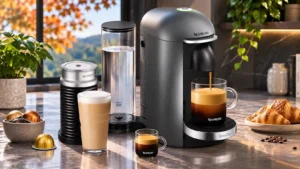
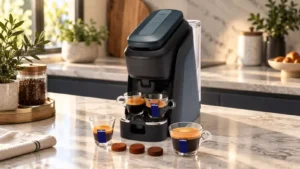
Nespresso Vertuo Plus Coffee Maker
Where It Has the Edge
No clear scored advantage over the other product.

Scorata scores summarize analyzed review evidence on a 1–5 scale; they are not laboratory measurements or a simple average of customer star ratings. Feature scores summarize the reviews covering that feature. The overall score averages feature scores within each review, then combines review averages. When both expert and customer evidence are available, those two groups receive equal weight. Products can have different review coverage, so small score gaps do not establish a winner.
Recommendations prioritize important features for the category, with a score of at least 3.5, a gap of at least 0.25 points and at least two supporting reviews per product. Features with widely varying scores or broad connectivity contexts are excluded from recommendations. These safeguards do not establish statistical significance.
Quick verdict
The available evidence supports the recommendation below, but does not establish an overall winner. Check the remaining features against your priorities.
There is not enough comparable review evidence to recommend Nespresso Vertuo Plus Coffee Maker over the other product.
Choose Lavazza Tabli Espresso Machine for Accessories.
No clear scored advantage over the other product.
Scores are out of 5. Missing scores mean missing review evidence, not a missing feature.
A favorable account describes a reusable-filter approach as reducing waste, although other reviews emphasize the machine’s proprietary capsule dependence.
Cleaning around the brew-area filter can be awkward, and one tester expected the small holes to clog over time without careful cleaning.
One detailed test found the advertised 25-second warm-up accurate, adding confidence to the quick-start promise.
Roast and intensity labels do not always match the cup: some coffees tasted darker or more uniformly bold than expected. One critical test also felt the remaining plastic weakened the system’s sustainability message.
Several comparisons find this model quieter than the Vertuo Next, though its spinning extraction still makes an audible whir.
Noise was a disappointment in one detailed hands-on test, which found the machine louder than expected during extraction.
Most users get repeatable, satisfying coffee from one pod to the next. One comparative test found weaker temperature consistency during back-to-back brews.
Extraction is usually praised for producing bold, crema-rich shots with a substantial texture. A more critical test found the process slow and the default ristretto volume poorly calibrated.
Vertuo offers many appealing blends and roast strengths, but proprietary capsules restrict third-party choices and make each cup relatively expensive.
The compressed tabs are convenient and distinctive, but the ecosystem is proprietary and the flavor selection is still limited. Open multi-tab packs also raise freshness concerns because the remaining coffee is exposed to air.
Barcode recognition takes care of drink size and brewing parameters, removing nearly all guesswork. This automatic approach is especially useful for users who want consistent results without tinkering.
Automatic puck ejection is a convenient strength, letting used coffee drop away with little handling. The drawback is unreliable waste-bin status logic in some testing, which can block brewing even when the drawer is not actually full.
Short heat-up times and one-button brewing make quick morning coffee easy. Espresso-size drinks usually finish faster than larger cups.
Single drinks can be very fast, and several testers praised the push-button speed. A heavy-use office test found back-to-back brewing slow because the puck-ejection cycle adds waiting time.
The recyclable cardboard box and carefully considered unboxing experience earn praise for combining sustainability with practical design.
Reducing single-use pod waste is the product’s standout strength, and many sources praise the all-coffee tabs. The main caveat is that plastic film remains in the packaging, which one critical test felt undercut the sustainability promise.
Automatic used-capsule ejection makes cleanup unusually hands-off. Occasional sticking or lid obstructions can waste a capsule.
Automatic puck ejection is usually convenient because used coffee drops into a bin without finger contact. The downside is that damp spent tabs can develop mold if the drawer is left uncleared.
Daily operation is widely praised for its simplicity: insert a capsule, close the motorized head, and press one button. Convenience remains the biggest reason people keep using it.
Most hands-on experiences are very positive, emphasizing easy controls, low effort and strong first-cup satisfaction. One extended test rejected the machine because of upkeep, controls, price and coffee-quality frustrations.
The larger reservoir and spent-pod container mean fewer interruptions, particularly in households making several drinks. Standard and Deluxe reservoir sizes differ.
The water reservoir is a strength, with testers saying it holds plenty and rarely needs refilling. The eight-tab waste drawer is fine for home use but can feel small in a busy office.
Rich, smooth coffee and a generous foamy top are major attractions. Some tasters find certain long coffees watery, bitter, or less complex than freshly ground alternatives.
Most hands-on testers like the bold, full-bodied coffee, thick crema and strong flavor, with especially positive reactions to fresh-tasting shots. A minority found the flavor one-dimensional, overly acidic or too foamy compared with traditional espresso.
Starter capsules help newcomers sample flavors, and some bundles add a useful Aeroccino frother. Check the exact package, since machine-only configurations are also discussed.
Bundles can add a milk frother and handling tweezers that make the system more versatile and easier to serve from. The frother is handy and easy to rinse, though some configurations charge extra for it.
Routine reservoir filling, capsule emptying, and drip-tray rinsing are simple for most owners. Descaling is more involved, with some confusing sequences and occasional lockouts.
The large tank can reduce refill frequency, but maintenance is a real tradeoff. Some testers found upkeep quick, while one long-term test reported frequent bin attention, descaling needs and difficult cleaning around the brew area.
The separate Aeroccino draws praise for smooth hot or cold foam and easy cleaning, but it takes another appliance and some owners experienced frother problems. The brewer itself lacks integrated milk steaming.
Milk-drink results vary by style. Some testers made good cappuccinos and found the espresso strong enough for lattes, while another found flat whites and lattes overly foamy rather than silky.
The multi-position cup stand fits espresso cups and taller mugs and helps prevent splashes. A few users found the tray awkward or noticed cups shifting as the machine vibrates.
Cup handling is flexible thanks to a removable drip tray and base that can make room for larger cups and different cup sizes.
Cord placement can be awkward when moving the brewer toward the sink for cleaning, depending on where the outlet sits.
The power cord drew a specific complaint for being only about 80 cm long, which can limit placement flexibility.
The larger body and movable tank make this less convenient to carry around than compact Original-line machines.
The machine is not especially travel-friendly: one tester specifically found it heavy and bulky.
One brewer handles short espresso shots, double shots, lungos, and regular coffee, with pod-dependent sizes. Limited XL compatibility and fixed automatic settings reduce flexibility.
The machine covers espresso, double espresso and lungo, and a frother can expand that into milk drinks. The tradeoff is limited coffee variety, espresso-focused output and default volumes that may need reprogramming.
Owners often praise the solid construction and smooth motorized mechanism, including after extended daily use. A few accounts mention malfunctions or concerns about long-term reliability.
Build impressions are split. One first-use test called the machine solidly built, while another criticized the body for feeling overly plastic.
Its curved styling and movable water tank get plenty of praise for counter placement. The body and lid clearance can still be too bulky for a small nook or low cabinets.
The Tablì is widely praised for a sleek, compact look that fits small kitchens and crowded counters. One tester found it heavier and bulkier than expected, so the footprint is not universally admired.
The perforated tray and awkward placement of some components can look or feel less refined than the rest of the machine.
One long-term test found several interaction choices frustrating, including a very short auto-off interval that forces users to reactivate the machine between drinks.
The purchase price can look attractive on sale, especially beside café visits or premium espresso equipment. Ongoing Vertuo capsule costs are the central financial drawback.
Value depends heavily on market and usage. Some testers saw the machine or discounted bundles as approachable and even money-saving versus takeaway coffee, while others criticized higher per-cup costs and an expensive machine price.
Initial setup is generally straightforward: position the tank, run the rinse cycle, and start brewing. Some owners found the single-button cleaning instructions less intuitive at first.
Setup is consistently simple: fill the tank, insert a tab and start brewing. Multiple hands-on tests describe the machine as ready to use with almost no learning curve.
Smart features are polarizing. Some coverage likes app-based personalization, while one hands-on tester preferred simple buttons without an app and another found Wi‑Fi, Alexa and app functions unnecessarily complicated.
Many cups emerge suitably hot for immediate drinking. Adding cold milk may cool them too far, and some tests found lower brew temperatures than expected.
Free return bags and collection locations make capsule recycling workable, yet the need for a special drop-off or mailing step is less convenient than curbside collection.
Some brewing vibrations can move a mug on the support, so it is worth keeping an eye on the cup while the machine spins.
The thick, silky foam is a signature attraction and makes cups feel indulgent. It is aerated coffee foam rather than crema formed by conventional espresso pressure.
The machine was reported to arrive well protected in its packaging and in good condition.
The automatic shutoff is useful in principle, but one tester finds its nine-minute delay long compared with a newer model.
The machine draws relatively high power, but that translates into a quick warm-up of roughly 35 seconds.
Cold drinks are a strong use case: iced lattes, shakerato-style drinks and other chilled preparations were praised for flavor and frothy texture.
One long-term owner found the manual particularly helpful for understanding rinse and descaling procedures, despite the learning curve of those functions.
Automatic pod recipes make brewing easy but restrict direct adjustments to temperature and extraction. Some users appreciate cup-volume programming as a partial workaround.
The light-touch opening and closing action is often considered a standout daily convenience. A minority find it slower or dislike that obstructions can waste pods.
The easy-to-open, mostly cardboard packaging makes unboxing less awkward and earns praise for its thoughtful presentation.
The recyclable carton and inserts are appreciated as part of a thoughtfully designed, easy-to-open package.
One buyer had a poor shipping experience because the coffee arrived about a week before the machine, leaving the system unusable in the meantime.
An owner who contacted Nespresso found its support staff helpful and knowledgeable about troubleshooting and service.
Getting started is usually a quick rinse-and-fill procedure, but first-time users may need the guide to decipher the button sequence.
An owner describes helpful Nespresso assistance and a service process that begins with troubleshooting before repair.
A user welcomed the stated warranty term for their regional machine, though coverage can vary by market and configuration.
The individual coffee tabs avoid plastic or aluminum casings, which is a major appeal for shoppers concerned about pod waste and microplastics. The machine body and outer packaging still contain plastic, so the overall system is not completely plastic-free.
Automatic rinsing reduces manual work, although the cleaning cycle uses considerable water and can take longer than competing models.
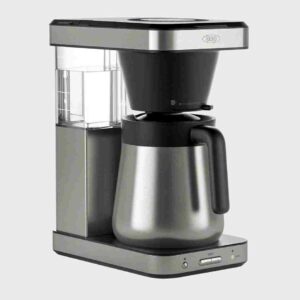
Choose the OXO Brew 8-Cup if you want fast, consistent drip coffee in small or full batches. Skip it if you need programming, app controls, a larger pot, or the...
Pros: Brewing performance and consistency, Overall user experience
Cons: Design flaws
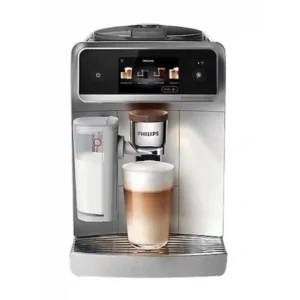
Best for effortless, highly personalized hot and cold coffee in a busy multi-drinker home. Skip it if counter space is tight, you demand silky adjustable microfoam, or the premium price...
Pros: Automation and sensors, Overall user experience
Cons: Design flaws, Mess-free used-puck disposal
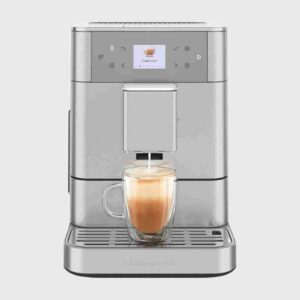
Choose the KitchenAid KF6 for rich espresso, quiet operation, easy cleaning, and strong value in a super-automatic. Skip it if dense cappuccino foam, plant-milk presets, touchscreen controls, or an included...
Pros: Water system, maintenance and descaling, Overall user experience
Cons: Accessories, Design flaws
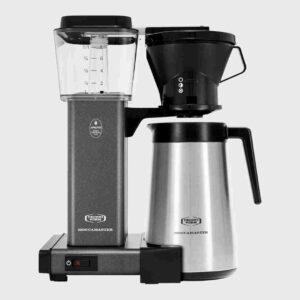
Choose the Moccamaster KBT for fast, excellent drip coffee, durable build, and a thermal carafe that keeps coffee hot. Skip it if you need programmability, a compact footprint, or a...
Pros: Brewing performance and consistency, Espresso and beverage quality
Cons: Automation and sensors, Design flaws