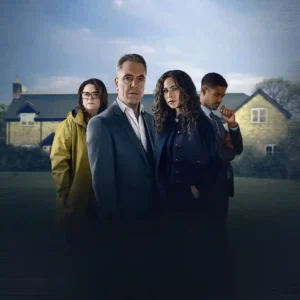
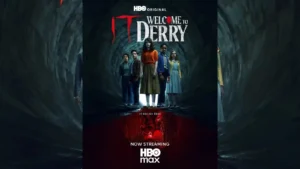
Run Away, Season 1
Where It Has the Edge
- bingeability is 4.8 vs 4.5. Bingeability is a standout strength. Multiple reviewers finished all eight episodes quickly or said the cliffhangers and fast-moving...

Scorata scores summarize analyzed review evidence on a 1–5 scale; they are not laboratory measurements or a simple average of customer star ratings. Feature scores summarize the reviews covering that feature. The overall score averages feature scores within each review, then combines review averages. When both expert and customer evidence are available, those two groups receive equal weight. Products can have different review coverage, so small score gaps do not establish a winner.
Recommendations prioritize important features for the category, with a score of at least 3.5, a gap of at least 0.25 points and at least two supporting reviews per product. Features with widely varying scores or broad connectivity contexts are excluded from recommendations. These safeguards do not establish statistical significance.
Quick verdict
The available evidence supports the recommendation below, but does not establish an overall winner. Check the remaining features against your priorities.
Choose Run Away, Season 1 for bingeability.
There is not enough comparable review evidence to recommend IT: Welcome To Derry over the other product.
No clear scored advantage over the other product.
Scores are out of 5. Missing scores mean missing review evidence, not a missing feature.
The musical score receives little direct discussion, but one strongly negative viewer comment calls the music amateurish.
The music is repeatedly praised for heightening dread without overwhelming the drama.
One adaptation-focused discussion finds the added race-and-power dynamic between a wealthy white father and a Black detective interesting, while noting that it replaces some of the book’s deeper religious debate.
Some embedded audience commentary strongly rejects the show's perceived contemporary political framing.
Episode runtimes work for some viewers as a quick watch, but another review found the lengths inconsistent, with some installments dragging and others rushing major events.
Long episodes can feel bloated when the story slows down or repeats information.
Sexual content is limited in one reviewer’s viewing, but another content-focused source flags underwear and references to sexual violence as reasons for caution.
One family-oriented review strongly objects to explicit bodily imagery and nudity in the horror material.
The finale sharply divides opinion. Some viewers think it lands a memorable final twist, while others say it becomes anticlimactic, overstuffed, or damaging to the momentum built earlier.
The later episodes and finale earn substantial praise for spectacle and payoff, though a few critics found the ending bland or disappointing.
The family drama and Coben-style melodrama can be very engaging, but some reviewers think the melodramatic flair becomes excessive and weakens the suspense.
Some relationship drama is viewed as forced rather than organically earned.
Suspense is a consistent strength for most reviewers, driven by multiple suspects, interlocking mysteries, and cliffhangers. The main exception is criticism that too much complexity can eventually weaken tension.
Suspense is inconsistent; the best sequences build real dread, but weak CGI and fragmented plotting often break tension.
Direction receives polarized reactions: one review praises the directors for extracting excellent performances, while others find the staging and overall streaming-thriller aesthetic generic or performance-undermining.
Direction earns strong praise for atmosphere, visual control, and the show's most effective horror sequences.
Visual reactions are divided. Some praise the distinct look and color treatment, while others find the shadow-heavy or unusual cinematography harsh, cheap-looking, or generic.
Cinematography is usually praised for making Derry picturesque, eerie, and cinematic, though one review found it bland.
The large ensemble is a major tradeoff: some reviewers enjoy having many characters and perspectives to latch onto, while others find the overlapping storylines crowded, distracting, or hard to track.
The large ensemble can feel overstuffed, with too many characters and subplots competing for attention.
This is one of the most contested attributes. Some reviewers admire how the many threads eventually connect, while others call the story convoluted, incoherent, or difficult to follow without extra effort.
Multiple storylines and dense lore can make the narrative feel scattered, overloaded, or difficult to track.
The episodes generally move quickly, which helps the binge, but some reviewers want more breathing room and find the tempo uneven from installment to installment.
Individual episodes are unevenly paced, with slow stretches, rushed revelations, and a frequently criticized midseason lull.
Some reviewers praise the realistic or subtly shifting tone, while others think misplaced humor, camp, or a late twist disrupts the mood and weakens the drama.
The show can swing abruptly between serious horror, emotional drama, and sillier spectacle, creating tonal friction.
Fast pacing keeps many reviewers engaged and helps disguise plot holes, but others find the tempo overly compressed, uneven, or weakened by the finale.
A slow or uneven first half is a common complaint, with many full-season reviews saying the back half improves substantially.
Interest in more material centers on Elena Ravenscroft, with multiple reviewers saying they would gladly watch a spin-off or series focused on her.
Interest in more seasons is positive overall but not universal; some reviewers are eager for more lore while others fear repetition.
The assassin duo is repeatedly singled out as compelling, entertaining, and unusually decisive, making them one of the stronger elements of the ensemble mystery.
Bill Skarsgård's Pennywise is usually a highlight when present, but many critics complain that the clown is held back too long or underused.
One source strongly objected to a late character decision as out of character, arguing that the writing forced behavior for shock rather than credibility.
A few critics flag inconsistent character behavior and logic as part of the show's uneven writing.
The season is often praised for low filler and strong end hooks, making each episode feel purposeful and designed to propel the mystery forward.
The dual child/adult structure can broaden Derry effectively, while the strongest pilot uses its setup and reversals especially well.
Violence is intense and graphic enough to be a major concern for one reviewer, while another explicitly appreciated that the deaths were not softened or cut away from.
The violence is extremely graphic and can be effective horror for some viewers, while others find it excessive or hard to watch.
The father-daughter addiction story gives the season a strong emotional center and is often called relatable, heartbreaking, or weighty. Some critics feel that later twists crowd out that early emotional power.
When the character bonds land, the series can be moving and heartbreaking; weaker reviews say some intended emotional beats fail to resonate.
Dialogue quality is sharply split. Some reviewers call it extremely good or pacy, while others single out clichéd hospital lines and amateurish dialogue as major weaknesses.
Dialogue is a recurring weakness, with complaints about clunky exposition, wooden exchanges, and overly obvious monologues.
For viewers who like twist-heavy mystery thrillers, the season usually delivers. Even mixed reviews often concede that it is gripping, bingeable genre entertainment, though some find the Coben formula too outlandish.
Horror effectiveness is highly uneven: some critics found the series terrifying and inventive, while others found many scares silly, repetitive, or too CGI-heavy.
Twists are the engine of the season and often its biggest pleasure, but the volume becomes a major drawback for critics who feel later reveals turn improbable, exhausting, or nonsensical.
Early shocks and later reveals are among the most widely praised storytelling moves, especially the premiere's major reversal.
The strongest thematic material centers on family secrecy, addiction, guilt, protection, and how well people truly know those closest to them. Some critics think those ideas get buried beneath the twist machinery.
Themes of fear, racism, collective apathy, and cycles of violence can add real weight, though some critics find the treatment too broad or didactic.
The adaptation keeps much of the book’s core plot and even some dialogue closely intact, while making major setting and character-expansion changes. Reviewers generally see the book-to-screen approach as a strength despite those alterations.
The expansion feels King-like to some critics, while others question creative liberties or fan-fiction-like additions.
The grounded family-addiction premise earns praise, but realism falls away for many reviewers once cults, coincidences, and repeated late twists take over. Implausibility is one of the most common reservations.
Some military logic, character decisions, and plot mechanics strain credibility even within the supernatural premise.
One review finds the mystery lore so sprawling that it compares its density to major fantasy and superhero universes, though that depth also contributes to the challenge of keeping up.
The deeper history of Derry, Pennywise, and the wider King universe is one of the most consistently praised elements.
The screenplay can keep a complicated mystery moving, but one critic argues it needs tighter scripting because overloaded scenes and plot turns weaken performances.
Script reactions are mixed, ranging from a strong pilot to complaints about contrivance and implausible dialogue.
Editing drew a direct complaint that scene construction and cuts undercut otherwise talented performers, especially during high-emotion moments.
Editing draws unusually sharp criticism for jarring transitions and weak rhythm.
Several pairings work especially well, including the police detectives and the assassin duo. Reviewers often found those dynamics convincing or captivating, though one source thought chemistry was weak in parts of the ensemble.
The young ensemble often sells the friendships and group dynamics, though some critics feel the chemistry falls short of the 2017 film.
The opening is usually praised as gripping and immediately effective, though one viewer found the first hour and a half slow to click despite liking the series afterward.
The premiere is widely seen as bold and memorable, with its opening and late twist frequently singled out even by otherwise negative critics.
Bingeability is a standout strength. Multiple reviewers finished all eight episodes quickly or said the cliffhangers and fast-moving mystery made it hard to stop watching.
Several critics found the expanding mystery easy to get hooked on and were eager to continue once the story gained momentum.
The series is openly familiar Coben territory. Some viewers enjoy the dependable formula, while others see the repeated playbook and adaptation patterns as a lack of freshness.
Opinions split between fresh expansion of King lore and the sense that the show is repeating the Losers Club formula.
The move from the book’s American setting to Britain works for some reviewers but feels insufficiently naturalized to others, who say the show can still feel culturally American in tone and setup.
The focus on racism, civil rights, and Indigenous history is often seen as meaningful, but some critics call parts of the treatment shallow, stereotyped, or heavy-handed.
The central family mystery is widely considered compelling and entertaining, but opinions split sharply over whether the escalating conspiracies and coincidences remain satisfying or collapse into nonsense.
The season earns praise for ambitious lore and emotional stakes, but the military plot and overloaded structure divide critics.
Many reviewers like the depth given to supporting characters such as Elena, the detectives, and the assassins. Critics of the show argue that Paige and some other figures are underdeveloped or treated mainly as plot devices.
Many critics connect with the layered fears, grief, and friendships, although some reviews find portions of the ensemble underwritten.
Graphic deaths, heavy crude language, drug use, and sexual-violence references make this a poor family-viewing choice for viewers sensitive to adult content.
The show is emphatically not family-friendly because of graphic violence, disturbing imagery, and strong language.
One content-focused review strongly objects to the heavy, frequent crude language, making the language level a clear concern for sensitive viewers.
Frequent strong profanity is treated as a major content concern rather than a neutral detail.
Supporting performances are frequently praised, especially the detectives, Elena, and several side characters. Strong ensemble work often keeps the show engaging even when the plot becomes implausible.
Adult supporting work is generally respected, even when critics feel the material gives those actors too little to do.
Performances are one of the season’s most consistent strengths, with several critics calling the cast stellar or the best part of the show. A minority found the ensemble soap-like or uneven outside the strongest leads.
Performances are one of the most dependable strengths, with frequent praise for both the child ensemble and key adult leads despite a few complaints about stilted moments.
The principal cast is usually a strength, anchored by a widely praised lead performance. A few critics find the ensemble uneven, but strong casting is a frequent point of agreement.
The main ensemble, especially the younger cast, receives broad praise for carrying fear, grief, and emotional stakes.
Production design ranges from strongly praised sets that reinforce character to a harsh viewer complaint that the sets and production look amateurish.
Sets and overall production design are major strengths, giving Derry a polished, period-specific identity.
The visual presentation is divisive: some praise a distinct, well-graded look, while others see harsh shadows, odd lenses or grading, and generic streaming aesthetics.
Derry often looks polished and striking, especially in credits and period design, but flat lighting or artificial backdrops occasionally undermine the look.
The mystery world feels unusually expansive, with one review praising its lore as dense enough to rival much larger fictional universes. That richness also contributes to the show’s complexity.
The episodic format gives Derry, its history, and its mythology more room to breathe, which many critics see as a major advantage.
Elena’s styling drew specific praise, with one reviewer singling out her yellow windbreaker as especially memorable.
Period clothing is consistently praised for helping transport the show convincingly into the early 1960s.
Audience response is split but leans positive in several sources: some report mixed early scores, while others describe largely positive fan reactions and broad watchability.
The series is presented as accessible even to newcomers who have not read King or watched the films.
Critical reception is positive but not ecstatic: one source describes respectable critic scores, while another notes that many positive notices still land around a modest 3/5.
Critical response is visibly divided, with rave notices for craft and terror alongside sharp complaints about plotting and scares.
The series carries strong adult-content concerns, especially graphic violence, crude language, drug material, and references to sexual violence, making it a poor fit for younger or sensitive viewers.
The graphic horror and disturbing material are viewed as inappropriate for children.
The characters are frequently described as watchable and compelling even when flawed. Simon in particular can be frustrating but remains relatable because of his desperation to find his daughter.
The core kids are often easy to root for, and several reviewers became emotionally attached to them quickly.
Most reviewers find the season entertaining even when they criticize its logic. The common pattern is a fun, fast, twist-heavy ride whose absurdity is either part of the appeal or the main limitation.
Even mixed reviews often find stretches fun or entertaining, especially when the horror, lore, and Pennywise material are working together.
Simon is not treated as consequence-free: one review praises the way the story makes him carry the weight of his choices into the finale.
Action is not the dominant focus, but one review specifically praises how it is balanced with mystery, melodrama, and uncertainty.
The addiction storyline is one of the show’s most grounded strengths, especially in its depiction of parental fear, helplessness, and determination to help a child.
Casting, especially among the younger performers, receives strong praise and is repeatedly treated as a major asset.
CGI is the clearest technical weakness: multiple critics found creature work obvious, cartoonish, or distracting even when the underlying scare ideas were strong.
Episode-ending cliffhangers are one of the clearest strengths, repeatedly praised for pushing viewers straight into the next episode and sustaining surprise.
Plot holes and loose threads are a recurring concern. Some reviewers forgive them because the show moves quickly, while harsher critics say inconsistencies and dead-end red herrings undermine the mystery.
One reviewer appreciated the real-world wheelchair use but wished the series had acknowledged it in dialogue, saying the unexplained presentation became distracting instead of informative.
The ending is the season’s biggest dividing point. Some reviewers praise its shocking payoff and answers, while others call it unnecessary, anticlimactic, overstuffed, or a reason the whole story loses momentum.
A small number of critics strongly object to the use of real-world trauma and prejudice as shock material.
Connections to the films and wider King universe are a major draw, although the Easter eggs can become overbearing for some viewers.
Light humor can provide welcome relief from the darker material, especially through Elena, but another reviewer felt some comic beats were out of place.
The early public-shaming thread is praised for making Simon’s struggle against stigma and viral scrutiny feel captivating and personally distressing.
Cars, clothing, sets, and social context often sell the 1960s setting, though one critic found the era artificial and unlived-in.
Added rules and weaknesses around Pennywise sometimes make the entity feel less unknowable or less threatening.
Where practical creature work is used effectively, it is praised as more convincing than the weakest CGI.
Eight episodes feel quick and well-sized to some binge-watchers, while others say the same story could have been told in six. The length works best for viewers who enjoy the side stories.
Because this is a limited series, the ending carries the full burden of closure. Some sources praise the answers and convergence, while others feel the last stretch cannot justify the buildup.
Effects quality varies sharply by episode, improving late in the season but suffering from conspicuous digital work earlier.
The prequel's value is contested: some call it essential or worthy, while others see it as unnecessary franchise extension.
The season is highly watchable in the moment but often described as forgettable afterward, suggesting limited rewatch appeal despite strong binge value.
The physical 4K release is described as economical and well stocked with extras for committed fans.
Sound design and immersive audio are praised for making quiet scenes threatening and big sequences more enveloping.
The soundtrack is barely discussed, with one viewer complaint characterizing the music as amateurish.

Best for sharp adult humor, magnetic chemistry and a deeply satisfying farewell. Skip it if familiar will-they-won’t-they plotting or deliberately messy leads are dealbreakers.
Pros: humor, writing quality

Choose Widow’s Bay for its dark laughs, richly haunted island and memorable ensemble. Skip it if you need straightforward scares, rapid answers to every mystery or a completely resolved finale.
Pros: humor, genre satisfaction
Cons: ending satisfaction, season pacing
Choose Season 15 for warm, character-driven comedy, meaningful growth, and a finale that rewards longtime fans. Skip it if the short binge format, uneven replacement voices, or occasional clumsy commentary...
Pros: franchise connection, character development
Best for sharply acted, compassionate, high-pressure hospital drama. Skip it if graphic procedures unsettle you or you need a neatly resolved season finale.
Pros: character development, acting performance
Cons: character consistency, dialogue quality