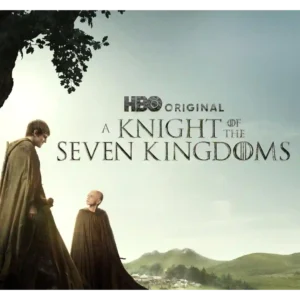
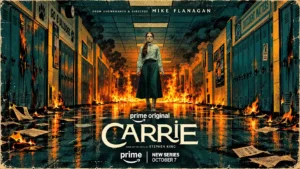
Compare A Knight of the Seven Kingdoms, Season 1 vs Carrie

A Knight of the Seven Kingdoms, Season 1

A Knight of the Seven Kingdoms, Season 1

Overall score 4.5 / 5

Based on 52 scored reviews

vs
Carrie

Carrie

Overall score 4.0 / 5

Based on 61 scored reviews

How we score

Scorata scores summarize analyzed review evidence on a 1–5 scale; they are not laboratory measurements or a simple average of customer star ratings. Feature scores summarize the reviews covering that feature. The overall score averages feature scores within each review, then combines review averages. When both expert and customer evidence are available, those two groups receive equal weight. Products can have different review coverage, so small score gaps do not establish a winner.

Recommendations prioritize important features for the category, with a score of at least 3.5, a gap of at least 0.25 points and at least two supporting reviews per product. Features with widely varying scores or broad connectivity contexts are excluded from recommendations. These safeguards do not establish statistical significance.

Quick verdict

What each product is best for

The review evidence points to a tradeoff: character consistency and plot clarity versus cultural representation and sexual content level. Choose according to which strengths matter more to you; the overall score alone does not settle that choice.

Choose A Knight of the Seven Kingdoms, Season 1 for character consistency and plot clarity.

Choose Carrie for cultural representation and sexual content level.

Why these recommendations?

A Knight of the Seven Kingdoms, Season 1

Where It Has the Edge

  • character consistency is 5.0 vs 2.3. Dunk’s decency and loyalty remain convincing as the stakes rise, and the partnership with Egg keeps its emotional...
  • plot clarity is 4.5 vs 2.0. A single point of view, one tournament, and a small cast make the story unusually easy to follow...
  • world-building is 5.0 vs 2.7. By focusing on hedge knights, commoners, tourney workers, food, money, and local politics, the show makes Westeros feel...

Carrie

Where It Has the Edge

  • cultural representation is 4.5 vs 2.0. A stronger female creative perspective is welcomed for making the coming-of-age story feel more respectful and authentic. It...
  • sexual content level is 4.3 vs 3.5. The less salacious handling of the locker-room scene is welcomed. Sexual material elsewhere is judged purposeful rather than...
A Knight of the Seven Kingdoms, Season 1 4.5 overall score
Carrie 4.0 overall score

Compare features

Scores are out of 5. Missing scores mean missing review evidence, not a missing feature.

Scored on both products

Other features

Character consistency
A Knight of the Seven Kingdoms, Season 1
5.0

Dunk’s decency and loyalty remain convincing as the stakes rise, and the partnership with Egg keeps its emotional core intact through danger and conflict.

Carrie
2.3

Margaret’s shift into public activism can be difficult to reconcile with her initial characterization. Other adult antagonists are criticized for feeling one-note or out of step with the surrounding drama.

Cultural representation
A Knight of the Seven Kingdoms, Season 1
2.0

Female characters receive noticeably less space and depth than the men, with some criticism aimed at how often women are confined to sex-work or love-interest roles.

Carrie
4.5

A stronger female creative perspective is welcomed for making the coming-of-age story feel more respectful and authentic. It gives familiar conflicts a different emphasis.

Plot clarity
A Knight of the Seven Kingdoms, Season 1
4.5

A single point of view, one tournament, and a small cast make the story unusually easy to follow for a Thrones series. Newcomers can understand the stakes without a wiki or family tree.

Carrie
2.0

The altered ending and proliferating supernatural threads can leave the story harder to follow or reconcile. A prom security inconsistency also distracts from the climax.

Character development
A Knight of the Seven Kingdoms, Season 1
2.0

The short format limits how deeply some relationships and supporting arcs can grow. Dunk and Egg still develop meaningfully, but several secondary characters feel shortchanged.

Carrie
4.3

Carrie, Margaret, and Chris gain meaningful motives and emotional complexity. Dissenting voices find Carrie too uniformly innocent and the supporting stories unevenly developed.

Continuity
A Knight of the Seven Kingdoms, Season 1
5.0

The localized story maintains clear internal logic and fits comfortably within the established Westeros timeline without becoming dependent on franchise exposition.

Carrie
2.8

Prom security creates a noticeable gap in the show’s internal logic. Unresolved plot threads also leave one viewer wanting firmer answers.

Ending satisfaction
A Knight of the Seven Kingdoms, Season 1
5.0

The finale leaves the season on a strongly satisfying note, resolving the immediate arc while preserving enthusiasm for Dunk and Egg’s next journey.

Carrie
2.9

The prom delivers striking imagery and powerful moments for many viewers. Its altered resolution and continuation hooks are the chief dividing point, often criticized for weakening the tragedy or leaving the story unfinished.

Season finale quality
A Knight of the Seven Kingdoms, Season 1
5.0

The final episode provides a satisfying emotional landing after the brutal penultimate chapter and leaves the road open for future adventures without feeling unfinished.

Carrie
2.9

The last episode is admired for its scale and disturbing imagery but frequently challenged for its narrative decisions. The ending’s shift toward a larger supernatural story can undo some of the preceding drama’s impact.

Language level
A Knight of the Seven Kingdoms, Season 1
2.0

The language is clearly adult, with frequent swearing and deliberately filthy jokes. That coarseness fits the world for some viewers but reduces suitability for younger audiences.

Carrie
4.0

The frequent strong language is judged to serve the story rather than feel superfluous. The favorable assessment concerns its purpose, rather than the amount of swearing.

Dialogue quality
A Knight of the Seven Kingdoms, Season 1
5.0

Conversation is one of the show’s pleasures, from dry exchanges and barroom humor to quieter discussions of honor and class. Small talk often carries more personality than exposition.

Carrie
3.2

Natural conversations and awkward exchanges can feel convincing. Explicit thematic speeches sometimes become preachy or repeat points the drama has already made.

Renewal interest
A Knight of the Seven Kingdoms, Season 1
5.0

Enthusiasm for more Dunk and Egg is strong, with the central relationship creating more desire for another season than the larger plot mechanics do.

Carrie
3.2

The wider world of gifted women makes some viewers eager for another season. Others see the continuation hooks as a cash grab or an unwelcome distraction from a complete tragedy.

Editing quality
A Knight of the Seven Kingdoms, Season 1
3.0

The brisk cutaways and comic timing often work well, but a late extended flashback is a recurring pacing complaint because it interrupts strong momentum.

Carrie
4.8

The visual parallels in the party episode and the opening episode’s transitions are especially effective. Editing helps connect emotional shifts without lengthy explanations.

Franchise connection
A Knight of the Seven Kingdoms, Season 1
5.0

The series feels unmistakably rooted in Westeros while avoiding heavy dependence on dragons, throne politics, or encyclopedic lore. That balance helps it refresh the larger franchise.

Carrie
3.3

Links to the wider King universe interest some fans and feel plausible within the novel’s hints. Others think those connections intrude on a story that works best on its own.

Genre satisfaction
A Knight of the Seven Kingdoms, Season 1
4.8

Its mix of medieval adventure, chivalric ideals, comedy, and grounded fantasy gives the show a distinctive genre flavor. The lack of huge magical spectacle is often treated as a strength rather than a deficiency.

Carrie
3.2

Expect a compassionate high school tragedy with psychological horror rather than relentless supernatural scares. Some find its human cruelty frightening; others feel the gentler approach blunts the story’s bite.

Modern political framing
A Knight of the Seven Kingdoms, Season 1
5.0

The story’s emphasis on decency, dignity, and doing the right thing is repeatedly framed as especially resonant in the present moment. Its hopeful moral outlook gives the fantasy unusual contemporary weight.

Carrie
3.5

School violence, parental rights, and conspiracy thinking give the update pointed contemporary relevance. Repeated speeches and broad ideological characterization sometimes make the message feel preachy.

Story quality
A Knight of the Seven Kingdoms, Season 1
4.3

The central tale wins affection through simplicity: a poor hedge knight, an unusual squire, and a tournament that becomes morally consequential. A minority finds the story too small or under-ambitious, but the emotional payoff is strong.

Carrie
3.0

The mother-daughter drama and parallel story of Chris often work well. Added characters and franchise setup can scatter the focus and weaken the central tragedy.

Violence level
A Knight of the Seven Kingdoms, Season 1
3.2

The violence is less constant than in other Thrones shows but becomes extremely graphic when it arrives. Some praise its visceral, grounded impact, while others find the gore and injuries excessive.

Carrie
4.5

The restrained violence through much of the season is appreciated for allowing emotional stakes to develop. When the brutality arrives, favorable reactions focus on its dramatic force and satisfying payoff.

Villain quality
A Knight of the Seven Kingdoms, Season 1
5.0

Aerion stands out as a controlled, menacing antagonist whose cruelty feels dangerous without turning him into a cartoon. His presence gives the grounded story a sharp edge.

Carrie
3.7

Chris can be vicious without becoming a simple caricature, and her backstory often strengthens the conflict. Giving antagonists too much sympathy can diminish their menace.

Writing quality
A Knight of the Seven Kingdoms, Season 1
5.0

The script is praised for being tight, confident, and willing to trust character moments rather than constantly reaching for spectacle or exposition.

Carrie
3.8

Character-focused scenes and thoughtful adaptation choices are often compelling. The script becomes less convincing when extra mythology and overt messaging crowd the central conflict.

Cinematography
A Knight of the Seven Kingdoms, Season 1
5.0

The photography finds beauty in muddy fields, natural light, rain, sunsets, and jousting arenas. Its grounded compositions give the smaller story a distinctive visual identity.

Carrie
3.9

Negative space and striking prom imagery support the slow-building tension. Artificial-looking homage shots and washed-out colors draw some criticism.

Plot twists
A Knight of the Seven Kingdoms, Season 1
5.0

The story’s major reveal is praised for landing with real shock because the season quietly builds dread before letting the consequences reshape the characters.

Carrie
4.1

Several viewers welcome the bold surprises and subversions of familiar moments. Some major reveals are easy to anticipate, though predictability does not always spoil their payoff.

Drama quality
A Knight of the Seven Kingdoms, Season 1
5.0

The back half delivers forceful drama once the lighter tourney setup gives way to danger, grief, and trial-by-combat stakes. The tonal escalation lands without abandoning the show’s humanity.

Carrie
4.2

The quiet relationship scenes and recognizable adolescent struggles often carry the series. Viewers seeking a sharper horror experience may find the teen drama too gentle, broad, or polished.

Action sequence quality
A Knight of the Seven Kingdoms, Season 1
5.0

The jousts and close-quarters combat hit hard, especially in the later episodes. The action is praised as thrilling, visceral, and severe without needing dragon-scale spectacle.

Carrie
4.2

The prom’s scale, chaotic progression, and striking images can make it an effective spectacle. Some find the sequence overextended or weaker than the earlier film’s explosive technique.

Season length
A Knight of the Seven Kingdoms, Season 1
4.5

Six episodes keep the story compact and purposeful, although one take finds the material awkwardly caught between a movie and a full season. Overall, the brevity is more often a benefit than a problem.

Carrie
3.7

Eight episodes provide room to understand Carrie, her mother, and her classmates. Several viewers still find the side stories repetitive or too expansive for such a compact tragedy.

Faithfulness to source material
A Knight of the Seven Kingdoms, Season 1
4.6

The adaptation is repeatedly praised for staying remarkably close to The Hedge Knight while making selective additions that fit the story. Book accuracy is one of its clearest strengths.

Carrie
3.8

The iconic incidents and many central themes remain recognizable, while the series freely reworks character motives and outcomes. Those changes delight some viewers and feel like a loss of the original tragedy to others.

Episode structure
A Knight of the Seven Kingdoms, Season 1
5.0

The six chapters feel like actual television episodes rather than a movie chopped into pieces. Each installment has its own shape while advancing the compact season arc.

Carrie
4.3

Documentary-style interviews and glimpses of the disaster provide an effective route into a familiar story. Too many framing devices can make the presentation feel cluttered.

Sexual content level
A Knight of the Seven Kingdoms, Season 1
3.5

Sexual content is more restrained than in earlier Westeros series, but full-frontal nudity and crude sexual jokes remain. The lower volume does not make the show family-friendly.

Carrie
4.3

The less salacious handling of the locker-room scene is welcomed. Sexual material elsewhere is judged purposeful rather than gratuitous.

Suspense
A Knight of the Seven Kingdoms, Season 1
5.0

Tension builds gradually beneath the early comedy, then pays off in the back half through escalating danger, combat, and moral choices that feel personal rather than world-ending.

Carrie
4.3

The known catastrophe creates dread around seemingly ordinary school moments, and the final stretch can be gripping. Some find that the wider mythology buries the threat rather than intensifying it.

Episode pacing
A Knight of the Seven Kingdoms, Season 1
3.9

Most episodes move briskly and avoid the bloat associated with larger Thrones stories, though the opening can feel slow and a late flashback noticeably stalls momentum.

Carrie
4.5

The first episode’s pacing is praised alongside its editing and performances. Its momentum helps sustain interest through the introduction and growing school tension.

Tonal consistency
A Knight of the Seven Kingdoms, Season 1
4.5

The lighter, warmer tone is one of the show’s biggest strengths, especially against the franchise’s usual bleakness. The move into darker violence can be abrupt, yet the underlying humanity keeps the shift coherent.

Carrie
3.9

A somber atmosphere and occasional dark humor generally suit the emotional tragedy. The teen drama emphasis and broader supernatural elements can feel less harmonious to viewers expecting harder horror.

Originality
A Knight of the Seven Kingdoms, Season 1
5.0

The lowborn perspective and deliberately small stakes make familiar Westeros feel new again. Trading dynastic warfare for a hedge knight’s personal struggle is widely treated as a refreshing creative choice.

Carrie
4.4

Bold additions and transformed familiar moments help this version establish its own identity. Reinvention is welcomed more consistently than every individual story change.

Humor
A Knight of the Seven Kingdoms, Season 1
3.9

Comedy is a major part of the show’s charm, ranging from dry banter to physical and scatological gags. The cruder jokes occasionally go too far for some tastes, but the lighter tone is broadly welcomed.

Carrie
4.4

Dark laughs and sharp character interactions bring welcome levity to the bleak story. Josie Totah’s comic timing and Margaret’s clashes with school officials stand out.

Release schedule
A Knight of the Seven Kingdoms, Season 1
4.0

Weekly viewing can build anticipation and conversation, but the very short runtimes make the wait frustrating for some. The format works best for viewers who enjoy digesting each chapter.

Carrie
4.5

Releasing the first season as a binge is welcomed. Immediate access to the next episode helps viewers move through the slower opening and strong cliffhangers.

Score quality
A Knight of the Seven Kingdoms, Season 1
4.6

The pastoral, folksier music helps distinguish this series from the grander Thrones sound while still nodding to familiar themes. It fits the humble scale especially well.

Carrie
4.1

The melancholic score and some atmospheric musical choices reinforce the dread and sadness. One dissenting view finds the music too eager to manufacture unearned epic moments.

Bingeability
A Knight of the Seven Kingdoms, Season 1
5.0

The compact episodes can create strong one-more-episode momentum, with the season becoming especially hard to stop once its central conflict takes hold.

Carrie
4.6

Several viewers fly through the episodes and feel compelled to keep watching. Its emotional bleakness can also be intense enough to require a break.

Directing quality
A Knight of the Seven Kingdoms, Season 1
5.0

The direction keeps a one-location, lower-budget season visually dynamic and gives performances room to breathe. Action and quieter character scenes both benefit from the restraint.

Carrie
4.6

The strongest direction draws tension and emotion from intimate scenes and inventive visual storytelling. Its handling of the expanded story is less assured than its work with the cast.

Cast chemistry
A Knight of the Seven Kingdoms, Season 1
5.0

Dunk and Egg’s chemistry is one of the show’s defining strengths. Their banter, affection, and mismatched personalities make even quiet scenes together feel engaging.

Carrie
4.6

Quiet exchanges between Carrie and Margaret give the series its emotional center. Friendships, romance, and the toxic Chris-Billy pairing also benefit from believable interaction.

Realism
A Knight of the Seven Kingdoms, Season 1
4.3

The ground-level focus makes Westeros feel unusually tangible, especially in its attention to food, money, work, mud, and social status. A few extreme injuries stretch plausibility.

Carrie
3.9

The bullying, family pressures, and school environment frequently feel recognizable and grounded. Plot conveniences, exaggerated cruelty, and a few social media details can strain credibility.

Pilot episode quality
A Knight of the Seven Kingdoms, Season 1
4.3

The premiere is divisive but promising: some love its lightness, character setup, and fresh tone, while others find too little happens and dislike the opening bodily-function gag.

Carrie
4.6

The opening earns strong praise for its framing, performances, and chilling locker-room sequence. Early impressions generally promise a compelling modern retelling.

Ensemble balance
A Knight of the Seven Kingdoms, Season 1
2.0

The tight focus benefits Dunk and Egg but leaves parts of the ensemble thin, particularly female characters. Several supporting figures receive less development than their potential suggests.

Carrie
2.1

Too much time away from Carrie is a recurring frustration. The expanded cast also leaves some important supporting characters with rushed or insufficiently developed arcs.

Season pacing
A Knight of the Seven Kingdoms, Season 1
3.5

The season generally benefits from its lack of bloat, but opinions split on whether the novella has enough plot for six episodes. A few stretches feel padded even as the overall arc stays focused.

Carrie
3.6

Some find a strong dramatic rhythm and an increasingly gripping final stretch. Others report a slow start, a repetitive middle, or a second half that loses focus.

Lore depth
A Knight of the Seven Kingdoms, Season 1
4.0

Westeros history, familiar houses, and timeline connections add texture without demanding constant reference-checking. The lore is present as background rather than homework.

Carrie
4.0

Telekinetic history and the possibility of other gifted women add intriguing context. The lore works best when it supports Carrie’s journey rather than pulling attention into a larger franchise.

Emotional impact
A Knight of the Seven Kingdoms, Season 1
4.7

The season moves from warmth and humor into genuine heartbreak without losing its hopeful core. Several late moments are described as tear-jerking, cathartic, or unexpectedly moving.

Carrie
4.7

Carrie’s hope and repeated humiliation make this a deeply sad, often affecting watch. The library scenes and mother-daughter moments are especially memorable.

Theme depth
A Knight of the Seven Kingdoms, Season 1
4.1

Honor, class, dignity, friendship, justice, and the meaning of being a good person give the small story real weight. Some themes can feel familiar or lightly explored, but the moral clarity is often seen as a virtue.

Carrie
4.1

Kindness, complicity, parental control, and social media cruelty give the drama substance. Historical framing and explicit speeches sometimes reduce those ideas to repetitive or blunt commentary.

Comfort and build

World-building
A Knight of the Seven Kingdoms, Season 1
5.0

By focusing on hedge knights, commoners, tourney workers, food, money, and local politics, the show makes Westeros feel newly lived-in. Its smaller lens expands the world instead of shrinking it.

Carrie
2.7

The larger world of gifted women offers possibilities that excite some fans. More often, it is criticized for diluting the school tragedy, confusing the story, or setting up future seasons at the expense of this one.

Visual style
A Knight of the Seven Kingdoms, Season 1
5.0

The show favors earthy landscapes, natural light, mud, pageantry, and close-up physical detail over giant CGI set pieces. That restrained aesthetic makes the world feel intimate and beautiful.

Carrie
4.2

Stylish images and memorable prom imagery give the series a strong visual identity. A smaller group dislikes the glossy teen drama look or washed-out colors.

Costume design
A Knight of the Seven Kingdoms, Season 1
5.0

The clothing and armor feel convincingly worn-in and period-appropriate, helping the tourney setting look lived-in rather than polished or artificial.

Carrie
4.5

Carrie’s handmade clothing is admired for its beauty. It supports the character’s resourcefulness within her sheltered upbringing.

Production design
A Knight of the Seven Kingdoms, Season 1
4.7

The sets, locations, props, and overall production value look richer than the smaller budget might suggest. The tourney environment feels expansive enough to avoid claustrophobia.

Carrie
4.5

The mundane high school setting is seen as a fitting choice for this version. Its lack of elaborate Gothic design does not undermine that approach.

Controls and connectivity

Age appropriateness
A Knight of the Seven Kingdoms, Season 1
2.0

This is not presented as a kids’ fantasy. Swearing, gore, torture references, nudity, and a particularly brutal late episode make it better suited to mature viewers.

Carrie
4.0

One assessment considers the series suitable for young viewers already comfortable with PG-13 films. That approval is framed around learning from its bullying and responsibility themes.

Character appeal
A Knight of the Seven Kingdoms, Season 1
5.0

Dunk is easy to root for because of his sincerity, stubborn decency, and vulnerability, while Egg brings wit and warmth. Together they form an unusually lovable Westeros pairing.

Carrie
4.2

Carrie’s kindness and eagerness make her easy to root for. Some viewers appreciate that warmth, while others find the near-perfect innocence bland or the peripheral characters less engaging.

Audience appeal
A Knight of the Seven Kingdoms, Season 1
4.6

The smaller, warmer story is accessible enough for newcomers and disillusioned Thrones fans, but its gentler scale may not satisfy viewers who mainly want epic fantasy spectacle.

Carrie
3.8

The teen drama, contemporary music, and substantial adult cast can widen its appeal. Viewers who feel distant from YA storytelling may struggle with the earlier episodes.

Critic appeal
A Knight of the Seven Kingdoms, Season 1
5.0

Critical reception is portrayed as exceptionally strong, with the season frequently framed as one of the best Westeros entries in years.

Carrie
4.5

Critical reception is predominantly favorable toward the modern reframing and performances. Reservations center on reduced scariness and the changed ending.

Performance

Soundtrack quality
A Knight of the Seven Kingdoms, Season 1
5.0

The music gives the show a pastoral identity distinct from the grand orchestral feel of its predecessors while still sounding at home in Westeros.

Carrie
3.1

The haunting, contemporary songs have admirers and may appeal to younger viewers. Repeated complaints target ill-fitting or overly literal needle drops that explain emotions already clear onscreen.

Supporting cast performance
A Knight of the Seven Kingdoms, Season 1
5.0

The supporting ensemble adds color far beyond its limited screen time, with Lyonel, Baelor, Maekar, Aerion, Raymun, and others frequently singled out as memorable presences.

Carrie
4.6

Matthew Lillard, Alison Thornton, Amber Midthunder, and other supporting players bring humor, vulnerability, and tension. Their work often earns praise even when the surrounding story feels underdeveloped.

Main cast performance
A Knight of the Seven Kingdoms, Season 1
5.0

Peter Claffey and Dexter Sol Ansell carry the season with confidence, warmth, and comic timing. Their contrasting performances make Dunk and Egg immediately convincing as a duo.

Carrie
4.8

The central performances make innocence, fear, controlling love, and suppressed anger convincing. Summer H. Howell and Samantha Sloyan repeatedly emerge as the series’ strongest assets.

Acting performance
A Knight of the Seven Kingdoms, Season 1
5.0

The performances are a major strength, with the central duo and ensemble repeatedly described as excellent, brilliant, or flawless. Even the younger cast members hold their own confidently.

Carrie
4.8

The ensemble is one of the most consistently praised parts of the series. Convincing performances keep the emotional stakes engaging even through weaker plot detours.

Ownership and support

Entertainment value
A Knight of the Seven Kingdoms, Season 1
4.7

The season is consistently enjoyable because it combines humor, companionship, adventure, and just enough brutality. Its modest scale makes it feel refreshing rather than slight for many viewers.

Carrie
4.4

Many find the series engrossing, moving, and worth watching despite its flaws. Responses are less enthusiastic when the teen drama or supernatural detours overwhelm the central story.

Evidence available for one product

Other features

Accountability handling
A Knight of the Seven Kingdoms, Season 1No score yet
Carrie
4.3

The best character work explains cruelty without excusing it and shows how bystanders contribute to harm. A few feel that the show’s sympathy becomes manipulative or lets its antagonists off too easily.

Adaptation necessity
A Knight of the Seven Kingdoms, Season 1No score yet
Carrie
4.5

The modern bullying angle and richer relationships give this retelling a persuasive reason to exist. Its more ambitious supernatural additions are less consistently welcomed.

Anthology format
A Knight of the Seven Kingdoms, Season 1No score yet
Carrie
5.0

The recurring histories of gifted women are admired for making Carrie’s story part of something larger. This perspective is praised for building meaning without diminishing her importance.

Bullying portrayal
A Knight of the Seven Kingdoms, Season 1No score yet
Carrie
4.2

The viral humiliation and its spread through the school community can be painfully convincing. Complaints focus on exaggerated cruelty, diluted consequences, or telling viewers about harm instead of fully dramatizing it.

Casting quality
A Knight of the Seven Kingdoms, Season 1No score yet
Carrie
4.7

The lead casting is widely admired, and the ensemble often looks and behaves like real teenagers. Reservations concern a few performers’ apparent ages relative to their school roles.

Cliffhanger effectiveness
A Knight of the Seven Kingdoms, Season 1No score yet
Carrie
4.0

Episode endings can be strong enough to prompt an immediate continuation. The larger closing hook is intriguing to some but frustrating for viewers wanting resolution.

Episode length
A Knight of the Seven Kingdoms, Season 1
4.1

The roughly half-hour format suits the novella-sized story and keeps episodes easy to digest. Some viewers may still feel shortchanged by the brevity, especially with weekly releases.

CarrieNo score yet
Ethical sensitivity
A Knight of the Seven Kingdoms, Season 1No score yet
Carrie
4.2

The treatment of school violence and the more respectful view of adolescent girls are praised. One concern is that a heavy teacher storyline receives too little time to explore its consequences.

Family friendliness
A Knight of the Seven Kingdoms, Season 1
2.0

Despite the warmer tone, this is still adult Westeros. Graphic violence, strong language, crude humor, and nudity make it a poor fit for unsupervised family viewing with younger children.

CarrieNo score yet
Modernization quality
A Knight of the Seven Kingdoms, Season 1No score yet
Carrie
4.5

Cyberbullying, smartphones, school shooting drills, and parental anxiety make the story feel current. The update is widely praised, although its polished teen drama sometimes feels too safe or heavy-handed.

Period authenticity
A Knight of the Seven Kingdoms, Season 1
5.0

Mud, rough clothing, crowded tourney life, roadside travel, and class differences give the setting a convincing medieval texture. The world feels used, dirty, and inhabited.

CarrieNo score yet
Power scaling
A Knight of the Seven Kingdoms, Season 1No score yet
Carrie
3.5

Carrie’s growing abilities can be inventive and exciting to follow. Their delayed prominence or superhero-like treatment frustrates viewers who want the powers to serve her emotional breakdown more directly.

Practical effects quality
A Knight of the Seven Kingdoms, Season 1
5.0

The physical staging benefits from doing more of the action for real, letting horse work, armor, bodies, and impact sell the violence without excessive visual trickery.

CarrieNo score yet
Protagonist agency
A Knight of the Seven Kingdoms, Season 1No score yet
Carrie
2.3

The most persistent objection is that outside influences weaken Carrie’s ownership of her choices and rage. A minority welcome the reworking as a way to give the young women more control over their futures.

Romance quality
A Knight of the Seven Kingdoms, Season 1No score yet
Carrie
4.5

More time with Sue, Tommy, and Carrie makes their feelings and relationships easier to believe. The developing bonds provide relief from the surrounding hostility and add emotional stakes to prom night.

Special effects quality
A Knight of the Seven Kingdoms, Season 1
4.0

The limited effects work is described as fun and well suited to the show’s smaller scale rather than a bid for overwhelming spectacle.

CarrieNo score yet
Spin-off quality
A Knight of the Seven Kingdoms, Season 1
4.4

As a spin-off, the season succeeds by refusing to imitate the scale of Game of Thrones or House of the Dragon. Its warmth, humor, and focus make it feel like a genuine refresh rather than franchise filler.

CarrieNo score yet
Sports storyline quality
A Knight of the Seven Kingdoms, Season 1
5.0

The tournament framework gives the season the satisfying shape of a sports story, with training, rivals, escalating matches, and underdog stakes providing natural momentum.

CarrieNo score yet
Title sequence quality
A Knight of the Seven Kingdoms, Season 1No score yet
Carrie
4.5

The understated title-card moment feels well placed after Carrie introduces herself. Its gentle presentation suits the opening’s approach.

Trauma portrayal
A Knight of the Seven Kingdoms, Season 1No score yet
Carrie
4.3

The series can be a powerful depiction of how grief, bullying, and control affect young people and their families. A rushed teacher storyline is the clearest reservation about handling heavier material.

Ownership and support

Educational value
A Knight of the Seven Kingdoms, Season 1No score yet
Carrie
4.5

Chris’s repeated chances to choose differently give her storyline an instructive purpose. It offers younger viewers a clear warning about lashing out and joining in cruelty.

Rewatch value
A Knight of the Seven Kingdoms, Season 1No score yet
Carrie
4.5

Rewatching gives an early line from Chris added significance once her full arc is known. It makes the characterization feel more deliberate.

Value for money
A Knight of the Seven Kingdoms, Season 1No score yet
Carrie
4.5

One viewer rates the series as purchase-worthy. The overall experience is considered strong enough to justify paying for it.

Controls and connectivity

Guest appearances
A Knight of the Seven Kingdoms, Season 1No score yet
Carrie
5.0

An unexpected cameo brings particular delight to one viewer. Its surprise value is part of the appeal.

Comfort and build

Sound design
A Knight of the Seven Kingdoms, Season 1
5.0

Crunching, squelching combat audio makes the violence feel immediate and uncomfortable in a purposeful way, particularly when the camera stays close to Dunk.

CarrieNo score yet

Other Top TV Shows to Consider

#1 Colin From Accounts, Season 3
4.8

Best for sharp adult humor, magnetic chemistry and a deeply satisfying farewell. Skip it if familiar will-they-won’t-they plotting or deliberately messy leads are dealbreakers.

Pros: humor, writing quality

#2 Widow’s Bay
4.8

Choose Widow’s Bay for its dark laughs, richly haunted island and memorable ensemble. Skip it if you need straightforward scares, rapid answers to every mystery or a completely resolved finale.

Pros: humor, genre satisfaction

Cons: ending satisfaction, season pacing

#3 King of the Hill, Season 15
4.7

Choose Season 15 for warm, character-driven comedy, meaningful growth, and a finale that rewards longtime fans. Skip it if the short binge format, uneven replacement voices, or occasional clumsy commentary...

Pros: franchise connection, character development

#4 The Pitt, Season 2
4.7

Best for sharply acted, compassionate, high-pressure hospital drama. Skip it if graphic procedures unsettle you or you need a neatly resolved season finale.

Pros: character development, acting performance

Cons: character consistency, dialogue quality