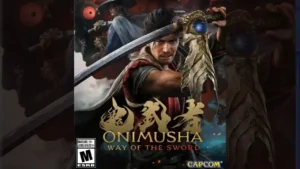
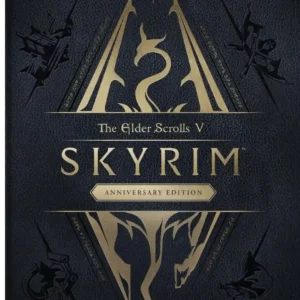
Compare Elder Scrolls V: Skyrim vs Onimusha: Way of the Sword

Elder Scrolls V: Skyrim

Elder Scrolls V: Skyrim

Overall score 4.0 / 5

Based on 50 scored reviews

vs
Onimusha: Way of the Sword

Onimusha: Way of the Sword

Overall score 4.1 / 5

Based on 100 scored reviews

How we score

Scorata scores summarize analyzed review evidence on a 1–5 scale; they are not laboratory measurements or a simple average of customer star ratings. Feature scores summarize the reviews covering that feature. The overall score averages feature scores within each review, then combines review averages. When both expert and customer evidence are available, those two groups receive equal weight. Products can have different review coverage, so small score gaps do not establish a winner.

Recommendations prioritize important features for the category, with a score of at least 3.5, a gap of at least 0.25 points and at least two supporting reviews per product. Features with widely varying scores or broad connectivity contexts are excluded from recommendations. These safeguards do not establish statistical significance.

Quick verdict

What each product is best for

The review evidence points to a tradeoff: open-world design and gameplay mechanics versus crash stability. Choose according to which strengths matter more to you; the overall score alone does not settle that choice.

Choose Elder Scrolls V: Skyrim for open-world design and gameplay mechanics.

Choose Onimusha: Way of the Sword for crash stability.

Why these recommendations?

Elder Scrolls V: Skyrim

Where It Has the Edge

  • open-world design is 5.0 vs 1.5. The open world is one of Skyrim’s most universally praised achievements: dense, scenic, explorable, and filled with reasons...
  • gameplay mechanics is 5.0 vs 4.3. The classless skill system, Shouts, dual-wielding, crafting, exploration, and flexible interaction combine into a broad, rewarding RPG toolkit.
  • replay value is 4.8 vs 4.2. Few attributes receive stronger agreement: alternate builds, faction paths, huge content depth, mods, portable versions, and self-directed role-playing...

Onimusha: Way of the Sword

Where It Has the Edge

  • crash stability is 5.0 vs 1.6. The reviewers who addressed crashes reported stable playthroughs without crashes, reinforcing the broader impression of strong technical reliability.
Elder Scrolls V: Skyrim 4.0 overall score
Onimusha: Way of the Sword 4.1 overall score

Compare features

Scores are out of 5. Missing scores mean missing review evidence, not a missing feature.

Scored on both products

Comfort and build

Open-world design
Elder Scrolls V: Skyrim
5.0

The open world is one of Skyrim’s most universally praised achievements: dense, scenic, explorable, and filled with reasons to leave the road. It still serves as a benchmark for player-driven fantasy exploration.

Onimusha: Way of the Sword
1.5

The central Kyoto hub is the most consistent structural complaint. Reviewers often see its fetch quests, repeated streets, and resource chores as padding between much stronger linear levels and boss encounters.

Quest design
Elder Scrolls V: Skyrim
4.8

Questing is a major strength, especially in guild and optional storylines where chance encounters can blossom into long, surprising adventures. Mundane fetch quests exist, but the best side content is repeatedly considered stronger than the main plot.

Onimusha: Way of the Sword
2.7

The side content is uneven: Lady Murasaki’s Mysteries and character-focused quests receive real praise, while generic fetch, kill, and resource jobs are frequently dismissed as filler.

User interface design
Elder Scrolls V: Skyrim
2.4

Interface quality is platform-dependent: controller menus are often streamlined, but PC layout and some base UI choices are criticized as clumsy or messy. Mods such as SkyUI are frequently treated as practical fixes.

Onimusha: Way of the Sword
4.5

The UI is praised for being restrained, clear, and largely out of the player’s way.

Puzzle design
Elder Scrolls V: Skyrim
3.0

Dungeon puzzles can be memorable early on, but several sources find traps and puzzle patterns overused or too simple across a very long campaign.

Onimusha: Way of the Sword
4.5

Puzzles are a light part of the experience, but the secrets and environmental challenges that do appear can be enjoyable diversions from combat.

Boss design
Elder Scrolls V: Skyrim
3.6

Dragon and major encounters can be spectacular, tense, and memorable, especially early on. Repeated attack patterns, easy exploits, and shallow scaling make some boss fights lose impact over time.

Onimusha: Way of the Sword
4.7

Boss fights are the standout attraction: dramatic, mechanically distinct, visually memorable, and built to reward mastery of parries, dodges, deflects, and Issens. The main caveat is repeated use of some minibosses and recurring foes.

World-building
Elder Scrolls V: Skyrim
5.0

Skyrim’s frozen region, cities, factions, politics, histories, architecture, and ambient details form one of its most celebrated strengths. The world often feels like a character in itself and gives exploration lasting meaning.

Onimusha: Way of the Sword
4.6

Real mythology, Edo-period details, optional legends, and character stories give Kyoto a rich backdrop that many reviewers found unusually rewarding to dig into.

Level design
Elder Scrolls V: Skyrim
4.4

Skyrim improves sharply on Oblivion’s repetitive dungeons, with more individualized layouts, environmental variety, shortcuts, traps, and discoveries. Repetition still creeps in after very long play sessions.

Onimusha: Way of the Sword
4.2

The handcrafted linear stages are generally the strongest spaces, with memorable temples, castles, laboratories, and supernatural areas. The hub and a few repetitive routes are less consistently praised.

Sound design
Elder Scrolls V: Skyrim
4.4

Ambient wind, wildlife, combat effects, environmental sounds, and upgraded audio help sell the physical world. A Switch-specific audio-warping problem is a sharp exception to otherwise strong sound work.

Onimusha: Way of the Sword
4.5

Sharp sword clashes, parry impacts, executions, and other combat sounds give the fighting strong physical feedback and make successful timing feel satisfying.

Mission design
Elder Scrolls V: Skyrim
2.0

One DLC questline is criticized for bland locations and an unenjoyable structure, showing that added content does not always match the strongest base-game questing.

Onimusha: Way of the Sword
2.0

The bespoke story missions work well, but generic Encounter-style objectives and busywork are repeatedly called filler.

Other features

Crash stability
Elder Scrolls V: Skyrim
1.6

Crashes, freezes, and forced save reloads appear across several versions and eras. They are less universal than minor bugs, but when they occur they can erase progress and materially hurt reliability.

Onimusha: Way of the Sword
5.0

The reviewers who addressed crashes reported stable playthroughs without crashes, reinforcing the broader impression of strong technical reliability.

Bug frequency
Elder Scrolls V: Skyrim
1.9

Bugs are the most consistent technical complaint, ranging from funny physics oddities to broken quests, stuck NPCs, and progress-loss situations. Many reviewers tolerate them because of the game’s scale, but later re-releases are criticized for still carrying old problems.

Onimusha: Way of the Sword
5.0

The reviewers who discussed technical reliability reported playthroughs without notable bugs, glitches, or crashes.

Skill tree depth
Elder Scrolls V: Skyrim
5.0

Perk trees strongly reward experimentation and specialization, with meaningful bonuses across combat, magic, stealth, crafting, and social skills. Build planning remains one of the most satisfying long-term systems.

Onimusha: Way of the Sword
2.0

One critical review argues that some late skill upgrades feel more like delayed quality-of-life fixes than genuinely meaningful progression choices.

Content variety
Elder Scrolls V: Skyrim
4.9

The game is packed with guilds, dungeons, side quests, crafting, exploration, homes, books, random encounters, expansions, and role-playing diversions. Its breadth is one of the strongest points of agreement across the sources.

Onimusha: Way of the Sword
2.0

One recurring complaint is that the overworld leans on repetitive objectives and familiar enemy groups, reducing variety outside the bespoke story stages and bosses.

Animation quality
Elder Scrolls V: Skyrim
1.7

Animation is one of the clearest signs of age: stiff NPC movement, robotic scenes, dated combat motions, and awkward character behavior come up repeatedly. Later editions improve presentation around it more than the animations themselves.

Onimusha: Way of the Sword
4.4

Animation is one of the game’s clearest showpieces, with bespoke parries, blocks, executions, facial reactions, and combat transitions repeatedly singled out as exceptional. A few reviewers noticed a gap between cinematic and gameplay presentation.

Game length
Elder Scrolls V: Skyrim
5.0

Skyrim can absorb hundreds of hours through quests, exploration, character builds, expansions, and mods. Several reviewers still had major content left after dozens or even more than a hundred hours.

Onimusha: Way of the Sword
2.4

Opinions on length are mixed, but the strongest criticism says a superb shorter action game has been stretched into a 25–30 hour experience. A smaller group felt the adventure did not overstay its welcome.

Weapon balance
Elder Scrolls V: Skyrim
2.0

Combat styles are not equally effective: stealth archery is repeatedly overpowered, magic can be uneven, and melee lacks the responsiveness of stronger modern action RPGs.

Onimusha: Way of the Sword
4.5

Oni Armaments fill distinct roles such as healing, stamina damage, and crowd control, and at least one reviewer found each option useful rather than redundant.

Economy and resource balance
Elder Scrolls V: Skyrim
3.5

Inventory selling and merchant limits can be tedious in the base game, while Survival Mode makes food and ordinary supplies feel meaningfully valuable. Resource balance depends heavily on how the game is played.

Onimusha: Way of the Sword
1.5

The material economy is a weak point for some reviewers: common upgrade resources can be oddly expensive or grindy, and their relationship to the broader progression loop feels less refined than the combat.

Stealth mechanics
Elder Scrolls V: Skyrim
4.0

Stealth is more readable and strategic than in Oblivion, with detection feedback that supports careful play. It can also become overpowered, especially when combined with archery.

Onimusha: Way of the Sword
2.0

Stealth exists, but the reviewer who evaluated it found direct sword combat far more rewarding.

Progression system
Elder Scrolls V: Skyrim
4.9

Use-based skill growth, perks, and classless development are among the game’s most praised systems. They make character growth intuitive, flexible, and tightly connected to how the player actually behaves.

Onimusha: Way of the Sword
3.0

Progression is split between useful skill growth and incremental stat upgrades. Some reviewers enjoy how new abilities change combat, while others barely feel the numerical gains.

Enemy variety
Elder Scrolls V: Skyrim
4.4

Many sources enjoy the mix of dragons, undead, creatures, bandits, and fantasy enemies, with some praising the designs strongly. A later perspective argues the underlying enemy mechanics become limited and repetitive with time.

Onimusha: Way of the Sword
2.5

Common-enemy variety is a recurring weakness, with several reviews noting repeated basic foes and armored variants across a long campaign. Boss variety is much stronger.

Accessibility options
Elder Scrolls V: Skyrim
2.5

Accessibility is inconsistent across versions. Streamlined RPG systems help newcomers, but console ports are repeatedly criticized for missing basics such as an FoV slider, brightness controls, and broader visual options.

Onimusha: Way of the Sword
4.4

Story mode earns strong praise for wider timing windows and real-time action prompts that teach parries, dodges, deflects, and Issens. One review still wanted broader visual accessibility options.

Camera behavior
Elder Scrolls V: Skyrim
1.0

The fixed, narrow field of view on some console versions can make camera movement uncomfortable, particularly on larger displays. Lack of an FoV control is a notable port limitation.

Onimusha: Way of the Sword
2.8

Cinematic camera work can make attacks look spectacular, but combat framing is inconsistent. A few reviewers found the camera could get trapped or become frustrating near walls and bosses.

Dialogue quality
Elder Scrolls V: Skyrim
2.9

Dialogue is uneven: some reviews praise natural conversational flow and a large amount of voiced material, while others find the script generic, repetitive, or uninspired. It rarely matches the strength of the world design.

Onimusha: Way of the Sword
4.6

Character banter and comic exchanges give the cast personality, while quieter conversations help sell relationships and the reluctant-hero tone.

Combat system
Elder Scrolls V: Skyrim
3.0

Combat is the biggest design tradeoff. Magic, archery, dual-wielding, Shouts, and hybrid builds provide variety, but melee is repeatedly described as floaty, clunky, shallow, or dated.

Onimusha: Way of the Sword
4.8

The sword combat is the overwhelming consensus highlight: precise, weighty, reactive, and deeply satisfying, with parries, deflects, dodges, Issens, clashes, and Oni Armaments giving players meaningful options. Even critical reviews tend to praise the core fighting.

Onboarding experience
Elder Scrolls V: Skyrim
3.0

The opening is divisive: it can establish tone effectively, but its unskippable length and early information overload hurt repeat play and have caused some newcomers to bounce off the game.

Onimusha: Way of the Sword
4.5

The easiest Story setting is praised as an effective introduction to modern timing-based action, especially because it teaches defensive responses without turning the game into a passive tutorial.

Core gameplay loop
Elder Scrolls V: Skyrim
5.0

Exploring, fighting, looting, leveling, getting distracted, and discovering another objective remains highly compelling. Multiple reviews describe the loop as addictive even many years after release.

Onimusha: Way of the Sword
3.6

At its best, the loop of dueling, mastering defensive timing, absorbing souls, and upgrading Musashi is highly compelling. Some reviewers felt the opening and repeated hub chores obscure that excellent core.

Side character depth
Elder Scrolls V: Skyrim
2.7

NPCs make the world busy and believable, but deeper interpersonal writing and companion development are limited. Repeated voices, shallow relationships, and generic interactions keep characters behind the environmental storytelling.

Onimusha: Way of the Sword
4.0

Shizuka, Okuni, Takamura, and Ganryu often earn praise for personality and chemistry with Musashi, though some reviewers wanted the rival storyline to go deeper.

Mission variety
Elder Scrolls V: Skyrim
3.2

Mission quality ranges from imaginative faction stories and strange side adventures to repetitive fetch tasks and cave-clearing errands. The amount of content is huge, but not every activity is equally inventive.

Onimusha: Way of the Sword
2.0

Fetch quests, repeated demon-clearing jobs, and reused overworld activities create a clear sense of repetition between the stronger set-piece missions.

Character roster
Elder Scrolls V: Skyrim
3.5

Skyrim has a huge population with memorable factions and some distinctive personalities, but repeated archetypes and limited companion depth keep the cast from matching the world’s richness.

Onimusha: Way of the Sword
4.7

The supporting cast is a major strength, with Shizuka, Okuni, Takamura, Ganryu, and the villains repeatedly praised for personality and memorable interactions.

Aiming precision
Elder Scrolls V: Skyrim
4.0

Archery and ranged combat are often praised as accurate and satisfying, especially with gyro or VR. Mouse/input-lag issues on some ports and occasional collision problems can undermine that precision.

Onimusha: Way of the Sword
2.8

The bow’s generous auto-aim makes headshots easy, but lock-on and targeting can occasionally keep attacks moving in an unwanted direction.

World interactivity
Elder Scrolls V: Skyrim
4.8

Objects, crafting stations, homes, books, theft, routines, and small physical details make Skyrim unusually interactive. The ability to affect and inhabit ordinary spaces is a major contributor to immersion.

Onimusha: Way of the Sword
3.7

Combat benefits from environmental tools such as carts, planks, flames, and destructibles, but one reviewer disliked how many seemingly fragile objects cannot be touched.

Load times
Elder Scrolls V: Skyrim
3.6

Loading varies dramatically by platform and edition: older console versions are often criticized for long, frequent waits, while PC and newer Anniversary versions can load extremely quickly.

Onimusha: Way of the Sword
4.5

Transitions between cutscenes and gameplay are described as seamless, and retries after defeat are quick enough to keep difficult fights moving.

Facial animations
Elder Scrolls V: Skyrim
4.0

Faces are improved over Oblivion and can look more expressive, but they still sit within an aging character presentation.

Onimusha: Way of the Sword
4.9

Facial animation is repeatedly described as among the game’s best visual work, especially Musashi’s expressive mannerisms and subtle reactions during both cutscenes and gameplay.

Fast travel convenience
Elder Scrolls V: Skyrim
4.0

Fast travel is convenient, but Survival Mode’s removal of it can actually deepen discovery; carriages provide a limited compromise when long-distance travel is needed.

Onimusha: Way of the Sword
4.8

Spirit Mirrors make revisiting areas straightforward, although travel is tied to those points rather than available from anywhere. One reviewer specifically liked that restraint.

Movement feel
Elder Scrolls V: Skyrim
3.8

Movement and third-person play are improved over Oblivion and can feel responsive, but traversal is still basic and horses or first-person combat can feel awkward compared with newer games.

Onimusha: Way of the Sword
3.0

Movement is mixed: modern 3D navigation and wall-running can feel good, while the dodge roll, lack of a normal jump, and some traversal friction draw criticism.

Graphics quality
Elder Scrolls V: Skyrim
4.1

The landscapes, lighting, weather, vistas, and later-edition upgrades often look beautiful, while character models, old textures, pop-in, and some port-specific artifacts expose the game’s age. The visual verdict is strong overall but clearly version-dependent.

Onimusha: Way of the Sword
4.8

The game is widely regarded as gorgeous, with strong character models, lighting, environments, and RE Engine presentation across platforms. Performance modes and the gap between cinematic and gameplay rendering introduce only minor visual compromises for most reviewers.

Gameplay mechanics
Elder Scrolls V: Skyrim
5.0

The classless skill system, Shouts, dual-wielding, crafting, exploration, and flexible interaction combine into a broad, rewarding RPG toolkit.

Onimusha: Way of the Sword
4.3

The layered defensive options, soul management, armaments, environmental tools, and resource systems create unusually rich moment-to-moment play. A few explanations and secondary systems can feel confusing or less polished.

Frame rate stability
Elder Scrolls V: Skyrim
4.0

Most versions are praised for stable performance within their targets, including strong handheld results. The recurring complaint is that some newer ports remain capped at 30fps despite hardware that seems capable of more.

Onimusha: Way of the Sword
4.7

Performance is strong across PS5, Xbox, Switch 2, PC, and handheld testing, with many reports of stable targets and smooth combat. Steam Deck’s Eastern Kyoto hub is the main recurring performance caveat.

Pacing
Elder Scrolls V: Skyrim
2.0

Pacing is a recurring weakness around the long intro and main-quest structure. Repeat players especially dislike the unskippable opening, and starting the dragon storyline too quickly can overwhelm the quieter exploration rhythm.

Onimusha: Way of the Sword
2.6

Pacing is the most repeated non-combat concern: early hub stretches, side activities, backtracking, and recycled fights can drag. The linear story missions and final run of set pieces are much more frequently praised for momentum.

Fun factor
Elder Scrolls V: Skyrim
4.9

Across original, remastered, portable, and modern retrospective coverage, Skyrim is consistently described as highly enjoyable and hard to put down. Even critical reviews tend to return to how much fun the overall experience remains.

Onimusha: Way of the Sword
4.3

Most reviewers found the swordplay and boss mastery intensely fun and addictive, often seeking extra fights simply to keep playing. Repetition and padding are the main factors that wear down that enthusiasm.

Atmosphere
Elder Scrolls V: Skyrim
5.0

Skyrim’s cold, rugged setting, weather, audio, and sense of place create an unusually strong atmosphere. The world often feels compelling enough that players simply stop to look around or wander without a quest goal.

Onimusha: Way of the Sword
4.5

The blend of samurai action, body horror, mythology, and distinct locations creates a strong dark-fantasy atmosphere. The best areas feel eerie and characterful rather than like generic combat spaces.

Exploration quality
Elder Scrolls V: Skyrim
5.0

Exploration is Skyrim’s clearest consensus strength. Roads, caves, ruins, random encounters, hidden quests, scenery, and unexpected detours constantly reward curiosity and make simple travel feel like play.

Onimusha: Way of the Sword
4.5

Exploration can be rewarding when it leads to charms, upgrade materials, myths, portals, or secrets. The strongest praise comes from reviewers who enjoyed searching every corner despite reservations about the hub structure.

Grind level
Elder Scrolls V: Skyrim
3.5

Skyrim usually avoids feeling like a conventional grind because exploration and skill use produce progress naturally. Some later players still find repetitive leveling or optimization chores annoying.

Onimusha: Way of the Sword
3.0

Several reviewers criticize material gathering and repeated combat as unnecessary grind, especially around upgrades. Others found resources plentiful enough that deliberate grinding was rarely required.

Writing quality
Elder Scrolls V: Skyrim
5.0

The best faction quests, books, lore, and optional stories earn strong praise for writing, even when the main plot or routine dialogue is less consistent.

Onimusha: Way of the Sword
4.5

The writing is strongest in character banter, relationships, and emotional moments, though a few reviews describe the larger script as more serviceable than exceptional.

Emotional impact
Elder Scrolls V: Skyrim
5.0

Emergent role-playing can create surprisingly personal attachment; one player describes genuinely feeling the loss of a companion within a self-made story.

Onimusha: Way of the Sword
4.5

Despite the action-heavy premise, reviewers frequently found the character relationships, personal arcs, and later story beats funny, heartfelt, or unexpectedly moving.

Environmental detail
Elder Scrolls V: Skyrim
5.0

Environmental detail is a defining strength, from weather and mountains to towns, dungeons, waterfalls, clutter, and small interactive objects. The world’s density repeatedly makes wandering feel worthwhile.

Onimusha: Way of the Sword
4.6

Kyoto, temples, forests, palaces, and supernatural spaces are praised for dense detail, historical texture, lighting, and small visual touches that reward close attention.

Visual effects quality
Elder Scrolls V: Skyrim
4.3

Weather, lighting, spell effects, auroras, god rays, and remaster improvements can be striking. Some ports introduce distracting reflection, color, or pop-in artifacts, but the overall effects work is well regarded.

Onimusha: Way of the Sword
4.8

Sparks, slow-motion reactions, attack effects, and cinematic finishing flourishes make clashes look dramatic without obscuring the swordplay.

Polish
Elder Scrolls V: Skyrim
3.0

Skyrim’s enormous ambition is balanced by visible rough edges. Some releases feel polished overall, yet persistent bugs, dated systems, and missing quality-of-life refinements keep it from feeling consistently finished.

Onimusha: Way of the Sword
3.4

The combat, animation, and major presentation beats feel highly polished, but reviewers also point to camera issues, repetitive content, minor technical roughness, and uneven secondary systems.

Immersion
Elder Scrolls V: Skyrim
4.8

Skyrim remains exceptionally easy to get lost in because its world, weather, sound, routines, role-playing freedom, and environmental detail work together. Bugs and repeated NPC behavior can break the spell, but the broader immersion survives.

Onimusha: Way of the Sword
4.4

Detailed environments, expressive characters, fluid presentation, and the historical-fantasy setting create strong immersion for many reviewers. Repetitive Kyoto layouts and repeated activities can break that spell for some.

Difficulty balance
Elder Scrolls V: Skyrim
3.8

The less rigid level scaling and ability to encounter enemies above or below the player’s strength are generally improvements. Some fights still swing on luck, cheese tactics, or overpowered builds, and Survival Mode changes the balance substantially.

Onimusha: Way of the Sword
4.0

Difficulty is demanding but generally regarded as rewarding, with Story mode offering a gentler route and Action mode asking for precise play. Opinions split where normal enemies feel too easy or late bosses become punishing and unforgiving.

Art direction
Elder Scrolls V: Skyrim
5.0

The Nordic landscapes, weather, lighting, architecture, and strong visual mood have aged extremely well. Even reviewers who call the raw graphics dated still praise the art direction for making Skyrim distinctive and beautiful.

Onimusha: Way of the Sword
4.8

Reviewers consistently praise the grotesque Genma, corrupted Kyoto, historical architecture, and supernatural imagery. The aesthetic feels recognizably Onimusha while benefiting from much richer modern detail.

AI behavior
Elder Scrolls V: Skyrim
1.8

Enemy AI is a recurring weak spot: pathfinding can be exploited, companions and enemies get confused by geometry, and dragon behavior can become predictable. Some versions improve aggression, but the overall pattern remains rough.

Onimusha: Way of the Sword
2.0

Regular Genma can be overly passive and easy to dispatch without using the full defensive toolkit, making ordinary encounters feel weaker than the bosses.

Handheld play suitability
Elder Scrolls V: Skyrim
5.0

Portable Skyrim is repeatedly singled out as a major success. Switch and Switch 2 versions make the huge world easy to dip into anywhere while preserving strong image quality and generally stable play.

Onimusha: Way of the Sword
4.8

Steam Deck and Switch 2 coverage is notably positive, with playable performance and strong visuals on the go despite heavier battery or CPU load in Eastern Kyoto.

Lore depth
Elder Scrolls V: Skyrim
4.6

Books, factions, history, Daedric stories, regional politics, and environmental storytelling provide enormous background depth. Engaging with the lore can make quests and locations substantially more meaningful.

Onimusha: Way of the Sword
4.5

Japanese myths, legends, readables, collectibles, and side stories give the world substantial optional lore without requiring prior knowledge of the series.

Narrative quality
Elder Scrolls V: Skyrim
3.7

Story opinions are mixed. Some sources call the main campaign excellent or epic, while others see it as predictable, thin, or weaker than the faction and side-quest stories that make up much of Skyrim’s appeal.

Onimusha: Way of the Sword
3.6

Story reception is divided. Many reviewers love the character-driven tale, humor, relationships, and emotional beats, while others call the plot thin, convoluted, or less memorable than the combat.

Learning curve
Elder Scrolls V: Skyrim
4.3

The streamlined classless progression is approachable, but the sheer number of possibilities can overwhelm newcomers. Starting slowly and engaging with a small area at a time can make the game much easier to absorb.

Onimusha: Way of the Sword
4.2

The combat is easy to understand but demanding to master, and many reviewers enjoy the process of learning timing and boss patterns. Some training and system explanations could be clearer.

Innovation
Elder Scrolls V: Skyrim
4.5

Skyrim is not viewed as a wholesale revolution, yet its streamlined progression, classless character development, open-world density, and combination of systems were important refinements that helped define modern open-world RPG expectations.

Onimusha: Way of the Sword
4.5

Reviewers praise the way the game modernizes Onimusha and combines familiar action ideas into a distinctive parry-centered system rather than simply becoming another Soulslike.

Controls and connectivity

Character customization
Elder Scrolls V: Skyrim
4.7

Flexible race choices, appearance options, classless builds, and use-based skill growth let players shape very different characters. A few reviewers miss deeper old-school specialization, but build freedom is overwhelmingly praised.

Onimusha: Way of the Sword
3.0

Cosmetic options exist, with additional looks unlocking through play and harder modes, but the selection initially feels limited.

Controls responsiveness
Elder Scrolls V: Skyrim
3.4

Controls range from fluid and precise on strong versions to frustratingly sluggish on specific ports. Switch 2 input lag and some PC/VR control issues stand out against generally solid controller play.

Onimusha: Way of the Sword
4.5

Reviewers who directly addressed the controls describe them as tight and responsive, which helps the demanding timing-based combat feel fair.

Voice acting
Elder Scrolls V: Skyrim
3.5

Voice acting ranges from strong and immersive to forced, repetitive, or too obviously recycled across NPCs. The size of the voiced cast is impressive, but performance consistency is uneven.

Onimusha: Way of the Sword
4.2

Japanese performances receive near-universal praise, while English-language reactions are more mixed because of accent choices and occasional odd delivery. Several English cast members are still singled out for excellent work.

Menu usability
Elder Scrolls V: Skyrim
4.8

The streamlined favorites and equipment menus are widely praised on controllers for making a complex RPG approachable. PC-oriented interface criticism exists, but the general menu design is one of the stronger usability improvements.

Onimusha: Way of the Sword
4.5

The interface and menus are praised for staying unobtrusive and avoiding unnecessary tab complexity.

Performance

Performance optimization
Elder Scrolls V: Skyrim
3.9

Performance is highly version-dependent. Several ports are stable and newer editions improve optimization, but older PS3 issues, Switch 2 input/framerate choices, and occasional slowdown keep the record from being spotless.

Onimusha: Way of the Sword
4.8

Technical optimization is a strong point, with reviewers highlighting smooth frame rates and good visual quality even on less powerful or handheld hardware.

Soundtrack quality
Elder Scrolls V: Skyrim
5.0

The soundtrack is one of the strongest points of agreement in the entire set. Its exploration themes, battle music, choral pieces, and Dragonborn motif repeatedly heighten atmosphere, emotion, and discovery.

Onimusha: Way of the Sword
4.5

The score is praised for mixing traditional Japanese instrumentation with cinematic fantasy and horror tones without overpowering the action.

Ownership and support

Replay value
Elder Scrolls V: Skyrim
4.8

Few attributes receive stronger agreement: alternate builds, faction paths, huge content depth, mods, portable versions, and self-directed role-playing keep people returning for years and even hundreds of hours.

Onimusha: Way of the Sword
4.2

Boss rematches, harder difficulty, challenge rewards, and New Game Plus give combat-focused players meaningful reasons to return. Replaying padded missions is less appealing to some critics.

Value for money
Elder Scrolls V: Skyrim
4.2

The base game’s enormous content and replayability make it strong value for many players, and some bundles add DLC, Creation Club content, or free upgrades. Repeat buyers are more skeptical when an Anniversary release adds too little beyond versions they already own.

Onimusha: Way of the Sword
4.5

Reviewers who directly discussed price generally felt the campaign quality, replay options, and production values justify the cost for action fans.

Platform-specific feature support
Elder Scrolls V: Skyrim
4.6

Gyro aiming, motion controls, mouse support, amiibo/Zelda content, and even native GameCube controller support add worthwhile platform flavor. Implementation quality varies, but these extras are usually viewed positively.

Onimusha: Way of the Sword
4.5

Console and Switch 2 versions are generally well supported with useful performance options and stable play; Switch 2-specific control features are seen as fun if somewhat gimmicky.

Evidence available for one product

Controls and connectivity

Age appropriateness
Elder Scrolls V: Skyrim
1.7

The mature violence, gore, sexual themes, and alcohol references make the game a poor fit for younger children. One review suggests some teens may handle it, but the overall suitability signal is clearly mature.

Onimusha: Way of the SwordNo score yet
Protagonist appeal
Elder Scrolls V: SkyrimNo score yet
Onimusha: Way of the Sword
4.6

Musashi is one of the strongest points of agreement: reviewers repeatedly call him charismatic, funny, cool, expressive, and easy to root for, with only a small minority finding his arc less compelling.

Other features

Casting choices
Elder Scrolls V: SkyrimNo score yet
Onimusha: Way of the Sword
4.5

The use of Toshiro Mifune’s likeness and the game’s performance casting are generally viewed as fitting and distinctive, even though a minority questioned the ethics or necessity of recreating a deceased actor.

Character development
Elder Scrolls V: SkyrimNo score yet
Onimusha: Way of the Sword
4.1

Musashi’s reluctant-hero arc and growing acceptance of the Oni gauntlet are widely appreciated, as are several supporting arcs. Some reviewers wanted the Ganryu rivalry and parts of the cast developed further.

Checkpoint system
Elder Scrolls V: SkyrimNo score yet
Onimusha: Way of the Sword
3.3

Checkpointing is usually generous, especially around difficult fights, though one reviewer disliked having to restart multi-phase boss encounters from the beginning.

Choice impact
Elder Scrolls V: Skyrim
3.4

Faction choices and individual quests can alter outcomes, but the main narrative often absorbs very different role-playing behavior without much consequence. The freedom to act is stronger than the long-term narrative reactivity.

Onimusha: Way of the SwordNo score yet
Collectibles
Elder Scrolls V: SkyrimNo score yet
Onimusha: Way of the Sword
3.8

Collectibles often reward exploration with mythology, story details, cosmetics, or progression, and the Lion Dogs and Oni Portals are particular favorites. Some completion-oriented tasks still feel repetitive or low-value.

Companion AI
Elder Scrolls V: Skyrim
2.2

Followers are useful in fights and can add personality, but their pathfinding and positioning are frequent frustrations. They get stuck, block routes, or behave awkwardly often enough to be a recurring complaint.

Onimusha: Way of the SwordNo score yet
Crafting system
Elder Scrolls V: Skyrim
4.6

Smithing, enchanting, alchemy, cooking, and equipment creation make gathered resources useful and support self-directed builds. Survival Mode gives some of these systems, especially cooking, even more purpose.

Onimusha: Way of the SwordNo score yet
Endgame content
Elder Scrolls V: SkyrimNo score yet
Onimusha: Way of the Sword
4.5

Post-game play includes harder Carnage difficulty and New Game Plus-style replay, giving mastery-focused players a reason to continue after the credits.

Faithfulness to franchise
Elder Scrolls V: SkyrimNo score yet
Onimusha: Way of the Sword
4.6

The revival modernizes movement, camera, scale, and combat without losing the Oni Gauntlet, soul absorption, Issen timing, horror flavor, or eccentric Onimusha identity. Longtime fans largely see it as a successful return.

Family friendliness
Elder Scrolls V: Skyrim
1.0

The game is not especially family-friendly for younger children because of gore, violence, sexual themes, and alcohol references.

Onimusha: Way of the SwordNo score yet
Fishing mechanics
Elder Scrolls V: Skyrim
3.4

Fishing receives mixed reactions. Some find it simple, relaxing, and fun with worthwhile quests, while others call it boring, overly restricted to designated spots, or too shallow to matter.

Onimusha: Way of the SwordNo score yet
Haptic feedback integration
Elder Scrolls V: Skyrim
1.0

Anniversary Edition on PS5 is criticized for making little meaningful use of DualSense features.

Onimusha: Way of the SwordNo score yet
Horror tension
Elder Scrolls V: SkyrimNo score yet
Onimusha: Way of the Sword
4.5

The body horror, grotesque Genma, corrupted environments, and occasional Resident Evil-like sequences add genuine unease without overwhelming the action-adventure focus.

Loot system
Elder Scrolls V: Skyrim
4.5

Treasure, unique gear, crafted equipment, and exploration rewards give players frequent reasons to search dungeons and wander off-route. Some individual chests disappoint, but the broader reward loop is satisfying.

Onimusha: Way of the SwordNo score yet
Originality
Elder Scrolls V: SkyrimNo score yet
Onimusha: Way of the Sword
4.0

The best reviews argue that the swordplay has a rhythm and identity of its own despite borrowing from modern action games. More critical voices feel the broader structure follows too many familiar contemporary conventions.

Platforming precision
Elder Scrolls V: SkyrimNo score yet
Onimusha: Way of the Sword
4.5

Wall-running is a small but well-liked traversal addition that expands movement without turning the game into a platformer.

Remake/remaster quality
Elder Scrolls V: Skyrim
3.4

Re-releases improve resolution, lighting, framerate, loading, portability, and bundled content, but opinions are mixed on how much they modernize the underlying game. Old animation, bugs, and limited new features make some editions feel low-effort or unnecessary.

Onimusha: Way of the SwordNo score yet
Sandbox freedom
Elder Scrolls V: Skyrim
5.0

Skyrim gives players extraordinary freedom to ignore the main story, change builds, join factions, wander, craft, steal, explore, or simply live in the world. That agency is central to nearly every positive assessment.

Onimusha: Way of the SwordNo score yet
Survival mechanics
Elder Scrolls V: Skyrim
4.4

Survival Mode meaningfully changes Skyrim by making food, sleep, warmth, travel, and planning matter. Most sources enjoy the added immersion and challenge, though it is deliberately more demanding and not for every playstyle.

Onimusha: Way of the SwordNo score yet
Tutorial quality
Elder Scrolls V: SkyrimNo score yet
Onimusha: Way of the Sword
4.5

Story mode’s prompts and the practice systems make the timing-heavy mechanics easier to understand, with reviewers praising their usefulness for newcomers and mastery alike.

Upgrade system
Elder Scrolls V: SkyrimNo score yet
Onimusha: Way of the Sword
3.6

Upgrades are mixed: combat skills and some equipment boosts feel meaningful, while incremental stat gains and material requirements can feel dull, imperceptible, or grindy.

VR implementation
Elder Scrolls V: Skyrim
2.0

VR makes Skyrim’s scale novel to inhabit, but imprecise interaction, compromised visuals, and unresolved interface/combat problems keep it from being the strongest way to play.

Onimusha: Way of the SwordNo score yet

Ownership and support

DLC value
Elder Scrolls V: Skyrim
4.1

The major expansions and Anniversary/Creation Club additions add substantial quests, locations, systems, and replay value. Opinions split on individual packs and on whether re-release bundles add enough to justify another purchase.

Onimusha: Way of the SwordNo score yet
Mod support
Elder Scrolls V: Skyrim
4.4

Mods are central to Skyrim’s longevity, adding fixes, visuals, quests, systems, and radically different playthroughs. Platform restrictions matter: PC is strongest, consoles vary, and Switch support is notably limited.

Onimusha: Way of the SwordNo score yet
Save system reliability
Elder Scrolls V: Skyrim
3.5

Frequent autosaves, quick saves, and multiple files can reduce the pain of bugs and experimentation. Reliability is still undermined when glitches force reloads or long sessions lose progress.

Onimusha: Way of the SwordNo score yet

Comfort and build

Map and navigation design
Elder Scrolls V: SkyrimNo score yet
Onimusha: Way of the Sword
2.0

Eastern Kyoto can feel maze-like, and map controls or blocked routes sometimes make simple travel more awkward than it should be.

Other Top Video Games to Consider

#1 Well Dweller
4.7

Best for fluid traversal, rewarding exploration, striking art, and forgiving quality-of-life features. Skip it if you want deep combat, radical genre innovation, or consistently demanding bosses.

Pros: difficulty balance, boss design

Cons: innovation, sandbox freedom

#2 Hades II
4.6

Good if you want fast, tactical roguelite combat with huge progression depth, striking art, and standout music. Skip it if repetition, resource micromanagement, or a less emotionally satisfying sequel story...

Pros: combat system, progression system

Cons: originality

#3 Valheim
4.5

Good if you want a beautiful, demanding survival sandbox built around exploration, building, progression, and memorable co-op. Skip it if long resource runs, harsh death recovery, and deliberate pacing sound...

Pros: town-building system, exploration quality

Cons: grind level, fast travel convenience

#4 Donkey Kong Bananza
4.5

Best for joyful destruction, dense exploration, and a charming DK-Pauline adventure. Skip it if camera quirks, frame-rate dips, easy bosses, or premium Switch 2 pricing are dealbreakers.

Pros: fun factor, world interactivity

Cons: frame rate stability, boss design