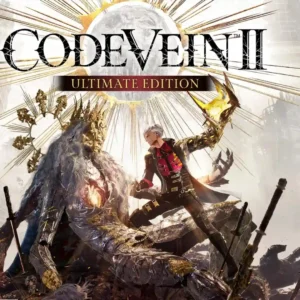
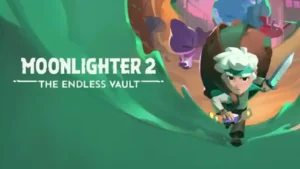
Code Vein II Review
Where It Has the Edge
- upgrade system is 3.9 vs 3.2. Upgrade materials are plentiful enough to support weapon experimentation, and strengthening gear can meaningfully change difficulty. Some reviewers...

Scorata scores summarize analyzed review evidence on a 1–5 scale; they are not laboratory measurements or a simple average of customer star ratings. Feature scores summarize the reviews covering that feature. The overall score averages feature scores within each review, then combines review averages. When both expert and customer evidence are available, those two groups receive equal weight. Products can have different review coverage, so small score gaps do not establish a winner.
Recommendations prioritize important features for the category, with a score of at least 3.5, a gap of at least 0.25 points and at least two supporting reviews per product. Features with widely varying scores or broad connectivity contexts are excluded from recommendations. These safeguards do not establish statistical significance.
Quick verdict
The review evidence points to a tradeoff: upgrade system versus environmental detail and dialogue quality. Choose according to which strengths matter more to you; the overall score alone does not settle that choice.
Choose Code Vein II Review for upgrade system.
Choose Moonlighter 2: The Endless Vault for environmental detail and dialogue quality.
Scores are out of 5. Missing scores mean missing review evidence, not a missing feature.
Large vistas can look striking, but closer inspection exposes muddy textures, clipping, pop-in, and repeated set dressing. Technical clutter also contributes to performance problems in busier areas.
Biomes are visually distinct and full of personality, with different regional looks and combat spaces helping the 3D presentation feel substantial.
The camera is a recurring combat problem, especially when large bosses pin the player near walls or inside cramped arenas and obscure incoming attacks.
The isometric viewpoint keeps fights readable even when enemies begin to crowd the screen.
Movement is generally fast enough for an aggressive action RPG, but some reviews describe weightlessness, delayed dodges, or awkward recovery that can clash with precise boss combat.
Movement is generally lighter, tighter, and more responsive than before, though one player wishes the dodge came out a little faster.
The strongest emotional moments come from bonding with heroes in the past and confronting their corrupted futures. Some reviewers are genuinely moved, while others feel the presentation and thin characterization weaken the intended impact.
The ending is a major weak spot for one detailed critique, with the built-up drama and emotion falling away at the conclusion.
Dialogue quality is uneven. Some reviewers praise localization and character banter, while others call the script generic, melodramatic, schlocky, or overlong.
Dialogue is often witty and occasionally singled out as genuinely great, adding charm even when the broader story remains light.
Several hero arcs and Lou’s growth give the story emotional lift, but some reviewers find side characters rushed or underdeveloped because the campaign moves them in and out quickly.
The story gives its cast some witty moments, but one player found it difficult to become attached to the characters.
Checkpoint placement is generally forgiving around difficult encounters, and post-launch updates add more resurrection points to reduce runbacks further.
One returning player specifically misses the first game's checkpoint-style dungeon mechanics after the sequel's structural overhaul.
The lonely post-apocalyptic setting can be absorbing, but technical hiccups, pop-in, and inconsistent performance repeatedly break the sense of immersion.
Lighter movement, clearer attacks, and the new 3D combat presentation make the moment-to-moment action feel more immersive.
Full runs commonly stretch into dozens of hours, with thorough playthroughs around the 40–60 hour range in several reviews. Whether that feels substantial or overlong depends heavily on tolerance for repetition.
The main experience can comfortably run into the mid-20-hour range or longer, while completion goals and endless modes can push total playtime toward 40-50 hours without exhausting players who enjoy the loop.
The opening is a common weak point: some reviewers appreciate the steady introduction of systems, while others find the early hours slow, tutorial-heavy, or overloaded with jargon.
Mechanical onboarding is generally strong, with complex shop systems introduced gradually. Story onboarding is less consistent, and newcomers may miss context in the brief recap.
Crafting is lightly supported and rarely celebrated; where reviewers discuss it directly, it is often described as underdeveloped or unnecessary next to the stronger upgrade and build systems.
Crafting can feel underwhelming because many options are different versions rather than clearly better upgrades.
Writing is one of the most divisive areas: individual character arcs can be heartfelt and memorable, but generic exposition, anime clichés, and uneven dialogue leave other reviewers cold.
Character interactions can be witty, charming, and well written, but the prose supports a deliberately light story rather than a deep narrative.
Time-travel decisions can alter character outcomes, world states, and endings, giving choices real narrative payoff even when some environmental consequences feel minor in gameplay.
Branching dungeon routes create meaningful tradeoffs, with temporary disadvantages and reward choices making path selection feel consequential.
Exploration can be rewarding when it yields upgrades, side stories, and timeline changes, and some reviewers love wandering the map. Others find large stretches empty, repetitive, or poorly signposted.
The node-based dungeon structure sacrifices some of the free exploration returning players liked in the original. A few players want more room discovery and environmental puzzles.
Enemy repetition is one of the most consistent complaints. Many reviewers say familiar fodder and recycled bosses appear too often, making dungeons less engaging over a long campaign.
Enemy variety is a consistent combat strength, with distinct visual designs, behaviors, and world-specific opponents keeping encounters interesting.
The time-travel structure, partner assimilation, and revised build systems give the sequel genuinely ambitious ideas, even if reviewers disagree on whether execution matches the concepts.
Rather than simply polishing the original, the sequel meaningfully rethinks its structure with 3D combat, relic puzzles, and deeper run-based systems.
The ruined world can feel haunting and melancholy, especially when music and past-versus-present scenery work together, though not every region sustains that mood.
The colorful sci-fi/fantasy blend creates a sweeping, epic atmosphere that helps each region feel distinct.
Visual quality is inconsistent: broad vistas and stylized characters can look impressive, but muddy textures, dated details, pop-in, and uneven fidelity are common criticisms.
The overall 3D presentation is widely considered attractive and modern, although Switch 2 image clarity and larger-screen presentation draw some criticism.
Changing the past can alter terrain, settlements, routes, and NPC outcomes in the present. Reviewers like the concept, though some feel the gameplay consequences are subtler than the premise promises.
Environmental hazards and biome-specific objects add welcome tactical options, letting players knock enemies into traps or use stage elements offensively.
Weapon balance receives scattered criticism, particularly around slower heavy weapons and patch-driven tuning, suggesting some categories feel better supported than others.
The four main weapon styles feel distinct and satisfying, with clear strengths and tradeoffs. Some players want a wider selection, and a few builds can feel overpowered.
Combat has substantial build depth through Blood Codes, Formae, Jails, weapons, and partners, and many reviewers enjoy the resulting experimentation. Others find the underlying action inconsistent, overly forgiving, or insufficiently precise for a Soulslike.
Combat is one of the sequel's clearest strengths: fast, responsive, and satisfying, with stronger build variety and combo flow. A few players still find it either overly brutal or somewhat shallow compared with specialist roguelites.
The anime-gothic look is distinctive to some reviewers, but others find the whites, golds, character styling, and realistic environments visually mismatched or generic.
The cel-shaded 3D makeover is widely praised as colorful, charming, and a natural evolution, though a minority still miss the first game's whimsical pixel art.
Clipping, pop-in, equipment glitches, texture-loading quirks, and other bugs recur across platforms. Later patches address some issues, but reviewers still describe a technically rough experience.
Some bugs remain in the full release, but they were not severe enough to erase the overall enjoyment for the player who highlighted them.
Many of the game’s strongest ideas are held back by rough execution. Camera problems, technical instability, interface quirks, reused content, and inconsistent combat rules leave several reviewers calling the sequel unpolished.
The core package can feel polished and absorbing on PS5, but aliasing and technical roughness on Switch 2 keep the presentation from feeling uniformly finished.
Animation presentation is uneven: some fully animated sequences land well, while static memory scenes and visible presentation quirks undercut dramatic moments.
The move to 3D brings higher-quality character and weapon animations, with exaggerated swings and readable motion that add personality.
Pacing tends to start slowly and improve once the world opens up, but long character arcs, exposition sequences, and repeated content can drag later portions back down.
The alternation between intense dungeon runs and calmer selling sessions creates a strong rhythm. Long loading and a weaker final third can undermine that pacing later on.
Frame-rate instability is the clearest technical weakness across launch coverage, with drops and stutter reported on consoles and PC. Later patches improve some cases, but not every reviewer finds performance fully fixed.
Frame-rate stability is one of the main technical concerns, especially on Switch 2 and Steam Deck. Docked Switch 2 can be stable, and a later patch reportedly brought dungeon combat much closer to a consistent 60fps.
Overall enjoyment is highly mixed. Enthusiastic reviewers find the build experimentation and story hard to put down, while harsher critics describe long stretches as boring, repetitive, or frustrating.
Across formats, the game is repeatedly described as fun, addictive, and difficult to put down, even by players who have clear complaints about repetition or story.
Upgrade materials are plentiful enough to support weapon experimentation, and strengthening gear can meaningfully change difficulty. Some reviewers still dislike the resource competition or how quickly upgrades trivialize content.
There are many meaningful ways to improve Will, the shop, inventory, and weapons, but the volume of upgrade paths can cause choice paralysis and some expensive upgrades feel too subtle.
The game layers familiar Soulslike rules with flexible Blood Codes, Jails, Formae, partners, and timeline systems. Reviewers often like the ideas individually even when they question how cleanly the whole package fits together.
The sequel's shop, combat, relic, and progression systems interlock unusually well, giving a simple premise much more depth than it first appears to have.
The time-travel premise and individual hero arcs are often praised, but the broader plot divides reviewers sharply. Supporters find it emotionally engaging; critics see generic dialogue, exposition-heavy delivery, and uneven endings.
The story works as a light framework for the systems and has some strong opening ideas, but several players find it thin or secondary. The ending receives especially sharp criticism for losing momentum and payoff.
The attack-drain-Formae rhythm gives combat its own identity, rewarding players who cycle Ichor generation and special abilities instead of relying only on basic attacks.
The dungeon-run, loot, sell, and upgrade cycle is the game's biggest success. It repeatedly produces a strong 'one more run' pull even for players who notice grind or story weaknesses.
Blood Codes and gear-driven stats make progression flexible, letting players reshape builds without costly respecs. That freedom is widely praised even when leveling and familiarity systems can encourage sticking with established setups.
Permanent upgrades, run perks, shop growth, and Vault milestones create a deep progression loop that is hard to put down. Early costs and the sheer number of paths can sometimes slow momentum or cause choice paralysis.
Grinding is not a central requirement for every playstyle, though some reviewers note farming materials or experience can quickly overpower content and smooth over difficulty spikes.
Late progression is a recurring concern: repeated gold targets and revisiting the same dungeons can make the second half feel grindy even when smaller upgrades keep progress moving.
As a sequel, it boldly reworks Code Vein rather than simply repeating it. Reviewers praise several expanded systems, but the missing co-op and uneven execution leave some feeling it learned the wrong lessons from the original.
The sequel generally preserves Moonlighter's defining shop-and-dungeon identity while modernizing it, but the magnitude of the changes may alienate players who specifically wanted more of the original structure.
The anime-Souls identity, time travel, and build systems help the game stand apart for some reviewers, while others see too much Elden Ring-style structure and familiar genre borrowing to call it truly distinctive.
The sequel adds meaningful new systems, but some players feel its modern roguelite structure borrows too heavily from genre conventions and lacks the first game's distinctive identity.
The game offers side content and optional encounters beyond the main route, but opinions hinge more on repetition within that content than on the raw amount available.
Enemy sets, relic rules, perks, and gameplay modes provide strong variety early on, but the three-biome structure can wear thin when the campaign asks for repeated runs.
The cast earns substantial praise for memorable heroes and strong personalities, although critics who dislike the anime archetypes find some characters predictable or thinly written.
Tresna's villagers are described as a charming supporting cast that helps make the hub enjoyable to revisit.
Crashes are not the dominant technical complaint, but at least one post-launch report specifically notes that nasty lock-up crashes were fixed.
Several players encountered crashes on Switch 2 and PS5, including an earlier progression-blocking boss crash. A later Switch 2 patch report says that major crash problem was fixed.
Difficulty varies dramatically by reviewer and build. Partners and exploration can make much of the game approachable or even easy, while early, late, and certain boss encounters can spike into frustration or feel unfair.
Challenge is highly context-dependent: some find normal mode punishing, others find later runs too easy, and several praise the risk-reward once they learn the systems. The wide difficulty selection helps smooth those differences.
Loading and transition sequences can interrupt the time-travel storytelling flow, especially when objectives chain short scenes and repeated loads together.
Loading is one of the most consistent complaints, particularly on Switch 2. Stage transitions and repeated shop entries can feel long enough to interrupt the game's otherwise strong rhythm.
Haze tying leveling, upgrades, and purchases together creates meaningful tradeoffs for some players, while others dislike having one resource compete across so many progression needs.
Turning carefully prepared relics into large profits is deeply satisfying, but expensive upgrades and numerous money sinks can make early progress feel tight or overextended.
The terminology and number of overlapping systems can be confusing at first, but many reviewers say the mechanics become easier to grasp once the opening explanations are past.
Relic rules can become convoluted as new biome mechanics stack up, and a misplaced item can be costly. The systems get more enjoyable once bag space and familiarity improve.
The UI can feel overloaded and visually messy, with at least one review comparing it to an MMO screen packed with too much information.
Quality-of-life improvements such as visible base prices, quick pricing, and easy-to-navigate interfaces make the sequel much smoother to manage than the original.
Some objectives and memory sequences become repetitive or over-structured, but stronger character-focused missions and timeline side quests can provide worthwhile payoffs.
The Endless Vault objectives work especially well when they double as gameplay goals and narrative milestones, giving progression a clear structure.
Dungeon and level design is frequently criticized for repetitive corridors, cramped combat spaces, and reused layouts, though a smaller group praises the visual range of individual dungeons.
Dungeon runs use a simple node-based structure that is easy to understand and satisfying for players who prefer focused roguelite runs.
The post-apocalyptic vampire setting and two-timeline structure give the game strong world-building for many reviewers, even when empty spaces and generic environmental details weaken that promise.
Tresna's dimensional-nexus concept and varied inhabitants are appealing, but the world does not always inspire attachment. Some returning players also miss the grounded charm of Rynoka.
Navigation is a recurring frustration. Reviewers criticize unclear elevation, hidden entrances, map markers, and the absence of a useful mini-map, even though fast travel reduces some of the pain.
The branching node map clearly communicates routes and rewards, but at least one returning player feels it disconnects the sequel from the exploratory dungeon feel of the first game.
Character side quests and timeline follow-ups can deepen relationships and unlock better outcomes, while weaker objectives sometimes feel like chores or navigation exercises.
Small side quests are enjoyable and give the town useful optional goals beyond the main Vault progression.
Bosses are one of the sharpest dividing lines. Standout story fights can be satisfying and visually memorable, but repeated bosses, erratic attack patterns, cramped arenas, hitboxes, and unfair-feeling sequences are frequent complaints.
Bosses can be mechanically richer and fun to fight, but some designs feel weaker than the original and a few invulnerability phases are annoying.
General sound presentation receives less attention than the music; where discussed, it ranges from lackluster ambient soundscape criticism to solid combat presentation.
Effects and small vocalizations keep the world from feeling static even without extensive voice acting.
Voice work is generally well received, with several reviewers praising the English cast and standout character performances even when the script itself draws criticism.
The sparse vocalization is a weak point for one player because Will sounds noticeably younger than expected.
Control feel is inconsistent across reviews and versions. Several launch reviews describe input delay or sluggish recovery, while later patches and some reviewers report noticeably tighter, more responsive handling.
Controls are consistently praised as tight, simple, and responsive, helping both movement and combat feel fair even during demanding fights.
The amount of build information can make menus feel busy and MMO-like, and a few interface decisions are called awkward rather than intuitive.
Shop controls are streamlined and quick-pricing features help, but console inventory management can still feel clumsy when moving many relics individually.
Multiple endings, optional hero resolutions, New Game Plus, and flexible builds give clear reasons to replay, especially for players interested in different timeline choices.
Run variety, permanent upgrades, endless modes, and New Game Plus produce strong replay appeal, with several players still chasing another run dozens of hours in.
Recommendations depend heavily on tolerance for technical flaws and repetition. Fans of anime action RPGs and flexible builds often see worthwhile value, while harsher reviewers advise waiting for patches or choosing stronger genre competitors.
The mix of campaign length, replayable runs, and post-game content is repeatedly seen as strong value, with the shopkeeping system alone called worth the price of admission.
Technical optimization is the broadest consensus concern. Reviewers repeatedly report stutter, frame-rate drops, texture issues, and uneven performance across PS5, PS5 Pro, Xbox, and PC, even as patches make incremental gains.
Performance is serviceable on stronger hardware but uneven across platforms, with stutters, frame drops, and loading issues still visible. Post-launch Switch 2 patches show meaningful improvement.
Music is one of the most consistently praised presentation elements, especially boss themes and emotional orchestration. A few reviewers find it unremarkable or occasionally mismatched to scene tone.
Music reception is mixed: some praise energetic dungeon tracks and cozy town themes, while others find the score forgettable or noticeably weaker than the original.
Difficulty choices are a clear strength, with easier settings making the shop-and-dungeon loop more approachable and hardcore modes available for players who want higher stakes.
Enemy patterns become learnable, but at least one player found some attacks unexpectedly hard to read until those behaviors were memorized.
Aiming the gun with the stick and firing with the trigger feels more natural than the alternative control setup.
The interdimensional setting supports a broader mix of character designs, which is seen as a welcome expansion over the first game.
The removal of the original game’s player co-op is widely viewed as a loss. Reviewers who enjoyed Code Vein with friends are especially disappointed that the sequel replaces it with NPC partners.
Partners are a powerful safety net: they draw aggro, deal damage, revive the player, and can be assimilated for buffs. A few reviewers report pathing, blocking, or inconsistent attack behavior that can make them irritating.
The motorcycle makes the large map faster to cross, but its handling is repeatedly called clunky, unwieldy, or awkward despite the convenience it provides.
Challenge runs, endless modes, and New Game Plus give dedicated players plenty to pursue after the main story. The main caveat is that some of this endgame can feel like more of the same gold grind.
Being able to warp back to Tresna at any point is a welcome convenience that lets players bank loot instead of being forced into a bad fight.
Switch 2 handheld play can be enjoyable and visually appealing, but town and crowded-fight slowdowns keep it from being consistently smooth.
Large visual indicators, bright colors, and readable telegraphs make combat information easy to parse during action.
Relic quality, curses, status effects, and dedicated material storage turn loot into a strategic system rather than simple collection. This is one of the sequel's most praised upgrades.
The sequel is standalone and easier to follow than many Soulslikes, with enough lore and glossary support to ground the world. Some reviewers still find the terminology dense or the broader mythology underdeveloped.
The game continues introducing different challenges and surprises as the Vault advances, helping objectives feel less static.
Selling relics remains distinctive and often extremely satisfying, especially with perks, pricing feedback, and furniture bonuses. Some players find it less engaging or less deep than the expanded dungeon side.
The villagers can be charming, but the supporting cast is uneven; one critique says many residents feel defined mainly by their transactions with Will.
Potion progression feels overly restrictive to one returning player because basic capacity must be slowly unlocked through a skill tree.
Character creation is one of the clearest strengths. Reviewers repeatedly praise the unusually granular cosmetic options and the freedom to revisit appearance choices later.
The customizable hunter looks however the player wants, but the silent-protagonist presentation frustrates reviewers who feel it drains chemistry and emotion from major conversations.
Replacing player multiplayer with NPC partners is one of the sequel’s most controversial structural choices. Multiple reviewers call the removal baffling or a step backward from the first game.
The move to an open world creates more freedom and scale, but it is also one of the most disputed changes. Empty stretches, repeated content, invisible barriers, and weak navigation often make the larger format feel less purposeful.
Backpack management is a standout feature, turning every chest into a spatial puzzle about curses, quality, and value. It is deeply satisfying when mastered, though some players find later combinations too convoluted.
Spending time improving Tresna provides a satisfying, calmer counterweight to dungeon combat and helps the two halves of the game stay balanced.

Best for fluid traversal, rewarding exploration, striking art, and forgiving quality-of-life features. Skip it if you want deep combat, radical genre innovation, or consistently demanding bosses.
Pros: difficulty balance, boss design
Cons: innovation, sandbox freedom

Good if you want fast, tactical roguelite combat with huge progression depth, striking art, and standout music. Skip it if repetition, resource micromanagement, or a less emotionally satisfying sequel story...
Pros: combat system, progression system
Cons: originality

Good if you want a beautiful, demanding survival sandbox built around exploration, building, progression, and memorable co-op. Skip it if long resource runs, harsh death recovery, and deliberate pacing sound...
Pros: town-building system, exploration quality
Cons: grind level, fast travel convenience

Best for joyful destruction, dense exploration, and a charming DK-Pauline adventure. Skip it if camera quirks, frame-rate dips, easy bosses, or premium Switch 2 pricing are dealbreakers.
Pros: fun factor, world interactivity
Cons: frame rate stability, boss design