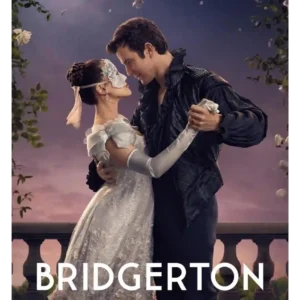

Bridgerton, Season 4
Where It Has the Edge
No clear scored advantage over the other product.

Scorata scores summarize analyzed review evidence on a 1–5 scale; they are not laboratory measurements or a simple average of customer star ratings. Feature scores summarize the reviews covering that feature. The overall score averages feature scores within each review, then combines review averages. When both expert and customer evidence are available, those two groups receive equal weight. Products can have different review coverage, so small score gaps do not establish a winner.
Recommendations prioritize important features for the category, with a score of at least 3.5, a gap of at least 0.25 points and at least two supporting reviews per product. Features with widely varying scores or broad connectivity contexts are excluded from recommendations. These safeguards do not establish statistical significance.
Quick verdict
The available evidence supports the recommendation below, but does not establish an overall winner. Check the remaining features against your priorities.
There is not enough comparable review evidence to recommend Bridgerton, Season 4 over the other product.
Choose Slow Horses, Season 6 for season length and plot clarity.
No clear scored advantage over the other product.
Scores are out of 5. Missing scores mean missing review evidence, not a missing feature.
Part 1 and Part 2 do not always feel seamless; some character and story beats are walked back or redirected in ways that can feel disjointed.
Season 6 leans heavily on the show’s history, bringing back old characters and unresolved consequences while preserving the established tone through a leadership change. Reviewers often saw that continuity as a strength.
Eight episodes feel cramped for the number of romances and subplots in play; some reviewers explicitly argue that an extra episode or two would improve breathing room.
Six episodes continue to feel like a sweet spot for this series. Critics praised the format for avoiding filler, preserving urgency, and still leaving room for plot and character beats.
Netflix’s two-part release is a consistent complaint, with reviewers saying the month-long split interrupts romantic momentum and exaggerates pacing problems.
Reviewers repeatedly celebrated the show’s unusually reliable yearly cadence. The fast turnaround is seen as a major advantage because the story and characters stay fresh in viewers’ minds.
Episodes running around an hour give the ensemble room to breathe, but some reviewers feel the length becomes excessive when plotting is not equally sharp.
The roughly 45-minute episodes were praised for feeling lean and fast without seeming starved of story. The runtime helps the season keep pressure on the plot while avoiding obvious filler.
Benedict’s careless choices are often framed as believable for his established rake persona, even when those choices frustrate viewers.
The established personalities still feel sharply defined, from River’s impulsiveness to Lamb’s abrasive competence and Roddy’s ego. Reviewers praised how well the cast understands those ingrained flaws and rhythms.
The writing improves markedly for some reviewers in Part 2, especially around class and emotional consequence, while others still fault contrivances and repetitive plotting.
The scripts retain the series’ signature sarcasm, wit, and efficient plotting even after the lead-writer change. Reviewers who focused on the writing found the handover impressively smooth.
Convenient misunderstandings and late revelations sometimes strain logic, especially when obvious questions could resolve conflicts much sooner.
The central hunt is easy enough to follow, but combining two novels creates moments where several storylines compete for attention. Some reviewers found the middle stretch harder to track even though the season ultimately pulls the strands together.
Individual episodes can drag when the search, miscommunication or side plots linger, while stronger installments move briskly once the emotional conflicts sharpen.
Most reviewers thought individual episodes moved briskly and efficiently, especially once the season gets going. One premiere review found the opening chapter slower and more cumbersome than usual.
The finale is frequently praised for restoring energy, romance and mystery, but some critics find its solutions too neat or logically strained.
The final cliffhanger is divisive: some reviewers found it breathless and brilliantly effective, while another called it a cheap send-off. Its ability to create urgency for Season 7 is not in doubt.
Pacing is uneven: Part 1 is often called slow or plodding, while Part 2 accelerates sharply and sometimes rushes resolutions.
Most full-season reviews found Season 6 exceptionally propulsive, particularly from the second episode onward. The biggest tradeoff is that the speed can crowd out quieter emotional scenes or make the middle harder to follow.
Episode 8 is one of the strongest-reviewed parts of the season, restoring romance, cleverness and surprise even for critics who struggled with earlier episodes.
The closing stretch drew some of the strongest praise of the season, with multiple critics calling the penultimate episode and finale gripping, brutal, and among the show’s best set pieces.
The class and power-dynamics framing gives the romance more consequence and is often praised for making the season feel more thoughtful than a simple fairy tale.
Defense spending, institutional compromise, media influence, and financial irregularities give the spy plot a recognizable contemporary edge. Critics who highlighted this material found it persuasive rather than decorative.
The season can deliver strong romantic and family drama, though some critics find the soapier turns contrived or low-stakes.
The season’s drama was widely praised for feeling tense, consequential, and emotionally charged. River’s grief and the threat against Slough House give the espionage plot a more personal edge.
Book readers generally appreciate recognizable scenes and careful updates to more uncomfortable material, though adaptation choices still divide reviewers.
Although Season 6 combines and alters material from two Mick Herron novels, critics generally felt it preserves what makes the books and series distinctive. The adaptation changes were usually seen as thoughtful rather than damaging.
The class divide adds welcome grounding, but reviewers differ on whether the show’s fantasy world makes those social barriers feel credible or selectively convenient.
The season often earns praise for making violence feel painful, messy, and grounded, but one critic objected to assassins becoming implausibly ineffective when the plot needed the heroes to survive.
The season shifts between light fairy tale, steamy romance, grief and soapier ensemble drama; that range works for some reviewers but feels uneven to others.
Most critics thought the show still balances brutality, grief, sarcasm, and absurd comedy remarkably well under the new showrunner. A few dissenters felt the humor had dulled, but the broader tonal identity remains intact.
Despite mixed feelings about this season, many reviewers remain eager for Season 5 and the storylines teased by the finale.
Enthusiasm for more Slow Horses remains extremely high among positive reviewers, with some openly hoping the series continues for many more seasons.
Banter and romantic declarations often work well, while clunky exposition and occasional soapier dialogue draw criticism.
The quick, acerbic dialogue remains a standout, with razor-sharp exchanges and dry wit surviving the season’s darker turn. Reviewers especially praised how the banter keeps tension from becoming monotonous.
As a romance, the season works best when it embraces yearning, tenderness and fairy-tale payoff. Its Cinderella framework delights some viewers and feels overly familiar to others.
The season continues to stand out as a distinctive spy thriller by mixing bureaucratic drudgery, messy fieldwork, dark comedy, and grounded danger. Reviewers repeatedly framed that blend as something rival shows do not quite match.
Yearning, class barriers and cliffhangers provide romantic tension, although the guaranteed happy ending and obvious secret identity reduce uncertainty for some viewers.
The assassins, constant pursuit, and uncertainty over who will survive create sustained tension across the season. Reviewers frequently described the run as gripping, anxiety-inducing, and hard to look away from.
Late-season reveals and the revived Whistledown mystery generate strong surprise, even when some reviewers see them as safe callbacks or convenient solutions.
Twists, returns, deaths, and reversals are among the season’s most consistently praised pleasures. Several critics described the run as unusually unpredictable and packed with major turns.
Midseason and finale hooks generally land well, leaving viewers eager to continue and rewarding those who stay through the final credits.
Most critics found the twists and cliffhangers extremely effective at keeping momentum high and setting up Season 7. A minority disliked the final cliffhanger as a send-off even while acknowledging its impact.
The second half earns praise for giving Benedict, Sophie, Violet, Francesca and several supporting characters more growth and emotional dimension.
Returning characters are pushed into new emotional and professional territory, with River’s grief and old relationships receiving particular attention. Reviewers generally welcomed the way the season develops familiar people without rewriting who they are.
Many reviewers see Season 4 as a return toward Bridgerton’s earlier strengths, while others think the franchise formula is visibly wearing out.
Season 6 pays off long-running threads, revives earlier characters, and pushes the larger series story forward. That stronger reliance on prior seasons rewards established viewers more than newcomers.
Benedict and Sophie’s chemistry is one of the clearest points of praise. Some Part 1 reactions found the spark muted, but most felt it grows into convincing yearning and intimacy.
Returning pairings—especially Jack Lowden with Olivia Cooke—were a major highlight, while new character combinations also brought fresh energy. The ensemble’s ability to bounce between bickering, affection, and danger remains a core strength.
Lady Whistledown remains contentious: some welcome the renewed mystery and gossip engine, while others think the concept has outlived its usefulness.
The pressure created by a hostile media figure and Taverner’s public exposure fits naturally into the season’s political machinery. One reviewer specifically praised that political-media dimension for feeling tangible.
Class, autonomy, grief, friendship and the cost of love give Season 4 more thematic weight than its fairy-tale surface suggests.
The season uses grief, disposability, loyalty, and institutional neglect to deepen its spy-story mechanics. River’s mourning and the fate of discarded agents give the thriller more emotional and thematic weight.
The season earns praise when Benedict’s mistakes carry consequences and other characters challenge his assumptions instead of letting him coast past them.
The season’s recurring focus on who accepts blame, who ducks it, and how institutions pass responsibility upward remains a satisfying part of the show’s cynical workplace machinery.
Direction is praised when it heightens romance and visual storytelling, but a few camera and blocking choices miss opportunities in major emotional scenes.
Adam Randall’s direction was repeatedly credited with making the season feel more cinematic, darker, and more intense. His handling of action and visual atmosphere drew especially strong praise.
The central love story earns substantial affection, but the familiar fairy-tale setup and occasional contrivances keep the overall story from being universally embraced.
The broad consensus is that Season 6 tells a strong, often excellent story with personal stakes and relentless danger. More skeptical critics found the core chase repetitive or the underlying mystery merely solid rather than exceptional.
Several reviewers found the season extremely easy to keep watching, including critics who consumed whole batches in one sitting despite reservations about the plotting.
At least one reviewer watched all six episodes in a single sitting, matching the broader sense that the compact, propulsive season is easy to tear through quickly.
Visual storytelling is frequently effective, particularly in the upstairs/downstairs framing, though at least one pivotal emotional scene drew criticism for its camera blocking.
The season’s imagery drew strong praise, from its rain-soaked London atmosphere to more cinematic framing and a cold blue-green palette. Reviewers saw the visuals as a meaningful part of the darker mood.
The Cinderella structure is the season’s most repeated criticism. Even positive reviews acknowledge that the setup is familiar, predictable or deliberately traditional.
Opinions split sharply on freshness. Many critics loved the unpredictability and personal stakes, while dissenters thought the show was recycling familiar faces, chase mechanics, and a formula that has become predictable.
Part 2 is repeatedly described as moving, heartbreaking and tear-inducing, with grief, vulnerability and romantic payoff giving the season substantial emotional weight.
Grief, loss, and old relationships give Season 6 more emotional weight than a typical chase-driven thriller. Several reviewers found the deaths and River’s vulnerability genuinely affecting, though one felt the relentless pace left too little room for intimacy.
Ensemble balance is divisive. Some praise the better-integrated supporting stories, while others think too many subplots repeatedly steal time from Benedict and Sophie.
Several critics liked how Season 6 spreads plot and development around the ensemble, but others felt the large cast and returning favorites sometimes squeeze regular characters out of focus.
Araminta is often praised as a more layered and empathetic villain than the Cinderella template requires, though some late antics still feel cartoonish.
Kyle Soller and MyAnna Buring’s assassins were widely praised as cold, menacing threats, and Hugo Weaving’s Frank remains formidable. One negative review argued that the killers are underwritten and occasionally made implausibly incompetent.
Comic banter, sibling moments and physical comedy provide welcome lightness, with several reviewers calling out genuinely funny scenes.
The caustic workplace comedy and Lamb’s insults still land for most critics, even against a much bleaker story. A few reviewers felt the one-liners were less sharp than in earlier seasons, so the comedy is not universally seen as peak form.
Critical response is mixed-to-positive: the season’s romance and fantasy still appeal, but several published assessments cited in the roundup criticize predictability and lost edge.
Early critical reaction was overwhelmingly positive, with roundup coverage describing Season 6 as one of the series’ strongest outings and highlighting its pace, writing, and performances.
Sophie is especially easy to root for, while Benedict’s charm survives even when reviewers criticize his oblivious or immature decisions.
The Slow Horses remain a collection of abrasive, damaged misfits that viewers have nevertheless grown deeply attached to. That affection makes the season’s danger and deaths hit harder.
The season remains easy to recommend to established Bridgerton fans, though its familiar formula and crowded ensemble may test viewers wanting a sharper reinvention.
Longtime devotees are still well served by the familiar rhythms, callbacks, and returning faces, though one critic warned that viewers less invested in the formula may crave something fresher.
Overall reactions range from delighted to bored, but the season is more often described as engaging, fun and easy to watch than as a total miss.
Even reviews focused only on the premiere generally found it a strong, enjoyable return. Full-season critics repeatedly described the run as compelling, riveting, and easy to stay engaged with.
Enthusiastic fans explicitly describe rewatching or planning full-series rewatches, especially after Part 2’s emotional payoff.
The dense plotting and brisk pace encouraged repeat viewing for some critics, including one who immediately watched the whole season again. Another called it the easiest season to rewatch so far.
The leads carry much of the season’s appeal, with repeated praise for the emotional and romantic work at the center of Benedict and Sophie’s story.
Gary Oldman and Jack Lowden remain major anchors, with reviewers praising Oldman’s lived-in comic menace and Lowden’s more vulnerable, physically demanding work. Both are repeatedly described as delivering some of their strongest material.
Performances are widely treated as a major strength, with multiple critics singling out the cast’s emotional precision and romantic conviction.
Most critics thought the ensemble was operating at a very high level, with several calling the cast’s work among the strongest the series has delivered. Even more mixed season reviews still tended to praise the performances.
Supporting performers receive strong notices, particularly in the Penwood, Francesca/Michaela, Violet and Lady Danbury storylines.
New and returning supporting players were widely praised, with several reviewers saying the additions strengthen the ensemble. Harry Lloyd, Lenny Rush, Kyle Soller, MyAnna Buring, and others drew especially positive notices.
The series remains lush, polished and immediately recognizable, with masquerades, Regencycore pageantry and bright production design continuing to impress.
Rain, muted gray-blue tones, wide surveillance-like compositions, and everyday locations give the season a colder, more cinematic look. Reviewers generally felt the visual shift suited the darker story.
Sets, balls, furnishings and locations remain lavish and immersive overall, despite isolated complaints about artificial-looking environments and green-screen work.
The shabby, ordinary environments remain part of the show’s charm, and the premiere’s shipping-container setting received specific praise for its sad, lived-in detail.
Moving downstairs into servants’ spaces meaningfully broadens the Bridgerton world and makes class differences more tangible than in previous seasons.
The season continues to expand the grimy MI5 ecosystem while keeping its institutional rules, rivalries, and history central to the plot. One review specifically praised the sharp world-building behind the character arcs.
Hugo Weaving’s American accent drew one of the sharpest individual complaints, with one reviewer calling it the worst they had heard from an Australian actor.
The chase scenes, fights, and later set pieces were repeatedly described as inventive, breathless, and unusually cinematic. Several reviewers felt Season 6 pushed the action to a new high without losing the show’s grubby identity.
A conspicuous green-screen moment was singled out as unusually poor, even by an otherwise positive reviewer.
Reviewers appreciate the season’s broader attention to class, race and queer identity, especially Sophie’s perspective and the expansion beyond the ton’s elite.
Long scenes and crowded episodes occasionally feel padded, with critics arguing that tighter editing could sharpen momentum.
The premiere earns praise for efficiently setting up several threats and emotional threads at once. Reviewers also noted that the show can juggle disparate material with surprising smoothness.
The more restrained hair and makeup is generally welcomed after Season 3’s excesses, although Sophie’s styling choices divide opinion.
The opening can feel busy or shaky while it resets the ensemble, but the masquerade quickly establishes the season’s central hook.
One reviewer found the recurring Sony game placement noticeable enough to become distracting rather than invisible background detail.
The string-led scoring continues to heighten yearning and melodrama, though the music is sometimes treated as part of the show’s familiar formula.
The season’s steamy scenes are generally welcomed as part of Bridgerton’s romantic appeal, especially once Part 2 restores the heat that some viewers missed early on.
Season 6 is repeatedly described as the show’s bloodiest and most brutal run, yet positive reviewers felt the violence serves suspense and consequence rather than empty shock value.
The gowns and masquerade looks remain a signature attraction, with frequent praise for detail and spectacle. A minority found some styling overdone or unflattering.
Instrumental pop covers remain a crowd-pleasing signature, with specific praise for arrangements of contemporary songs woven into romantic scenes.

Best for sharp adult humor, magnetic chemistry and a deeply satisfying farewell. Skip it if familiar will-they-won’t-they plotting or deliberately messy leads are dealbreakers.
Pros: humor, writing quality

Choose Widow’s Bay for its dark laughs, richly haunted island and memorable ensemble. Skip it if you need straightforward scares, rapid answers to every mystery or a completely resolved finale.
Pros: humor, genre satisfaction
Cons: ending satisfaction, season pacing

Choose Season 15 for warm, character-driven comedy, meaningful growth, and a finale that rewards longtime fans. Skip it if the short binge format, uneven replacement voices, or occasional clumsy commentary...
Pros: franchise connection, character development

Best for sharply acted, compassionate, high-pressure hospital drama. Skip it if graphic procedures unsettle you or you need a neatly resolved season finale.
Pros: character development, acting performance
Cons: character consistency, dialogue quality