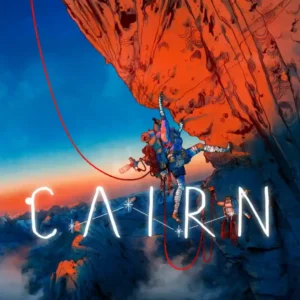
Cairn
Where It Has the Edge
- open-world design is 5.0 vs 4.2. Kami is treated as a largely continuous space with substantial route freedom rather than a sequence of fixed...

Scorata scores summarize analyzed review evidence on a 1–5 scale; they are not laboratory measurements or a simple average of customer star ratings. Feature scores summarize the reviews covering that feature. The overall score averages feature scores within each review, then combines review averages. When both expert and customer evidence are available, those two groups receive equal weight. Products can have different review coverage, so small score gaps do not establish a winner.
Recommendations prioritize important features for the category, with a score of at least 3.5, a gap of at least 0.25 points and at least two supporting reviews per product. Features with widely varying scores or broad connectivity contexts are excluded from recommendations. These safeguards do not establish statistical significance.
Quick verdict
The review evidence points to a tradeoff: open-world design versus value for money and frame rate stability. Choose according to which strengths matter more to you; the overall score alone does not settle that choice.
Choose Cairn for open-world design.
Choose over the hill for value for money and frame rate stability.
Scores are out of 5. Missing scores mean missing review evidence, not a missing feature.
Reviewers who connect with the demanding climb consistently describe it as worth the effort and recommend it strongly, though its narrow, punishing focus makes that recommendation audience-dependent.
The supplied launch price is widely considered good value for this kind of scenic exploration. The strongest recommendations come from players who enjoy unhurried journeys rather than measuring value through constant action.
Alternate routes, missed secrets, harder modes, route tracing, and different endings give reviewers concrete reasons to climb again, though one writer notes some discovery magic fades on repeat ascents.
The first journey offers strong discovery appeal, and some players eagerly return for another trail. Others find limited long-term motivation once familiar maps and repeated meteorite hunts replace fresh discoveries.
The story earns strong praise for its themes of obsession, isolation, and sacrifice, but Aava’s abrasive personality and the slow drip of narrative information divide reviewers.
The lack of a story leaves a sense of emptiness for a player seeking more reason to explore. Even a few characters or side quests could have given solo travel a stronger emotional anchor.
Frame drops and stutters are a recurring technical complaint, particularly in open views and on Steam Deck, even though climbing close to the wall is often steadier.
Frame rates are usually smooth at suitable settings, including many 60fps PC tests. Large vistas and dramatic weather can cause drops, with an occasional more severe multiplayer slowdown.
The gym is a useful practical introduction to limb placement and pitons, but some reviewers still feel important feedback and assist systems are not explained clearly enough.
A brief tutorial introduces gearing and winching without dragging out the opening. Its strongest praise is for explaining useful mechanics without becoming boring or overwhelming.
Content variety is generally viewed positively, though reviewers note some situational limitations or rough edges.
Distinct biomes provide attractive changes of scenery, but the activity set is modest. Repeated crate hunts, similar driving challenges, and limited locations can wear thin.
Bivouacs and pitons make progress feel consequential, but several reviewers think major checkpoints are spaced too far apart during difficult sections.
A failed late-stage maneuver can force a long return from camp. Lengthy trails without a midpoint save make small mistakes unusually costly.
Assist settings are unusually flexible, with fall rewinds, auto-saves, survival toggles, remapping, and subtitle sizing helping players tune the climb. One accessibility-focused review still flags breathing cues as insufficiently represented without sound.
Dedicated accessibility support is limited. The tested demo also caused serious difficulty for one left-handed keyboard setup, making input flexibility an important consideration.
Calls, messages, and brief encounters add human context without constantly interrupting the climb, but Aava’s sharp responses can make the exchanges intentionally uncomfortable.
The mechanic’s brief text dialogue adds a little personality while fitting the gentle tone. Its appeal comes from that light touch rather than extensive conversations.
Handheld impressions are mixed. Some reviewers enjoy the slower pace on Steam Deck or Portal, while others report severe Deck frame-rate problems and fiddlier controls.
The slow pace and scenery work well on portable hardware, with several enthusiastic Steam Deck and Ally X reports. Steam Deck performance is inconsistent across tests, so settings and build matter.
The ascent is intentionally slow and methodical, with calm plateaus breaking up intense walls. For some that rhythm is hypnotic; for others the long stretches become grueling.
Slow travel can make each journey feel substantial and every discovery worth savoring. It can also become a crawl, especially when a nearly cleared map spreads the remaining rewards far apart.
Weather and time of day materially change the climb: rain hurts grip, cold and darkness raise risk, and waiting out conditions becomes part of route strategy.
Persistent tire tracks, deforming terrain, and accumulating mud can make journeys feel tangible. Simplified deformation, occasional odd physics, and unresponsive wildlife sometimes weaken that illusion.
Cairn is intentionally demanding and often thrilling, but opinions split on how often that challenge crosses into frustration. Assists soften the harshest edges without removing the core climb.
Some find an excellent balance of accessible cruising and demanding optional trails. Others find the same terrain either frustratingly slippery or too forgiving to deliver a satisfying off-road challenge.
The basics are approachable and many reviewers settle into the rhythm quickly, but true proficiency comes from learning to read holds, body position, and resource risk over many hours.
Few buttons and straightforward systems make the game easy to pick up. Mastering terrain and making effective upgrades still give newcomers useful skills to develop.
The opening gym teaches the basic climb without much hand-holding. Some reviewers find the controls obvious and the training effective, while others think key systems are underexplained.
The guided introduction generally teaches the basics efficiently. Early encouragement to customize or upgrade the starter vehicle could be clearer, since those improvements can materially ease the opening.
The pull-back route-planning camera is widely valued for scouting and appreciating the climb, though free rotation and visibility can occasionally contribute to frustration.
Adjustable distance and fading trees can make the chase camera useful for scouting. Tight spaces, awkward angles, and the lack of a cockpit view still frustrate some drivers.
Even reviewers who compare Cairn with other climbing games repeatedly stress that its realistic, survival-driven approach feels distinct and difficult to substitute.
A driving adventure built around discovery rather than racing feels refreshing. Its appeal comes from rethinking what makes a vehicle journey worth taking.
Quiet stretches, exposed heights, weather, and restrained music create a meditative but nerve-wracking atmosphere that many reviewers found unusually absorbing.
Warm light, shifting weather, gentle music, and remote scenery create the game’s most consistent attraction. Some players lose that peaceful feeling when isolation, repetition, or frustrating terrain takes over.
Reviewers consistently praise environmental detail, describing it as a strong part of the experience that complements the demanding climb.
Handcrafted terrain, distant scenery, swaying grass, and visible dirt on vehicles reward close attention. The detail helps simple models evoke a convincing outdoor expedition.
Reviewers overwhelmingly praise the physical climbing simulation, where individual limb placement, balance, grip, stamina, and route reading make every few feet feel earned.
Simple gears, recovery tools, and optional challenges keep the driving approachable. Planks and other equipment can be fiddly, and some shortcuts feel less physical than the rest of the game.
The mountain offers substantial freedom in choosing lines, shortcuts, detours, and risk levels, making the route feel like the player’s own rather than a fixed sequence.
The game gives you room to wander, change destinations, and ignore optional tasks. For some, visible checklist markers still create pressure that interrupts the pleasure of simply getting lost.
Limited food, water, backpack space, and pitons keep route choices tense. Reviewers often praise the pressure, though scarcity can make a failed climb especially costly.
Pebbles give exploration a tangible reward, but their generosity feels uneven. Building a second capable truck or upgrading an entire fleet can require far more currency than normal discovery supplies.
The core experience feels carefully made, but recurring clipping, frame issues, odd limb behavior, and occasional crashes keep some reviewers from calling it technically immaculate.
Several accounts praise intuitive tools and carefully finished environments. Another finds mechanical roughness and technical problems serious enough to undermine the tranquil presentation.
Upgrade system is generally viewed positively, though reviewers note some situational limitations or rough edges.
Better engines, tires, suspension, and tool capacity can open demanding routes and transform a weak starter vehicle. Improvements are less convincing for some drivers, while separate upgrades for each truck discourage experimentation.
Detours are consistently rewarded with supplies, caves, lore, striking vistas, and hidden discoveries, giving strong reasons to move sideways as well as upward.
Beautiful viewpoints, hidden routes, wildlife, and unlocks encourage wandering beyond the next hill. Discovery loses momentum for players who want richer unmarked rewards or more varied reasons to keep moving.
The appeal is highly specific but powerful: patient players describe a loop of frustration, focus, relief, and triumph that becomes addictive once the climbing clicks.
Patient exploration and shared rescues produce delight, curiosity, and plenty of laughter for many players. Those who need stronger goals or more satisfying traction can instead become bored or frustrated.
Cairn’s mountain scenery is one of its most consistent strengths, with beautiful vistas, expressive lighting, and a strong sense of scale repeatedly drawing reviewers into photo mode or quiet observation.
Expansive views, rich lighting, and dramatic weather often produce breathtaking scenery. Sparse areas and simple models impress less consistently, especially once the novelty fades.
Planning a route, climbing carefully, managing supplies, recovering at camp, and pushing onward forms a tightly connected loop that most reviewers found compelling and hard to put down.
Picking a destination, finding a route, and collecting a reward can be wonderfully absorbing. Players who need explicit goals or deeper driving systems often find that same loop aimless or thin.
Most runs are playable, but reviewers report clipping, graphical glitches, odd collisions, and occasional more serious bugs; one piton bug required a reinstall.
Some sessions encounter only minor input or visual glitches. Others suffer flying vehicles, equipment falling below the map, or inconsistent physics that materially disrupt difficult routes.
Sunsets, night skies, storms, lightning, and changing light repeatedly turn the ascent into striking visual set pieces without losing the grounded art style.
Sunsets, headlights, snowstorms, and wind-whipped trees bring the restrained graphics to life. Lighting is frequently the element that turns an ordinary drive into a memorable view.
The stylized, illustrated mountain is a major strength: reviewers praise its clean shapes, dramatic lighting, and readable rock surfaces as both beautiful and functional.
Pastel colors, chunky vehicles, and minimalist landscapes give the game a distinctive outdoor identity. The simple style delights most, though a few find it basic or personally unappealing.
Physical animation, breathing, weather, sparse interface, environmental sound, and the slow rhythm of climbing combine into an unusually convincing sense of being on the mountain.
The landscapes, weather, music, and quiet travel can evoke a convincing wilderness expedition. Map interruptions, implausible animal reactions, and missing first-person driving occasionally break the spell.
Survival mechanics is generally viewed positively, though reviewers note some situational limitations or rough edges.
Light decisions about damage, equipment, and whether to wait out a storm give expeditions stakes. They add commitment without turning the experience into demanding resource survival.
The restrained HUD keeps attention on Aava and the rock, which many reviewers find immersive. The tradeoff is that subtle stamina and grip feedback can be hard to read until players learn the cues.
The small wrench indicator is easy to overlook when vehicle damage is not visually obvious. Clearer feedback after collisions would make the vehicle’s condition easier to judge.
Cairn keeps interface elements minimal so the mountain stays visible, a choice reviewers often find elegant and immersive even when it makes some status information less explicit.
Displaying saved photographs as Polaroids on the main menu adds a charming personal touch. It gives collected images a visible place beyond the photography activity itself.
Route planning is a core pleasure, especially with the pulled-back view and found maps, but the lack of explicit guidance can also lead to dead ends and costly backtracking.
Revealing the map and placing clear waypoints can give exploration satisfying direction. Frequent map checks interrupt driving for some, while visible objectives can also spoil aimless wandering.
Kami is treated as a largely continuous space with substantial route freedom rather than a sequence of fixed climbing lanes, giving players room to chart their own ascent.
Large maps convey convincing wilderness while leaving room to choose your own route. Steep terrain can funnel movement more than the open-world premise initially suggests.
Kami feels like a place with history rather than a blank obstacle, thanks to abandoned infrastructure, lost climbers, Troglodyte culture, and stories embedded across the mountain.
The wilderness can make individual journeys feel memorable and worth the effort. Giant sculpted hands and floating islands are less convincing for players who prefer the otherwise natural setting.
Wind, rain, breathing, scraping rock, and other environmental sounds are deliberately prominent, helping sell danger and solitude when the music drops away.
Crunching gravel, squelching mud, engines, wind, and recognizable animal calls form a convincing soundscape. Ambient audio often makes the wilderness feel especially alive.
Each rock face behaves like a physical puzzle, rewarding route reading, experimentation, and patient adjustment rather than a single prescribed solution.
Route finding, recoveries, and difficult climbs turn the landscape into a practical spatial puzzle. Choosing an approach and using equipment well can make reaching a distant ledge feel earned.
Mount Kami works as a long sequence of open-ended climbing problems, with multiple lines, difficult cruxes, plateaus, caves, and optional routes that reward observation rather than markers.
Layered cliffs, narrow tracks, and carefully arranged obstacles create memorable routes through the wilderness. Some later sections become punishing, and not every long trail is equally engaging.
Performance is the clearest technical weakness. Multiple reviewers cite frame drops or instability, with Steam Deck receiving the harshest criticism and some PC/PS5 runs faring better.
Most tested PCs and several handheld setups run well, with later builds improving on the demo. Results vary substantially, and some tests still find demanding hardware use or poor Steam Deck performance.
The soundtrack is generally restrained but highly praised, shifting from quiet ambience to emotional or intense cues without overwhelming the mountain itself.
Acoustic guitar, ambient tracks, and selectable cassettes strongly reinforce the calm mood. The music is a common highlight, although its limited track variety can become repetitive.
The limb-by-limb control scheme becomes intuitive for many players, but automatic limb selection can choose the wrong hand or foot at tense moments and create avoidable falls.
Straightforward controls and sensible button placement make the trucks approachable. Steering can feel slow or slightly awkward, particularly during precise maneuvers.
A varied wildlife collection encourages looking beyond the next crate or trail. Sightings can be sparse, which makes finding a bird or another elusive animal more special.
Dynamic limb animation sells the physical strain of climbing, but reviewers repeatedly notice rubbery contortions, clipping, and unnatural poses that can briefly break the illusion.
Portable camps let you recover, make minor repairs, and wait for daylight or better weather. The system deepens the expedition feel, though placing a camp can be awkward.
Aava’s characterization is deliberately thorny and divisive. Some reviewers see meaningful emotional layers, while others feel her abrasiveness never develops into a satisfying arc.
Route decisions constantly shape the climb, and later narrative choices can lead to different endings; reviewers especially like how personal each ascent can feel.
Convoys, shared anchors, and improvised rescue chains turn difficult terrain into memorable teamwork. Helping friends out of trouble often supplies the game’s funniest and most rewarding moments.
Cosmetic crates, vehicle unlocks, and wildlife discoveries can be powerful reasons to keep exploring. For players who do not value cosmetic rewards, collecting provides much less motivation.
Reviewers consistently praise companion AI, describing it as a strong part of the experience that complements the demanding climb.
Cooking, repairing pitons, taping hands, and preparing supplies stay fairly lightweight. Reviewers generally like that these systems support the climb without becoming elaborate side games.
One completed playthrough reports no crashes. That supports a positive stability experience for that test without establishing a universal result.
Weighty trucks, gear changes, and careful wheel placement give patient driving its appeal. Traction is divisive: some find it tactile and fair, while others struggle with slippery surfaces, sluggish speed, or unpredictable reactions.
The combination of isolation, risk, Aava’s personal story, and hard-earned progress hit many reviewers surprisingly hard; several describe the ending or the climb itself as deeply moving.
Meteorite hunting provides another reason to drive after clearing objectives, but it is a thin main endgame activity. More varied late-game tasks would give the world stronger staying power.
Discovered cabins make useful bases for repairs, resupply, and quick returns to an area. Resting or advancing time also helps avoid poor visibility and unwanted weather.
Fully upgrading many trucks can require repeated meteorite hunts after normal discoveries run out. Repeated spawn locations and modest payouts make that extra farming feel thin.
Controller vibration is especially useful as a physical warning that Aava is slipping or overstrained, and one reviewer calls it crucial to judging danger.
The playful opening and chaotic group rescues add warmth and comedy. Novelty horns and friendly winch mischief can make a difficult trail especially memorable.
The detailed limb-placement system feels fresh even to reviewers familiar with climbing games; several describe it as a breakthrough or a control idea they had not experienced before.
Opinions on load times are mixed, with useful ideas offset by friction that becomes more noticeable during harder stretches.
Notes, abandoned camps, fallen climbers, and Troglodyte remnants give the mountain a layered history that makes optional exploration feel meaningful rather than decorative.
Public lobbies were often empty during one prelaunch test. Finding available players at that stage was harder than simply organizing a group of friends.
Climbing is slow, tactile, and intentionally physical. That weight is central to the satisfaction, although awkward limb behavior sometimes makes movement feel fussier than intended.
The tested co-op sessions generally connect and run smoothly without noticeable lag. The available reports are positive about basic session reliability.
Most overall assessments strongly recommend the distinctive scenic driving adventure. Reservations center on limited depth, frustrating traversal, and a lack of goals rather than its presentation.
Wildlife photography and scenic shots provide a rewarding reason to stop driving. Extensive controls, beautiful light, and rare animal sightings make this one of the most consistently enjoyed side activities.
Revealing the map and improving a favorite truck can feel deeply satisfying. Slow vehicle unlocks and the cost of starting another build often keep players in one truck longer than they would like.
Snow, rain, storms, and changing daylight transform both the scenery and the route ahead. They enrich the wilderness atmosphere, though low visibility and reduced grip can make travel frustrating.
Marco, friends, partners, and other climbers provide useful counterpoints to Aava’s obsession, though most remain secondary to the mountain and her internal struggle.
Solo travel can be therapeutic, quiet, and absorbing for players who enjoy self-directed discovery. Others find the world lonely or insufficiently motivating without friends and shared challenges.
The retro-inspired selection offers plenty of appealing trucks and recognizable shapes. Handling differences can be subtle, and a favorite upgraded vehicle may overshadow the rest.
Quick and manual winching can turn a stuck truck into a satisfying recovery puzzle. Most find it useful and intuitive, although inconsistent pull strength and awkward attachment behavior frustrate some drivers.
Writing is praised most when it explores the cost of obsession and the people left behind, though a few reviewers find the script or character voice less believable.
The relaxing trailer set expectations that one playthrough sharply contradicted. Constant traction struggles made the advertised peaceful outing feel stressful instead.
The radial menu can remain awkward even after extended play. Restrictions while tethered and slow access to the camera can interfere with creative recovery attempts or fleeting animal sightings.
Aava is the most polarizing part of the game: some reviewers find her flawed, human, and compelling, while others describe her as abrasive, unlikeable, or difficult to sympathize with.
A wide range of camping gear, lights, horns, ornaments, and other cosmetics helps make a truck feel personal. Limited paint choices are a smaller reservation amid broad enthusiasm for the playful options.
Voice performances are generally praised for making sparse dialogue count, especially Aava’s exertion, frustration, and emotionally loaded messages.
Challenge trails and vehicle recoveries provide the clearest objectives and some of the best moments. Their appeal varies: towing can feel tedious with weak equipment, and other activities sometimes lack meaningful purpose.
Independent travel lets a group split up when desired, but discovery and objectives are tracked per player. Staying together avoids waiting for friends to repeat tasks you have already completed.
Saving at bivouacs makes progress meaningful, but losing 15–30 minutes after a fall can feel punishing. Optional autosaves and assists help players who want a more forgiving structure.

Best for fluid traversal, rewarding exploration, striking art, and forgiving quality-of-life features. Skip it if you want deep combat, radical genre innovation, or consistently demanding bosses.
Pros: difficulty balance, boss design
Cons: innovation, sandbox freedom

Best for superb combat, inventive builds, and richly voiced characters. Skip it if repeated runs, resource gathering, or visually busy battles outweigh the appeal of steady progress.
Pros: overall quality, combat system
Cons: pacing, grind level

Good if you want a beautiful, demanding survival sandbox built around exploration, building, progression, and memorable co-op. Skip it if long resource runs, harsh death recovery, and deliberate pacing sound...
Pros: town-building system, exploration quality
Cons: grind level, fast travel convenience
Choose Clair Obscur if you want a story-rich RPG with thrilling timed combat, gorgeous art, and standout music. Skip it if poor maps, tight parry timing, or occasional bugs and...
Pros: narrative quality, combat system
Cons: map and navigation design, menu usability