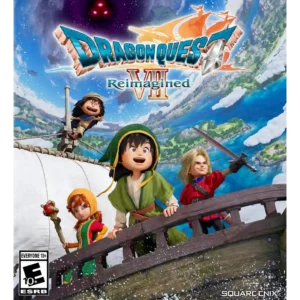
Dragon Quest VII Reimagined
Where It Has the Edge
No clear scored advantage over the other product.

Scorata scores summarize analyzed review evidence on a 1–5 scale; they are not laboratory measurements or a simple average of customer star ratings. Feature scores summarize the reviews covering that feature. The overall score averages feature scores within each review, then combines review averages. When both expert and customer evidence are available, those two groups receive equal weight. Products can have different review coverage, so small score gaps do not establish a winner.
Recommendations prioritize important features for the category, with a score of at least 3.5, a gap of at least 0.25 points and at least two supporting reviews per product. Features with widely varying scores or broad connectivity contexts are excluded from recommendations. These safeguards do not establish statistical significance.
Quick verdict
The available evidence supports the recommendation below, but does not establish an overall winner. Check the remaining features against your priorities.
There is not enough comparable review evidence to recommend Dragon Quest VII Reimagined over the other product.
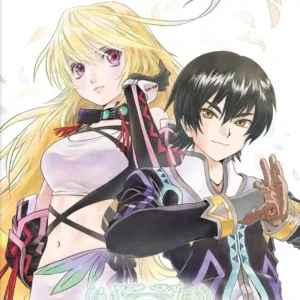
Choose Tales of Xillia Remastered for emotional impact and character roster.
No clear scored advantage over the other product.
Scores are out of 5. Missing scores mean missing review evidence, not a missing feature.
Removing vocation-specific costume changes disappointed players who enjoyed seeing jobs reflected in each character’s appearance.
Build customization is a standout strength. The Lilium Orb, Artes, skills, equipment, and party-link choices let players shape characters into distinct roles without making the system inaccessible.
Controls are generally straightforward, but one Switch-specific button inconsistency can cause unintended dialogue choices.
Controls are generally responsive and flexible once learned, especially in combat, but a few reviewers still find the older control and camera conventions clunky.
The silent hero remains intentionally traditional; one critic found him more like a generic wordless avatar than a compelling personality.
Jude and Milla are both regarded as compelling leads, with reviewers especially responding to Milla's unusual perspective and the contrast between the two protagonists.
Voice acting is one of the most consistent presentation wins, with lively performances and regional accents giving the cast and island cultures more personality.
Voice performances are mostly well received, especially the ensemble cast, but audio quality creates a persistent caveat. Milla's English delivery and compressed or muffled voice recordings are singled out more than once.
Menus and shared inventory are cleaner and faster than older versions, though repeated vocation-management steps can still add friction.
One reviewer specifically praises the character menu as organized and easy to return to between fights.
The island format supplies different locations, predicaments, and tones, helping the long journey stay fresh even when the overall structure repeats.
The remaster loses some original crossover or licensed content, which contributes to the feeling that the package is less complete than it could have been.
The smaller island stories can be surprisingly dark, touching, and resonant. For some longtime fans, trimming content also removes part of the emotional weight they remember.
The cast and story land emotionally for many reviewers, with heartfelt character moments, sacrifice, and relationship arcs giving the adventure lasting warmth despite structural weaknesses.
The episodic islands fit portable play especially well, and Switch 2 and Steam Deck impressions praise the game for short sessions and smooth on-the-go performance.
Portable play is possible, but one detailed comparison recommends Steam Deck or ROG Ally over the Switch versions because of image quality and performance compromises.
The remake preserves a cozy, storybook sense of adventure, with warmth and nostalgia carrying even its darker island stories.
The world's mood is split between cozy, colorful charm and criticism that repetitive spaces fail to captivate. Atmosphere depends heavily on how much the art style and cast carry the environment for the player.
Character and battle animation drew praise for looking smooth and lively within the doll-like presentation.
Animation quality is mixed. Combat can look fluid and energetic, but stiff cutscenes, older facial movement, and dated character animation repeatedly reveal the game's age.
Frequent free healing and generous resources reduce the need to manage supplies carefully, while inexpensive failure penalties further soften the economy.
The shop-leveling economy is distinctive and can make gathering materials feel purposeful, but some reviewers think universal shop inventories and donation requirements overstreamline shopping or encourage unnecessary grind.
Despite major modernization, the game still feels unmistakably like Dragon Quest and retains the original’s spirit for many players. Content cuts make that faithfulness more debatable for purists.
The remaster is praised for faithfully preserving what worked in the original while smoothing rough edges rather than rewriting the game.
The opening gets players into exploration and combat much faster than older versions and is easier for newcomers to follow. Some reviewers still found the first hours slower than they wanted.
Newcomers generally get a friendly entry point through clearer systems and quality-of-life changes, though the Grade Shop appearing immediately can be confusing or overly front-loaded.
The monster roster retains Dragon Quest’s playful personality, with encounters ranging from iconic to delightfully strange.
Enemy variety receives mixed feedback: some reviewers enjoy the range of encounters and memorable foes, while others feel the regular enemy pool becomes repetitive.
The remake usually feels refined and carefully finished, with modern presentation and quality-of-life work that makes an old RPG far easier to play today.
The remaster adds welcome polish and refinement, but reviewers still see visible PS3-era rough edges. The overall presentation is cleaner without feeling rebuilt from the ground up.
Most reviewers found the party charming and easy to travel with, although a few never fully warmed to particular characters or the cast as a whole.
The party is one of the most consistently praised parts of the game. Reviewers love the colorful personalities, chemistry, distinct combat roles, and character arcs, with very few complaints about the core cast.
Lighting, textures, and richer scenery give towns, ruins, and dungeons a more tactile, carefully built appearance.
Environmental detail is a recurring weakness: fields, caves, ports, and connecting areas are often described as bare, repetitive, or low-detail. Strong color and occasional attractive locations soften the criticism but do not erase it.
Moonlighting and the revamped vocation system are major highlights, encouraging flexible dual-job builds and experimentation. The system can unlock too late for some players and can also produce overpowered combinations.
The Lilium Orb progression system is widely praised for being flexible, rewarding, and constantly engaging. Reviewers like choosing stat, skill, and Arte growth instead of following a rigid path.
Load times on Switch 2 were described as very quick, helping travel and repeated battles keep moving.
Loading is dramatically improved on faster platforms and often described as nearly instant. The base Switch version is the main outlier, where longer loads contribute to a slower overall feel.
The modernized turn-based combat is widely liked for its speed, flexibility, Let Loose abilities, and vocation synergies. Auto-battle and low difficulty can make regular fights feel shallower than the underlying systems deserve.
Combat is the clearest strength across the reviews. Linked Artes, character swapping, fast real-time attacks, and build experimentation are repeatedly described as fluid, deep, and fun, though a few reviewers find regular encounters repetitive or simpler than other Tales entries.
Auto-battle, speed controls, instant wins, and reward modifiers can dramatically reduce traditional grinding. Vocation progression and repeated encounters can still feel like a slog depending on settings and play style.
Grinding is highly context-dependent. Grade Shop modifiers can dramatically reduce repetitive leveling, while achievements, trophies, shop leveling, and some midgame progression can still demand busywork.
Restoring an island in the past and revisiting it in the present creates a clear, satisfying rhythm in shorter sessions. Over long stretches, the same cycle can become repetitive.
The main loop can be engaging when combat and progression are clicking, but repetition becomes noticeable over longer sessions.
Early, inexpensive Zoom travel removes a large amount of backtracking and makes the long island-hopping adventure easier to manage.
Fast travel is a useful convenience that cuts down on manual backtracking once locations have been discovered.
Extensive difficulty tuning, auto-battle, speed controls, and guidance make this unusually approachable for a classic JRPG. Several critics warn that the convenience can go far enough to erase meaningful friction.
Modern convenience and accessibility additions are broadly praised, including difficulty settings, remapping, encounter toggles, subtitles, autosave, and clearer navigation. The suite is helpful rather than exhaustive, with at least one reviewer wishing for options such as colorblind modes.
Localization and dialogue often earn praise for humor and personality, but some critics find the writing basic, cheesy, dated, or too archetypal.
Character-focused writing is a major strength, with reviewers praising expressive interactions, themes, and emotional arcs. Even more critical takes usually reserve their complaints for familiar tropes or underdeveloped larger ideas rather than the cast writing.
Most reviewers see this as a strong, often excellent modernization that makes Dragon Quest VII far easier to recommend. Longtime fans are more divided over removed islands, systems, and friction that gave earlier versions their identity.
Most reviewers consider this the definitive or easiest modern way to play Xillia thanks to autosave, markers, faster movement, smoother performance, and bundled extras. The central criticism is ambition: several call it barebones, conservative, or essentially an upscaled port, and the absence of Xillia 2 is repeatedly lamented.
The handcrafted diorama and doll aesthetic is one of the clearest strengths, repeatedly described as gorgeous, charming, and distinctive. A minority found the puppet-like proportions awkward.
The colorful anime-inspired art direction has aged well and helps the game retain charm even when individual models, textures, and environments reveal their PS3 origins.
The visual overhaul is a major success, with polished characters, monsters, towns, and battle scenes that make the old adventure feel contemporary without chasing realism.
Sharper resolution, stronger color, and cleaner presentation make the remaster look noticeably better, especially on PS5 and PC. Reviewers still see dated models, sparse assets, and notably softer image quality on Switch.
Granular difficulty settings let players customize damage, rewards, healing, and enemy strength, yet many experienced reviewers still found the game too easy. The loss of friction is one of the most consistent reservations.
Several reviewers call out difficulty spikes around the middle of the game. The challenge can be managed, but the curve is not always as smooth as the otherwise approachable systems suggest.
Auto-battle is notably competent at handling routine encounters and can even carry tougher fights. That intelligence is convenient, but it also contributes to the sense that the game can play itself.
Linked companions are usually helpful and automate partner abilities smoothly, but one reviewer reports allies wasting resources or positioning poorly against tougher enemies.
Even critics who noted structural problems often described the experience as fun, addictive, or hard to put down. The charm carries the game through many of its slower stretches.
The game is widely described as enjoyable, charming, and easy to keep playing, with combat and party chemistry doing most of the work. Even more critical reviews usually still regard the core game as fun.
Kiefer, Maribel, and other party members have arcs that can resonate, especially around purpose and growing up. Some critics still wanted more time and depth for those journeys.
Character growth is one of the strongest narrative qualities. Reviewers repeatedly praise the way Jude, Milla, Alvin, and the wider party evolve through personal struggles and relationships.
Exploring the diorama worlds can be delightful, especially when hunting treasures and Mini Medals. Heavy guidance and a more compressed world can reduce the satisfaction of discovering things unaided.
Exploration benefits from faster movement, marked objectives, treasure indicators, and optional detours, but repetitive fields and backtracking keep it from being a universal strength.
The strongest storytelling comes from self-contained island vignettes that range from funny to dark and emotionally affecting. The larger plot takes longer to cohere, so story quality can feel uneven across the full journey.
The story is generally liked for its emotional themes, political conflict, and character focus, but opinion is not unanimous. Some reviewers find it layered and gripping, while others call parts predictable, underdeveloped, or weaker than the cast.
Switch 2 and PC/handheld impressions are largely smooth, often at 60fps. A few reviewers noticed minor frame-pacing or cutscene hitches rather than major instability.
PS5 and PC are repeatedly praised for smooth, stable frame rates, often at 60 FPS or better. Switch impressions are substantially weaker, with a 30 FPS cap and dips in busier areas.
This is still a substantial JRPG even after major cuts. Some reviewers welcome the large amount of adventure, while others feel the streamlined version still runs longer than its strongest material can support.
A first run generally lands around the mid-30-hour range, which some find comfortable and others find daunting when considering a second protagonist playthrough.
Clear systems, forgiving turn-based play, and extensive convenience options make this one of the easier Dragon Quest entries for newcomers to understand.
Combat has a learning curve, but reviewers repeatedly say it becomes intuitive with practice and rewards players who keep experimenting.
The scanned-doll approach can limit facial nuance, with some characters reading more like puppets than fully expressive performers.
Facial animation still looks stiff and dated in the remaster, limiting how modern the presentation feels.
Traversal feels smooth and unencumbered, helping the smaller diorama spaces stay pleasant to move through.
The added dash and faster traversal noticeably improve movement, making the older world quicker and more pleasant to navigate.
Streamlining fixes a great deal of the original’s notorious slowness, but pacing remains the most common structural criticism. Repeated island loops, late system unlocks, and long stretches of errands can still drag.
Pacing is a recurring concern, especially through the middle of the game where cutscenes, formulaic progression, or repeated structure can slow momentum. A few reviewers still find the overall story flow strong.
New tutorials and clearer early guidance help newcomers understand the game without the opaque start associated with older versions.
Tutorials are consistently regarded as helpful, making layered combat mechanics understandable as they are introduced.
Modern spell and battle effects add energy without slowing combat down, giving the turn-based fights more visual punch.
Battle effects are praised for looking dramatic and lively, helping combat pop visually.
This is a focused, island-based adventure rather than a free-roaming world, and players who value getting sidetracked may find the small, linear spaces restrictive.
One reviewer specifically enjoyed the open map structure, side quests, and tucked-away areas, finding that they add to the sense of adventure.
Battle and interface effects fit the bright, cartoon-like presentation and reinforce the series’ familiar audio identity.
Sound design is uneven. Effects and music can be crisp and immersive, but English voice compression, muffled clips, and occasional mixing problems are repeated complaints.
Markers, lists, and hints make fragments and objectives far easier to track. The downside is aggressive handholding, especially where guidance cannot be fully disabled.
New objective, event, and treasure markers are broadly useful, but the map itself can become confusing in multi-level areas where icons overlap or elevation is awkward to read.
Puzzles are easy to read and rarely block progress, which suits beginners but leaves experienced players wishing for more demanding solutions.
Puzzle and dungeon interactions draw mixed reactions: some reviewers appreciate the occasional environmental tasks, while others criticize the game for lacking substantial traditional puzzles.
Repeated fetch work is one of the places where the old-school structure still feels tedious despite the broader streamlining.
Side quests are commonly described as basic, repetitive, or fetch-heavy. A few have worthwhile narrative context, but their structure rarely matches the quality of the main cast and combat.
The interface is neat, tidy, and pleasant to navigate, making commands and equipment management much easier to handle.
The interface is cleaner and more usable for some reviewers, while others still find portions dated or awkward, particularly settings buried too deeply in menus.
Distinct island cultures and visual personality give the world charm, though aggressive cuts can thin out some of the connective texture longtime fans valued.
One reviewer strongly praises the way political context and skits make Rieze Maxia feel lived-in rather than merely decorative.
The polished presentation gives returning fans a strong reason to revisit the story, although not everyone felt motivated to keep exploring optional content after the credits.
Two protagonists, New Game+, and Grade Shop modifiers give the game real replay potential. The tradeoff is that several reviewers feel Jude and Milla's routes overlap too heavily to justify another full-length run.
The lack of a Switch upgrade path and save-data transfer frustrated players who might later move from the original Switch version to Switch 2.
Platform parity is a weak point. Switch and Switch 2 users do not receive the same frame-rate and visual experience available on PS5 and PC, and reviewers wanted a more capable native Switch 2 version.
One newcomer considered the $60 package a good way to experience the story with modern conveniences and a much lower time commitment than older versions.
Value is positive for many reviewers who see a strong JRPG and useful upgrades at a mid-range price. Others think the package asks too much for such a conservative remaster, and premium-edition value draws additional criticism.
The orchestral score is widely loved and strongly reinforces the adventurous, nostalgic mood. A few reviewers found repeated themes tiring over such a long game.
The soundtrack is one of the most dependable audiovisual strengths, with energetic battle themes, melodic town music, and orchestral pieces repeatedly singled out for praise.
Across the tested platforms, performance is generally smooth and stable, with reviewers reporting few serious technical problems.
Performance is strong on PS5 and PC in most reviews, with smooth play and responsive combat. Switch is the clear exception, where lower image quality, frame-rate limits, and sluggishness receive criticism.
The simple systems and forgiving puzzle design were seen as friendly for younger or first-time JRPG players. That same simplicity can leave experienced players under-stimulated.
One reviewer finds enemy AI too passive, reducing the pressure and tactical demand of some fights.
Technical issues vary by platform and reviewer. Most are minor or non-game-breaking, but reported problems include subtitle behavior, audio drops, visual glitches, high-frame-rate bugs, and severe pop-in in older-source impressions.
Camera behavior remains somewhat dated, with occasional clunky movement or obstructed views in combat, though not every reviewer finds it troublesome.
The dual-protagonist choice sounds more consequential than it often feels. Some reviewers enjoy the different viewpoints and replay motivation, but many say Jude and Milla share too much of the same story for the choice to transform the campaign.
The vocation system is flexible, but some powerful jobs and combinations can overwhelm the intended challenge.
One reviewer highlights the game's co-op capability as a meaningful way to share battles with other players.
Skits and party banter are repeatedly praised for humor, chemistry, and characterization. Repeated lines and occasional slow or awkward exchanges are the main drawbacks.
Post-game bosses provide some of the strongest mechanical challenge, finally demanding careful class choices, equipment, and tactics.
The underlying gameplay hooked the reviewer quickly, with its systems feeling immediately engaging rather than merely functional.
Clearer directional and objective information makes navigation easier to understand at a glance.
Crisp effects and environmental audio help one reviewer feel more immersed in the world and battles.
The dual-protagonist structure and combat ideas are credited as meaningful innovations for the series, even though later reviewers debate how fully those ideas were realized.
One reviewer wanted the game's interesting ideas and lore explored more deeply, finding too much of the world-building left at a surface level.
One retrospective view treats Xillia as an unusually distinctive step for the series, crediting it with an identity that stood out in its era.
Pausing cutscenes has a specific technical flaw in one review: resuming can cause the voice audio to drop out.
The island vignettes introduce supporting characters that can be easy to care about even when the party only spends a short time with them.
The skill-tree-style Lilium Orb offers meaningful build freedom and depth for most reviewers, although one critique finds parts of the progression less satisfying than they first appear.
Upgrade systems are mixed: character and replay modifiers can be useful and flexible, but immediate Grade Shop access can undermine the intended progression and sense of earning upgrades.
Warmer, livelier towns and more detailed spaces make the rebuilt world feel less static than its older incarnations.
Bosses are often a combat highlight and can be memorable, but their quality is uneven; some rely on inflated health, stun-heavy behavior, or disruptive armor mechanics.
Level design is one of the most consistent weak points. Reviewers repeatedly call dungeons and field areas linear, samey, or visually repetitive, even when individual locations or gimmicks work well.
Early tablet-fragment hunting can feel mundane when rare pieces are simply collected rather than earned through memorable fights, puzzles, or side missions.
Bundled costumes and legacy DLC are viewed as a welcome bonus, especially when included without extra cost, although some licensed items could not return.
Autosave is one of the most consistently appreciated additions, reducing the risk of lost progress and making long stretches between manual saves far less stressful.
Good if you want fast, tactical roguelite combat with huge progression depth, striking art, and standout music. Skip it if repetition, resource micromanagement, or a less emotionally satisfying sequel story...
Pros: skill tree depth, dialogue quality
Cons: emotional impact, economy and resource balance
Good if you want a beautiful, demanding survival sandbox built around exploration, building, progression, and memorable co-op. Skip it if long resource runs, harsh death recovery, and deliberate pacing sound...
Pros: core gameplay loop, movement feel
Cons: economy and resource balance, map and navigation design
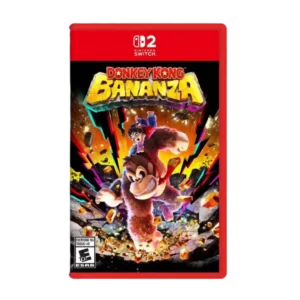
Best for joyful destruction, dense exploration, and a charming DK-Pauline adventure. Skip it if camera quirks, frame-rate dips, easy bosses, or premium Switch 2 pricing are dealbreakers.
Pros: gameplay mechanics, world interactivity
Cons: economy and resource balance, enemy variety
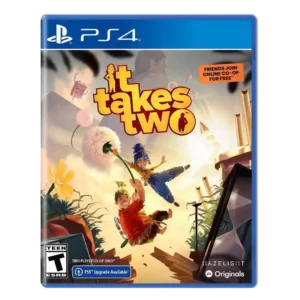
Best for joyful, inventive co-op with a partner, especially on couch. Skip it if divorce themes, uneven story tone, or Switch visual compromises would distract you.
Pros: core gameplay loop, movement feel
Cons: character development, dialogue quality