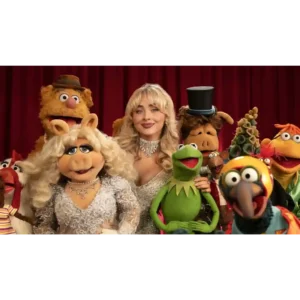

The Muppet Show (2026)
Where It Has the Edge
No clear scored advantage over the other product.

Scorata scores summarize analyzed review evidence on a 1–5 scale; they are not laboratory measurements or a simple average of customer star ratings. Feature scores summarize the reviews covering that feature. The overall score averages feature scores within each review, then combines review averages. When both expert and customer evidence are available, those two groups receive equal weight. Products can have different review coverage, so small score gaps do not establish a winner.
Recommendations prioritize important features for the category, with a score of at least 3.5, a gap of at least 0.25 points and at least two supporting reviews per product. Features with widely varying scores or broad connectivity contexts are excluded from recommendations. These safeguards do not establish statistical significance.
Quick verdict
The available evidence supports the recommendation below, but does not establish an overall winner. Check the remaining features against your priorities.
There is not enough comparable review evidence to recommend The Muppet Show (2026) over the other product.
Choose Small Prophets for visual style and writing quality.
No clear scored advantage over the other product.
Scores are out of 5. Missing scores mean missing review evidence, not a missing feature.
The short runtime cannot fully serve such a large ensemble. Several reviewers specifically want more Fozzie, Gonzo, Animal, Electric Mayhem and other favorites.
Even minor eccentrics receive attention, and the ensemble rarely feels wasted. Broad personalities generally support the central story without overwhelming it.
The only explicit language concern is light profanity, treated as a minor part of an otherwise restrained family-oriented special.
One assessment approves teen suitability while describing mild language. The supplied season review separately identifies adult language, so the comfort-watch tone does not establish mildness.
The simple overbooking storyline gives the sketches connective tissue and a clear payoff, but some reviewers find the emotional climax forced or underdeveloped.
A strange shed experiment becomes an affecting story about loss and accepting help. Occasional loose narrative threads and a convenient lottery solution temper the enthusiasm.
The core remains warm, silly family entertainment, but subtle adult jokes, slapstick and a few darker gags mean some reviewers recommend parental awareness for younger kids.
Shared viewing with older teens is recommended for discussion of hope, loss, and care. The gentle presentation should not be confused with programming for young children.
The violence is mostly comic slapstick, but bottle hits, dangerous stunts and Beaker’s eye gag prompt some concern for the youngest viewers.
One assessment approves the show as suitable for teens while describing it as nonviolent. Other supplied accounts describe robbery, threats, and a creature attack, limiting that suitability claim.
Modern camera movement and framing give the stage show a cleaner 2026 presentation without abandoning its television-variety-show feel.
A precisely framed bucket joke and cozy shed lighting receive praise. Visual choices support comedy as well as atmosphere.
The old-fashioned sketch-and-music variety format is widely judged to be the right home for these characters, with only limited concern that it may feel dated to new audiences.
The fantasy works best as a gentle comedy about ordinary lives. Handmade magic adds wonder while keeping the people at its center.
The script captures the broad Muppet formula and character rhythm, but several reviewers think individual sketches and punchlines still need refinement.
The video assessment strongly praises the script for making the cast convincing and leaving an appetite for more.
The ending is divisive: many find the ensemble number joyous or touching, while others call the emotional buildup schmaltzy, compressed or insufficiently earned.
The ending moves Michael forward and lands an emotional punch. It supplies meaningful answers while leaving the larger mystery for another season.
Carpenter’s rapport with Miss Piggy is a standout, with reviewers praising how comfortably the guest performers play inside the Muppets’ chaotic ensemble.
The ensemble works naturally together, especially the unlikely central pair and the father-son scenes. Their warmth makes the quieter passages rewarding.
The special intentionally avoids reinvention, favoring a safe recreation of the classic formula; reviewers mostly accept that choice while hoping a full series would experiment more.
Alchemy in a suburban shed strikes most assessments as unusually inspired. One sees charming absurdity rather than a groundbreaking concept.
The variety-show momentum is energetic and often praised, though the rapid jumps between bits can feel rushed or overwhelming for newcomers.
The gentle rhythm suits comfort viewing and observational comedy. Some episodes struggle to balance several narrative layers.
Alex Timbers’ stage-comedy experience is credited with helping the special handle live-show energy, sketches and puppetry with confidence.
Crook’s patient observation and restraint keep the fantasy from becoming twee. Small visual and behavioral details carry much of the comedy and feeling.
The roughly half-hour runtime keeps the special brisk, but many reviewers think it leaves too little room for the huge character roster and makes them want more.
The half-hour pilot is judged ideal for a comfortable watch.
The puppetry is repeatedly praised as technically impressive, with practical character work and physical staging helping the revival feel handmade rather than overly polished.
The homunculi’s handmade appearance is a major strength. Physical creatures fit the cluttered shed and preserve the story’s intimacy.
The overbooking story is intentionally simple, but the sheer speed and oddity of the sketch transitions can make the episode feel confusing to viewers unfamiliar with the format.
Many unusual developments are praised as rational once revealed. Other assessments criticize loose narrative layers and the central mystery’s incomplete explanation.
As a test for a possible full series, the special is widely seen as a successful and promising proof of concept, with room to refine the weaker sketches.
The pilot offers an interesting slice-of-life setup with a fun lead. Its gentle pacing suggests promising comfort viewing.
Nostalgia, warmth and the closing musical beat land strongly for many reviewers, although a minority find the sentimentality pushed too hard.
Grief, friendship, and the father’s fading memory give the comedy its emotional weight. Quiet scenes leave many assessments feeling moved and hopeful.
Demand for more is emphatic across the reviews: many explicitly ask for additional specials or a full series and describe the one-off format as the biggest limitation.
Several assessments strongly want more, while another would welcome a return without feeling dependent on it. The continuing search provides a reason to revisit the characters.
Beneath the silliness, reviewers pick up warmth, friendship, cooperation and sincerity; those themes work best when they emerge naturally rather than through overt sentiment.
Loneliness, grief, decency, and connection supply depth beneath the whimsy. The series repeatedly finds hope in small relationships and everyday care.
The classic mix of stage acts, musical numbers and backstage overbooking works well as a simple framework for the chaos, even when individual sketches vary.
Compact episodes and interlocking arcs earn praise. One assessment finds the layered plotting less satisfyingly connected.
Adult material is mostly limited to quick innuendo and double entendre that reviewers say will often pass over kids’ heads, though a few dislike specific jokes.
One assessment welcomes teen suitability and describes sexual material as limited to references to a past relationship.
Most reviewers laugh often and praise the character comedy, slapstick and wordplay, but several note flat sketches, uneven punchlines or jokes that need another pass.
Dry workplace wind-ups, nosy neighbors, and recurring visual gags draw strong praise. The gentle approach can also feel juvenile or too quirky for some tastes.
Most reviewers think the special balances classic silliness, modern references and light adult edge well, though a few feel individual bits drift away from the precise old-show tone.
The series balances sadness, dry comedy, and fantasy with unusual restraint. Its matter-of-fact approach keeps the magic from overwhelming the human story.
The characters mostly behave like their classic selves, which helps the special feel authentic even when some voices and newer bits differ from memory.
The characters stay recognizable even as impossible events accumulate. Eccentric behavior usually feels rooted in ordinary life rather than arbitrary weirdness.
Veteran Muppet performers draw strong praise for puppetry and character work, but Kermit’s changed voice is the most persistent performance complaint.
Quigley’s restrained melancholy and Patel’s warmth carry the central relationship. The leads turn quiet conversations into the show’s strongest moments.
The musical numbers are a major source of fun, especially Carpenter’s performances and the ensemble material, though the Rizzo number and compressed finale draw mixed reactions.
A timeless musical approach suits the blend of ordinary life and fairytale atmosphere.
Sabrina Carpenter is repeatedly singled out as an unusually natural guest, while the human cameos generally support rather than overpower the Muppets.
Deadpan humor and heartfelt performances make the eccentric cast feel human. A few broader supporting turns attract criticism for exaggerated delivery.
Maya Rudolph and Seth Rogen are generally enjoyed as brief additions, with Rudolph in particular earning repeated laughs without pulling focus from the Muppets.
Palin’s tender father and the comic neighbors give the small ensemble substantial appeal. Some neighbor scenes strike one assessment as excessive mugging.
A handful of reviewers mention watching the special multiple times or immediately wanting to revisit it, suggesting strong repeat appeal among enthusiastic fans.
The gentle jokes are said to improve with time, suggesting rewards beyond their first delivery.
Across the set, the special is repeatedly called fun, delightful and easy to enjoy; even several mixed reviews still find plenty to smile or laugh at.
The show earns broad enthusiasm as warm, distinctive comfort viewing. One assessment finds it thoroughly pleasant rather than essential.
Most reviewers see the special as broadly accessible to kids, but several flag moments that may puzzle or unsettle younger children.
One assessment recommends the mature themes for teens and older viewers. Its suitability judgment is positive, though other supplied descriptions mention adult language and threatening scenes.
The revival is widely seen as capable of pleasing longtime fans while giving newer viewers an accessible entry point, though a few question whether the old-school format will hook younger audiences.
Fans of gentle British comedy and eccentric characters are the clearest fit. Viewers wanting darker wit or a fast detective story may find the approach too mild.
Reviewers respond warmly to the returning ensemble, often describing the Muppets as beloved friends whose familiar personalities remain easy to enjoy.
The oddballs and even the antagonists are often lovable. Michael’s warmth emerges gradually, though his treatment of customers can still irritate.
The widescreen, polished presentation updates the look while preserving the theatrical, practical feel that reviewers associate with classic Muppets.
The suburban house and shed mix cozy everyday clutter with fairytale strangeness. Handmade animation and understated detail give the magic a distinctive texture.
Busy backstage scenes, obscure returning characters and a mixed human-Muppet audience make the theater feel populated and alive beyond the central cast.
The cul-de-sac creates an engaging world of suspicion, clutter, and gentle peculiarity. Its ordinary details make the magical intrusions feel more surprising.
The rebuilt theater, backstage spaces, props and stage presentation earn strong approval for making the special look convincingly rooted in the classic show.
The cluttered house, preserved Christmas room, and atmospheric shed explain Michael’s attachment to the past. Ordinary objects help the fantasy feel tangible.
Stop-motion gives the creatures a delicate, beautiful, tangible presence. Their handmade fragility supports both wonder and the finale’s stakes.
One assessment happily finished the season in a sitting as episodes flowed together. Another recommends taking time to savor the short run.
The ensemble is a clear attraction, with Quigley’s promotion to the lead especially welcomed. The choice of actors supports the show’s humane tone.
The blended creature work is praised for careful execution. CGI supports a puppetry-like result rather than overpowering the human story.
Michael’s gradual openness and his growing friendship provide meaningful movement. Kacey’s backstory is less fully developed, and some narrative layers remain thin.
The continuation leaves room for more and works for some viewers. Others qualify their satisfaction because the disappearance remains incompletely explained.
Suburban Manchester and British working-class life feel comfortably lived in. Ordinary jobs, gardens, and neighborhood habits help ground the fantasy.
The banter and heckling produce several sharp laughs, but some reviewers find individual lines, especially a few Statler-and-Waldorf or Piggy exchanges, underpolished.
The father’s memory loss is depicted with tenderness and emotional consequence. Palin’s portrayal avoids reducing him to a joke.
One reviewer specifically criticizes the compressed final musical number, saying its cut-down form makes the cadence feel awkward.
The show’s humane approach respects grief and memory loss. Emotional maturity is praised without a sense of gratuitous suffering.
This is the clearest point of agreement: reviewers say the revival faithfully restores the original theater, format, character dynamics and vaudeville spirit without overmodernizing them.
Meta jokes about the show’s own revival, production and possible future fit naturally with the Muppets’ self-aware style and are frequently praised.
The special leans heavily into Muppet history and nostalgia, with reviewers generally feeling that the callbacks reconnect the characters to their strongest television identity.
Michael and Kacey’s friendship is the emotional centerpiece, growing through practical help and shared curiosity. Its platonic nature is repeatedly praised.
One assessment sharply criticizes Roy’s wig for looking terrible and announcing his villainous role too obviously.
One assessment values the way social critique remains tied to enduring questions of love, loss, and decency.
Unexpected turns are praised for remaining emotionally credible. The absurd and the moving often arrive together without easy predictability.
The alchemical project gives Michael a task beyond waiting. His eventual decision to act is welcomed as satisfying progress.
Recognizable people and mundane routines make the impossible premise convincing. The warmth generally feels earned, though some supporting portrayals are broad.
The central relationship stays platonic, a decision repeatedly welcomed. Michael can accept companionship without being pushed to replace his missing partner.
The music is appreciated for its timeless character and lack of distracting contemporary references.
The finale earns its chaotic escalation and emotional decision. Convenient lottery money and the continuing search leave reservations alongside the payoff.
The six-episode format is praised as compact and free of filler. An enthusiastic video assessment wishes there were more episodes.
Most assessments welcome the patient slow burn and compact escalation. One finds uneven plotting, while another recommends savoring the episodes rather than rushing through them.
Creature effects are celebrated for making the magic feel real within ordinary surroundings. The restrained approach leaves conversations at the center.
Neighborhood suspicion and the creatures’ limited time create effective stakes. The mystery remains a quiet human story rather than a conspiracy thriller.
Unresolved loss is treated through believable routines, objects, and small acts of care. The show finds hope without making Michael’s grief a caricature.
Antagonists can be warmly lovable rather than malicious. Roy’s broad presentation also draws criticism for making his role too obvious.
The critic roundup is broadly positive, describing the special as silly and joyous while still noting reservations about Kermit’s voice and generational appeal.
The laugh track is sharply divisive: one review calls the canned laughter obnoxious, while another feels it helps recreate the original show’s atmosphere.

Best for sharp adult humor, magnetic chemistry and a deeply satisfying farewell. Skip it if familiar will-they-won’t-they plotting or deliberately messy leads are dealbreakers.
Pros: humor, writing quality

Choose Widow’s Bay for its dark laughs, richly haunted island and memorable ensemble. Skip it if you need straightforward scares, rapid answers to every mystery or a completely resolved finale.
Pros: humor, genre satisfaction
Cons: ending satisfaction, season pacing

Choose Season 15 for warm, character-driven comedy, meaningful growth, and a finale that rewards longtime fans. Skip it if the short binge format, uneven replacement voices, or occasional clumsy commentary...
Pros: franchise connection, character development

Best for sharply acted, compassionate, high-pressure hospital drama. Skip it if graphic procedures unsettle you or you need a neatly resolved season finale.
Pros: character development, acting performance
Cons: character consistency, dialogue quality