The Muppet Show (2026)
Where It Has the Edge
No clear scored advantage over the other product.

Scorata scores summarize analyzed review evidence on a 1–5 scale; they are not laboratory measurements or a simple average of customer star ratings. Feature scores summarize the reviews covering that feature. The overall score averages feature scores within each review, then combines review averages. When both expert and customer evidence are available, those two groups receive equal weight. Products can have different review coverage, so small score gaps do not establish a winner.
Recommendations prioritize important features for the category, with a score of at least 3.5, a gap of at least 0.25 points and at least two supporting reviews per product. Features with widely varying scores or broad connectivity contexts are excluded from recommendations. These safeguards do not establish statistical significance.
Quick verdict
The available evidence supports the recommendation below, but does not establish an overall winner. Check the remaining features against your priorities.
There is not enough comparable review evidence to recommend The Muppet Show (2026) over the other product.
Choose DTF St. Louis for character appeal and writing quality.
No clear scored advantage over the other product.
Scores are out of 5. Missing scores mean missing review evidence, not a missing feature.
One reviewer specifically criticizes the compressed final musical number, saying its cut-down form makes the cadence feel awkward.
The nonlinear cutting is repeatedly praised for making flashbacks and flashforwards feel purposeful and for adding to the mystery rather than simply scrambling chronology.
The characters mostly behave like their classic selves, which helps the special feel authentic even when some voices and newer bits differ from memory.
One critic felt Floyd’s willingness to cheat clashes with the kindness established elsewhere, making that choice feel out of character.
The roughly half-hour runtime keeps the special brisk, but many reviewers think it leaves too little room for the huge character roster and makes them want more.
One full-season reviewer felt several near-hour episodes contained too much material that did not advance the characters or mystery, making the runtime feel padded.
The overbooking story is intentionally simple, but the sheer speed and oddity of the sketch transitions can make the episode feel confusing to viewers unfamiliar with the format.
The nonlinear mystery becomes clearer after the first episode for some viewers, but the harshest review finds the narrative unable to cohere at all.
The variety-show momentum is energetic and often praised, though the rapid jumps between bits can feel rushed or overwhelming for newcomers.
Pacing is a recurring weakness. Several critics say the mystery scenes stall momentum or the early episodes take too long to click, although one review appreciates the deliberate slow-burn buildup.
The only explicit language concern is light profanity, treated as a minor part of an otherwise restrained family-oriented special.
The sexually explicit talk is treated as deliberately excessive but amusing; one critic finds its blunt phrasing part of the show’s comic appeal rather than a drawback.
The simple overbooking storyline gives the sketches connective tissue and a clear payoff, but some reviewers find the emotional climax forced or underdeveloped.
The broader story draws some of the harshest disagreement. Supporters see a fresh, well-written mystery about loneliness, while detractors think the crime framework stretches or obscures stronger character material.
The old-fashioned sketch-and-music variety format is widely judged to be the right home for these characters, with only limited concern that it may feel dated to new audiences.
The dark comedy and character drama generally fare better than the murder-mystery machinery. Some critics call the blend ideal, while others think the crime framework is conventional, distracting, or unnecessary.
As a test for a possible full series, the special is widely seen as a successful and promising proof of concept, with room to refine the weaker sketches.
The premiere sharply divides reviewers. One calls it especially strong, while several others find the opening disjointed or off-putting before the series improves in episode two and beyond.
Adult material is mostly limited to quick innuendo and double entendre that reviewers say will often pass over kids’ heads, though a few dislike specific jokes.
The series talks explicitly about sex and kink, but a positive review praises its nonjudgmental empathy and its refusal to make unusual preferences the punchline.
Modern camera movement and framing give the stage show a cleaner 2026 presentation without abandoning its television-variety-show feel.
The visual work is widely admired for careful framing, desaturated suburban spaces, sharp lighting contrasts, and compositions that reinforce the show’s emotional chill.
Most reviewers think the special balances classic silliness, modern references and light adult edge well, though a few feel individual bits drift away from the precise old-show tone.
The show’s mix of absurd comedy, melancholy, sexuality, and mystery is admired by many as a difficult balancing act. Others find the shifts forced, inconsistent, or tonally nightmarish.
The ending is divisive: many find the ensemble number joyous or touching, while others call the emotional buildup schmaltzy, compressed or insufficiently earned.
Most finale reactions are strongly positive, praising the ending as haunting, emotionally satisfying, and the show’s greatest strength. One full-season viewer calls it mostly neatly resolved.
The script captures the broad Muppet formula and character rhythm, but several reviewers think individual sketches and punchlines still need refinement.
One full-series assessment calls the writing top-notch, praising how the script handles midlife crisis, friendship, and emotional discomfort without feeling manipulative.
The short runtime cannot fully serve such a large ensemble. Several reviewers specifically want more Fozzie, Gonzo, Animal, Electric Mayhem and other favorites.
The three central characters get comparable opportunities to carry the story, with each lead receiving meaningful screen time and moments to stand out.
The classic mix of stage acts, musical numbers and backstage overbooking works well as a simple framework for the chaos, even when individual sketches vary.
The flashback-and-flashforward construction is praised as complex but controlled, helping the story reveal motives and relationships piece by piece.
Nostalgia, warmth and the closing musical beat land strongly for many reviewers, although a minority find the sentimentality pushed too hard.
The show is repeatedly described as moving, heartwarming, heartbreaking, devastating, and deeply poignant. Later reviews especially praise the finale for turning the mystery into a painful study of isolation.
Alex Timbers’ stage-comedy experience is credited with helping the special handle live-show energy, sketches and puppetry with confidence.
The direction is praised as confident and precise, with deliberate staging, camera movement, and visual control supporting the offbeat tone.
The special intentionally avoids reinvention, favoring a safe recreation of the classic formula; reviewers mostly accept that choice while hoping a full series would experiment more.
Reviewers frequently call the show unique, audacious, fresh, or difficult to compare with anything else. Even critics who note a familiar murder hook often praise the unusual way it is told.
Demand for more is emphatic across the reviews: many explicitly ask for additional specials or a full series and describe the one-off format as the biggest limitation.
A full-series reviewer wanted to spend more time with the characters and even floated interest in seeing them return in a spin-off.
Beneath the silliness, reviewers pick up warmth, friendship, cooperation and sincerity; those themes work best when they emerge naturally rather than through overt sentiment.
This is the strongest consensus beyond the acting: reviewers repeatedly praise the exploration of loneliness, shame, midlife dissatisfaction, male vulnerability, desire, and the need for genuine connection.
Most reviewers laugh often and praise the character comedy, slapstick and wordplay, but several note flat sketches, uneven punchlines or jokes that need another pass.
Most reviewers respond well to the dry, surreal, sexually awkward comedy, with several calling it hilarious. A minority finds the jokes muted, forced, or only mildly funny.
The banter and heckling produce several sharp laughs, but some reviewers find individual lines, especially a few Statler-and-Waldorf or Piggy exchanges, underpolished.
The dialogue is one of the show’s most divisive signatures. Many critics love its repetitive, awkward, precisely observed cadence, while a strong detractor calls it reliably terrible.
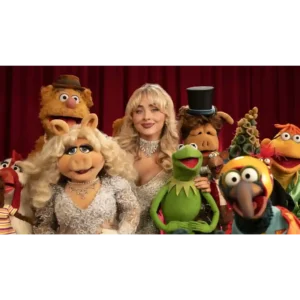
Carpenter’s rapport with Miss Piggy is a standout, with reviewers praising how comfortably the guest performers play inside the Muppets’ chaotic ensemble.
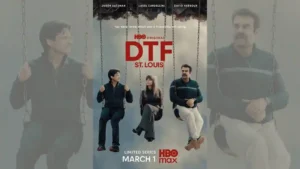
Bateman and Harbour’s odd-couple friendship is widely praised, and several reviews also like the lead trio and detective pairing. One sharply negative review found chemistry lacking across the cast.
Veteran Muppet performers draw strong praise for puppetry and character work, but Kermit’s changed voice is the most persistent performance complaint.
The lead trio is the clearest point of agreement. Bateman, Harbour, and Cardellini are repeatedly described as excellent, nuanced, career-best, or central to why the strange material works.
The musical numbers are a major source of fun, especially Carpenter’s performances and the ensemble material, though the Rizzo number and compressed finale draw mixed reactions.
Needle drops are repeatedly praised for adding energy and contrast to the gray suburban mood, including songs that make the show’s odd flourishes feel playful.
Maya Rudolph and Seth Rogen are generally enjoyed as brief additions, with Rudolph in particular earning repeated laughs without pulling focus from the Muppets.
The supporting players are another strength, with Joy Sunday’s presence and Peter Sarsgaard’s layered turn receiving especially enthusiastic praise.
Sabrina Carpenter is repeatedly singled out as an unusually natural guest, while the human cameos generally support rather than overpower the Muppets.
The performances are a major strength, with the ensemble repeatedly praised for making the show’s odd mix of comedy, melancholy, and mystery feel human.
A handful of reviewers mention watching the special multiple times or immediately wanting to revisit it, suggesting strong repeat appeal among enthusiastic fans.
The finale’s reinterpretation of earlier behavior gives the opening episode new meaning, prompting one reviewer to say the ending practically demands a rewatch.
Across the set, the special is repeatedly called fun, delightful and easy to enjoy; even several mixed reviews still find plenty to smile or laugh at.
Most reviews find the series compelling or highly entertaining once it settles into its rhythm, though one severe pan sees little value and others describe a slower, more selective appeal.
The laugh track is sharply divisive: one review calls the canned laughter obnoxious, while another feels it helps recreate the original show’s atmosphere.
Muted sound is singled out as part of the show’s cool, emotionally twilight atmosphere, working with the stark imagery rather than competing with it.
The rebuilt theater, backstage spaces, props and stage presentation earn strong approval for making the special look convincingly rooted in the classic show.
The stark sheriff’s station earns especially strong praise, with its brutalist spaces and oppressive colors helping define the show’s strange, hostile atmosphere.
Busy backstage scenes, obscure returning characters and a mixed human-Muppet audience make the theater feel populated and alive beyond the central cast.
The peculiar dialogue, brand-heavy suburbia, specific habits, and recurring visual details create a world that feels intentionally strange despite its mundane setting.
The widescreen, polished presentation updates the look while preserving the theatrical, practical feel that reviewers associate with classic Muppets.
The desaturated palette, brutalist spaces, off-kilter angles, and carefully controlled compositions give the series a distinctive look. One reviewer finds the grayness dull, but most see it as purposeful.
Reviewers respond warmly to the returning ensemble, often describing the Muppets as beloved friends whose familiar personalities remain easy to enjoy.
Floyd emerges as the most consistently lovable figure: warm, sincere, decent, and emotionally generous even when his choices are messy.
The revival is widely seen as capable of pleasing longtime fans while giving newer viewers an accessible entry point, though a few question whether the old-school format will hook younger audiences.
The show looks capable of reaching beyond Steven Conrad’s cult following, though its deliberately peculiar style remains a hurdle for broader viewers.
The critic roundup is broadly positive, describing the special as silly and joyous while still noting reservations about Kermit’s voice and generational appeal.
Critical reaction is broadly positive but not uniform: several outlets praise the show’s originality and character drama, while others object to the murder-mystery framing.
The ending gives Clark meaningful consequences for his neglect and selfish choices, and one finale analysis finds that isolation a fitting outcome.
Several reviewers found the show hard to stop once its mystery and character layers took hold. One weekly viewer explicitly thought the completed series works better as a binge.
The strongest praise centers on how Clark, Floyd, and Carol gain layers as new perspectives expose their loneliness, contradictions, and hidden needs. Reviews often describe the shift from pity or suspicion toward empathy.
Despite the fragmented timeline, scenes are praised for flowing into one another in unorthodox but intuitive ways.
One review specifically praises the show’s sharp understanding of midlife and Middle American anxieties rather than treating its Missouri setting as generic backdrop.
One mixed review finds the dramatic material humane but not quite poignant, suggesting the emotional intentions land more fully for other critics than for this one.
This is the clearest point of agreement: reviewers say the revival faithfully restores the original theater, format, character dynamics and vaudeville spirit without overmodernizing them.
The core remains warm, silly family entertainment, but subtle adult jokes, slapstick and a few darker gags mean some reviewers recommend parental awareness for younger kids.
Meta jokes about the show’s own revival, production and possible future fit naturally with the Muppets’ self-aware style and are frequently praised.
The special leans heavily into Muppet history and nostalgia, with reviewers generally feeling that the callbacks reconnect the characters to their strongest television identity.
The shifting perspectives and suspicion keep many critics guessing, with repeated praise for reversals that change how characters and motives are understood. One mixed review finds the puzzle connections less revelatory than hoped.
The puppetry is repeatedly praised as technically impressive, with practical character work and physical staging helping the revival feel handmade rather than overly polished.
Familiar brands such as Purina, Outback Steakhouse, and Jamba Juice are seen as purposeful texture that reinforces the story’s aggressively ordinary suburban setting.
The deliberately awkward speech is praised for sounding true to the strange, repetitive ways people actually talk, even when the larger world remains stylized.
One reviewer found weekly viewing difficult and thought the series played better once all episodes were available to binge.
The score is praised for building dread without obvious musical cues, complementing the show’s restrained and uneasy suburban atmosphere.
The season-ending episode is praised for delivering a satisfying emotional wallop while tying the mystery back to the characters’ loneliness and vulnerability.
One critic wonders whether the material might have worked better as a movie, though the same review says the occasional stretching never fully derails momentum.
Season pacing is mixed: the show often grows stronger as it proceeds, but several critics feel the seven-episode shape stretches thin material or becomes ponderous in places.
The finale produces sharply split interpretation. Two reviews praise its emotional force and human reveal, while another argues the ending retreats into a damaging cliché after a more nuanced season.
The slow-burn mystery keeps suspicion moving from person to person, and one reviewer says the first four episodes kept them nervous even when the comedy stayed restrained.
The violence is mostly comic slapstick, but bottle hits, dangerous stunts and Beaker’s eye gag prompt some concern for the youngest viewers.
Most reviewers see the special as broadly accessible to kids, but several flag moments that may puzzle or unsettle younger children.

Best for sharp adult humor, magnetic chemistry and a deeply satisfying farewell. Skip it if familiar will-they-won’t-they plotting or deliberately messy leads are dealbreakers.
Pros: humor, writing quality

Choose Widow’s Bay for its dark laughs, richly haunted island and memorable ensemble. Skip it if you need straightforward scares, rapid answers to every mystery or a completely resolved finale.
Pros: humor, genre satisfaction
Cons: ending satisfaction, season pacing

Choose Season 15 for warm, character-driven comedy, meaningful growth, and a finale that rewards longtime fans. Skip it if the short binge format, uneven replacement voices, or occasional clumsy commentary...
Pros: franchise connection, character development

Choose The Pitt Season 2 for a gripping, realistic medical drama with superb acting and emotional depth. Skip it if graphic procedures, unresolved arcs, or slower character-driven pacing bother you.
Pros: realism, emotional impact