Scorata scores summarize analyzed review evidence on a 1–5 scale; they are not laboratory measurements or a simple average of customer star ratings. Feature scores summarize the reviews covering that feature. The overall score averages feature scores within each review, then combines review averages. When both expert and customer evidence are available, those two groups receive equal weight. Products can have different review coverage, so small score gaps do not establish a winner.
Recommendations prioritize important features for the category, with a score of at least 3.5, a gap of at least 0.25 points and at least two supporting reviews per product. Features with widely varying scores or broad connectivity contexts are excluded from recommendations. These safeguards do not establish statistical significance.
Quick verdict
What each product is best for
The available evidence supports the recommendation below, but does not establish an overall winner. Check the remaining features against your priorities.
Choose How to Get to Heaven from Belfast, Season 1 for cultural representation and theme depth.
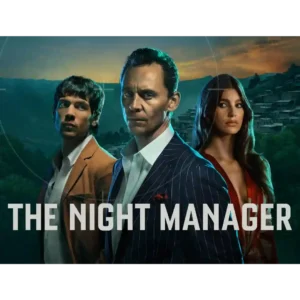
There is not enough comparable review evidence to recommend The Night Manager, Season 2 over the other product.
Why these recommendations?
How to Get to Heaven from Belfast, Season 1
Where It Has the Edge
cultural representation is 4.9 vs 2.0. The series is repeatedly praised for feeling unmistakably Northern Irish and Irish, from Catholicism and language to pop...
theme depth is 4.8 vs 4.5. Friendship, memory, guilt, identity, trauma, midlife disappointment, Catholic inheritance, and the stories people tell about themselves all give...
The Night Manager, Season 2
Where It Has the Edge
No clear scored advantage over the other product.
How to Get to Heaven from Belfast, Season 14.4 overall score
The Night Manager, Season 23.9 overall score
Compare features
Scores are out of 5. Missing scores mean missing review evidence, not a missing feature.
Scored on both products
Other features
Violence level
How to Get to Heaven from Belfast, Season 1
5.0
The Night Manager, Season 2
1.8
Details and evidence for violence level
How to Get to Heaven from Belfast, Season 1
One reviewer specifically praised the thriller for avoiding gratuitous spectacle, with emotional consequences carrying more weight than violence. The darker material stays secondary to character rather than becoming an endurance test.
The series is repeatedly praised for feeling unmistakably Northern Irish and Irish, from Catholicism and language to pop culture, geography, humor, and the lingering aftereffects of the Troubles. Several reviewers saw that specificity as one of its richest qualities.
Eight episodes is the most repeated structural complaint. Multiple reviewers independently suggest the story could lose one or two installments—or simply be six episodes—without sacrificing its core mystery or character work.
The central mystery reaches a real resolution, and several reviewers found the ending effective or satisfying enough. Others thought it was tepid, anticlimactic, overly perplexing, or too eager to leave certain characters available for more.
The finale is the season’s biggest fault line. Its bold villain victory thrills some viewers, but many more resent the lack of closure and feel the season ends as half a story.
The friendship does more than trade insults: the women are pushed to own their choices and repair damaged trust. Reviewers found that reckoning genuine, especially when the story connects present behavior to older wounds.
McGee's rapid-fire dialogue is a major strength: sharp, profane, layered, and often devastatingly funny in the same breath. Its speed can demand concentration, but reviewers repeatedly say the banter crackles.
At its best, restrained conversations create more tension than gunfire. At its weakest, critics call out corny lines, ominous half-sentences and clumsy foreshadowing.
The crime plot is often proudly absurd, yet reviewers found the friendship, arguments, and emotional reactions surprisingly authentic. Even improbable situations can feel grounded when the women start talking like people who have known one another for decades.
Realism is mixed. Some critics praise the grounded atmosphere and authentic-feeling tension, while others point to disguise logic, financial details and implausibly easy infiltration as credibility problems.
Beneath the jokes, reviewers found a meaningful emotional current about grief, regret, friendship, and the lives the women did not end up living. Small lines and exchanges often linger after their immediate punch line.
The season can hit hard, especially in its final stretch. Deaths, betrayals and the villains’ victory create powerful reactions, though that impact is often anger or frustration rather than satisfaction.
Details and evidence for cliffhanger effectiveness
How to Get to Heaven from Belfast, Season 1
The closing hook creates interest in another season, but it also frustrated one reviewer because renewal was uncertain. The tease works as a continuation device more than as a fully comforting stopping point.
Cliffhangers reliably create anticipation episode to episode, but the season-ending cliffhanger is much more polarizing because so many major threads remain unresolved.
The dramatic material can be intimate and emotionally sharp, especially when grief, memory, and friendship take precedence over spectacle. The main criticism is that the serious mystery sometimes sits awkwardly beside the show's zany default mode.
Opinion splits sharply here. One critic saw familiar shows being reworked and rehashed, while another argued that McGee turns the genre mash-up into an exception through meta storytelling and a distinctive comic voice.
This is one of the most disputed areas. Fans enjoy the new complications and bold twists, but critics frequently call the season a rehash of Season 1 or a collection of familiar spy-thriller devices.
Lisa McGee's writing is praised across the set for wit, specificity, fast dialogue, character insight, and the ability to find humor in darkness. The main knock is overreach: the plot sometimes grows so elaborate that the machinery starts to show.
Writing is highly divisive. Supporters praise smart plotting, sharp intrigue and le Carré-like moral tension; detractors call it messy, repetitive, contrived or much weaker than Season 1.
The central trio's chemistry is the clearest point of agreement. Their bickering, affection, old grudges, and effortless rhythm make the decades-long friendship feel lived in and often carry the show when the mystery wobbles.
Chemistry is a major talking point. Pine and Teddy are widely praised for a charged, complicated dynamic, while Pine and Roxana draw much more divided reactions.
The tonal juggling is the season's biggest fault line. Some reviewers admired how comedy, dread, grief, and absurdity flow together; others felt the series became stressful, inconsistent, or like two different shows by the finale.
The sequel keeps much of the original’s elegance and brooding polish, though some viewers think it has shifted toward a less sophisticated, more action-heavy tone.
Ireland is photographed with real atmosphere, from lovely scenery and striking locations to vibrant or ominous visual shifts. Even mixed reviews often acknowledged how good the series looks.
Flashbacks, road-trip detours, and overlapping clues often keep the mystery lively and reveal character along the way. Repeated scenes and a recurring trouble-clue-escape pattern made the structure feel formulaic to some binge viewers.
A sizeable group finished wanting more time with the trio and explicitly hoped for another season. That enthusiasm is tempered by a few reviewers who either disliked the characters or worried that the final tease could become frustrating if the story stopped there.
Having all eight episodes available at once suits the bingeable story, but one reviewer worried that the drop-everything release could also make the series easy to miss. The concern is discoverability, not the viewing flow itself.
The initial multi-episode drop helps viewers reacclimate, but long waits between seasons remain a frequent frustration. Weekly releases also generated strong anticipation for some viewers.
The early run is commonly described as propulsive and addictive, while the later stretch divides opinion. Some liked the escalating road-trip energy; others felt the mystery stretched, repeated itself, or lost momentum near the end.
The first half is the most common pacing complaint. Many reviewers say the season takes too long to heat up, but also agree that the back half becomes faster, tighter and more gripping.
The leads' messy flaws are part of the design, and many reviewers found their chaos endearing or outright lovable. Others found the bickering trio difficult to believe as best friends or not likable enough to sustain another season.
Booker stands out as an enjoyably vivid threat within the oddball ensemble. Her menace, visual presence, and blunt attitude make the antagonist side of the caper memorable without losing the show's comic flavor.
Teddy is magnetic and vulnerable for many reviewers, while others see him as a generic Roper substitute. Roper’s return restores menace for some but becomes cartoonish for others.
Direction drew direct praise for keeping the chaos visually lively and emotionally legible. Michael Lennox is singled out as captivating, while another review applauds the fish-eye choices and comic quick-cut technique.
Georgi Banks-Davies earns strong praise for brisk suspense, controlled dialogue scenes and cinematic scale, though a few viewers miss Susanne Bier’s sharper visual sparkle.
This is widely described as a hard show to stop watching, and several reviewers tore through all eight episodes quickly. The main drag on the binge is repetition and a season some felt could have been shorter.
For many reviewers, the comedy-mystery-thriller blend is exactly the appeal: strange, dark, funny, and unpredictable. The dissenters found the same mixture overstuffed, uncertain of its identity, or weaker when the crime mechanics took over.
As a spy thriller, the season is usually praised as polished, tense and above average. Detractors argue that familiar Bond-style tropes make it more conventional than the original.
The adult friends are given meaningful midlife frustrations, old wounds, and evolving self-understanding, with Saoirse especially well developed. Some reviewers wanted more depth for Dara, Greta, and a few supporting figures.
Pine’s trauma and emotional isolation add welcome depth, and Teddy grows more compelling as his vulnerability emerges. Roxana’s arc is more divisive, with some finding her layered and others underwritten or contradictory.
The humor is frequently described as laugh-out-loud, quick-witted, dark, and unmistakably Irish, with the trio's insults doing much of the work. A smaller group felt the laughs thinned out as the series became busier and darker.
The mystery is engaging but often asks a lot of the viewer. Some found the knots involving, while others needed notes or complained about identities, side plots, false leads, and late-season complications becoming confusing.
The season rewards attention and often trusts viewers to connect the dots, which many appreciate. Others find the aliases, conspiracies and abrupt pivots needlessly confusing.
The opening is an immediate hook: reviewers call it a doozy, sharply funny, and fascinating. It establishes danger, friendship, and mystery quickly enough to make several viewers want to keep going almost at once.
The larger action set pieces add momentum without having to carry the series. One reviewer specifically liked that the comedy and character clashes remain the main attraction even when the show gets bigger.
The action is often tense, stylish and energetic, especially later in the season. A smaller group feels the more Bond-like action pushes the show away from its grounded roots.
The show often moves at a breathless clip, which many reviewers found electric and addictive. Others reported a sluggish middle, overstimulation, or moments that needed more room to land.
Friendship, memory, guilt, identity, trauma, midlife disappointment, Catholic inheritance, and the stories people tell about themselves all give the caper extra weight. Reviewers often found the emotional and cultural ideas richer than the literal whodunit mechanics.
The season reaches beyond espionage mechanics into identity, loyalty, imperial power, exploitation and the cost of doing good. Some critics find those ideas rich; others think the political themes lack subtlety.
The show scatters enough danger, clues, eerie imagery, and withheld information to keep most reviewers curious. Suspense is strongest when tied to the women's past; the more labyrinthine conspiracy material can blur that focus.
Suspense is one of the clearest strengths. Reviewers repeatedly praise the tense conversations, dangerous missions and late-season set pieces for keeping the show gripping.
The finale earns credit for a clever turn and for resolving major questions, but the reaction is far from unanimous. Other reviewers found it perplexing, tonally split, or less satisfying than the stronger start.
As craft, the finale can be thrilling, shocking and tightly executed. As a season ending, however, many viewers dislike its lack of resolution and abrupt handoff to Season 3.
Derry Girls echoes, cameos, mural nods, and Easter eggs delighted many fans without preventing this series from developing its own identity. A few critics thought the callbacks lingered too long or made the follow-up feel derivative.
Season 2 is deeply tied to the original, often to good effect. Some reviewers love how the past returns and gains new meaning, while others think the sequel leans too heavily on recreating Season 1.
Performance quality is one of the safest bets here. Reviewers repeatedly call the ensemble excellent or brilliant, with the actors selling both the manic comedy and the heavier emotional turns.
Performances are one of the season’s strongest points. Hiddleston, Laurie, Calva, Colman, Squires and the broader ensemble repeatedly earn praise even from reviewers who dislike the plotting.
The best twists repeatedly overturn expectations without feeling arbitrary, and several reviewers praised how earlier assumptions are reframed. Their sheer frequency can create whiplash, but unpredictability is a major part of the fun.
Twists are a major source of excitement, especially once the second half accelerates. Some are predictable, but many viewers still enjoy how quickly loyalties and plans reverse.
The central friendship and buried-secret mystery give the season a strong narrative engine, and most reviewers stayed invested. The recurring caveat is sprawl: side plots, identities, and escalating conspiracy can become more complicated than the emotional core needs.
The new story earns strong praise for intrigue and emotional stakes, but it also draws criticism for repetition, generic spy mechanics and an incomplete arc.
The leads stay recognizably themselves even while making disastrous choices. Reviewers appreciated that later scenes tend to explain apparent contradictions through history, personality, and the long habits of friendship.
At least one small continuity choice earned explicit praise: damage to the women's car remains visible instead of magically disappearing after the mishap. That kind of follow-through helped the chaotic road trip feel coherent.
The premiere reconnects smoothly to the original series, using returning characters and past consequences without making the decade-long gap feel insurmountable.
Quick cuts are used deliberately for comic effect and were praised as part of the show's energetic technique. The editing helps reinforce the frantic rhythm rather than simply documenting it.
Rather than recreating the Troubles directly, the series brings their cultural aftereffects into the present through memory, language, borders, Catholicism, and inherited caution. Reviewers praised that contemporary framing for being both specific and understated.
The Colombia and regime-change storyline feels strikingly current to several critics, who praise the way the espionage plot echoes modern geopolitical anxieties.
The script draws emphatic praise for its wit, character conflict, and ability to make chaos feel natural. Even when the plot is criticized, the actual scene writing and comic construction are often treated as first-rate.
The screenplay earns praise for tight intrigue and smart construction from fans, while detractors criticize contrivances and a less disciplined feel than Season 1.
The visual package is bold, atmospheric, and often beautiful, shifting from Irish landscapes to neon and ominous imagery. That stylization is also divisive: some found it cartoonish or a case of style overwhelming substance.
Glamorous locations, moody lighting and luxury surfaces remain signature strengths. Even negative reviews often concede that Season 2 looks polished and expensive.
The pubs, roads, villages, police stations, cultural references, and eccentric locals create a vivid Irish world. Some reviewers wished the increasingly large conspiracy and supporting cast had been explored as deeply as the setting itself.
The expanded network of countries, intelligence factions and power players makes the world feel bigger, though that added scale also makes the story heavier and more complex.
Costuming gets its biggest boost from Saoirse-Monica Jackson's escalating comic looks. Her wardrobe is singled out as part of what makes the character's appearances so memorably funny.
Tailored suits, crisp shirts and luxury styling are part of the show’s seductive appeal and help preserve its distinctive high-end spy-thriller identity.
The show gets strong marks for polished, detail-rich environments, especially the early-2000s material and the money visibly put on screen. Period touches and Irish locations make the world feel textured rather than generic.
Luxury interiors, international locations and high production values keep the series looking expensive and distinctive even when the story divides opinion.
Most reviewers found the series highly enjoyable and easy to recommend, with several calling it a must-watch or hoping it finds a larger audience. A minority saw its sensory overload and tonal excess as likely to make it a love-it-or-hate-it watch.
The dominant response is that the show is enormously entertaining, with reviewers calling it a belter, a rush of joy, great craic, and one of the year's best. Even several mixed reviews concede that the trio makes it very watchable.
Most reviewers find the season highly watchable despite its flaws. Strong performances, luxury locations and mounting intrigue carry even stretches that feel repetitive or slow.
Roisin Gallagher, Sinéad Keenan, and Caoilfhionn Dunne are repeatedly identified as the engine of the series. Their timing, emotional range, and ability to play off one another keep the story afloat through its messier stretches.
Tom Hiddleston remains the central draw for most reviewers, with his quieter, more haunted Pine praised as controlled and magnetic. A minority finds the character too dour or wooden.
Details and evidence for supporting cast performance
How to Get to Heaven from Belfast, Season 1
The bench is unusually strong, with several tiny roles earning specific cheers and guest performers making vivid impressions quickly. A few mystery figures are underwritten, but the performers themselves are rarely the problem.
The supporting ensemble is frequently excellent, with Hayley Squires, Olivia Colman, Paul Chahidi and others adding warmth, menace and texture even when their screen time is limited.
The Belfast and Donegal speech is part of the fun, with slang, wisecracks, and Derry-accented digs adding a strong sense of place. One reviewer even recommends subtitles so none of the craic slips by.
Some critics feel the season underuses strong supporting performers, particularly Olivia Colman and Indira Varma, while keeping Jonathan Pine overwhelmingly central.
The 40- to 50-minute format gives the mystery room to expand, but one reviewer found that length less inviting for casual comedy rewatches. Shorter episodes would have made it easier to throw on again.
Opinion is sharply split on moving beyond le Carré’s novel. Some see a convincing continuation of his themes and moral ambiguity, while others think the Bond-like action and plotting lose his subtlety and realism.
The foul-mouthed slang and dense local wisecracks are treated as part of the show's comic identity rather than a drawback. One reviewer recommends subtitles simply to catch every fast-moving line.
The music helps heighten tension for some, but critics who mention it directly can find it overly loud or too insistent in telling viewers what to feel.
The season’s erotic charge is praised by some as a welcome part of the spy drama, while others feel the promised sexual tension never becomes convincing enough.
One roundup highlighted a wave of four- and five-star notices and a very high critic aggregate, matching the generally enthusiastic tenor across much of the coverage. Critical dissent centers more on plotting and tone than on the cast.
Rewatch appeal is mixed. One reviewer thought a second viewing could reward the dense plotting, while another would not revisit it because the long comedy-thriller episodes are less casual than a short sitcom.
The music is a standout for many reviewers, with early-2000s pop and Irish-flavored selections called exquisite, perfectly timed, or tremendous. One critic did tire of repeated needle drops, so the enthusiasm is strong rather than unanimous.