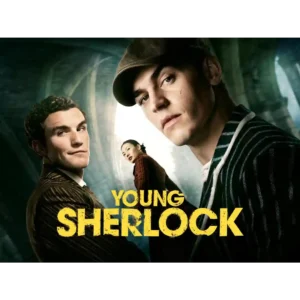
Compare Young Sherlock, Season 1 vs Wonder Man, Season 1

Young Sherlock, Season 1

Young Sherlock, Season 1

Overall score 4.0 / 5

Based on 33 scored reviews

vs
Wonder Man, Season 1

Wonder Man, Season 1

Overall score 4.1 / 5

Based on 60 scored reviews

How we score

Scorata scores summarize analyzed review evidence on a 1–5 scale; they are not laboratory measurements or a simple average of customer star ratings. Feature scores summarize the reviews covering that feature. The overall score averages feature scores within each review, then combines review averages. When both expert and customer evidence are available, those two groups receive equal weight. Products can have different review coverage, so small score gaps do not establish a winner.

Recommendations prioritize important features for the category, with a score of at least 3.5, a gap of at least 0.25 points and at least two supporting reviews per product. Features with widely varying scores or broad connectivity contexts are excluded from recommendations. These safeguards do not establish statistical significance.

Quick verdict

What each product is best for

The review evidence points to a tradeoff: acting performance and emotional impact versus release schedule and character consistency. Choose according to which strengths matter more to you; the overall score alone does not settle that choice.

Choose Young Sherlock, Season 1 for acting performance and emotional impact.

Choose Wonder Man, Season 1 for release schedule and character consistency.

Why these recommendations?

Young Sherlock, Season 1

Where It Has the Edge

  • acting performance is 4.8 vs 4.3. Performance quality is a major strength overall, with the ensemble repeatedly called superb, phenomenal, fantastic, or assured despite...
  • emotional impact is 5.0 vs 4.6. The Holmes family tragedy and the doomed Sherlock-Moriarty friendship provide unusually strong emotional stakes for such a pulpy...
  • pilot episode quality is 5.0 vs 4.7. The opening episode is repeatedly praised as a strong, stylish, fast-moving introduction that balances character setup with an...

Wonder Man, Season 1

Where It Has the Edge

  • release schedule is 4.6 vs 1.5. Releasing all eight episodes together suits the compact arc and spoiler-sensitive ending, though the late global drop time...
  • character consistency is 4.5 vs 2.0. Character choices generally follow the leads' fears and ambitions, although secrecy and questionable decisions occasionally strain credibility.
  • realism is 4.3 vs 3.0. Auditions, callbacks, cramped production spaces, and career insecurity feel unusually authentic, even inside the MCU's superpowered world.
Young Sherlock, Season 1 4.0 overall score
Wonder Man, Season 1 4.1 overall score

Compare features

Scores are out of 5. Missing scores mean missing review evidence, not a missing feature.

Scored on both products

Other features

Release schedule
Young Sherlock, Season 1
1.5

The full-season drop is criticized by reviewers who think the dense plotting and constant reveals would have played better with a weekly release.

Wonder Man, Season 1
4.6

Releasing all eight episodes together suits the compact arc and spoiler-sensitive ending, though the late global drop time drew criticism.

Character consistency
Young Sherlock, Season 1
2.0

Sherlock’s characterization can wobble, and one review specifically found his behavior inconsistent across the season.

Wonder Man, Season 1
4.5

Character choices generally follow the leads' fears and ambitions, although secrecy and questionable decisions occasionally strain credibility.

Modern political framing
Young Sherlock, Season 1
1.0

One critic objects that the series recreates imperial-era Oxford without offering enough perspective on its colonial context.

Wonder Man, Season 1
3.3

The series' treatment of enhanced people as a targeted minority gives its Hollywood story a contemporary political edge, while later cancellation coverage raises representation concerns.

Season length
Young Sherlock, Season 1
1.7

Several critics think eight episodes overextend the material and argue a six-episode season or even a film could have preserved momentum better.

Wonder Man, Season 1
3.6

Eight short episodes create a breezy four-hour watch, yet the compact length leaves supporting characters and the finale underdeveloped.

Cultural representation
Young Sherlock, Season 1
2.7

Princess Shou’an’s wardrobe is praised for avoiding lazy Orientalism, but other reviews criticize the series for thin cultural context and broad stereotypes.

Wonder Man, Season 1
4.6

The show's Black lead and allegories for concealed identity broaden its perspective, while cancellation coverage raises concerns about Marvel's support for representation.

Family friendliness
Young Sherlock, Season 1
4.5

Reviewers describe the series as comparatively clean and suitable for a broad family audience, with restrained violence and mild suggestive material.

Wonder Man, Season 1
2.6

Limited fighting helps, but frequent profanity and sexual asides keep the TV-14 series from being a worry-free family pick.

Renewal interest
Young Sherlock, Season 1
5.0

Multiple reviewers explicitly want another season, citing the open ending, strong character dynamics, and curiosity about where Sherlock and Moriarty go next.

Wonder Man, Season 1
3.7

Enthusiasm for another season is strong among positive reviewers, making the later cancellation a repeated source of frustration.

Episode pacing
Young Sherlock, Season 1
4.2

Episodes usually move quickly and keep viewers engaged, but the middle stretch and finale draw complaints for either dragging or cramming too much into too little time.

Wonder Man, Season 1
2.8

Individual episodes vary: several are sharp and self-contained, while family-party and side-quest installments are often accused of stalling momentum.

Faithfulness to source material
Young Sherlock, Season 1
2.9

The show takes major liberties with Conan Doyle and Andrew Lane, which some viewers embrace as a fresh remix and purists or critics see as barely recognizable Holmes.

Wonder Man, Season 1
4.2

The reinvention preserves Simon's actor-and-superpowers core while departing substantially from his comics history, a fresh entry point that may frustrate purists.

Lore depth
Young Sherlock, Season 1
4.8

Reviewers enjoy the family history, early mind palace, Moriarty friendship, and other origin-story additions that expand Holmes lore beyond familiar Baker Street territory.

Wonder Man, Season 1
3.5

The Doorman Clause and Hollywood's response to enhanced performers provide compact, clever lore without requiring encyclopedic MCU knowledge.

Realism
Young Sherlock, Season 1
3.0

The deliberately heightened adventure asks viewers to suspend disbelief; some enjoy the scrappy fight authenticity, while others find deductions and conspiracy turns implausible.

Wonder Man, Season 1
4.3

Auditions, callbacks, cramped production spaces, and career insecurity feel unusually authentic, even inside the MCU's superpowered world.

Writing quality
Young Sherlock, Season 1
3.0

Writing reactions are divided: some praise the tightly threaded mystery and character work, while harsher critics call the subplots weak and the dialogue/material poorly written.

Wonder Man, Season 1
4.3

The screenplay's strongest material is its intimate actor dialogue and thematic mirroring, though secrecy and repetition weaken some stretches.

Season finale quality
Young Sherlock, Season 1
3.0

The last episode offers big revelations and spectacle but is polarizing because some reviewers find the payoff earned while others call it rushed and overloaded.

Wonder Man, Season 1
4.2

Season one's final chapter earns points for emotional and character-led choices, but several critics say it rushes through needed growth and resolution.

Villain quality
Young Sherlock, Season 1
4.2

Moriarty’s reinvention is widely praised as fresh and compelling, but his late movement toward villainy can feel rushed and inconsistent to some reviewers.

Wonder Man, Season 1
3.2

Rather than a traditional villain, Damage Control functions as a grounded institutional threat; some find that apt, others underpowered.

Plot twists
Young Sherlock, Season 1
4.8

Twists are a major attraction, frequently described as bold, surprising, riveting, and effective enough to propel the binge.

Wonder Man, Season 1
3.8

The season favors character turns over shock reveals; some enjoy its unexpected detours, while others find the main path highly predictable.

Ending satisfaction
Young Sherlock, Season 1
3.5

The finale delivers major payoffs, revelations, and appetite for more, but reactions are mixed because some twists feel rushed or overstuffed.

Wonder Man, Season 1
4.4

The finale avoids a generic CGI showdown and delivers an emotional payoff, but its rushed, somewhat anticlimactic close leaves some wanting more resolution.

Dialogue quality
Young Sherlock, Season 1
3.7

The rapid banter and one-liners are often called sharp, witty, and fun, though detractors find the quipping forced, anachronistic, or exhausting.

Wonder Man, Season 1
4.6

Actorly conversations and Trevor's monologues give the dialogue warmth and purpose, with Kingsley's line delivery frequently singled out.

Bingeability
Young Sherlock, Season 1
3.4

The propulsive mystery makes the season easy to binge for some viewers, while others found the all-at-once experience exhausting or padded enough to benefit from breaks.

Wonder Man, Season 1
4.2

Short episodes and a sub-four-hour season make this an easy binge, and several writers found it hard to stop once the story gathered momentum.

Episode length
Young Sherlock, Season 1
2.0

One critic argues the overall running time feels bloated, suggesting the story could have worked better in a much shorter format.

Wonder Man, Season 1
2.7

Half-hour, bite-sized installments keep the commitment light, but a few episodes and the finale feel too short to fully develop their ideas.

Season pacing
Young Sherlock, Season 1
2.7

The season’s overall rhythm is its biggest structural weakness: a fast opening and ending can surround a dull middle, while nonstop revelations leave little breathing room.

Wonder Man, Season 1
2.0

Season pacing is the most consistent craft concern: the first half and detours can stall, while the ending accelerates too abruptly.

Cinematography
Young Sherlock, Season 1
4.8

The visual photography is consistently praised as polished, immersive, carefully curated, and cinematic.

Wonder Man, Season 1
4.1

The cinematography gives the series a polished yet intimate look, with particular praise for its black-and-white standalone episode.

Franchise connection
Young Sherlock, Season 1
3.5

The series borrows recognizable Holmes lore and Ritchie-style DNA without belonging to his Robert Downey Jr. film continuity, a separation reviewers view with both relief and disappointment.

Wonder Man, Season 1
4.1

The story stands comfortably on its own with light MCU context, a choice praised by newcomers and fatigue-stricken fans but less suited to continuity hunters.

Editing quality
Young Sherlock, Season 1
4.0

Fast, rhythmic editing gives the series momentum and style, but the same hyperactive cutting can make scenes feel trailer-like or rushed.

Wonder Man, Season 1
4.5

Editing generally supports the compact, TV-like structure, though the broader season flow is less consistently smooth.

Violence level
Young Sherlock, Season 1
4.0

Violence is frequent but generally restrained rather than graphic, which one family-focused critic considers appropriate for the TV-14 range.

Wonder Man, Season 1
3.5

Fighting is minimal, which suits violence-sensitive viewers but reinforces the show's limited appeal for action-first fans.

Character development
Young Sherlock, Season 1
4.0

The family history and Moriarty friendship give several characters meaningful arcs, but some critics feel the breakneck conspiracy leaves too little room for reflection or earned growth.

Wonder Man, Season 1
4.4

The season earns praise as a patient dual character study, giving Simon subtle growth and Trevor an unexpectedly affecting redemption arc.

Emotional impact
Young Sherlock, Season 1
5.0

The Holmes family tragedy and the doomed Sherlock-Moriarty friendship provide unusually strong emotional stakes for such a pulpy adventure.

Wonder Man, Season 1
4.6

The friendship and career struggles produce unexpectedly moving moments, with tenderness and melancholy landing more strongly than the superpowered plot.

Genre satisfaction
Young Sherlock, Season 1
4.5

As a mystery-adventure caper, the show is widely enjoyed for its blend of crime, action, humor, suspense, and globe-trotting escapades.

Wonder Man, Season 1
4.1

As a Hollywood buddy dramedy it is frequently celebrated; as a conventional superhero adventure it intentionally offers far less action and spectacle.

Theme depth
Young Sherlock, Season 1
4.0

The best thematic material comes from grief, family, loyalty, class differences, morality, and the diverging values that will eventually separate Holmes and Moriarty.

Wonder Man, Season 1
4.3

Beneath the comedy, the season explores artistic identity, friendship, failure, exploitation, and the danger of hiding part of oneself.

Pilot episode quality
Young Sherlock, Season 1
5.0

The opening episode is repeatedly praised as a strong, stylish, fast-moving introduction that balances character setup with an engaging case.

Wonder Man, Season 1
4.7

The opening episode wins praise for quickly establishing Simon's struggle and the show's polished, character-first identity, though not every critic was immediately engaged.

Plot clarity
Young Sherlock, Season 1
2.3

The widening conspiracy often becomes difficult to follow, with critics citing logical leaps, too many subplots, and revelations that can overwhelm rather than clarify.

Wonder Man, Season 1
2.0

The central audition-and-secret setup is easy to follow, but some critics find the surrounding DODC mechanics and side trips unnecessarily convoluted.

Suspense
Young Sherlock, Season 1
4.3

The conspiracy, recurring mysteries, and steady curveballs keep tension high, although the lighter tone occasionally softens the urgency.

Wonder Man, Season 1
4.6

Secrecy, DODC surveillance, and the risk to Simon's career create steady low-stakes tension without conventional world-ending danger.

Tonal consistency
Young Sherlock, Season 1
4.1

The show sustains a brash, playful adventure tone surprisingly well, though some reviewers think its lighter energy undercuts tension or its late escalation pushes too far.

Wonder Man, Season 1
4.4

Most praise the balance of comedy and melancholy, but harsher critics find the series unable to settle on a coherent tone.

Originality
Young Sherlock, Season 1
4.1

Turning Moriarty into Sherlock’s friend and reshaping his family history gives the familiar character a fresh angle, even if some reviewers see the broader prequel formula as derivative.

Wonder Man, Season 1
4.3

A superhero series centered on acting, friendship, and low stakes feels refreshingly different, despite familiar buddy-story and secrecy mechanics.

Story quality
Young Sherlock, Season 1
3.9

The central mystery and family conspiracy are compelling enough to sustain the adventure, though some critics find the story overcomplicated, disjointed, or weaker than its presentation.

Wonder Man, Season 1
4.2

The friendship-and-ambition story is widely admired for its sincerity and independence, while detractors call it thin, repetitive, or slow-moving.

Drama quality
Young Sherlock, Season 1
4.7

Family revelations, rivalry, and intrigue give the adventure real dramatic pull, especially as the season moves into its more personal material.

Wonder Man, Season 1
4.4

The understated drama works best when it explores failure, friendship, identity, and artistic ambition rather than superhero stakes.

Cast chemistry
Young Sherlock, Season 1
4.5

Sherlock and Moriarty’s chemistry is one of the clearest strengths, with their banter, camaraderie, and doomed-friendship dynamic repeatedly singled out as the show’s best element.

Wonder Man, Season 1
4.6

Yahya Abdul-Mateen II and Ben Kingsley form the season's strongest asset: a funny, tender odd-couple partnership with convincing warmth and melancholy.

Episode structure
Young Sherlock, Season 1
4.4

Several reviewers like how individual episodes build their own hooks while feeding the larger mystery, though others dislike the season-long case swallowing episodic detective storytelling.

Wonder Man, Season 1
4.3

The self-contained episode design feels like real television to many viewers, though the Doorman detour splits opinion over whether it enriches or interrupts the main story.

Action sequence quality
Young Sherlock, Season 1
3.9

The fights and chases are energetic and frequent, but reactions split: some call them inventive and top-notch, while others find them forgettable, overused, or unable to generate excitement.

Wonder Man, Season 1
4.1

Action is deliberately scarce. Some welcome the restraint and the one notable fight, while superhero-focused viewers often find the season lacking.

Directing quality
Young Sherlock, Season 1
4.7

Guy Ritchie’s kinetic approach is widely praised for giving the show energy and visual identity, even as a minority finds the imitation of his style overbearing or stale.

Wonder Man, Season 1
4.6

Direction is praised for balancing intimate drama, show-business comedy, and occasional action without losing the show's grounded identity.

Humor
Young Sherlock, Season 1
4.4

The banter, quips, campiness, and comic performances land very well for most reviewers, though a few find the jokes effortful or overly constant.

Wonder Man, Season 1
4.3

The odd-couple banter and cameos generate plenty of laughs for most, but cringe comedy and broader Marvel-style jokes are divisive.

Comfort and build

World-building
Young Sherlock, Season 1
5.0

Oxford, the Holmes family estate, Paris, Constantinople, and the wider Victorian setting create a rich, expansive adventure world that reviewers find immersive.

Wonder Man, Season 1
2.9

The MCU's Hollywood feels lived-in through auditions, industry rules, and the Doorman Clause, without overwhelming the personal story.

Visual style
Young Sherlock, Season 1
4.4

The production is repeatedly described as stylish, polished, cinematic, and visually impressive, even by reviewers who dislike the story.

Wonder Man, Season 1
4.6

A polished, intimate visual style and the black-and-white Doorman episode help distinguish the show from standard MCU gloss.

Performance

Soundtrack quality
Young Sherlock, Season 1
3.8

The modern, high-energy soundtrack helps sell the youthful Ritchie style for many viewers, but others find the choices dated, anachronistic, or potentially quick to age.

Wonder Man, Season 1
5.0

Music draws limited direct commentary, though the few remarks are generally positive.

Acting performance
Young Sherlock, Season 1
4.8

Performance quality is a major strength overall, with the ensemble repeatedly called superb, phenomenal, fantastic, or assured despite a few sharply negative takes on the leads.

Wonder Man, Season 1
4.3

The acting is widely treated as a major strength, with layered dramatic work and deft comic timing carrying the low-key material.

Main cast performance
Young Sherlock, Season 1
4.1

The core cast is generally strong, especially Dónal Finn, though Hero Fiennes Tiffin receives more divided reactions and Max Irons draws some notable criticism.

Wonder Man, Season 1
4.4

The two leads consistently carry the series, pairing Abdul-Mateen's vulnerable intensity with Kingsley's eccentric humor and tenderness.

Supporting cast performance
Young Sherlock, Season 1
4.4

The supporting ensemble is a major asset, with Dónal Finn, Colin Firth, Natascha McElhone, Zine Tseng, and Holly Cattle receiving repeated individual praise.

Wonder Man, Season 1
4.2

The supporting ensemble supplies memorable comedy and a standout Doorman episode, though several talented women are considered underused.

Controls and connectivity

Critic appeal
Young Sherlock, Season 1
4.0

One reviewer thought the show’s Metacritic score understated its quality, placing it closer to a solidly positive reception.

Wonder Man, Season 1
3.4

The season drew strong critical enthusiasm and awards attention, even as a minority of critics rejected its restrained approach.

Age appropriateness
Young Sherlock, Season 1
4.3

The series is generally viewed as accessible to teens and adults, with a comparatively clean TV-14 level and broad family appeal.

Wonder Man, Season 1
3.9

The show is calmer than most superhero fare, but recurring profanity and suggestive material make its suitability for younger viewers debatable.

Audience appeal
Young Sherlock, Season 1
4.3

Most reviewers see an easy-to-recommend adventure with wide appeal, though a few question whether its youthful remix will satisfy either traditional Holmes fans or Gen Z viewers.

Wonder Man, Season 1
4.2

Its grounded friendship story reaches beyond devoted MCU fans, though viewers seeking conventional superhero spectacle may be disappointed.

Character appeal
Young Sherlock, Season 1
4.2

This younger Sherlock is often described as boyish, accessible, and easy to like, while Moriarty’s charm also wins over many reviewers.

Wonder Man, Season 1
4.3

Simon and Trevor can be prickly or self-involved, but their vulnerability and friendship make them increasingly relatable and easy to root for.

Ownership and support

Rewatch value
Young Sherlock, Season 1
5.0

One devoted Holmes reviewer was already rewatching early episodes and expected to restart the season immediately after finishing.

Wonder Man, Season 1
4.5

A few viewers explicitly anticipate revisiting the season, especially for its performances and compact structure.

Entertainment value
Young Sherlock, Season 1
4.4

The dominant verdict is that the series is lively, fun, and highly watchable even when its logic, fidelity, or depth falls short.

Wonder Man, Season 1
4.3

Most found the season charming and entertaining, although a vocal minority considered it dull or a wasted use of its cast.

Evidence available for one product

Other features

Accent authenticity
Young Sherlock, Season 1
2.0

One critic found the exaggerated Victorian accents part of the show’s broad, stereotyped period caricature rather than convincing texture.

Wonder Man, Season 1No score yet
Accountability handling
Young Sherlock, Season 1No score yet
Wonder Man, Season 1
1.5

Cancellation coverage presses Marvel for a clearer explanation and greater accountability after the show's positive reception.

Cancellation satisfaction
Young Sherlock, Season 1No score yet
Wonder Man, Season 1
2.8

The cancellation is repeatedly described as disappointing, confusing, and difficult to reconcile with the show's critical and audience response.

Cliffhanger effectiveness
Young Sherlock, Season 1
5.0

The season’s cliffhangers land strongly, with reviewers describing them as effective hooks that immediately create appetite for another episode or season.

Wonder Man, Season 1No score yet
Continuity
Young Sherlock, Season 1
1.0

One critic flags information gaps where characters appear to know things the established continuity has not shown them learning.

Wonder Man, Season 1No score yet
Ensemble balance
Young Sherlock, Season 1No score yet
Wonder Man, Season 1
4.6

The central two-hander is richly served, but several critics say secondary and female characters receive little development or screen time.

Fourth-wall narration
Young Sherlock, Season 1
5.0

One reviewer especially enjoyed the playful mind-palace device, where remembered characters seem to interact with Sherlock inside his reconstruction.

Wonder Man, Season 1No score yet
Language level
Young Sherlock, Season 1
4.0

One family-focused review found only a modest amount of language, keeping the show comfortably within a TV-14 range.

Wonder Man, Season 1No score yet
Makeup quality
Young Sherlock, Season 1
5.0

Colin Firth’s transformation earns specific praise for its delightful makeup-and-hair disguise.

Wonder Man, Season 1No score yet
Media scrutiny portrayal
Young Sherlock, Season 1No score yet
Wonder Man, Season 1
3.3

Discussion around the show's reception and cancellation thoughtfully captures how public optics and fan response shape the Marvel narrative.

Power scaling
Young Sherlock, Season 1No score yet
Wonder Man, Season 1
4.5

Simon is framed as exceptionally powerful, but the restraint with which his abilities are shown keeps scale secondary to character.

Score quality
Young Sherlock, Season 1
5.0

The theme music receives unusually enthusiastic praise for amplifying the show’s energy.

Wonder Man, Season 1No score yet
Sexual content level
Young Sherlock, Season 1
4.0

The suggestive material is described as mild, contributing to the show’s relatively restrained TV-14 profile.

Wonder Man, Season 1No score yet
Special effects quality
Young Sherlock, Season 1No score yet
Wonder Man, Season 1
4.3

The show largely sidesteps effects-heavy spectacle; that restraint is welcomed by many but disappoints viewers expecting a superhero showcase.

Comfort and build

Costume design
Young Sherlock, Season 1
4.9

Costumes are a standout craft element, praised for rich detail, character storytelling, texture, and visual appeal even when historical accuracy is imperfect.

Wonder Man, Season 1No score yet
Production design
Young Sherlock, Season 1
5.0

Period Oxford, elaborate sets, props, and international locations are consistently praised as detailed, high-budget, and immersive.

Wonder Man, Season 1No score yet

Other Top TV Shows to Consider

#1 Colin From Accounts, Season 3
4.8

Best for sharp adult humor, magnetic chemistry and a deeply satisfying farewell. Skip it if familiar will-they-won’t-they plotting or deliberately messy leads are dealbreakers.

Pros: humor, writing quality

#2 Widow’s Bay
4.8

Choose Widow’s Bay for its dark laughs, richly haunted island and memorable ensemble. Skip it if you need straightforward scares, rapid answers to every mystery or a completely resolved finale.

Pros: humor, genre satisfaction

Cons: ending satisfaction, season pacing

#3 King of the Hill, Season 15
4.7

Choose Season 15 for warm, character-driven comedy, meaningful growth, and a finale that rewards longtime fans. Skip it if the short binge format, uneven replacement voices, or occasional clumsy commentary...

Pros: franchise connection, character development

#4 The Pitt, Season 2
4.7

Best for sharply acted, compassionate, high-pressure hospital drama. Skip it if graphic procedures unsettle you or you need a neatly resolved season finale.

Pros: character development, acting performance

Cons: character consistency, dialogue quality