Compare John Carpenter’s Toxic Commando vs Mario Tennis Fever

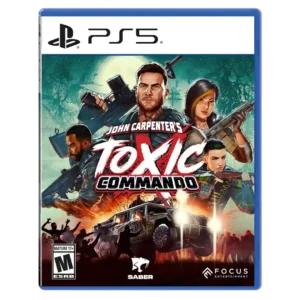
John Carpenter’s Toxic Commando

John Carpenter’s Toxic Commando

Overall score 3.5 / 5

Based on 57 scored reviews

vs
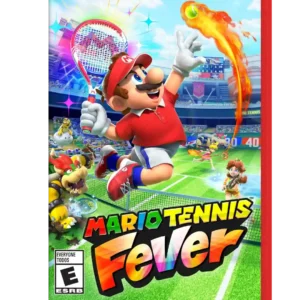
Mario Tennis Fever

Mario Tennis Fever

Overall score 3.7 / 5

Based on 79 scored reviews

How we score

Scorata scores summarize analyzed review evidence on a 1–5 scale; they are not laboratory measurements or a simple average of customer star ratings. Feature scores summarize the reviews covering that feature. The overall score averages feature scores within each review, then combines review averages. When both expert and customer evidence are available, those two groups receive equal weight. Products can have different review coverage, so small score gaps do not establish a winner.

Recommendations prioritize important features for the category, with a score of at least 3.5, a gap of at least 0.25 points and at least two supporting reviews per product. Features with widely varying scores or broad connectivity contexts are excluded from recommendations. These safeguards do not establish statistical significance.

Quick verdict

What each product is best for

The review evidence points to a tradeoff: map and navigation design and gameplay mechanics versus family friendliness and load times. Choose according to which strengths matter more to you; the overall score alone does not settle that choice.

Choose John Carpenter’s Toxic Commando for map and navigation design and gameplay mechanics.

Choose Mario Tennis Fever for family friendliness and load times.

Why these recommendations?

John Carpenter’s Toxic Commando

Where It Has the Edge

  • map and navigation design is 4.3 vs 2.1. Map markers and points of interest generally make objectives and resources easy to track, while route planning adds...
  • gameplay mechanics is 5.0 vs 4.4. Reviewers who focus on the broader mechanical package like how shooting, classes, vehicles, exploration, and horde defenses interlock...
  • visual effects quality is 4.7 vs 4.3. Huge swarms, dismemberment, explosions, particles, and gore create the game's strongest visual spectacle, with set-piece defenses repeatedly earning...

Mario Tennis Fever

Where It Has the Edge

  • family friendliness is 4.8 vs 1.3. The forgiving controls, colorful presentation, local multiplayer, and broad skill range make this an especially strong family game....
  • load times is 5.0 vs 2.3. The few reviewers who discussed loading found it impressively quick and unobtrusive. Short waits help matches and mode...
  • movement feel is 4.2 vs 1.8. Character movement is usually described as fluid, natural, and satisfying, helping rallies stay readable and responsive. A few...
John Carpenter’s Toxic Commando 3.5 overall score
Mario Tennis Fever 3.7 overall score

Compare features

Scores are out of 5. Missing scores mean missing review evidence, not a missing feature.

Scored on both products

Controls and connectivity

Age appropriateness
John Carpenter’s Toxic Commando
1.0

The game is squarely aimed at mature players: one reviewer emphasizes its relentless gore, brutal violence, and frequent strong language rather than broad age suitability.

Mario Tennis Fever
4.7

Several reviewers specifically found the game welcoming for children and even older players who may not use traditional controllers often. Swing Mode and the forgiving learning curve were repeatedly framed as especially suitable for younger players.

Protagonist appeal
John Carpenter’s Toxic Commando
2.9

The commandos' appeal depends on tolerance for dumb, campy personalities: some reviewers find them charming, while others call them bland or too shallow to care about.

Mario Tennis Fever
4.0

Baby Mario's design lands well with the small number of reviewers who discuss him directly. The character is considered cute and visually charming even when the surrounding Adventure mode is criticized.

Character customization
John Carpenter’s Toxic Commando
2.1

Weapon cosmetics offer much more freedom than the characters themselves. Reviewers like granular gun styling, while character outfits and skins are repeatedly described as basic or poor value.

Mario Tennis Fever
3.0

Customization is mixed: some reviewers enjoy the color and costume options, while others feel the available palettes and character variations are too bare-bones. It adds some personalization, but not enough for everyone.

Controls responsiveness
John Carpenter’s Toxic Commando
4.1

Basic shooting controls are usually responsive, yet a few reviews call out awkward interaction inputs, missing movement conveniences, or online response problems.

Mario Tennis Fever
4.2

Standard controls are repeatedly described as tight, clean, and responsive. Serving, volleying, and changing shot types feel dependable enough for quick casual play while still supporting more deliberate tactics.

Other features

Family friendliness
John Carpenter’s Toxic Commando
1.3

This is not family-friendly material: reviewers explicitly point to mature-rated gore, dismemberment, brutal violence, and strong language.

Mario Tennis Fever
4.8

The forgiving controls, colorful presentation, local multiplayer, and broad skill range make this an especially strong family game. Reviewers repeatedly describe it as easy to enjoy with children, parents, or mixed-age groups.

Immersion
John Carpenter’s Toxic Commando
2.0

A reviewer found that a noticeable glitch briefly broke immersion, even though it was not severe enough to ruin the broader experience.

Mario Tennis Fever
5.0

One reviewer was especially pulled in by Adventure mode's beautifully animated opening. The cinematic presentation can briefly make the campaign feel more substantial than its simple structure ultimately becomes.

Split-screen quality
John Carpenter’s Toxic Commando
2.0

Split-screen is absent, so local players cannot share a console for the co-op campaign.

Mario Tennis Fever
5.0

The one direct assessment of split-screen play is strongly positive, calling it the game's best local format. It keeps the social match experience immediate and easy to share.

Load times
John Carpenter’s Toxic Commando
2.3

Loading can be a nuisance: reviewers mention longer-than-expected waits, including multiplayer loads that depend on the slowest machine in the group.

Mario Tennis Fever
5.0

The few reviewers who discussed loading found it impressively quick and unobtrusive. Short waits help matches and mode changes keep a brisk pace.

Exploration quality
John Carpenter’s Toxic Commando
3.6

Exploration is usually rewarding because detours can uncover parts, weapons, ammo, and progression items, though a few reviewers think repeated points of interest become tedious.

Mario Tennis Fever
1.0

Adventure's exploration is a clear weakness. Multiple reviewers describe its world as bare, linear, or lacking meaningful secrets and discovery, making traversal feel more like connective tissue than exploration.

Online stability
John Carpenter’s Toxic Commando
1.8

Always-online requirements are a repeated complaint, especially for solo play and pausing, although at least one review reports excellent netcode even across long-distance co-op sessions.

Mario Tennis Fever
4.3

Online play is usually smooth, with low input lag and stable matches reported across many outlets. There are scattered cases of stutter, lag, or poor connections, but reliable play is the stronger overall pattern.

Camera behavior
John Carpenter’s Toxic Commando
1.5

Camera comfort is a weak spot for some players: missing or limited FOV options and first-person vehicle movement can feel claustrophobic or even cause motion sickness.

Mario Tennis Fever
4.0

The match camera was praised for keeping players close to the action while remaining readable. That framing helps the fast rallies feel immediate without becoming hard to follow.

Content variety
John Carpenter’s Toxic Commando
1.6

The launch package is relatively lean, with a short campaign and few modes beyond it. Randomized details and progression add mileage, but several reviewers still want more maps or activities.

Mario Tennis Fever
4.1

Most reviewers see plenty to do across tournaments, Trial Towers, special courts, unlocks, and multiplayer, although a sizable minority still calls the solo package thin. The breadth feels strongest outside the short Adventure mode.

Movement feel
John Carpenter’s Toxic Commando
1.8

On-foot movement receives some criticism for lacking conveniences such as a slide or dodge and for feeling laborious across large maps, making vehicles feel almost mandatory.

Mario Tennis Fever
4.2

Character movement is usually described as fluid, natural, and satisfying, helping rallies stay readable and responsive. A few control modes or effects can restrict movement, but standard play feels strong.

Couch co-op quality
John Carpenter’s Toxic Commando
2.0

There is no couch co-op, which limits the appeal for households that want to share the multiplayer experience on one system.

Mario Tennis Fever
4.4

Local multiplayer is a standout and often described as the best way to play. Easy setup, four-player support, doubles, and chaotic Fever Rackets make it especially effective for living-room sessions.

Companion AI
John Carpenter’s Toxic Commando
2.2

Bots can handle basic combat and sometimes perform respectably, but the recurring complaint is that they struggle with objectives, driving, interactions, and harder difficulties, making solo play noticeably weaker.

Mario Tennis Fever
4.5

AI partners generally hold up well in doubles. The few reviewers who focused on teammate behavior found them capable and, in one case, surprisingly smart.

World interactivity
John Carpenter’s Toxic Commando
4.4

Mud deformation, winches, destructible obstacles, and vehicle interactions make the world unusually tactile for a horde shooter and create many of its most memorable emergent moments.

Mario Tennis Fever
2.5

Adventure's world itself offers little to uncover, but court-level environmental effects can interact with the ball in enjoyable ways. That contrast leaves broader world interactivity feeling underdeveloped.

Emotional impact
John Carpenter’s Toxic Commando
1.5

Emotional depth is not a selling point; one reviewer explicitly warns not to expect an emotional rollercoaster from the thin, absurd narrative.

Mario Tennis Fever
3.3

Fever rallies can be tense, exciting, and laugh-out-loud chaotic, but the same randomness can also become frustrating. The emotional highs tend to come from close multiplayer exchanges rather than the story.

Pacing
John Carpenter’s Toxic Commando
3.5

Pacing is highly context-dependent: compact points of interest can keep the action flowing, while long missions, resource detours, mud, and repeated objectives can slow the experience considerably.

Mario Tennis Fever
2.1

Adventure mode's pacing is one of the most consistent criticisms: it spends too long teaching basics, then ends soon after the more interesting material begins. Match play itself is much faster and more energetic.

Grind level
John Carpenter’s Toxic Commando
2.3

Grind is one of the most disputed areas. Some reviewers find weapon and class leveling well paced, while others say attachment costs and repeated campaign runs make experimentation needlessly laborious.

Mario Tennis Fever
3.3

Grinding depends heavily on the mode: Adventure can feel tedious to veterans, while ranked progression gives competitive players a more purposeful grind. Other reviewers appreciate that much of the campaign avoids excessive repetition.

Art direction
John Carpenter’s Toxic Commando
3.2

The sludge-soaked eldritch look lands well for many reviewers, especially its creepy monsters and 1980s horror styling, although some find the dark palette bland or visually noisy.

Mario Tennis Fever
4.2

Bright colors, expressive Mario styling, and energetic courts make the game visually inviting. A handful of critics say it does not look transformative for Switch 2, but the overall aesthetic is consistently appealing.

Handheld play suitability
John Carpenter’s Toxic Commando
3.0

Handheld play is surprisingly viable, particularly on Steam Deck and ROG Ally, but it requires lower settings, occasional tuning, and acceptance of frame-rate or battery compromises.

Mario Tennis Fever
4.0

Handheld play performs well, with stable performance and visuals that still look sharp on the Switch 2 screen. Reviewers who tested both modes found little compromise away from the TV.

HUD clarity
John Carpenter’s Toxic Commando
5.0

The HUD is praised for staying clear and readable, with useful indicators and markers that communicate threats and objectives without overwhelming the screen.

Mario Tennis Fever
4.0

On-court cues communicate incoming shots clearly without overwhelming players. The UI was praised for helping timing and readability while still letting the tennis speak for itself.

Upgrade system
John Carpenter’s Toxic Commando
2.9

Attachments, weapon tiers, and prestige give guns substantial tuning depth, but high costs and some underwhelming stat boosts can make the upgrade chase feel more restrictive than empowering.

Mario Tennis Fever
2.0

Adventure's stat upgrades lack impact for the reviewers who focused on them. Improvements are often handed out automatically and do not create the meaningful build decisions expected from an RPG-like progression system.

Frame rate stability
John Carpenter’s Toxic Commando
3.8

Frame-rate results depend heavily on hardware. Strong 30 FPS handheld targets and smooth high-end performance are reported, but the largest hordes can produce sharp dips on weaker systems.

Mario Tennis Fever
4.7

Performance is usually smooth and close to the targeted 60 fps, even during effects-heavy rallies. A few small dips or hiccups were reported, especially around split-screen or isolated moments, but they were not the norm.

Dialogue quality
John Carpenter’s Toxic Commando
3.1

The deliberately cheesy banter is divisive. Some reviewers enjoy its well-timed jokes and campy tone, while others find the quipping grating, generic, or outright awful.

Mario Tennis Fever
2.2

Dialogue is a weak spot in Adventure mode. Several reviewers call it repetitive, stilted, or padded, though a few enjoy the rare character-focused jokes and playful exchanges.

Character roster
John Carpenter’s Toxic Commando
3.5

The small cast is viewed as more memorable than Saber's previous co-op roster, even though it remains compact and not especially deep.

Mario Tennis Fever
4.3

The roughly 38-character roster is one of the package's biggest strengths, with a broad mix of familiar faces and deeper cuts. Most reviewers also liked that different stats and traits make roster choices matter, though a few wanted more meaningful additions over Aces.

Animation quality
John Carpenter’s Toxic Commando
3.3

Moment-to-moment animation often sells the horde spectacle and weapon handling, but cutscenes and some character movement can look floaty, dated, or rough.

Mario Tennis Fever
4.1

Character animation and cinematics earn frequent praise for their personality, fluidity, and polish, though a few reviewers call some reused or limited animations disappointing. Overall, the presentation usually looks lively rather than static.

Accessibility options
John Carpenter’s Toxic Commando
3.6

Subtitles, resize options, aim assist, control remapping, and other useful settings help, but several reviewers note the absence of a dedicated accessibility suite or common extras such as colorblind modes.

Mario Tennis Fever
4.3

The game is widely described as easy to approach, with simplified shot inputs, adjustable camera choices, motion play, and other settings that reduce friction. One review notes there is no dedicated accessibility-settings suite, so the strength comes more from flexible controls than formal accessibility features.

Difficulty balance
John Carpenter’s Toxic Commando
2.9

Difficulty generally scales into a satisfying co-op challenge, with Hard earning praise from experienced shooter players, but solo runs can become disproportionately punishing when bots cannot keep up.

Mario Tennis Fever
3.6

Challenge varies noticeably by mode. Trial Towers and higher-level matches can push skilled players, but some tournaments and early Adventure content feel too easy, while certain AI behavior can create artificial spikes.

Writing quality
John Carpenter’s Toxic Commando
3.0

Writing is a major split: a few reviewers enjoy the knowingly campy script, while others call the dialogue and narrative writing shallow, grating, or outright awful.

Mario Tennis Fever
2.4

Adventure's writing is commonly criticized as bland, repetitive, or padded with tutorial dialogue. There are occasional funny lines and charming character moments, but the script rarely elevates the campaign.

Gameplay mechanics
John Carpenter’s Toxic Commando
5.0

Reviewers who focus on the broader mechanical package like how shooting, classes, vehicles, exploration, and horde defenses interlock into an easy-to-grasp action game.

Mario Tennis Fever
4.4

Fever Rackets add hazards, buffs, counters, and tactical matchup choices on top of an already solid tennis system. Most reviewers like the added strategy and spectacle, while some think the simplified tennis or stronger powers reduce technical depth.

Narrative quality
John Carpenter’s Toxic Commando
2.4

The story provides enough campy context to move the campaign along, but most reviewers consider it thin, forgettable, or poorly developed rather than a reason to play.

Mario Tennis Fever
2.9

Adventure's story is divisive but generally weak: the baby premise is cute and occasionally funny, yet the plot is short, simple, and often treated as little more than a tutorial wrapper. A minority appreciates its lighthearted charm.

Core gameplay loop
John Carpenter’s Toxic Commando
3.8

The explore-scavenge-drive-defend loop creates an addictive rhythm at first, especially with friends, but its repeated structure becomes easier to see after several missions.

Mario Tennis Fever
4.3

The basic act of serving, positioning, rallying, and creating angles is the game's most dependable strength. Even several negative reviews concede that the underlying arcade tennis remains compelling.

Innovation
John Carpenter’s Toxic Commando
3.9

Vehicles, mud physics, and semi-open maps give the formula a fresh wrinkle, but reviewers broadly agree the game evolves familiar horde-shooter ideas rather than reinventing the genre.

Mario Tennis Fever
3.4

Fever Rackets are generally viewed as a meaningful new wrinkle, but the game as a whole is more evolutionary than revolutionary. Some reviewers praise the strategic shake-up while others wanted a bolder reinvention of Mario Tennis.

Atmosphere
John Carpenter’s Toxic Commando
4.2

The campy 1980s horror atmosphere is one of the clearest strengths, combining sludge-covered locations, schlocky humor, synth music, and Carpenter-inspired framing into a distinctive mood.

Mario Tennis Fever
4.7

Crowds, stadium presentation, and Fever-powered chaos create a lively party-sports atmosphere. The energy is strongest in multiplayer, where the spectacle reinforces the sense of a playful Mario event.

Matchmaking quality
John Carpenter’s Toxic Commando
4.5

Matchmaking is described as refreshingly simple, with the option to keep customizing in the hub and fall back to bots if a queue takes too long.

Mario Tennis Fever
4.0

Most online testers found matches quickly and without much friction, but experiences were not universal. A few reviewers encountered limited pools, regional restrictions, or difficulty finding opponents.

Faithfulness to franchise
John Carpenter’s Toxic Commando
4.0

Most reviewers feel the synth score, camp, gore, and B-movie tone make good use of the Carpenter connection, while a minority think the writing and presentation do not fully earn the name.

Mario Tennis Fever
4.5

Despite disagreements about Adventure mode, most reviewers see the on-court action as a strong continuation of Mario Tennis. Several call it a return to form or one of the series' best-playing entries.

Originality
John Carpenter’s Toxic Commando
3.4

The game wears its Left 4 Dead and World War Z influences openly. Vehicles and open maps give it some identity, but reviewers rarely consider the overall package truly original.

Mario Tennis Fever
3.9

The combination of character builds and Fever Rackets keeps individual matches feeling fresh, even if the broader formula remains familiar. Reviewers see more originality in the match-to-match chaos than in the overall structure.

Visual effects quality
John Carpenter’s Toxic Commando
4.7

Huge swarms, dismemberment, explosions, particles, and gore create the game's strongest visual spectacle, with set-piece defenses repeatedly earning praise.

Mario Tennis Fever
4.3

Fever Shots bring bright particles, hazards, and screen-filling effects that look energetic without usually obscuring the action. Reviewers found the visual spectacle both attractive and well integrated into play.

Progression system
John Carpenter’s Toxic Commando
3.3

Class and weapon progression can be motivating and give builds ownership, but the same systems become a grind for players who want to switch classes or fully upgrade several guns.

Mario Tennis Fever
3.1

Unlocking characters, rackets, courts, and achievements gives many reviewers a satisfying stream of goals. Others dislike linear stat growth, forced solo unlocks, or progression that feels more procedural than meaningful.

Graphics quality
John Carpenter’s Toxic Commando
4.3

Visual quality is generally attractive and clean enough to sell the apocalypse, with detailed hordes and effects, though some sources call the character models, palette, or overall fidelity less impressive.

Mario Tennis Fever
4.4

The game is broadly praised for sharp, vibrant visuals and polished character models in both docked and handheld play. Some reviewers expected a bigger generational leap from a Switch 2 exclusive, but few consider it unattractive.

Aiming precision
John Carpenter’s Toxic Commando
3.9

Gun aiming is usually described as precise and satisfying, with proper aim-down-sights and convincing recoil, though one console-focused review reported aiming problems when online responsiveness faltered.

Mario Tennis Fever
4.0

Shot placement generally feels deliberate and rewarding, especially when angling returns or precisely directing Fever Shots. Reviewers who focused on aiming found the controls accurate enough to reward timing and placement.

Fun factor
John Carpenter’s Toxic Commando
4.4

The dominant verdict is that the game is simply fun, especially when a squad is mowing through enormous hordes or improvising with vehicles, even if repetition limits how long that excitement lasts for some reviewers.

Mario Tennis Fever
4.4

The dominant view is that Mario Tennis Fever is simply fun, especially with friends and Fever Rackets enabled. A small number of harsh critics found the package shallow or disappointing, but positive reactions to actual matches are far more common.

Polish
John Carpenter’s Toxic Commando
3.7

The polished core shooting and horde technology impress several reviewers, but bot behavior, cutscene roughness, and occasional launch issues keep the overall finish from feeling uniformly refined.

Mario Tennis Fever
3.7

The core matches and presentation usually feel polished, but Adventure mode contains rougher, thinner, or less refined stretches. The overall finish is good, just not equally strong across every mode.

Co-op experience
John Carpenter’s Toxic Commando
4.0

Co-op is the game at its best. Coordinating classes, vehicles, defenses, and huge hordes with friends repeatedly turns the straightforward shooting into memorable chaotic teamwork.

Mario Tennis Fever
4.0

Doubles can be genuinely satisfying when partners coordinate positioning, lobs, and net play. Local co-op is especially strong, while online cooperative options are somewhat more constrained.

Learning curve
John Carpenter’s Toxic Commando
4.7

The familiar structure and straightforward mechanics make the game easy for shooter veterans to understand quickly, with several reviewers describing it as simple to jump into.

Mario Tennis Fever
4.6

This is one of the game's clearest strengths: newcomers can serve and rally quickly, yet character traits, shot selection, positioning, and Fever counters provide room to improve. A few reviewers still note an initial barrier for true party-game drop-ins.

Environmental detail
John Carpenter’s Toxic Commando
4.4

Mud, sludge, ruined facilities, debris, and weapon wear give the environments convincing texture, even when the broader scenery and palette do not always stand out.

Mario Tennis Fever
4.4

Courts and stadiums are often dense, colorful, and full of background activity. Reviewers regularly praised crowds, screens, lighting, and environmental touches that keep matches visually busy.

Mission variety
John Carpenter’s Toxic Commando
2.3

Randomized locations and occasional objective twists help, yet the repeated pattern of traveling, collecting or activating something, then defending against a final horde is one of the most consistent criticisms.

Mario Tennis Fever
2.3

Mission variety is uneven. Some reviewers enjoy the different minigames and challenge formats, while others find Adventure tasks repetitive and too often built around the same basic lesson structure.

Comfort and build

Map and navigation design
John Carpenter’s Toxic Commando
4.3

Map markers and points of interest generally make objectives and resources easy to track, while route planning adds a useful tactical layer to larger stages.

Mario Tennis Fever
2.1

Adventure's map design is mostly criticized for being small, linear, or padded with unnecessary movement. Reviewers frequently felt the world map added travel time without enough discovery to justify it.

Boss design
John Carpenter’s Toxic Commando
5.0

The climactic Sludge God encounter is singled out as a fun, spectacle-heavy payoff rather than a mechanically deep boss showcase.

Mario Tennis Fever
4.0

Boss encounters are one of Adventure mode's most consistently praised elements. They use tennis mechanics in creative ways and often provide the campaign's most memorable challenges, even for reviewers who disliked the rest of Adventure.

Mission design
John Carpenter’s Toxic Commando
3.3

Mission design can produce excellent set-piece defenses and a few clever objectives, but some reviewers criticize the broader structure as overlong, predictable, or poorly arranged.

Mario Tennis Fever
3.8

Trial Towers, boss battles, and special challenges provide many of the game's best structured tasks, while academy exercises and some minigames are much less inspired. Mission quality rises sharply once the tutorial-heavy opening is over.

Sound design
John Carpenter’s Toxic Commando
4.3

Sound effects are a strong contributor to game feel: guns hit with punch, impacts read clearly, and positional audio often helps parse the chaos, despite a few audio glitches.

Mario Tennis Fever
4.0

Racket impacts, crowd reactions, and Fever effects give rallies a satisfying punch, and most comments on sound are positive. A few reviewers found parts of the audio mix or repeated chatter less polished.

Multiplayer design
John Carpenter’s Toxic Commando
3.9

The multiplayer design favors straightforward squad play over competitive complexity, and reviewers generally like how easy it is to coordinate roles and share the chaos.

Mario Tennis Fever
4.2

Local and online multiplayer form the heart of the experience, with flexible singles, doubles, ranked play, private rooms, and GameShare. Reviewers love the social tennis, though some criticize missing ranked-duos options or other online limitations.

Level design
John Carpenter’s Toxic Commando
3.9

Open, vehicle-sized maps are a major point of differentiation and can make exploration feel freeing, but some reviewers think the larger spaces dilute pacing and memorable encounter design.

Mario Tennis Fever
3.9

Special courts and Adventure environments often use hazards and themes effectively, with Wonder-style and other gimmick courts standing out. A few reviewers criticize the limited number or inspiration of some venues, so quality is stronger than quantity.

Quest design
John Carpenter’s Toxic Commando
3.0

Side objectives can make scavenging useful and occasionally fun, but one review specifically wants more compelling side quests and meaningful optional goals.

Mario Tennis Fever
3.0

Quest quality is mixed: some missions feel playful and freeing, while others are thin pretexts for moving between tennis challenges. The structure rarely develops into a deep RPG-style quest system.

User interface design
John Carpenter’s Toxic Commando
4.5

The interface is generally praised for being clean, minimal, and easy to read, keeping loadouts and combat information understandable without clutter.

Mario Tennis Fever
4.5

Menus and on-court cues are clean, quick, and easy to read. Reviewers praise both the snappy navigation and the way the UI communicates incoming shots without excessive hand-holding.

Ownership and support

Value for money
John Carpenter’s Toxic Commando
3.9

Value depends on the group: several reviewers call the roughly $40 launch price fair for the campaign and replay systems, while others see it as a tough ask when every friend needs a copy.

Mario Tennis Fever
2.0

Price is one of the biggest concerns. Many reviewers struggle to justify the $70 asking price because Adventure and solo depth feel thin, although some buyers still consider the strong core play and broader modes worth the cost.

Replay value
John Carpenter’s Toxic Commando
3.0

Replay value is sharply divided. Randomized spawns, classes, difficulties, and upgrade goals invite repeat runs, but unchanged maps and repeated mission structures make others lose interest after the campaign.

Mario Tennis Fever
3.7

The large roster, Fever combinations, Trial Towers, unlocks, and ranked play give the game meaningful replay potential, especially for multiplayer fans. Solo-focused reviewers are much less convinced it has long-term staying power.

Platform-specific feature support
John Carpenter’s Toxic Commando
3.3

Platform-specific impressions split: DualSense features add value on PlayStation, while one Xbox review says the always-online design does not cooperate well with Quick Resume.

Mario Tennis Fever
3.7

GameShare, handheld play, HDR, and Switch 2 performance give the package useful platform-specific benefits. Motion controls are more divisive, and some reviewers still feel the game does not fully justify being a Switch 2 exclusive.

Server reliability
John Carpenter’s Toxic Commando
4.8

Server impressions are mostly positive where directly discussed, with reviewers reporting stable netcode and little lag, although the mandatory online connection remains a separate concern.

Mario Tennis Fever
5.0

Pre-launch server play was reported as mostly smooth in the one review that addressed server behavior directly. That is encouraging but too limited to establish a broader pattern.

Performance

Performance optimization
John Carpenter’s Toxic Commando
3.8

Performance ranges from impressively stable under huge hordes to rough on specific PCs or builds. Hardware, settings, and launch-period patches make this one of the more variable findings.

Mario Tennis Fever
4.5

The game generally runs smoothly and handles effects-heavy courts without meaningful slowdown. Reviewers repeatedly describe performance as stable, with only isolated technical hiccups.

Soundtrack quality
John Carpenter’s Toxic Commando
4.3

The synth-heavy score is one of the most consistent presentation highlights and fits the Carpenter-inspired action well, though a minority find the music less distinctive than expected.

Mario Tennis Fever
3.9

The soundtrack is generally upbeat and suits the fast matches, but opinions range from memorable and energetic to safe or repetitive. It works well in play without earning unanimous enthusiasm.

Evidence available for one product

Other features

AI behavior
John Carpenter’s Toxic CommandoNo score yet
Mario Tennis Fever
2.7

CPU quality is inconsistent. Some reviewers found computer opponents predictable or prone to poor decisions, while another praised surprisingly smart opponents and capable doubles partners.

Bug frequency
John Carpenter’s Toxic Commando
2.6

Launch-era glitches show up in several accounts, ranging from a fair share of quirks to bugs that noticeably hurt moments, while other reports describe the odd issue as minor.

Mario Tennis FeverNo score yet
Character development
John Carpenter’s Toxic Commando
2.3

The commandos have recognizable personalities and banter, but most reviewers see them as lightly sketched rather than deeply developed characters.

Mario Tennis FeverNo score yet
Checkpoint system
John Carpenter’s Toxic Commando
2.8

Checkpoint impressions vary by mode and source: frequent checkpoints are appreciated where available, while reviewers criticize situations where long solo runs can be lost without a useful checkpoint.

Mario Tennis FeverNo score yet
Class balance
John Carpenter’s Toxic Commando
3.5

The four classes cover clear damage, healing, defense, and support roles and generally complement a squad well, though some reviewers find specific classes less engaging or their cooldowns and trees uneven.

Mario Tennis FeverNo score yet
Combat system
John Carpenter’s Toxic Commando
4.1

Gunplay is widely praised for punchy feedback, satisfying hits, and a strong first-person feel, although a minority describe it as merely serviceable or a little light.

Mario Tennis FeverNo score yet
Commentary quality
John Carpenter’s Toxic CommandoNo score yet
Mario Tennis Fever
2.8

The Talking Flower is one of the most divisive presentation choices. A few reviewers enjoy the playful commentary, but many find the repeated lines grating and wish it could be reduced or disabled everywhere.

Competitive balance
John Carpenter’s Toxic CommandoNo score yet
Mario Tennis Fever
3.5

Balance is one of the more debated areas. Many reviewers praise counterable Fever Shots and character-racket tradeoffs, but others identify stronger rackets, exploitable characters, or luckier doubles situations that can skew competition.

Crash stability
John Carpenter’s Toxic Commando
2.4

Crash reports are inconsistent: some reviewers encountered frustrating mission-ending crashes, while others completed extensive sessions without a single crash.

Mario Tennis FeverNo score yet
Driving mechanics
John Carpenter’s Toxic Commando
4.2

Vehicles are one of the signature ideas and are frequently great fun to drive, especially with mud and winches creating emergencies, though some reviewers find the off-road friction slow or frustrating.

Mario Tennis FeverNo score yet
Economy and resource balance
John Carpenter’s Toxic Commando
2.1

Resource and currency design is a common friction point. Upgrade costs and multiple currencies can feel excessive, even though higher difficulties and exploration provide ways to accelerate earnings.

Mario Tennis FeverNo score yet
Endgame content
John Carpenter’s Toxic Commando
2.0

Endgame depth is a recurring concern: after the campaign, most of the incentive comes from replaying familiar missions, raising difficulty, and continuing class or weapon progression.

Mario Tennis FeverNo score yet
Enemy variety
John Carpenter’s Toxic Commando
4.0

Special enemies keep fights readable and dangerous, but opinions split on originality; several reviewers call the roster effective yet familiar compared with other horde shooters.

Mario Tennis FeverNo score yet
Facial animations
John Carpenter’s Toxic CommandoNo score yet
Mario Tennis Fever
5.0

Close-up character work is notably expressive, with detailed faces, clothing, and small reactions. Reviewers who singled it out considered the character presentation among the game's best-looking elements.

Haptic feedback integration
John Carpenter’s Toxic Commando
5.0

One PlayStation-focused review praises the DualSense adaptive-trigger and vibration treatment for adding useful tactile feedback to the shooting.

Mario Tennis FeverNo score yet
Horror tension
John Carpenter’s Toxic Commando
4.5

Creepy special infected, huge swarms, and stressful objective setups can create genuine tension even though the overall tone remains more campy action than serious horror.

Mario Tennis FeverNo score yet
Loot system
John Carpenter’s Toxic Commando
4.5

Heavy weapons and loot found around the maps are a highlight, giving exploration a satisfying payoff with railguns, grenade launchers, and other temporary power spikes.

Mario Tennis FeverNo score yet
Lore depth
John Carpenter’s Toxic Commando
4.0

One reviewer specifically enjoys the strange Sludge God lore and darker setup, even though the wider critical consensus treats the narrative as lightweight.

Mario Tennis FeverNo score yet
Microtransaction impact
John Carpenter’s Toxic Commando
5.0

At launch, reviewers appreciate that there are no microtransactions and that cosmetics and progression rewards can be earned through play.

Mario Tennis FeverNo score yet
Monetization fairness
John Carpenter’s Toxic Commando
5.0

Monetization earns positive marks at launch because progression is not locked behind premium systems and earnable rewards remain tied to play.

Mario Tennis FeverNo score yet
Onboarding experience
John Carpenter’s Toxic CommandoNo score yet
Mario Tennis Fever
2.1

The game teaches its mechanics thoroughly, but many experienced players find the academy painfully slow and overlong. Newcomers may benefit from the structure, yet the repeated lessons are the most common onboarding complaint.

Sandbox freedom
John Carpenter’s Toxic Commando
4.5

The semi-open maps let squads wander off the critical path and explore without penalties, a freedom reviewers appreciate compared with more linear horde shooters.

Mario Tennis FeverNo score yet
Side character depth
John Carpenter’s Toxic CommandoNo score yet
Mario Tennis Fever
2.0

Adventure's NPCs receive little characterization, with one reviewer finding their dialogue barely worth engaging with. Side characters function more as tutorial guides than memorable personalities.

Skill tree depth
John Carpenter’s Toxic Commando
3.3

Skill trees can meaningfully reshape class abilities and support different builds, but some reviewers find parts of the trees shallow, stat-heavy, or uninspired.

Mario Tennis FeverNo score yet
Social features
John Carpenter’s Toxic CommandoNo score yet
Mario Tennis Fever
4.0

The huge selection of characters and options can make group play feel socially lively even when the choices are not all competitively distinct. The feature is more about party variety than deep social systems.

Tutorial quality
John Carpenter’s Toxic CommandoNo score yet
Mario Tennis Fever
2.3

The tutorials are comprehensive but far too long for many reviewers, especially because a shorter basic tutorial already exists. A minority values the academy as a gentle teaching tool, but the dominant reaction is that it overstays its welcome.

Vehicle roster
John Carpenter’s Toxic Commando
4.3

The vehicle lineup adds real tactical variety through healing, turrets, EMPs, boosts, and other roles, making the choice of ride more meaningful than simple transportation.

Mario Tennis FeverNo score yet
Weapon balance
John Carpenter’s Toxic Commando
3.1

Most weapons are useful and feel distinct, but a few reviewers argue high-capacity or explosive options fit horde combat much better than shotguns or sniper rifles.

Mario Tennis FeverNo score yet

Ownership and support

Cross-play support
John Carpenter’s Toxic Commando
4.0

Seamless cross-play is praised for making it easy to assemble a four-player squad across supported platforms.

Mario Tennis FeverNo score yet
Cross-save support
John Carpenter’s Toxic Commando
2.5

Steam cloud saves work, but one handheld review found that graphics settings also followed the save, forcing unwanted low-resolution settings onto a desktop PC.

Mario Tennis FeverNo score yet
Save system reliability
John Carpenter’s Toxic Commando
1.8

Save-related friction comes from cloud-synced graphics settings on Steam and the lack of useful mid-mission save points in some long stages.

Mario Tennis FeverNo score yet

Comfort and build

Open-world design
John Carpenter’s Toxic Commando
4.1

The semi-open structure is widely seen as a refreshing change from linear horde shooters, adding exploration and routing freedom, though critics argue it can make missions feel flabby or repetitive.

Mario Tennis FeverNo score yet
Puzzle design
John Carpenter’s Toxic CommandoNo score yet
Mario Tennis Fever
1.7

Adventure's puzzles are repeatedly described as very light or nearly nonexistent. Reviewers wanting meaningful problem-solving found little beyond simple tennis-based interactions and boss mechanics.

World-building
John Carpenter’s Toxic Commando
3.3

The Carpenter-inspired setting and Sludge God concept can give the world a fun identity, but some reviewers find the actual mission locations too bland to sustain that promise.

Mario Tennis FeverNo score yet

Controls and connectivity

Voice acting
John Carpenter’s Toxic Commando
2.9

Voice acting divides reviewers almost as much as the dialogue: some praise convincing or excellent performances, while others hear generic delivery that adds little personality.

Mario Tennis FeverNo score yet

Other Top Video Games to Consider

#1 Well Dweller
4.7

Best for fluid traversal, rewarding exploration, striking art, and forgiving quality-of-life features. Skip it if you want deep combat, radical genre innovation, or consistently demanding bosses.

Pros: difficulty balance, boss design

Cons: innovation, sandbox freedom

#2 Hades II
4.5

Best for superb combat, inventive builds, and richly voiced characters. Skip it if repeated runs, resource gathering, or visually busy battles outweigh the appeal of steady progress.

Pros: overall quality, combat system

Cons: pacing, grind level

#3 Valheim
4.5

Good if you want a beautiful, demanding survival sandbox built around exploration, building, progression, and memorable co-op. Skip it if long resource runs, harsh death recovery, and deliberate pacing sound...

Pros: town-building system, exploration quality

Cons: grind level, fast travel convenience

#4 Grand Theft Auto VI
4.5

Leonida is a breathtakingly alive crime sandbox with memorable protagonists, spectacular heists, and extraordinary detail. The tradeoff is a 30 fps ceiling, occasional control awkwardness, and some progression friction.

Pros: immersion, graphics quality

Cons: grind level, controls responsiveness