Compare Jackery Explorer 3000 v2 vs Jackery Explorer 500 v2

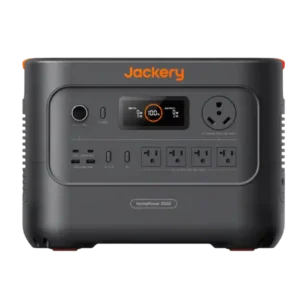
Jackery Explorer 3000 v2

Jackery Explorer 3000 v2

Overall score 4.3 / 5

Based on 8 scored reviews

vs
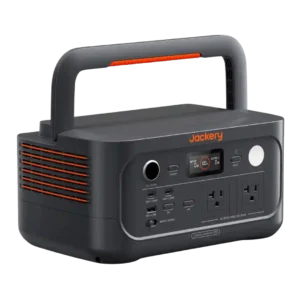
Jackery Explorer 500 v2

Jackery Explorer 500 v2

Overall score 4.1 / 5

Based on 16 scored reviews

How we score

Scorata scores summarize analyzed review evidence on a 1–5 scale; they are not laboratory measurements or a simple average of customer star ratings. Feature scores summarize the reviews covering that feature. The overall score averages feature scores within each review, then combines review averages. When both expert and customer evidence are available, those two groups receive equal weight. Products can have different review coverage, so small score gaps do not establish a winner.

Recommendations prioritize important features for the category, with a score of at least 3.5, a gap of at least 0.25 points and at least two supporting reviews per product. Features with widely varying scores or broad connectivity contexts are excluded from recommendations. These safeguards do not establish statistical significance.

Quick verdict

What each product is best for

The review evidence points to a tradeoff: input and output monitoring and high-demand appliance support versus solar panel bundle value and portability. Choose according to which strengths matter more to you; the overall score alone does not settle that choice.

Choose Jackery Explorer 3000 v2 for input and output monitoring and high-demand appliance support.

Choose Jackery Explorer 500 v2 for solar panel bundle value and portability.

Why these recommendations?

Jackery Explorer 3000 v2

Where It Has the Edge

  • input and output monitoring is 5.0 vs 2.0. Input and output wattage are presented clearly on both the front display and app.
  • high-demand appliance support is 5.0 vs 2.2. Kettles, heaters, induction hobs, compressors, and other power-hungry appliances are comfortably within its reach.
  • power output is 5.0 vs 3.3. The 3,600W inverter is a standout strength, powering demanding household appliances and production gear without feeling constrained by...

Jackery Explorer 500 v2

Where It Has the Edge

  • solar panel bundle value is 5.0 vs 3.8. The solar-panel bundles are viewed favorably, especially when they include the panel and extension cable needed for a...
  • portability is 4.9 vs 4.6. Portability is exceptional for the capacity, combining low weight, a compact body, and an easy carry handle that...
Jackery Explorer 3000 v2 4.3 overall score
Jackery Explorer 500 v2 4.1 overall score

Compare features

Scores are out of 5. Missing scores mean missing review evidence, not a missing feature.

Scored on both products

Other features

Ease of use
Jackery Explorer 3000 v2
5.0

Everyday operation is straightforward, with simple AC charging and clearly organized controls.

Jackery Explorer 500 v2
5.0

Simplicity is a major strength: the controls are approachable, setup is straightforward, and the lack of complex menus appeals even to nontechnical users.

Remaining runtime estimate
Jackery Explorer 3000 v2
5.0

Estimated runtime in the app helps users judge how long the connected setup can continue operating.

Jackery Explorer 500 v2
1.5

The display does not show remaining hours or minutes, a significant usability omission during backup use.

Input and output monitoring
Jackery Explorer 3000 v2
5.0

Input and output wattage are presented clearly on both the front display and app.

Jackery Explorer 500 v2
2.0

Low-wattage output monitoring is a weakness: the screen can show 0W even while a laptop is charging.

Quiet mode
Jackery Explorer 3000 v2
5.0

Quiet charging mode is particularly useful for campsites, bedrooms, studios, and sound-sensitive film sets.

Jackery Explorer 500 v2
2.0

There is no dedicated quiet mode, so users cannot manually prioritize lower fan noise when the unit becomes audible under load.

Remote monitoring
Jackery Explorer 3000 v2
5.0

The app gives useful remote visibility into battery level, power flow, and estimated runtime.

Jackery Explorer 500 v2
2.0

Remote monitoring is absent, so status and usage must be checked directly on the unit.

Peak output
Jackery Explorer 3000 v2
5.0

The 7,200W peak gives the station enough headroom for brief, demanding startup loads.

Jackery Explorer 500 v2
2.5

Surge performance is uncertain: one analysis observed protection cutting in below the claimed 1,000W figure during a sustained overload test.

Surge capacity
Jackery Explorer 3000 v2
5.0

Compressors, pumps, and power tools start confidently, with surge performance repeatedly described as a major advantage.

Jackery Explorer 500 v2
2.5

Surge capability is a point of caution because one overload test cut power below the advertised 1,000W surge figure.

Built-in light
Jackery Explorer 3000 v2
2.5

The front lamp has been removed; it is a minor disappointment rather than a deal breaker.

Jackery Explorer 500 v2
4.4

The integrated LED is a useful bonus for camping and outages, offering practical illumination and emergency modes.

Operating temperature range
Jackery Explorer 3000 v2
4.3

The LFP pack supports a broad practical temperature range, though extreme cold can still reduce performance.

Jackery Explorer 500 v2
2.5

Performance is best in dry, temperate conditions rather than temperature extremes, limiting confidence for harsher environments.

Accessory ecosystem
Jackery Explorer 3000 v2
2.3

Jackery offers useful panels, cables, and a trolley, but proprietary connectors and separately sold accessories make the ecosystem restrictive and costly.

Jackery Explorer 500 v2
4.0

The broader Jackery ecosystem, warranty support, and brand reputation add appeal for buyers who already value the brand’s accessories and support.

Power output
Jackery Explorer 3000 v2
5.0

The 3,600W inverter is a standout strength, powering demanding household appliances and production gear without feeling constrained by the compact chassis.

Jackery Explorer 500 v2
3.3

The 500W output is strong for small devices and a station this compact, but several competitors offer more inverter headroom in a similar size class.

Overload protection
Jackery Explorer 3000 v2
5.0

The inverter tolerated a severe temporary overload before shutting down, showing useful protective headroom.

Jackery Explorer 500 v2
3.5

The inverter shuts down under sustained overload as expected, but the way it communicates that cutoff could be clearer.

USB-A ports
Jackery Explorer 3000 v2
4.5

Two USB-A ports add useful legacy-device charging alongside the AC and USB-C outputs.

Jackery Explorer 500 v2
3.0

The single USB-A connection can feel limiting when several legacy devices need charging at once.

USB-C ports
Jackery Explorer 3000 v2
4.5

Two USB-C ports make laptops, phones, and modern production equipment easy to power directly.

Jackery Explorer 500 v2
3.0

The USB-C count is adequate but not generous; more than one reviewer wished for an extra modern charging port.

Weather resistance
Jackery Explorer 3000 v2
1.0

The exposed sockets have no ingress protection, so the station should be kept sheltered from weather.

Jackery Explorer 500 v2
2.5

Outdoor use is fine in fair conditions, but rain and temperature extremes call for added protection.

Recharge speed
Jackery Explorer 3000 v2
4.6

Wall and hybrid charging are impressively quick for a 3kWh battery, though one comparison found it slower than the fastest rivals.

Jackery Explorer 500 v2
3.5

Recharge speed is generally good, but one direct comparison found the 500 v2 slower than the larger 600 v2 despite only a modest price gap.

Lifting ease
Jackery Explorer 3000 v2
3.9

Two people can move it comfortably, and stronger users may carry it alone, but loading it into a vehicle can still be difficult.

Jackery Explorer 500 v2
5.0

At about 5.7kg, the station is easy to pick up and carry with one hand.

AC outlet count
Jackery Explorer 3000 v2
3.5

Three UK AC outlets are adequate for many uses, yet several accounts wished for the four outlets common on competing models.

Jackery Explorer 500 v2
4.5

Two AC outlets help make the front-panel connection mix feel practical for everyday use.

Expandability
Jackery Explorer 3000 v2
1.0

The system cannot grow beyond its built-in battery, a serious limitation for buyers planning multi-day or scalable home backup.

Jackery Explorer 500 v2
2.0

Capacity cannot be expanded, which limits the product for buyers whose power needs may grow beyond this mid-range size.

Weight
Jackery Explorer 3000 v2
4.0

At roughly 59 pounds, it feels heavy in isolation yet remarkably light for its capacity and output class.

Jackery Explorer 500 v2
4.9

At roughly 5.7kg, the unit is consistently praised as light for its capacity and easy to carry one-handed.

EPS switchover speed
Jackery Explorer 3000 v2
4.2

The claimed 20ms transition is fast enough for many devices, but it trails the quickest dedicated UPS-style competitors.

Jackery Explorer 500 v2
5.0

Backup handover was seamless in an office test, with no visible flicker, reboot, or delay when mains power was cut.

Home backup capability
Jackery Explorer 3000 v2
5.0

Home backup is a major strength, with enough output for demanding appliances and enough capacity to carry essential circuits through shorter outages.

Jackery Explorer 500 v2
4.2

For short blackouts, the station is well suited to routers, laptops, lights, and other essentials. Its capacity and output are too limited to replace a larger home-backup system.

Runtime
Jackery Explorer 3000 v2
4.9

The 3,072Wh battery offers meaningful endurance: mixed essential loads can last through an outage, while lighter single loads run much longer.

Jackery Explorer 500 v2
4.2

Runtime is strong for light loads and camping essentials but varies sharply by use case; laptops and small fridges fare well, while higher-draw backup use drains the modest battery quickly.

Maximum solar input
Jackery Explorer 3000 v2
5.0

Up to 1,000W of solar input gives the station strong off-grid potential, though reaching that ceiling may require several panels and adapters.

Jackery Explorer 500 v2
4.3

The 200W solar-input ceiling is a meaningful upgrade and well matched to this capacity, even if it is not class-leading.

Solar cable compatibility
Jackery Explorer 3000 v2
1.8

Solar cable compatibility is poor out of the box because common MC4 and XT-style setups generally require a DC8020 adapter.

Jackery Explorer 500 v2
2.5

Third-party solar cabling is less convenient because an MC4-to-DC8020 adapter may be required and can be difficult to source.

Solar panel compatibility
Jackery Explorer 3000 v2
1.8

Solar compatibility is a recurring weakness because Jackery's proprietary connector complicates third-party panel use.

Jackery Explorer 500 v2
2.5

Jackery’s own panels fit naturally, but using another brand is less convenient because of the proprietary DC8020 connection.

Outlet selection
Jackery Explorer 3000 v2
3.8

The AC and USB mix covers most everyday needs, but three AC sockets and no 240V output can restrict larger backup setups.

Jackery Explorer 500 v2
4.3

The overall connection mix is versatile for laptops, phones, and small appliances, though heavier multi-device setups may still need an extra adapter or hub.

Heat management
Jackery Explorer 3000 v2
5.0

Smart charging controls monitor overheating and balance fast performance with long-term battery health.

Jackery Explorer 500 v2
4.5

The battery design is credited with keeping temperatures under control and improving thermal safety in normal use.

Load handling
Jackery Explorer 3000 v2
5.0

The inverter handles high combined loads smoothly, from kitchen appliances to power tools and filming equipment.

Jackery Explorer 500 v2
4.5

Within its intended range, load handling is strong; small household devices run comfortably, and one test even powered a 600W drill briefly.

Packaging quality
Jackery Explorer 3000 v2
4.0

The layered packaging and built-in box handles make safe removal of the heavy unit easier.

Jackery Explorer 500 v2
4.5

The power station arrived securely protected with cardboard corner supports and foam inserts.

Storage convenience
Jackery Explorer 3000 v2
5.0

The compact form can fit in a closet, under a desk, or in a vehicle without claiming a permanent garage corner.

Jackery Explorer 500 v2
4.5

The compact housing and folding handle make the station easy to stow in a car, campervan, or home between uses.

USB-C power delivery
Jackery Explorer 3000 v2
4.5

The pair of 100W USB-C outputs is strong enough for laptops and other higher-power USB-C devices.

Jackery Explorer 500 v2
5.0

The 100W USB-C PD port is a standout feature, repeatedly praised for charging laptops directly at full speed without needing an AC brick.

Portability
Jackery Explorer 3000 v2
4.6

Portability is exceptional for a 3kWh station. It is still heavy, but far easier to move than many similarly powerful competitors.

Jackery Explorer 500 v2
4.9

Portability is exceptional for the capacity, combining low weight, a compact body, and an easy carry handle that works well for camping, vehicles, and job sites.

Energy efficiency
Jackery Explorer 3000 v2
4.8

Off-peak scheduling and battery-saving features can improve everyday energy use and reduce unnecessary battery wear.

Jackery Explorer 500 v2
4.5

Direct USB-C charging avoids unnecessary DC-to-AC conversion losses, making laptop charging more efficient than using a mains adapter.

Included accessories
Jackery Explorer 3000 v2
2.3

The included kit is sparse. The AC cable is supplied, but car and solar charging cables may need to be purchased separately.

Jackery Explorer 500 v2
2.5

The basic package is sparse, and the missing car-charging cable disappointed more than one reviewer.

UPS functionality
Jackery Explorer 3000 v2
4.2

UPS behavior is generally useful for backup electronics, though one account warned that sensitive desktop computers may notice the switchover.

Jackery Explorer 500 v2
4.4

UPS behavior is generally viewed positively for routers, computers, and short outages, including a seamless hands-on transfer. A more cautious analysis noted that sensitive-equipment performance has not been independently quantified.

Overall product satisfaction
Jackery Explorer 3000 v2
4.8

Overall sentiment is highly positive, centered on exceptional output, compact dimensions, and serious backup capability despite a few ecosystem limitations.

Jackery Explorer 500 v2
4.7

Overall sentiment is strongly positive: the Explorer 500 v2 is repeatedly praised as a compact, capable, easy-to-live-with mid-range station. The recurring reservations are its 500W ceiling and missing connected features.

Compactness
Jackery Explorer 3000 v2
5.0

The compact body is one of the product's strongest differentiators, fitting 3kWh capacity and 3,600W output into a surprisingly small enclosure.

Jackery Explorer 500 v2
5.0

Compactness is a defining strength. Reviewers repeatedly praised the lunch-box-like footprint, easy vehicle storage, and ability to deliver meaningful capacity without becoming bulky.

Control panel layout
Jackery Explorer 3000 v2
4.5

Controls and connections are grouped logically on the front, giving the station a simple, thoughtful layout.

Jackery Explorer 500 v2
4.5

The controls and ports are arranged simply and intuitively, making the front panel easy to understand without digging through menus.

Maintenance ease
Jackery Explorer 3000 v2
5.0

Compared with a petrol generator, the battery station avoids fuel-system servicing and routine engine upkeep.

Jackery Explorer 500 v2
5.0

Maintenance-free operation is a meaningful convenience compared with fuel-powered generators, especially for occasional backup use.

Output stability
Jackery Explorer 3000 v2
5.0

Appliance testing found clean, steady delivery without noticeable interruptions or voltage swings.

Jackery Explorer 500 v2
5.0

Stable output and pure-sine power make the station comfortable to use with sensitive electronics.

Power quality
Jackery Explorer 3000 v2
5.0

Power quality is consistently described as clean and safe for electronics, with stable operation under load.

Jackery Explorer 500 v2
5.0

Pure-sine output was viewed as safe and stable for computers and other sensitive electronics.

Pure sine wave output
Jackery Explorer 3000 v2
5.0

Pure sine wave output makes the station well suited to sensitive electronics and production equipment.

Jackery Explorer 500 v2
5.0

The pure-sine inverter is a strong fit for sensitive electronics, providing grid-like power rather than a cheaper modified waveform.

Remote control
Jackery Explorer 3000 v2
2.0

Remote switching works, although one test found commands laggy and slow to confirm.

Jackery Explorer 500 v2
2.0

There is no app-based remote control, which connected-power-station users may miss.

Self-discharge rate
Jackery Explorer 3000 v2
5.0

ZeroDrain-style standby performance is presented as excellent, with minimal need for periodic top-ups.

Jackery Explorer 500 v2
5.0

Low self-discharge is useful for emergency storage because the station retains charge more effectively while sitting unused.

Solar generator functionality
Jackery Explorer 3000 v2
5.0

As a solar generator, it delivers quiet, emission-free power with enough capacity for serious off-grid use.

Jackery Explorer 500 v2
5.0

Paired with a solar panel, the station works well as a compact off-grid solar setup for camping and mobile use.

Battery and charging

Car charging speed
Jackery Explorer 3000 v2
1.0

Charging from a standard vehicle socket is painfully slow and is unsuitable as the primary refill method.

Jackery Explorer 500 v2
4.0

Vehicle charging was considered reasonably quick for topping up while driving, even though it remains slower than mains charging.

Usable battery capacity
Jackery Explorer 3000 v2
5.0

Real-world use suggests a large share of the 3,072Wh pack is practically available, with long appliance runtimes and modest drain during tool work.

Jackery Explorer 500 v2
3.0

Delivered capacity varied by test method, ranging from close to the rated figure to a noticeably lower result under a heater load.

Solar charging speed
Jackery Explorer 3000 v2
3.1

Solar charging is workable but highly setup-dependent. A large array can recharge it quickly, while one or two 200W panels may take most of a day or longer.

Jackery Explorer 500 v2
4.8

Solar charging is well matched to the battery size, with a 100W panel producing practical full-day recharge times and clear gains over the previous generation.

Battery capacity
Jackery Explorer 3000 v2
5.0

Capacity is one of the clearest strengths, providing enough stored energy for serious home backup, off-grid work, and long equipment sessions.

Jackery Explorer 500 v2
3.7

The roughly 512Wh capacity is well suited to weekend camping, small electronics, and brief outages, but it is not enough for sustained heavy backup. Opinions soften when it is compared with slightly larger mid-range models.

Charging input compatibility
Jackery Explorer 3000 v2
2.4

Charging flexibility is broad in theory, but the proprietary DC8020 solar input makes third-party panel integration unnecessarily difficult.

Jackery Explorer 500 v2
3.5

The DC8020 input is less common than XT60-style standards, but readily available adapters reduce some of the inconvenience.

Battery expandability
Jackery Explorer 3000 v2
1.0

Capacity is fixed at 3,072Wh; buyers cannot add expansion batteries later, which limits multi-day backup growth.

Jackery Explorer 500 v2
2.0

Battery capacity cannot be expanded, so buyers who may outgrow 512Wh will need to move to a larger system rather than add packs.

Battery cycle life
Jackery Explorer 3000 v2
4.9

Cycle-life claims are unusually strong, generally pointing to thousands of cycles before major capacity loss.

Jackery Explorer 500 v2
4.3

Cycle life is widely seen as a strength, with several reviewers impressed by the long service-life claims. Some caution remains because the headline 6,000-cycle figure uses a 70% capacity threshold and lacks long-term independent verification.

Battery management system
Jackery Explorer 3000 v2
5.0

The battery management system provides broad protection against electrical faults and overheating.

Jackery Explorer 500 v2
4.5

The safety and temperature-management systems inspire confidence for powering sensitive electronics indoors and outdoors.

Battery longevity
Jackery Explorer 3000 v2
5.0

Long battery life is a core selling point, with the LFP pack expected to remain useful for many years.

Jackery Explorer 500 v2
4.9

Long-term battery life is one of the clearest advantages, with multiple reviews expecting many years of regular use and much slower degradation than older designs.

AC charging speed
Jackery Explorer 3000 v2
4.6

Most accounts put a full AC recharge around 1.7–1.8 hours, excellent for restoring power between outages; one test reported a slower but still acceptable result.

Jackery Explorer 500 v2
4.6

Mains charging is a major strength, with most accounts describing roughly 70–80 minute full charges as fast or competitive. One more skeptical take called the charging specs merely okay.

Battery chemistry
Jackery Explorer 3000 v2
5.0

LiFePO4 chemistry brings strong safety, thermal stability, and lifespan advantages over older lithium-ion designs.

Jackery Explorer 500 v2
5.0

LiFePO4 chemistry is treated as a substantial improvement, with durability and long-term ownership benefits outweighing the modest energy-density tradeoff.

Battery storage performance
Jackery Explorer 3000 v2
5.0

Low standby loss helps the battery remain ready after long storage, an important benefit for emergency use.

Jackery Explorer 500 v2
5.0

Stored-charge retention is a strength, helping the station remain ready after sitting unused for emergency backup.

Dual-input charging
Jackery Explorer 3000 v2
5.0

Combining wall and solar input produces the fastest recharge times and is especially useful when charging windows are short.

Jackery Explorer 500 v2
5.0

Combining power sources is highly useful, cutting full recharge time and giving off-grid users more flexibility when fast turnaround matters.

LiFePO4 battery
Jackery Explorer 3000 v2
5.0

The LFP battery is a major upgrade for buyers who value safer chemistry and years of repeated use.

Jackery Explorer 500 v2
5.0

The move to LiFePO4 is one of the most praised upgrades, improving expected service life and making the v2 much more compelling than older chemistry.

Controls and connectivity

App connectivity
Jackery Explorer 3000 v2
5.0

Pairing the unit with the app is quick and straightforward.

Jackery Explorer 500 v2
2.2

There is no app connectivity, a recurring drawback for buyers who want remote monitoring or settings. One reviewer saw the omission as a possible benefit for people who prefer a simpler, receiver-free device.

High-demand appliance support
Jackery Explorer 3000 v2
5.0

Kettles, heaters, induction hobs, compressors, and other power-hungry appliances are comfortably within its reach.

Jackery Explorer 500 v2
2.2

The 500W continuous ceiling is the clearest limitation. It is comfortable with small electronics and camping gear but not a good fit for heaters, full-size kettles, air fryers, or many power tools.

Bluetooth connectivity
Jackery Explorer 3000 v2
3.0

Bluetooth control works reliably nearby, but the range requirement limits true remote access.

Jackery Explorer 500 v2
1.8

Bluetooth is absent, which several reviewers treated as a clear limitation for users who want connected control.

Review contexts may differ, so use caution when interpreting the score gap.

Performance

Hot-weather performance
Jackery Explorer 3000 v2
5.0

The LFP chemistry is well suited to hot garages, attics, and storage conditions thanks to its wider safe temperature range.

Jackery Explorer 500 v2
2.5

The station is better suited to temperate conditions than extreme heat, and reviewers caution against leaving it in a very hot vehicle.

Full-load noise
Jackery Explorer 3000 v2
5.0

Even under heavy load, fan noise was reported below normal conversational volume.

Jackery Explorer 500 v2
3.0

Fan noise at heavier loads is inconsistent across accounts, ranging from very quiet to noticeably noisy, so full-load acoustics are a mixed point.

Specification accuracy
Jackery Explorer 3000 v2
3.0

Jackery's dramatic size-and-weight claims appear plausible, but one tester could not independently confirm the exact percentages.

Jackery Explorer 500 v2
2.3

Some published claims deserve caution, including conflicting charge-time figures and aggressive cycle-life or class-leading marketing statements.

Cold-weather performance
Jackery Explorer 3000 v2
3.0

Three-season use should be dependable, but output is expected to fall in very cold conditions.

Jackery Explorer 500 v2
2.5

Extreme cold is not the ideal operating environment; one reviewer specifically advised against leaving the unit in freezing conditions.

Noise level
Jackery Explorer 3000 v2
5.0

Quiet operation is a notable advantage, with fan noise staying unobtrusive even during demanding use.

Jackery Explorer 500 v2
4.8

Quiet operation is one of the product’s strongest comfort advantages, with several reviewers describing it as nearly silent or whisper-quiet in normal use.

Display quality
Jackery Explorer 3000 v2
4.8

The display is clear and information-rich, showing the essential battery and power-flow details at a glance.

Jackery Explorer 500 v2
5.0

The display is bright and crisp, staying clear enough to use outdoors in direct sunlight.

Display readability
Jackery Explorer 3000 v2
4.8

A bright, easy-to-read screen makes remaining charge and operating status simple to check.

Jackery Explorer 500 v2
5.0

Outdoor legibility is excellent, with key status information remaining easy to read even in bright sun.

Ownership and support

Solar panel bundle value
Jackery Explorer 3000 v2
3.8

Jackery's SolarSaga panels are easy to deploy and well designed, but their high price weakens bundle value.

Jackery Explorer 500 v2
5.0

The solar-panel bundles are viewed favorably, especially when they include the panel and extension cable needed for a practical off-grid setup.

Simultaneous device support
Jackery Explorer 3000 v2
5.0

The mix of AC and USB outputs can support several devices together, with ample headroom for typical backup and production setups.

Jackery Explorer 500 v2
4.8

Multiple phones, laptops, cameras, and other small devices can be powered together comfortably as long as total draw stays within the 500W limit.

Warranty
Jackery Explorer 3000 v2
5.0

A five-year warranty adds meaningful reassurance for a high-priced power station.

Jackery Explorer 500 v2
4.8

The five-year warranty/support package is repeatedly viewed as generous for a battery product.

Value for money
Jackery Explorer 3000 v2
4.1

Value depends heavily on sale pricing. The performance-to-weight ratio is excellent, but full retail pricing carries a premium and rivals may offer expansion.

Jackery Explorer 500 v2
3.9

Value is strongest at discounted prices and for buyers who prioritize portability, battery life, and simplicity. At full price, some rivals offer more output or capacity for a similar spend.

Long-term reliability
Jackery Explorer 3000 v2
5.0

LFP chemistry and high cycle ratings support strong long-term reliability for backup and professional use.

Jackery Explorer 500 v2
4.9

Reliability is a consistent strength, with the product described as dependable, built to last, and easy to trust on regular trips.

Comfort and build

Water resistance
Jackery Explorer 3000 v2
1.0

There is no meaningful water protection around the uncovered sockets.

Jackery Explorer 500 v2
2.0

Water protection is limited; the unit should be kept sheltered if rain starts.

Housing durability
Jackery Explorer 3000 v2
5.0

The housing feels sturdy and durable enough for mobile work, vehicle transport, and regular backup use.

Jackery Explorer 500 v2
4.5

The shock-resistant, fire-protected casing is built for travel and practical handling rather than delicate indoor-only use.

Durability
Jackery Explorer 3000 v2
5.0

The structural design and robust shell inspire confidence for transport, job-site use, and repeated handling.

Jackery Explorer 500 v2
4.8

The unit feels robust enough for travel, workshops, and campsite handling rather than something that needs to be babied.

Size and footprint
Jackery Explorer 3000 v2
4.8

Its milk-crate or suitcase-like footprint is easy to store and vehicle-friendly, though still oversized for casual family camping.

Jackery Explorer 500 v2
5.0

The lunch-box-like footprint is a major advantage, giving the station meaningful capacity without taking up much room.

Build quality
Jackery Explorer 3000 v2
4.8

Construction feels solid and robust, with the cell-to-body structure adding strength while reducing bulk.

Jackery Explorer 500 v2
5.0

Construction quality is consistently excellent, with reviewers describing the station as well made, premium, and dependable enough for regular camping use.

Design aesthetics
Jackery Explorer 3000 v2
5.0

The familiar orange-accented design looks polished, compact, and thoughtfully arranged.

Jackery Explorer 500 v2
5.0

The cleaner, more subdued redesign is widely liked, with reviewers praising its shape, styling, and reduced use of the older bright-orange look.

Materials quality
Jackery Explorer 3000 v2
5.0

The enclosure materials feel robust, while the integrated cell-to-body construction adds structural strength without excess bulk.

Jackery Explorer 500 v2
5.0

The finished plastic exterior and integrated handle give the unit a premium, well-made feel.

Evidence available for one product

Other features

12-volt outlet
Jackery Explorer 3000 v2No score yet
Jackery Explorer 500 v2
3.5

The 12V car socket is still useful for accessories, though one reviewer felt it is becoming less important as USB standards take over.

Dust resistance
Jackery Explorer 3000 v2
1.0

Uncovered ports leave the unit vulnerable to dust and debris in workshops or outdoor settings.

Jackery Explorer 500 v2No score yet
Eco mode
Jackery Explorer 3000 v2No score yet
Jackery Explorer 500 v2
4.5

Energy-saving behavior is generally useful for reducing idle drain and extending stored power, though one reviewer worried the physical switch could be bumped accidentally.

Exhaust emissions
Jackery Explorer 3000 v2
5.0

Battery power provides generator-level capability without exhaust fumes, making indoor and close-quarters use far more practical than fuel equipment.

Jackery Explorer 500 v2No score yet
Firmware updates
Jackery Explorer 3000 v2No score yet
Jackery Explorer 500 v2
2.0

Without Wi-Fi or Bluetooth, users cannot initiate the kind of firmware updates that can add or improve functionality over time.

Fold-flat handle
Jackery Explorer 3000 v2No score yet
Jackery Explorer 500 v2
4.3

The folding carry handle contributes to easy transport and helps keep the unit convenient to stow when not in use.

Impact resistance
Jackery Explorer 3000 v2No score yet
Jackery Explorer 500 v2
4.5

Shock-resistant construction adds confidence for outdoor, workshop, and travel use where the unit may be moved or set down frequently.

Instruction quality
Jackery Explorer 3000 v2No score yet
Jackery Explorer 500 v2
4.5

The included manual is simple and straightforward, matching the product’s uncomplicated setup.

Inverter quality
Jackery Explorer 3000 v2
5.0

The inverter earns high marks for clean delivery, stable voltage, and protective shutdown after a severe temporary overload.

Jackery Explorer 500 v2No score yet
Maintenance frequency
Jackery Explorer 3000 v2
5.0

There are no oil changes, spark-plug jobs, or recurring engine-maintenance intervals to manage.

Jackery Explorer 500 v2No score yet
Outlet accessibility
Jackery Explorer 3000 v2
4.0

Front-mounted outlets and controls are easy to reach during everyday use.

Jackery Explorer 500 v2No score yet
Over-temperature protection
Jackery Explorer 3000 v2
5.0

Overheating is actively monitored, adding confidence during fast charging and heavy output.

Jackery Explorer 500 v2No score yet
Rated output
Jackery Explorer 3000 v2
5.0

The 3,600W rated output feels unusually strong for such a compact station and comfortably sustains demanding household and professional loads.

Jackery Explorer 500 v2No score yet
Safety certifications
Jackery Explorer 3000 v2No score yet
Jackery Explorer 500 v2
4.5

CE, WEEE, and RoHS certifications add reassurance about manufacturing and environmental standards.

Short-circuit protection
Jackery Explorer 3000 v2
5.0

Short-circuit protection is included within the comprehensive battery management system.

Jackery Explorer 500 v2No score yet
Sleep mode behavior
Jackery Explorer 3000 v2No score yet
Jackery Explorer 500 v2
4.0

The physical energy-saving control gives users a simple way to prevent unwanted low-load shutoff, which is useful for devices that must stay running.

Standby power loss
Jackery Explorer 3000 v2
5.0

Standby losses are exceptionally low, reducing the need to recharge the unit periodically while it waits for an outage.

Jackery Explorer 500 v2No score yet
Sustainability
Jackery Explorer 3000 v2No score yet
Jackery Explorer 500 v2
4.8

Long-lived LiFePO4 cells, solar charging, and emission-free operation make the product appealing to buyers who want a lower-maintenance renewable-power option.

Transfer switch compatibility
Jackery Explorer 3000 v2
5.0

Manual transfer-switch support makes selected hardwired home circuits practical during an outage without installing a full stationary battery system.

Jackery Explorer 500 v2No score yet
Voltage regulation
Jackery Explorer 3000 v2
5.0

Voltage stayed stable during multi-device testing, including demanding household loads.

Jackery Explorer 500 v2No score yet
Wheel quality
Jackery Explorer 3000 v2
2.0

Built-in wheels are absent, an awkward omission for a unit this heavy; an optional trolley is available.

Jackery Explorer 500 v2No score yet
Whole-home integration
Jackery Explorer 3000 v2
3.5

Transfer-switch compatibility expands home use, yet the lack of 240V output and battery expansion keeps it from being a complete whole-home solution.

Jackery Explorer 500 v2No score yet

Controls and connectivity

App quality
Jackery Explorer 3000 v2
4.1

App quality ranges from clean and intuitive to somewhat laggy. Monitoring is strong, but remote commands may take several seconds to register.

Jackery Explorer 500 v2No score yet
Wi-Fi connectivity
Jackery Explorer 3000 v2No score yet
Jackery Explorer 500 v2
1.8

Wi-Fi is missing, preventing app-based monitoring and control and standing out against more connected competitors.

Review contexts may differ, so use caution when interpreting the score gap.

Battery and charging

Battery reliability
Jackery Explorer 3000 v2
5.0

The LFP pack is positioned as highly dependable, with long cycle life and years of expected service.

Jackery Explorer 500 v2No score yet
EV charging usefulness
Jackery Explorer 3000 v2
4.5

The large surge reserve is described as capable of supporting EV charging, though no detailed vehicle-charging test was provided.

Jackery Explorer 500 v2No score yet
Generator charging speed
Jackery Explorer 3000 v2
5.0

A fuel generator can restore the battery quickly, making extended outages easier to manage while returning to silent battery power afterward.

Jackery Explorer 500 v2No score yet
Pass-through charging
Jackery Explorer 3000 v2No score yet
Jackery Explorer 500 v2
5.0

Pass-through charging is a major practical advantage for road trips and outages because devices can stay powered while the station itself recharges.

Ownership and support

Customer support
Jackery Explorer 3000 v2No score yet
Jackery Explorer 500 v2
4.8

Support receives strong marks, including praise for responsiveness and for the long support period accompanying the product.

Ease of setup
Jackery Explorer 3000 v2
5.0

Basic setup is simple: connect wall power, solar, or both, and the station is ready with little configuration.

Jackery Explorer 500 v2No score yet
Operating cost
Jackery Explorer 3000 v2
4.7

Off-peak charging and stored solar energy can lower operating costs, while a full wall recharge remains relatively inexpensive.

Jackery Explorer 500 v2No score yet
Startup reliability
Jackery Explorer 3000 v2
5.0

Demanding startup loads such as compressors and power tools engage reliably without immediate tripping.

Jackery Explorer 500 v2No score yet

Tracking and training

Energy usage tracking
Jackery Explorer 3000 v2
4.8

The app can track power flow, solar generation, and related energy savings, making it useful beyond basic battery monitoring.

Jackery Explorer 500 v2No score yet

Comfort and build

Frame durability
Jackery Explorer 3000 v2
5.0

The rigid cell-to-body chassis is designed to improve structural strength during transport and repeated handling.

Jackery Explorer 500 v2No score yet
Handle comfort
Jackery Explorer 3000 v2
5.0

Large ergonomic side handles improve grip comfort and make two-person carries straightforward.

Jackery Explorer 500 v2No score yet

Performance

Idle noise
Jackery Explorer 3000 v2
5.0

At ordinary loads, the cooling fans can be virtually inaudible from a few feet away.

Jackery Explorer 500 v2No score yet
Startup performance
Jackery Explorer 3000 v2
5.0

Compressors and power tools with demanding startup spikes engage without immediately tripping the station.

Jackery Explorer 500 v2No score yet

Other Top Generators to Consider

#1 EcoFlow Delta 3 Plus Review
4.6

Best for rapid charging, versatile ports, excellent app control, and portable backup for appliances or electronics. Skip it for unattended low-load use or sustained heavy loads unless fan behavior and...

Pros: rated output, peak output

Cons: 30-amp output, parallel operation support

#2 Vtoman FlashSpeed Pro 3600
4.5

Best for fast-charging, high-output backup power that can run major appliances and roll easily between locations. Skip it if you need frequent lifting, a small footprint, or a screen that...

Pros: power output, surge capacity

Cons: specification accuracy, peak output

#3 Anker Solix C1000
4.5

Best for fast charging, strong portable output, and short outage or camping duty. Skip it for quiet rooms, multi-day whole-home backup, or solar-only use with small panels.

Pros: power output, rated output

Cons: dual-input charging, cable storage

#4 AFERIY P280
4.5

Choose the P280 for high-output home, RV, or off-grid backup with fast charging, strong usable capacity, UPS protection, and expansion. Skip it if you need lightweight portability, polished app control,...

Pros: rated output, peak output

Cons: app connectivity, voltage regulation