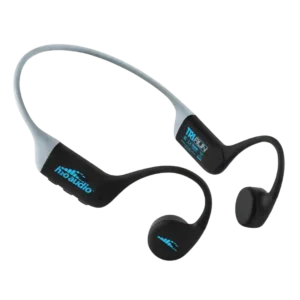
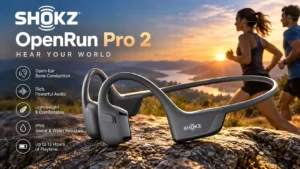
H2O Audio Tri Run
Where It Has the Edge
- Water/sweat resistance rating is 5.0 vs 4.7. IPX8 protection is one of the strongest features, giving broad confidence against heavy sweat, rain, and rinsing. The...

Scorata scores summarize analyzed review evidence on a 1–5 scale; they are not laboratory measurements or a simple average of customer star ratings. Feature scores summarize the reviews covering that feature. The overall score averages feature scores within each review, then combines review averages. When both expert and customer evidence are available, those two groups receive equal weight. Products can have different review coverage, so small score gaps do not establish a winner.
Recommendations prioritize important features for the category, with a score of at least 3.5, a gap of at least 0.25 points and at least two supporting reviews per product. Features with widely varying scores or broad connectivity contexts are excluded from recommendations. These safeguards do not establish statistical significance.
Quick verdict
The review evidence points to a tradeoff: Water/sweat resistance rating versus Equalizer customization and USB-C. Choose according to which strengths matter more to you; the overall score alone does not settle that choice.
Choose H2O Audio Tri Run for Water/sweat resistance rating.
Choose Shokz OpenRun Pro 2 for Equalizer customization and USB-C.
Scores are out of 5. Missing scores mean missing review evidence, not a missing feature.
Spoken audio, vocals, and lighter pop can sound clear enough, but most listeners found music quality only average for the price. Bass-heavy and layered tracks often turn muddy or thin, while one assessment was far more positive about clarity.
Its hybrid bone- and air-conduction drivers offer much fuller, clearer music than older bone-conduction models. They still lack the depth and fidelity of strong in-ear headphones, and a few listeners find the presentation thin or flat.
Wind handling is weak. Outdoor callers may hear wind and footstep noise more clearly than the wearer’s voice.
The dual-mic processing can substantially reduce street or wind noise, but strong gusts still produce whooshing and can muffle speech.
Low-end performance is the clearest audio weakness: bass is usually described as light, muddy, or missing impact. A few tracks retained audible bass lines, but dense music and windy conditions exposed the limitation.
DualPitch adds welcome bass body and punch without the usual cheekbone buzz. Deep sub-bass still falls short of sealed earbuds, and the fit can change how much low end reaches your ears.
The sound is fixed out of the box because no EQ tools are provided. Listeners who dislike the stock tuning have no way to correct the weak bass or grainy treble.
A five-band custom EQ offers useful control over the balance of bass, vocals, and treble. It improves versatility without overcoming the fundamental limits of open-ear playback.
Call performance is inconsistent and often poor outdoors. Two callers heard fuzzy, distant, or underwater-sounding speech, although another listener considered the headset suitable for calls and spoken voices.
Calls are intelligible in quiet conditions, with some strong reports from streets and runs. Results become much less consistent in wind, and some voices sound muffled.
There is no companion app. That keeps operation refreshingly simple, but it also removes control remapping, extra features, and software-based personalization.
The companion app provides convenient access to sound settings, battery information, and multipoint controls. An early test encountered recognition trouble before a software update.
Physical buttons are widely preferred for workouts and are often easy to reach without breaking stride. Experiences were not uniform: some volume controls felt finicky or sticky, and one wearer could not find a reliable track-skip command.
Dedicated physical buttons are especially useful when running or sweating. Their spacing and position take practice, and the small volume keys can be hard to distinguish with gloves.
Daily use is mostly simple: power on, connect, and start the workout. One reviewer found the initial two-button pairing method confusing, but most considered setup effortless.
Pairing is usually fast and uncomplicated, though getting some extra settings requires the app.
Pairing is usually quick and reliable across everyday devices. One tester found the two-button connection process unintuitive, but the others reported seamless or trouble-free Bluetooth use.
Bluetooth connections generally pair quickly and stay stable through movement between nearby rooms and devices.
Standard USB-C charging is missing. The proprietary cable and USB-A end feel dated and add another accessory to keep track of.
The standard USB-C connector is a particularly welcome upgrade because it removes the need to carry a special Shokz charging cable.
Layered guitars and rhythm sections can collapse into a cloudy mix. The headphones struggle to keep instruments distinct when tracks become dense.
Instruments remain surprisingly distinct for an open-ear workout headset, helping busy tracks feel organized.
Maximum-volume performance varies sharply. Some upper frequencies stay clear without distortion, while another listener encountered tinny rattling and severe vibration at full output.
Music can remain articulate at raised volume, although its open drivers still have limited headroom against outdoor noise.
The silicone tightening band can transform the fit for a smaller head, but it did not solve the problem for everyone. Fit adjustment is useful yet not universally effective.
The rear band cannot be resized, making the right Standard or Mini choice important. It can shift when it is too loose or gets pushed by clothing.
Overall opinion is split between a capable, simple entry-level workout headset and an underperforming alternative to stronger rivals. Secure fit and awareness earn praise, but sound, calls, battery, and charging keep enthusiasm in check.
This is a favorite for workouts that demand awareness, secure fit, and better-than-usual bone-conduction sound. The specialized design makes it a less convincing one-pair solution for all listening.
A silicone tightening accessory is included for smaller heads. It produced a perfect fit for one wearer but failed to resolve another wearer’s fit concerns.
The supplied case and charging cable cover the basics and make transport and charging straightforward.
The wraparound frame works comfortably with glasses, hats, helmet straps, and eyewear arms. These accessories did not make the fit feel crowded in the tests that covered them.
Many people wear them comfortably with glasses, caps, or bike helmets. Thicker frames and some helmets can compete for space or move the hooks.
High frequencies drew conflicting reactions, ranging from clear and distortion-free to grainy. Simpler pop and spoken content fare better than demanding music.
Highs are generally clearer and more detailed than on older Shokz sets. Some tracks still sound softened or less crisp than on conventional headphones.
Output is adequate on quiet paths and can sound loud indoors, but wind and traffic often overpower it. One account found it capable of cutting through ambient noise, making this strongly environment-dependent.
Volume is usable indoors and improved over older versions, but strong traffic, wind, and gym noise can overpower it. Turning it up further does not fix the lack of isolation.
Vocals, podcasts, and other mid-focused content are a consistent strength. Voices sit forward and remain easy to understand even when the rest of the mix sounds clouded.
Spoken voices and many instruments sound present and easy to follow, particularly at moderate volumes. Some listeners find the midrange fuller than the treble and bass surrounding it.
IPX8 protection is one of the strongest features, giving broad confidence against heavy sweat, rain, and rinsing. The rating does not make Bluetooth playback usable underwater.
IP55 coverage works well for sweat, splashes, and typical rain. It is less protective than certain older Shokz models and should not be mistaken for a swimming rating.
There is no onboard storage, so playback depends on a phone or connected watch. That prevents underwater listening and true phone-free use, though it matters less for athletes who already carry a connected device.
There is no onboard music library for leaving your phone behind, unlike some swim-oriented alternatives.
Stability is excellent for most runners and cyclists, including uneven trails and intense sessions. Head shape and high collars can still affect how securely the neckband sits.
The ear hooks and rear band hold securely through running, sprints, and many workouts. Some gym positions and cycling helmets can shift the band.
Open-ear awareness is a standout strength. Traffic, other people, and surrounding activity remain audible, making the headset especially suitable for outdoor running and cycling.
Open ear canals make approaching cars, bicycles, conversations, and outdoor hazards easier to hear while music plays. That awareness is its defining advantage for road and trail exercise.
Charging works, but the proprietary four-pin cable, USB-A connection, and lack of quick charging are frequent frustrations. Losing the cable can create an inconvenient replacement problem.
Fast charging is a convenience: a short top-up can restore enough playback for a workout. Routine charging is quicker and simpler than with older proprietary-port models.
Real-world battery life centers on roughly five to six hours, and the product generally meets that rating. Several competitors run substantially longer, though one tester considered six hours reasonable for such a light headset.
Battery endurance commonly stretches through long runs, rides, and multiple ordinary sessions. High-volume playback reduces the advertised twelve-hour figure, with some experiences falling substantially shorter.
High volume can create the characteristic bone-conduction tickle along the cheeks or jaw. For some it stays mild, but others found the vibration distracting or intense enough to stop listening.
The extra air-conduction driver sharply reduces the distracting cheekbone tickle of earlier designs. Pure bone-conduction Classic mode can bring some vibration back.
The frame generally rests gently without pinching or excessive pressure. The cheek drivers also avoid pressing hard enough to cause normal-use discomfort.
Gentler contact pressure keeps the pads from digging into cheeks over long sessions, while still maintaining a secure grip.
The flexible silicone and rubberized construction feels light yet sturdy rather than cheap. Coatings held up during testing, and the frame was repeatedly described as dependable for active use.
The flexible titanium-based neckband and coated construction generally feel sturdy and ready for sports. The fixed shape may still demand care when packed.
The slim wraparound form is familiar, flexible, and unobtrusive during exercise. It creates a secure athletic fit, but the neckband style itself remains a matter of personal preference.
The light wraparound silhouette looks sporty and unobtrusive to many, though cheek-mounted speakers can look unusual next to true wireless buds.
Most wearers found the headset extremely light and comfortable for long runs, rides, and hour-plus sessions. The neckband and cheek transducers remain subjective, especially with certain head shapes, hair, collars, or piercings.
The unobstructed ear canals, flexible hooks, and soft contact points make these unusually comfortable over multi-hour sessions. New wearers may need a little time to adapt to the cheekbone contact.
The low weight is a major advantage, with several wearers barely noticing the headset once it was on. Evenly distributed weight helps it stay comfortable during extended exercise.
At roughly thirty grams, the wraparound design feels almost weightless during running and all-day wear.
Simultaneous connection to two devices could not be established. One tester viewed the missing multipoint function as a minor limitation rather than a deal-breaker.
Pairing two sources is handy for moving between a phone, watch, or computer, and switching is often reported as smooth.
Value depends heavily on a firm $99 budget ceiling. Some see a strong entry point with excellent weather protection, while others argue that spending only a little more brings much better sound, battery life, controls, and fit options.
The premium buys improved bass, secure fit, and USB-C, but less expensive Shokz models meet many of the same sporting needs. Value depends on how much the sound upgrade matters.
There is no active noise cancellation to reduce loud background noise, which limits their suitability as everyday all-purpose headphones.
Video suitability is mixed: one test reports no lip-sync lag, while another warns against timing-sensitive video editing.
One intensive sweat test produced no connection dropouts. Audio stayed stable even as moisture ran down the wearer’s head and face.
The open design intentionally leaves surrounding sounds unblocked. This is useful for safety but makes listening difficult near traffic, fans, and other loud surroundings.
Leakage is usually restrained at sensible workout volumes but becomes noticeable in quiet offices, trains, or when the volume is raised.
The presentation can feel pleasantly open, but it does not create the expansive, immersive stage of high-fidelity sealed headphones.
At cycling speeds and on exposed running routes, wind can overpower music and especially spoken podcasts despite otherwise good audio.
Pairing with a Samsung Galaxy phone worked without issues in the available Android test. No broader Android-specific problems were reported.
The included case protects the headphones with firm construction and padding, yet it is bulky; one zipper also feels less polished.
Audio and comfort are most reliable when the cheekbone drivers sit in the right position. A fixed band and differing head shapes can make alignment less consistent for some people.
The rear band occasionally catches long hair or gets nudged by hoodies and high collars, affecting an otherwise comfortable fit.
The headset paired successfully with iPhone, Samsung, Garmin, and Amazfit devices. That broad compatibility makes it practical across phones and fitness watches.
The tidy box and carefully presented accessories make a favorable first impression.
The flexible band is light enough to slip into a bag, but it does not fold into a pocket-size bundle. The case adds bulk.
Ready-made vocal, bass, and treble profiles add convenience, but their results vary; the default Standard mode is sometimes more satisfying than the boosts.
The battery is not easily replaced, limiting repair options over the long term.
There is no automatic wear detection or power-off convenience, so audio can continue when the headset is removed.
The covered charging port adds protection against sweat and splashes, although one headset had a troublesome flap that would not stay closed.
Its SBC-only codec support is limited compared with feature-rich earbuds, although the open-ear listening format places other priorities first.
Replacement support can become expensive outside the home market. One UK tester found the shipping cost for a low-priced replacement charging cable unreasonably high.
Standard and Mini lengths help accommodate different heads, but neither offers finer adjustment. Trying the size before buying is useful if you fall between fits.
The physical shortcut makes voice assistance easy to call up, including requests made during exercise.
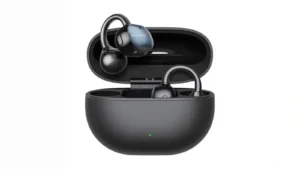
Choose the UU2 for unusually full open-ear sound, all-day comfort, strong battery life and excellent value. Skip it if you need sealed-bud isolation, consistently strong calls, or zero tolerance for...
Pros: Overall satisfaction, Sound quality
Cons: Spatial audio
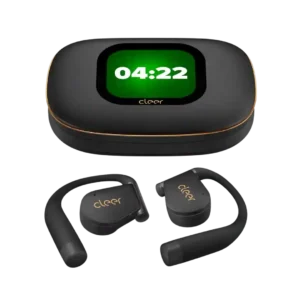
Best for all-day comfort, secure open-ear awareness, long battery life, and a genuinely useful touchscreen case. Skip it if deep bass, strong isolation, compact size, or consistently premium music quality...
Pros: Overall satisfaction, Carry case quality
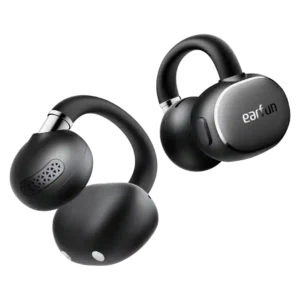
Best for lightweight all-day comfort, outstanding battery life, dependable physical controls, and premium features at a budget price. Skip it if you need deep bass, noise isolation, flawless high-volume sound,...
Pros: Overall satisfaction, Sound quality
Cons: Maximum volume clarity, Noise isolation (passive)
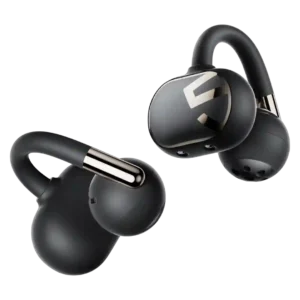
Best for featherlight all-day comfort, secure workout fit, strong open-ear sound, and unusually rich features for the price. Skip it if you need ANC, deep sub-bass, high volume in noisy...
Pros: Comfort during long use, Sound quality
Cons: Carry case quality, Touch control responsiveness