Scorata scores summarize analyzed review evidence on a 1–5 scale; they are not laboratory measurements or a simple average of customer star ratings. Feature scores summarize the reviews covering that feature. The overall score averages feature scores within each review, then combines review averages. When both expert and customer evidence are available, those two groups receive equal weight. Products can have different review coverage, so small score gaps do not establish a winner.
Recommendations prioritize important features for the category, with a score of at least 3.5, a gap of at least 0.25 points and at least two supporting reviews per product. Features with widely varying scores or broad connectivity contexts are excluded from recommendations. These safeguards do not establish statistical significance.
Quick verdict
What each product is best for
The review evidence points to a tradeoff: audience appeal and theme depth versus season finale quality and ending satisfaction. Choose according to which strengths matter more to you; the overall score alone does not settle that choice.
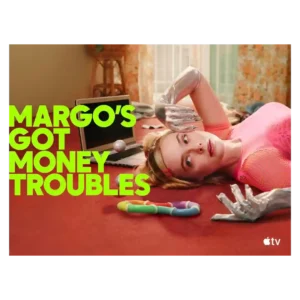
Choose Margo’s Got Money Troubles for audience appeal and theme depth.
Choose DANG! for season finale quality and ending satisfaction.
Why these recommendations?
Margo’s Got Money Troubles
Where It Has the Edge
audience appeal is 4.6 vs 3.1. Most critics found the series charming, moving, and easy to recommend, with several calling it a must-watch or...
theme depth is 4.7 vs 3.2. Motherhood, sex work, class, addiction, faith, respectability, and self-determination give the comedy substantial weight. The main debate is...
originality is 4.3 vs 2.8. The premise and Hungry Ghost material feel singular even when the family and coming-of-age tropes are familiar. Some...
DANG!
Where It Has the Edge
season finale quality is 4.2 vs 2.3. The season finale is one of the better-received episodes, giving the family arc a natural endpoint and some...
ending satisfaction is 4.2 vs 3.8. The Boston-set finale is generally viewed as one of the stronger episodes and a natural place to end...
Margo’s Got Money Troubles4.4 overall score
DANG!3.6 overall score
Compare features
Scores are out of 5. Missing scores mean missing review evidence, not a missing feature.
Scored on both products
Other features
Episode structure
Margo’s Got Money Troubles
5.0
The full-season story was called tightly constructed, with family foundations established before the more extravagant online persona appears.
DANG!
2.5
Standalone stories and occasional cutaway gags can interrupt momentum. Reviewers who object to the structure want stronger cohesion between episode ideas and the ongoing family arc.
Sexual content level
Margo’s Got Money Troubles
4.7
Despite extensive nudity and a sex-work premise, several critics say the presentation is frank rather than exploitative. The restraint works for many, while skeptics see it as another sign the show sanitizes its subject.
DANG!
2.3
Responses to the sexual and crude material vary sharply. One critic finds it excessively detailed or disgusting, while another appreciates that the sex-and-drug jokes are restrained enough to leave room for the family story.
Dialogue quality
Margo’s Got Money Troubles
5.0
The dialogue was praised as realistic and punchy, helping the show move between family conflict, humor, and class commentary.
DANG!
3.0
The verbal comedy is inconsistent: some critics find punchlines strained or random, while others enjoy the siblings’ fast back-and-forth roasting.
Writing quality
Margo’s Got Money Troubles
5.0
The scripts are praised for sharp humor, emotional clarity, and thematic ambition, but criticized when court drama, tonal shifts, or convenient resolutions become too visible.
DANG!
3.1
Script quality is uneven across critics: topical references and less-distinctive writing draw criticism, while another reviewer praises the quick-witted lines and laugh-out-loud moments.
Season finale quality
Margo’s Got Money Troubles
2.3
The finale contains moving closure but also the season’s most disputed choices: an oversized courtroom sequence, a head-scratching denouement, and a late turn that some found unearned.
DANG!
4.2
The season finale is one of the better-received episodes, giving the family arc a natural endpoint and some character growth. Its emotional impact is more warm and light than devastating.
Theme depth
Margo’s Got Money Troubles
4.7
Motherhood, sex work, class, addiction, faith, respectability, and self-determination give the comedy substantial weight. The main debate is whether the series interrogates those ideas deeply enough or protects viewers with too many guardrails.
DANG!
3.2
The show touches on adulthood, family expectations, identity, anxiety, dating, and social pressure with real insight at times. Several critics still think those ideas stop short of deeper exploration.
Originality
Margo’s Got Money Troubles
4.3
The premise and Hungry Ghost material feel singular even when the family and coming-of-age tropes are familiar. Some critics see a fresh combination rather than a wholly novel story.
DANG!
2.8
The central sibling angle has some distinctive personality, but many reviewers still see familiar adult-animation and slice-of-life territory. Repeated mistakes, topical jokes, and recognizable sitcom setups can make the season feel predictable.
Emotional impact
Margo’s Got Money Troubles
4.9
The series repeatedly lands heartfelt, tearful moments without losing its humor. Maternal disappointment, addiction recovery, and the finale were especially affecting, though some critics found the emotion openly manipulative.
DANG!
3.7
The family story grows warmer as the season progresses, but the emotional punch is lighter than in more dramatic adult animation. Reviewers who connect with the sibling arc still find genuine endearing moments.
Season length
Margo’s Got Money Troubles
3.3
Eight episodes feel compact and satisfying to many viewers, though one critic argued the story would be tighter in six. Another reviewer was sorry to leave the family after the final episode.
DANG!
4.5
The compact eight-episode run is generally considered a good match for the concept, with reviewers appreciating that it does not become an oversized streaming commitment.
Character consistency
Margo’s Got Money Troubles
3.5
Most characters remain distinct and understandable, but Shyanne’s shifts and the heightened supporting roles confused one reviewer. The core family is more consistent than the surrounding ensemble.
DANG!
4.5
The siblings are sharply defined through specific habits and personality details, giving each of them a clear comic identity.
Modern political framing
Margo’s Got Money Troubles
4.9
Class, sex work, capitalism, religious respectability, and women’s choices are handled without overt lecturing. Reviewers generally appreciate the modern perspective, though some think the safeguards soften its critique.
DANG!
4.0
One reviewer likes that contemporary social and political ideas function mostly as a comic backdrop rather than becoming a lecture or a simple right-versus-wrong argument.
Episode pacing
Margo’s Got Money Troubles
3.9
Pacing varies by reviewer: some praised the swift, compact episodes, while others found the pilot incomplete or the season too slow to reach OnlyFans. The early setup is the most common sticking point.
DANG!
3.0
Individual episodes are short enough to move briskly, but repeated character beats can become predictable within a single story.
Humor
Margo’s Got Money Troubles
4.2
Many reviews call the show funny, sharp, or even hilarious, especially when family chaos meets wrestling and online performance. A few critics found the laughs scarce or overshadowed by drama.
DANG!
3.4
Comedy is the biggest point of disagreement. Reviewers praise some character-driven, visual, and generational jokes, but repeatedly criticize strained punchlines, topical references, repetition, and crude bits that do not always land.
Character development
Margo’s Got Money Troubles
4.8
Margo, Shyanne, and Jinx are widely praised as flawed people whose motives remain clear. Some supporting figures, especially Susie, KC, and Rose, are criticized for existing mainly to help Margo.
DANG!
3.9
Growth is present and becomes more meaningful later in the season, especially when the family returns to its roots. Some critics still find the leads one-note early on, but others see clear emotional progress by the end.
Season pacing
Margo’s Got Money Troubles
3.1
The season improves after a setup-heavy beginning, but not everyone agrees it earns the time. Praise for fast later episodes sits alongside complaints that the OnlyFans premise arrives too late or that the narrative feels overstretched.
DANG!
2.5
Repeated behavior becomes more obvious when episodes are watched together, making the middle of the season feel more repetitive than progressive.
Renewal interest
Margo’s Got Money Troubles
5.0
At least one enthusiastic critic finished the season already hoping for a second season.
DANG!
4.5
Several positive reviewers would willingly return for more, including one who explicitly says they would tune in for a second season. The characters’ chemistry appears to be the main reason for that interest.
Genre satisfaction
Margo’s Got Money Troubles
4.2
For most critics, the family dramedy balances comedy, pain, and comfort-viewing warmth. Dissenters wanted either more laughs, more grit, or a less prestige-conscious tone.
DANG!
3.8
As an adult animated sitcom, the show is viewed as enjoyable but not elite-tier. Its niche generational humor works better for some reviewers than for those seeking a broader, more universal comedy.
Story quality
Margo’s Got Money Troubles
4.3
Most reviews see a warm, emotionally sincere story that turns an outlandish premise into compelling family drama. The negative view is that tonal confusion, convenience, and a weak finish keep it from fully landing.
DANG!
3.9
The sibling relationship is the story’s strongest asset, and the later family material gives the season more purpose. Critics still note familiar setups, underdeveloped side ideas, and occasional overreliance on dysfunction.
Ending satisfaction
Margo’s Got Money Troubles
3.8
The ending delivers beautiful and heartwarming moments, but the courtroom climax and a late turn divided reviewers. Some accepted the emotional fantasy; others found it melodramatic or confusing.
DANG!
4.2
The Boston-set finale is generally viewed as one of the stronger episodes and a natural place to end the season, though one reviewer finds it lighter than a true emotional gut punch.
Cultural representation
Margo’s Got Money Troubles
4.4
Reviewers largely applaud the nonjudgmental treatment of sex work, young motherhood, addiction, and Gen Z life. The main divide is whether the OnlyFans world feels thoughtfully humane or overly sanitized.
DANG!
4.1
The Asian American and LGBTQ+ material is generally praised for feeling integrated into everyday character life rather than reduced to a lecture. Reviewers especially like the avoidance of some familiar assimilation clichés, though a few identity storylines could go deeper.
Bingeability
Margo’s Got Money Troubles
4.5
Short episodes and a three-episode premiere make the show easy to consume quickly. Even a mixed reviewer described it as breezy and easily digestible.
DANG!
4.2
The short episodes make the season easy to keep watching, and some reviewers call it an easy binge. The main drawback is that repeated character mistakes become more noticeable across multiple episodes.
Realism
Margo’s Got Money Troubles
4.3
The family emotions, financial pressure, childbirth, and addiction often feel unusually candid. The main criticism is that Margo’s rapid online success and softened sex-work risks create a safe, convenient version of reality.
DANG!
4.5
Beneath the heightened comedy, reviewers find the adulting, relationship, and getting-your-life-together struggles grounded and relatable.
Episode length
Margo’s Got Money Troubles
4.3
Runs of roughly 35–45 minutes were generally considered ideal and easy to devour. One enthusiastic reviewer wanted longer episodes simply to spend more time with the characters.
DANG!
4.5
The roughly 25–27 minute episodes are widely seen as a good fit, keeping weaker stories from dragging and preventing the season from overstaying its welcome.
Animation quality
Margo’s Got Money Troubles
4.5
The animated pinball-style title sequence was singled out as clever and creative, immediately establishing the show’s playful visual identity.
DANG!
4.4
The animation is one of the most consistently praised elements: clean, colorful, expressive, and well suited to physical comedy. Even reviewers who find the style simple generally think it fits the characters.
Cast chemistry
Margo’s Got Money Troubles
4.7
The mother-daughter bond between Margo and Shyanne is the emotional engine, while Margo’s quieter connection with Jinx adds warmth. A dissenting review felt the broader ensemble never fully occupied the same world.
DANG!
4.6
The sibling ensemble is widely considered a major strength, with a lived-in, genuine dynamic that carries both the jokes and the warmer family moments.
Drama quality
Margo’s Got Money Troubles
3.6
The emotional material can be devastating and sincere, especially around family and recovery. Critics split on whether the drama grows naturally or is softened by pulled punches, rushed turns, and tonal whiplash.
DANG!
3.5
The quieter emotional scenes can work well, but one reviewer finds that comedy sometimes interrupts them before the dramatic beats fully settle.
Pilot episode quality
Margo’s Got Money Troubles
4.0
The pilot efficiently covers a large amount of setup and character history for some viewers. Others felt it stops before revealing the full show or plays as a slow-burn introduction.
DANG!
4.0
The opening sibling setup is described as an amusing start that quickly establishes the personalities and conflicts driving the season.
Controls and connectivity
Audience appeal
Margo’s Got Money Troubles
4.6
Most critics found the series charming, moving, and easy to recommend, with several calling it a must-watch or one of Apple TV’s best recent shows. A smaller group was underwhelmed by its softened realism and uneven tone.
DANG!
3.1
Appeal looks highly demographic-dependent. Younger viewers and people who recognize the show’s online, generational references may connect strongly, while others may find the humor too niche or reference-heavy.
Comfort and build
World-building
Margo’s Got Money Troubles
5.0
Small adaptation changes and the layered family, wrestling, church, college, and creator communities expand the story beyond its central premise.
DANG!
3.5
Reviewers disagree on how fully New York comes alive: one sees the city as cultural shorthand, while another praises the animation for capturing its kinetic, uncomfortable energy.
Production design
Margo’s Got Money Troubles
4.8
Detailed sets, a vibrant palette, and retro-futurist online videos give the show a colorful, intentional look.
DANG!
4.0
Restrained interiors and crowded public spaces are used effectively to heighten awkwardness and surreal comedy, even if the overall design is deliberately subdued.
Visual style
Margo’s Got Money Troubles
4.3
Vibrant color, playful camera work, costumes, and sci-fi videos make the show visually distinctive. Some reviewers found the Hungry Ghost surrealism disjointed from the grounded family drama.
DANG!
4.3
Clean lines, bright colors, soft or deliberately awkward shapes, and expressive faces give the series a recognizable look. Some reviewers find it less visually distinctive than peers, but the overall presentation is widely praised.
Ownership and support
Entertainment value
Margo’s Got Money Troubles
4.7
Most reviewers found the season engaging, funny, and easy to watch even when it tackled heavy subjects. Its mix of warmth and chaos keeps the unusual premise inviting.
DANG!
3.9
Overall enjoyment ranges from barely watchable to genuinely fun, but most reviewers find enough charm in the siblings, animation, and comedy to keep the season moving.
Performance
Soundtrack quality
Margo’s Got Money Troubles
4.5
The soundtrack draws praise for its mix of modern pop, sing-alongs, and synthy classics. Music contributes heavily to the show’s color and emotional lift.
DANG!
4.0
A parody praise song is singled out as catchy, giving the season at least one memorable musical gag.
Main cast performance
Margo’s Got Money Troubles
4.8
Elle Fanning’s lead work is repeatedly described as grounded, radiant, vulnerable, and emotionally precise. Even negative reviews usually identify her or the core trio as the strongest reason to keep watching.
DANG!
4.5
The three sibling leads are a major asset, with reviewers crediting their voice work for making the characters entertaining, distinct, and convincing as a family.
Acting performance
Margo’s Got Money Troubles
4.8
The ensemble is the clearest point of agreement. Elle Fanning, Michelle Pfeiffer, and Nick Offerman lead a cast repeatedly described as excellent, layered, and capable of moving between comedy and pain.
DANG!
4.6
Voice acting is a consistent strength, with reviewers praising the ensemble’s comic delivery and vivid character work. SungWon Cho and the three sibling leads receive especially positive notices.
Supporting cast performance
Margo’s Got Money Troubles
4.4
The ensemble is frequently praised as stacked and layered, with strong notices for Kinnear, Graham, Harden, Kidman, Normington, and Rico Nasty. Some critics argue several supporting women never become full characters.
DANG!
4.3
Supporting voices often make strong impressions in limited time, with SungWon Cho singled out as especially memorable and other side characters sometimes judged funnier than the leads.
Evidence available for one product
Other features
Accountability handling
Margo’s Got Money Troubles
5.0
Consequences are rarely waved away: pregnancy, addiction, public exposure, and custody pressure all reshape the characters’ lives. Several critics praised that honesty, though some felt the courtroom and recovery arcs resolve too neatly.
DANG!No score yet
Cinematography
Margo’s Got Money Troubles
5.0
A slow push toward Shyanne during the baby shower was praised for capturing an entire emotional world without dialogue.
DANG!No score yet
Continuity
Margo’s Got Money TroublesNo score yet
DANG!
3.3
The season has an ongoing thread and character continuity, but some critics feel the largely standalone episode setups do not advance the story enough.
Directing quality
Margo’s Got Money Troubles
5.0
Bold camera choices, stylish flourishes, and efficient pilot staging give the show a confident surface. The strongest direction keeps tender moments simple while letting the Hungry Ghost material become playful.
DANG!No score yet
Ensemble balance
Margo’s Got Money TroublesNo score yet
DANG!
3.5
Coverage of the three siblings is somewhat uneven across reviews: one critic finds Andrew more developed than his sisters, while another praises the series for giving all three meaningful attention.
Faithfulness to source material
Margo’s Got Money Troubles
5.0
Book readers were unusually positive about the adaptation. It keeps the novel’s beats and spunky spirit while making selective changes that expand the world and sharpen themes.
DANG!No score yet
Family friendliness
Margo’s Got Money TroublesNo score yet
DANG!
1.0
Despite the family-centered premise and affectionate sibling moments, reviewers explicitly warn that the sexual material, profanity, and adult humor make it unsuitable for children.
Plot clarity
Margo’s Got Money Troubles
3.3
The family, wrestling, sex-work, and class elements take time to align. Once the series settles, the central throughline is clear, but the early episodes can feel like competing versions of the same show.
DANG!No score yet
Plot twists
Margo’s Got Money Troubles
2.0
A late heel turn was criticized as arriving from left field, weakening an otherwise emotional finale.
DANG!No score yet
Score quality
Margo’s Got Money Troubles
4.5
Music is used to carry mood and character perspective, including emotional needle drops and playful title music.
DANG!No score yet
Sports storyline quality
Margo’s Got Money Troubles
5.0
Jinx’s wrestling history is more than decoration: it becomes a smart way to discuss persona, performance, audience, and self-invention.
DANG!No score yet
Suspense
Margo’s Got Money Troubles
5.0
The show is not primarily a thriller, but conflict and tension build strongly toward the custody battle and late-season family crises.
DANG!No score yet
Tonal consistency
Margo’s Got Money TroublesNo score yet
DANG!
3.5
The irreverent energy usually suits the characters, but the balance is not seamless. One reviewer especially notes that comedy can intrude on stronger dramatic moments.
Controls and connectivity
Age appropriateness
Margo’s Got Money TroublesNo score yet
DANG!
1.0
Reviewers who address suitability are clear that this is an adults-only series, citing sexual material, profanity, and raunchy humor as reasons to keep it away from children.
Character appeal
Margo’s Got Money TroublesNo score yet
DANG!
3.7
The leads are intentionally selfish, abrasive, and messy, which can make them hard to sympathize with at first. Several reviewers nevertheless grow to enjoy or appreciate them because their flaws feel funny, recognizable, and human.
Critic appeal
Margo’s Got Money Troubles
5.0
The strongest notices treat the series as five-star television and praise how difficult performances are made to look effortless.
DANG!No score yet
Comfort and build
Costume design
Margo’s Got Money Troubles
4.8
The show’s bright, attention-grabbing wardrobe fits its heightened personalities and wrestling-inspired flair. One critic called the costumes impeccable, while another celebrated the retina-burning outfits.
DANG!No score yet
Sound design
Margo’s Got Money Troubles
4.5
Sound and music help reveal the characters’ inner worlds and support the show’s offbeat emotional tone.
Best for sharp adult humor, magnetic chemistry and a deeply satisfying farewell. Skip it if familiar will-they-won’t-they plotting or deliberately messy leads are dealbreakers.
Choose Widow’s Bay for its dark laughs, richly haunted island and memorable ensemble. Skip it if you need straightforward scares, rapid answers to every mystery or a completely resolved finale.
Choose Season 15 for warm, character-driven comedy, meaningful growth, and a finale that rewards longtime fans. Skip it if the short binge format, uneven replacement voices, or occasional clumsy commentary...
Best for sharply acted, compassionate, high-pressure hospital drama. Skip it if graphic procedures unsettle you or you need a neatly resolved season finale.