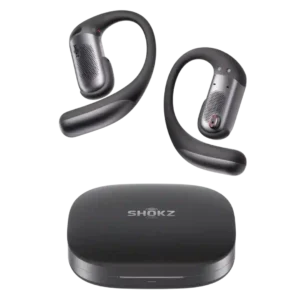
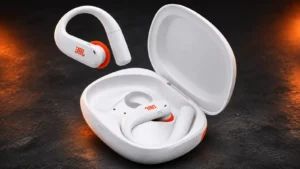
Shokz OpenFit Pro
Where It Has the Edge
- Carry case quality is 3.8 vs 2.7. The case usually feels premium, sturdy, and slim for an earhook design, with metal reinforcement and wireless charging....

Scorata scores summarize analyzed review evidence on a 1–5 scale; they are not laboratory measurements or a simple average of customer star ratings. Feature scores summarize the reviews covering that feature. The overall score averages feature scores within each review, then combines review averages. When both expert and customer evidence are available, those two groups receive equal weight. Products can have different review coverage, so small score gaps do not establish a winner.
Recommendations prioritize important features for the category, with a score of at least 3.5, a gap of at least 0.25 points and at least two supporting reviews per product. Features with widely varying scores or broad connectivity contexts are excluded from recommendations. These safeguards do not establish statistical significance.
Quick verdict
The review evidence points to a tradeoff: Carry case quality versus Stability and Bass performance. Choose according to which strengths matter more to you; the overall score alone does not settle that choice.
Choose Shokz OpenFit Pro for Carry case quality.
Choose JBL Endurance Peak 4 for Stability and Bass performance.
Scores are out of 5. Missing scores mean missing review evidence, not a missing feature.
Sound is unusually full, clear, and detailed for an open-ear design, with many calling it the best Shokz has produced. It still cannot match sealed flagship earbuds for depth in every environment.
Energetic, punchy sound is widely liked for workouts, with good clarity for the price. More expensive earbuds can offer finer tonal detail.
Bass is the standout upgrade: punchier and fuller than most open-ear rivals, especially with Bass Boost. Deep sub-bass remains limited, and a few listeners noticed fuzziness or vibration on bass-heavy tracks.
The bass is strong, warm and motivating without invariably drowning out vocals. It is a major reason these earbuds appeal to active listeners.
Open-ear noise reduction works surprisingly well on steady office, café, gym, fan, and HVAC noise. It is far weaker than sealed ANC on planes, trains, traffic rumble, and sharp sounds, and some people feel uncomfortable pressure.
Cancellation is useful in some gyms and against traffic or household noise, but other listeners find it weak. Wind and seal quality can make a substantial difference.
The open fit creates a naturally wide, speaker-like soundstage with convincing stereo placement. Spatial processing can stretch it further without collapsing dynamics.
Spatial Sound expands the perceived stereo image beyond the compact earbuds.
Dolby Atmos adds convincing width, height, and immersion, especially for movies and supported music. Head tracking works smoothly for many but feels distracting or gimmicky to others.
Spatial audio adds immersion and a wider listening experience, particularly when experimenting with the app's sound modes.
Background suppression often keeps chatter, appliances, and street noise away from the caller’s voice. Wind handling is inconsistent, with some excellent results and some complete breakdowns.
The microphones suppress much background noise, although busy surroundings can still introduce audible bleed-through.
Codec support is limited to basic SBC and AAC, which feels underpowered for a premium audio product.
SBC and AAC provide useful compatibility with both major smartphone platforms.
The premium sound, comfort, battery, and noise reduction can justify the price for committed open-ear users. Many still see the cheaper OpenFit 2/2+ or sealed ANC earbuds as better value.
Secure fit, extensive app features and long runtime make these a compelling mid-priced alternative to premium sports earbuds.
Two-device pairing works well for most people and switching is usually smooth. One customer found that playback would not automatically hand off until the first device was stopped.
Multipoint is a worthwhile addition, though pairing the second device can be clunky.
A ten-minute top-up can provide about four hours, and wireless charging adds convenience. One customer warned that the case became very hot when left on a wireless pad.
Some owners experience charging-contact problems that can leave a bud drained after sitting in the case.
Battery life is excellent in open mode, commonly lasting a full day and up to 50 hours with the case. Noise reduction roughly halves endurance, and several customers found the six-hour range disappointing.
Long runtime is a consistent strength, with enough charge for multiple workouts or roughly a training week. Noise cancellation reduces endurance.
The hook-shaped case is wider than typical earbud cases but remains slim and reasonably pocketable. It is easier to carry than over-ear headphones, though not truly compact.
The large charging case is the clearest portability compromise, especially in gym shorts, slim pockets and crowded running belts.
The in-app finder is handy for locating a misplaced bud nearby. Its Bluetooth-only range and very quiet alert limit usefulness outdoors.
Google tracking is available for the buds, but Apple Find My tracking is not supported.
Vocals and spoken content generally come through clean and intelligible, with the Vocal preset helping weaker default mids. Some measurements and listening notes found the lower midrange slightly recessed.
Voices can remain clear over the powerful bass, but demanding listeners may miss richer midrange detail.
The case usually feels premium, sturdy, and slim for an earhook design, with metal reinforcement and wireless charging. Its larger footprint, occasional scuffs, and isolated condition complaints keep it from being universally praised.
The case is protective, but bulky plastic construction and concerns about the hinge detract from its quality.
Most people can wear the hooks with glasses, caps, helmets, or beanies without trouble. Some glasses wearers feel pressure where the hook and frame overlap.
The flexible hook can remain secure alongside glasses, sunglasses and hats.
Android and Pixel use is broadly smooth, with easy connection and full app compatibility reported.
Standard Bluetooth codecs make the buds compatible with Android phones for everyday audio.
The earhooks stay planted through running, HIIT, cycling, and head movement for most users. Ear shape matters, and a minority experienced looseness, falls, or poor fit even with stabilizers.
TwistLock hooks are the signature strength: the buds stay put during fast runs, sweaty workouts and physical work without constant adjustment.
IP55 protection and secure silicone-covered hooks make the earbuds dependable for sweat, rain, running, and gym sessions, though they are not swim-ready.
The IP68 earbuds are a standout for sweat, rain and rugged outdoor conditions. They cope well with wet training sessions.
Treble carries plenty of detail and crispness, but tuning opinions vary. Brighter recordings can sound harsh or uneven, while Treble Boost may become fatiguing.
Highs can sound crisp, but some listeners find treble refinement falls short of more expensive competitors.
Overall enthusiasm is high, especially among runners and people who dislike in-ear tips. Price, long-wear comfort, microphone inconsistency, and limited true isolation are the recurring reasons some buyers returned them.
Owners and testers express strong overall enthusiasm for the combination of fit, ruggedness and ease of use.
Volume is strong enough for most workouts and busy streets, though very loud settings can still overpower the open design. A few buyers wanted more output or had to push volume uncomfortably high.
Output has plenty of headroom for many workouts, though some listeners want an even higher maximum volume.
Bass Boost is the most consistently praised preset, adding fuller low-end without burying vocals. Private mode can reduce leakage at quiet levels, but its benefit is limited and may dull clarity.
The available presets provide useful ways to adjust sound without starting from scratch.
Comfort is one of the strongest qualities, with many people forgetting the earbuds are on during long workdays and workouts. Fit pressure, cartilage contact, ANC pressure, and fatigue still affect a notable minority.
Soft hooks can remain comfortable for hours, with some wearers barely noticing the earbuds throughout the day.
The weight is well distributed and often feels light in use, but the Pro is heavier than earlier OpenFit models. Some long-session users found that extra mass tiring.
The lighter, smaller buds and soft hooks help make them comfortable to wear during activity.
Materials and construction feel premium and robust, with aluminum accents and a secure titanium core. A small number of customers reported static, overheating, or a failed earbud.
The rugged earbuds feel well made for the price, with durable materials and reassuring protection for active use.
The metal-and-silicone design looks polished, premium, and sporty. It is more visible than discreet clip-style earbuds, and the larger form can feel bulky on smaller ears.
Smaller buds, flexible hooks and a textured plastic finish make the design practical and visually appealing for sports.
Pairing and everyday setup are generally fast and intuitive, with most controls easy to find in the app. A few users needed time to learn the button combinations.
Pairing and app setup are straightforward, making it easy to start listening and customize the earbuds.
Call quality ranges from crystal clear in busy places to muffled or unreliable in wind and heavy noise. Indoor and moderate-noise calls are usually the safest bet.
Calls are usable and sometimes impressively clear, but several listeners find that volume is better than clarity compared with premium earbuds.
The 10-band EQ offers meaningful control and can noticeably improve the sound for different music and spoken content.
Custom EQ and sound modes make the bass-forward tuning adaptable to individual preferences.
Pairing is usually quick and connections are generally stable across phones, computers, and watches. A minority of users reported short range, stutters, static, or repeated disconnects.
Bluetooth is generally stable during workouts, but occasional single-bud disconnections and intermittent dropouts are reported.
The Shokz app is clean, feature-rich, and easy to navigate, putting noise reduction, EQ, controls, battery, multipoint, and finding tools in one place. A pre-release build showed minor stability issues.
The JBL app adds substantial value through EQ, listening modes, control adjustment and hearing personalization. A separate app can be inconvenient for people with other JBL gear.
Microphone performance is improved over the predecessor and can deliver very clear voices.
App navigation, sound-mode switching and grab-and-go use are straightforward despite complaints about touch inputs.
The app lets listeners tailor ANC and ambient levels, and switching listening modes is straightforward.
The lack of aptX was specifically called disappointing at this price, especially for buyers seeking higher-quality wireless playback.
Standard wireless codecs provide solid compatibility across iOS and Android devices.
IP68 dust protection is reassuring for sandy trails and dusty workout or work environments.
The mechanical hook reduces the chance of losing an earbud when vigorous movement loosens the in-ear tip.
Flexible silicone and memory-wire hooks adapt to ear shape and provide retention without excessive pressure.
Ambient modes can help keep outdoor listeners aware of nearby sounds while exercising.
The matte case hides marks reasonably well, though it can still pick up scuffs and surface wear.
Google Fast Pair simplifies the initial connection on Android phones.
Optional stability bands are a useful backup for smaller ears or anyone wanting an extra contact point during exercise.
Layered tracks are easy to pick apart, making individual parts and textures more distinct than expected from open earbuds.
The twist-in fitting motion takes a little practice initially.
One customer found that clarity deteriorated as volume increased, with the sound thinning out rather than staying composed.
The earbuds work well across iPhone, Android, Windows PCs, and other Bluetooth devices, making them practical for mixed-device routines.
Two customers received packaging with strong fragrance or visible residue, creating a poor first impression despite the earbuds themselves appearing intact.
Personi-fi hearing personalization is a useful way to tailor each ear's output, with some listeners noticing improved balance.
The buds arrived with enough charge to start using them right away.
Wear detection and auto-pause are useful additions and generally respond accurately. One customer experienced false removal detection when changing head position.
The open design excels at keeping traffic, voices, announcements, and workout surroundings audible while music plays. Noise reduction softens distractions without fully disconnecting the listener.
Unreliable double taps, swipes and accidental inputs make on-ear controls a recurring frustration, particularly during faster runs.
Ambient Aware is responsive and useful when exercising outdoors or needing to hear the environment.
Once the twist-in fitting technique is learned, the hooks are easy to wear and lock into place.
Workout-specific presets adjust the listening settings to suit activity, including ambient awareness for outdoor runs.
TalkThru can make conversations convenient without removing the buds, but its responsiveness is not always consistent.
Video playback showed no obvious lip-sync delay, and a low-latency mode helps with games and multimedia.
Long hair or hats can brush against the earbud and create a noticeable scratching sound during movement.
Most connections behave normally, but scattered reports mention static, glitches, stutters, false pauses, and repeated Apple Music disconnects.
The overall balance was described as lively and fairly even, though the open fit still limits deep bass extension.
Passive noise isolation is weaker than on the previous generation and some cheaper sports earbuds.
Sound is detailed enough to be enjoyable for many listeners, though top-tier midrange and treble resolution are not its main strength.
Leakage is modest at lower volumes but becomes obvious when volume rises to fight outside noise. Private EQ helps only a little and may sacrifice bass or vocal clarity.
Spatial processing makes audio more immersive and gives the stereo presentation a wider feel.
Wind can weaken ANC during outdoor training, although one tester found the microphones kept calls intelligible in windy conditions.
Auracast is missing, which feels like a missed opportunity for earbuds built around shared spaces and environmental awareness.
One long-term owner praised Shokz’s support team for consistently taking good care of past issues.
Smaller, more comfortable hooks and added sound modes make this a meaningful upgrade, despite weak ANC in some tests.
Runtime estimates appear realistic to some listeners, while others experience shorter endurance, particularly with ANC enabled.
The case offers modest splash resistance, but it lacks the strong water protection of the earbuds themselves.
Quick top-ups are especially appreciated when the earbuds were not charged before an early run.
Wireless range may be restrictive if you leave your phone far away, such as across a warehouse.
Physical buttons are more dependable than touch controls with sweat, gloves, or movement and are easy to find once learned. The small size and multi-click combinations can feel fiddly.
Owners of other JBL devices may find it inconvenient to maintain a separate headphones app.
Dual-device pairing adds useful flexibility over the preceding generation.
Touch controls can be personalized in the app, but preset action groups limit full remapping flexibility.
Alexa worked cleanly for one buyer, with strong clarity and reliable activation.
The correct ear tip and included enhancer help create a comfortable, secure seal. Fit can take a little experimentation.
Multiple tip sizes allow a more tailored seal, and clearly labeled sizes make choosing the right tip easier.
The plastic case hinge inspires limited confidence, with some owners concerned it could snap.
Comfort is a major strength thanks to soft, flexible hooks that hold securely without excessive pressure.
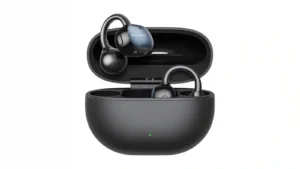
Choose the UU2 for unusually full open-ear sound, all-day comfort, strong battery life and excellent value. Skip it if you need sealed-bud isolation, consistently strong calls, or zero tolerance for...
Pros: Overall satisfaction, Sound quality
Cons: Spatial audio
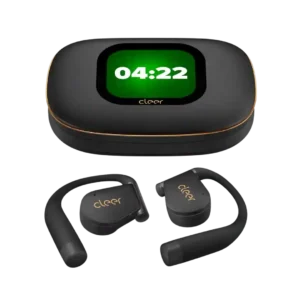
Best for all-day comfort, secure open-ear awareness, long battery life, and a genuinely useful touchscreen case. Skip it if deep bass, strong isolation, compact size, or consistently premium music quality...
Pros: Overall satisfaction, Carry case quality
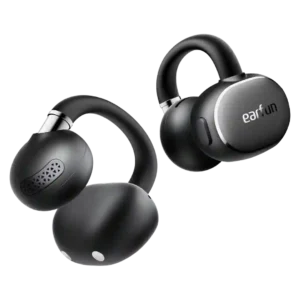
Best for lightweight all-day comfort, outstanding battery life, dependable physical controls, and premium features at a budget price. Skip it if you need deep bass, noise isolation, flawless high-volume sound,...
Pros: Overall satisfaction, Sound quality
Cons: Maximum volume clarity, Noise isolation (passive)
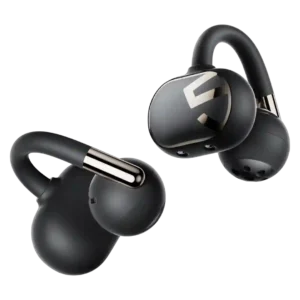
Best for featherlight all-day comfort, secure workout fit, strong open-ear sound, and unusually rich features for the price. Skip it if you need ANC, deep sub-bass, high volume in noisy...
Pros: Comfort during long use, Sound quality
Cons: Carry case quality, Touch control responsiveness