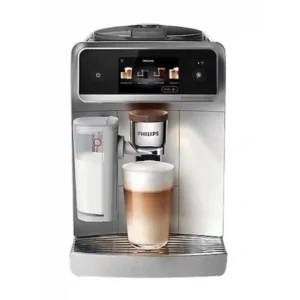
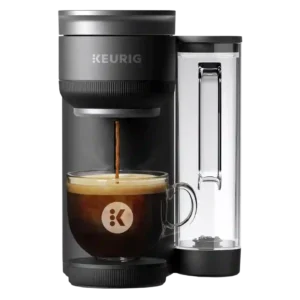
Philips Café Aromis 8000
Where It Has the Edge
No clear scored advantage over the other product.

Scorata scores summarize analyzed review evidence on a 1–5 scale; they are not laboratory measurements or a simple average of customer star ratings. Feature scores summarize the reviews covering that feature. The overall score averages feature scores within each review, then combines review averages. When both expert and customer evidence are available, those two groups receive equal weight. Products can have different review coverage, so small score gaps do not establish a winner.
Recommendations prioritize important features for the category, with a score of at least 3.5, a gap of at least 0.25 points and at least two supporting reviews per product. Features with widely varying scores or broad connectivity contexts are excluded from recommendations. These safeguards do not establish statistical significance.
Quick verdict
The available evidence supports the recommendation below, but does not establish an overall winner. Check the remaining features against your priorities.
There is not enough comparable review evidence to recommend Philips Café Aromis 8000 over the other product.
Choose Keurig K-Crema for Iced / cold-brew function quality and Cup, tray and carafe handling.
No clear scored advantage over the other product.
Scores are out of 5. Missing scores mean missing review evidence, not a missing feature.
The machine generally feels solid, well engineered, and appropriately premium, with smooth moving parts and a substantial touchscreen. A few plastic panels and slightly wobbly milk carafes keep it from feeling flawless.
Durability is the product’s biggest weakness. A large number of owners report pressure-mode failure, lockups, leaks, or complete breakdowns within days or a few months, despite some units initially feeling solid.
The main annoyances are the bulky body, top-access hopper, occasional grounds leakage, condensation in the pre-ground chute, and fixed milk foam. Some testers also disliked the high milk spout and premium-looking trim that is actually plastic.
Common design complaints include splashback, leaking, stuck pods, jammed levers, locked lids, missing controls, and pressure mechanisms that repeatedly fail. These issues can turn routine brewing and pod removal into a mess.
The large screen, brushed-metal front, wood-style accent, and thoughtful layout look upscale and operate intuitively. It is heavy and deep, so buyers should measure counter and cabinet clearance before purchasing.
The brewer is widely liked for its sleek, modern appearance and relatively compact footprint. The side-mounted 72-ounce reservoir adds width, and one owner still found it took up too much room.
This is a heavy, bulky countertop appliance rather than a portable machine. The adjustable spout can accommodate many travel mugs, but the unit itself is impractical to move regularly.
The compact single-serve format works well for a desk or quick on-the-go drinks, while still offering iced and espresso-style options.
One-touch drinks, automatic milk preparation, guided flavor adjustments, and multiple profiles remove most barista work. The machine is especially effective for households that want personalized coffee without manual technique.
Automatic shutoff and water or descale indicators are convenient. Confidence is reduced by reports of a pressure lock that did not engage, malfunctioning buttons, and a high-altitude mode that would not activate.
Extraction was praised for a steady, controlled flow that produced balanced shots and good crema. No tester reported unstable pumping during normal brewing.
Pressure mode can make coffee stronger, smoother, and topped with enjoyable crema, especially with darker roasts. However, pressure performance is inconsistent and frequently reported to fail within days or months.
LatteGo Pro is fast, tube-free, easy to clean, and works with dairy and plant milks. Foam is consistently abundant but often coarse and bubbly, with no texture adjustment for flat whites or low-foam lattes.
There is no built-in milk frother or steam wand, so cappuccinos and lattes require separate milk preparation despite the espresso-style shot options.
On-screen guidance, removable parts, dishwasher-safe carafes, and automated rinsing keep routine care manageable. Grounds leakage, daily tray emptying, weekly brew-group rinsing, and proprietary descaler still require attention.
The removable parts and routine wiping are manageable, and the descale indicator is useful. Grounds can collect near the needles, frequent rinsing may be needed, and several owners say cleaning or descaling failed to restore a malfunctioning machine.
Using fresh beans provides a major step up in flavor, flexibility, and drink customization compared with pod machines. Buyers are not locked into capsule formats, though beans and cleaning products remain ongoing costs.
The broad K-Cup selection and ability to reuse existing pods are major advantages. Compatibility is not universal, though: some refillable, stainless, and third-party pods do not fit or cannot use pressure mode.
Despite its advanced feature set, the machine is remarkably easy and enjoyable to live with. Most testers considered its coffee, customization, profiles, and low-effort operation strong enough to outweigh the size and maintenance quirks.
The experience is polarized. Happy owners praise the flavor, speed, simplicity, and flexibility, while failed units generate strong regret and repeated warnings not to buy.
The grounds container is easy to access, but puck handling is not consistently clean. Several testers found loose grounds in the lower tray or machine base, increasing cleanup.
Spent pods can be easy to remove when the machine works normally, but some owners report leaking pods, stuck capsules, and messy retrieval after mechanical problems develop.
Cold brew and iced drinks are usually smooth, full-bodied, and low in bitterness, with excellent cold foam. Ice and adequate cooldown are essential because some recipes can otherwise arrive warm or become diluted.
Espresso-style shots work well over ice, and owners successfully use the machine for iced coffee and café-style iced lattes.
The height-adjustable dispenser fits espresso cups, regular mugs, iced glasses, and many travel mugs. Carafes attach easily, but short cups need careful positioning and the drip tray should be emptied slowly.
The adjustable, removable tray handles espresso cups, regular mugs, and travel mugs well. Raising the cup closer to the dispenser can also improve crema.
Coffee is generally rich, balanced, aromatic, and free from harsh bitterness, with especially strong results after adjustment. Crema quality divides testers, and demanding espresso purists may still prefer a manual machine.
Coffee is usually bold, rich, and smoother in pressure mode, with several owners calling it café-quality. Crema is the dividing point: some love it, while others get thin bubbles, weak foam, or disappointing espresso-style results.
The box is generally well equipped with two milk carafes, a filter, hardness strip, scoop, and metal tray cover. Some testers still felt maintenance tablets or descaler should be included at this price.
Included accessories vary by package: the Costco bundle adds pods and a filter, while the standard machine may include a manual but no water filter. First-time buyers may need to purchase one separately.
The 1.9-liter tank, 275-gram hopper, larger milk carafes, and eight profiles make it well suited to busy multi-user homes. Its generous capacity contributes to a large countertop footprint.
The 72-ounce removable reservoir is a consistent strength, allowing multiple cups between refills and making the water level easy to monitor.
The machine can be ready within seconds and prepares most drinks in roughly one to three minutes. Guided automation and saved profiles make repeated household orders especially efficient.
Speed is one of the clearest strengths, with most drinks finishing in roughly one to two minutes and some classic brews taking less than a minute.
Most testers produced balanced, enjoyable drinks repeatedly, with strong consistency across hot and cold recipes. Results improve further after the grinder and strength settings are dialed in.
When working properly, the brewer makes flavorful coffee quickly and handles classic cups consistently. Reliability sharply lowers the experience because failed units may underfill, stall mid-cycle, require repeated attempts, or stop brewing entirely.
The machine delivers on its core promises of easy customization and strong cold-coffee performance. SilentBrew, the 54-drink headline, and some premium-looking materials can feel overstated in everyday use.
The pressure-brew concept can deliver richer coffee and visible crema, but several units did not match advertised behavior. Complaints include weak crema, failed pressure brewing, a missing lock indicator, and an unusable high-altitude mode.
Grinding is quiet by bean-to-cup standards in several measured tests, but experiences vary. Pumping, milk frothing, and automatic rinse cycles can still sound intrusive in open-plan rooms.
Noise is consistently praised. The machine operates quietly, with a lower, less piercing sound than many older Keurig brewers.
The price is high, but the drink range, automation, profiles, and app make it competitive within the premium category. It makes the most financial sense for households replacing frequent café purchases.
Strong coffee, regular K-Cup compatibility, and discounts can make the machine feel worthwhile. The value collapses when pressure mode or the entire brewer fails early, leaving many owners regretting the premium price.
Setup is exceptionally approachable, with clear on-screen steps for water hardness, filter installation, rinsing, calibration, and profiles. Even first-time bean-to-cup owners were brewing quickly without frustration.
Setup and daily operation are generally simple, with clear controls and one-button brewing. High-altitude activation was a notable exception for one owner, who could not get the mode to respond.
More than 50 organized recipes, seven strength levels, temperature and volume controls, and eight profiles provide exceptional choice. The breadth is most valuable in larger households; habitual single-drink users may not use it fully.
Classic coffee, pressure coffee, single and double shots, several cup sizes, tea, cocoa, and iced drinks provide useful variety. The main customization gap is the lack of strength and temperature controls.
HomeID is unusually useful for creating profiles, tuning flavor, saving favorites, and starting drinks remotely. The machine remains fully usable from its excellent touchscreen, so several users treated the app as optional.
The boiler system was praised for supporting strong hands-off milk performance and stable drink preparation. The internal single-versus-dual configuration was not a practical concern in use.
One buyer received a defective refurbished machine from a third-party seller, creating an immediate failure and a difficult return dispute.
Packaging is mostly cardboard or recycled paper and protects the heavy machine without excessive waste. A few plastic bags prevent it from being fully recyclable.
The grinder is highly adjustable and usually produces fuller, more intense coffee than older Philips machines. Dialing it in can take time, the maximum dose disappointed one tester, and the pre-ground chute can collect condensation.
The machine heats quickly and can produce notably hot espresso, coffee, and milk drinks. Optional rinsing adds time but improves the first drink's warm-up.
Brew temperature is generally hot and often praised as ready to drink without a long wait. A few owners found it either too hot or not hot enough, and one unit eventually stopped heating altogether.
Hot water pours smoothly with little splashing and works well for Americanos or topping up coffee. Even the highest setting may be too cool for black tea.
Returns and shipping are inconsistent. One return was easy and Keurig covered shipping in another case, but a third-party seller’s defective refurbished unit led to an extremely poor refund experience.
Filter value depends on the package. The standard brewer may omit a water filter, while a Costco configuration includes one and may produce smoother-tasting coffee.
Support experiences are mostly frustrating, including rejected refunds, lengthy troubleshooting, slow warranty claims, and replacement units that also failed. A few owners found Keurig helpful or received covered return shipping.
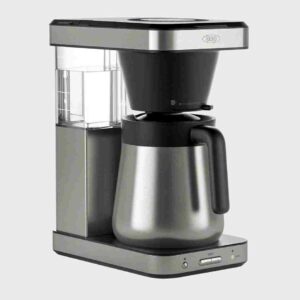
Choose the OXO Brew 8-Cup if you want fast, consistent drip coffee in small or full batches. Skip it if you need programming, app controls, a larger pot, or the...
Pros: Brewing performance and consistency, Overall user experience
Cons: Design flaws
Swappable bean hoppers, intuitive controls and silky automatic milk foam make the Rivelia unusually convenient for varied coffee routines. The premium price, grinder-clearing step and optional cold-foam upgrade are worth...
Pros: Grinder, hopper and dosing system, Espresso and beverage quality
Cons: Iced / cold-brew function quality, Capacity
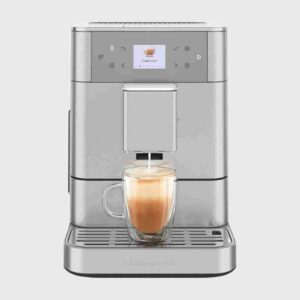
Choose the KitchenAid KF6 for rich espresso, quiet operation, easy cleaning, and strong value in a super-automatic. Skip it if dense cappuccino foam, plant-milk presets, touchscreen controls, or an included...
Pros: Water system, maintenance and descaling, Overall user experience
Cons: Accessories, Design flaws
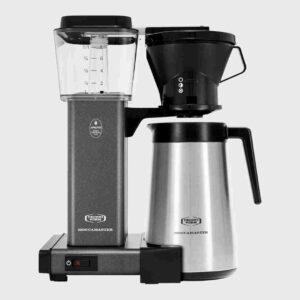
Choose the Moccamaster KBT for fast, excellent drip coffee, durable build, and a thermal carafe that keeps coffee hot. Skip it if you need programmability, a compact footprint, or a...
Pros: Brewing performance and consistency, Espresso and beverage quality
Cons: Automation and sensors, Design flaws