Scorata scores summarize analyzed review evidence on a 1–5 scale; they are not laboratory measurements or a simple average of customer star ratings. Feature scores summarize the reviews covering that feature. The overall score averages feature scores within each review, then combines review averages. When both expert and customer evidence are available, those two groups receive equal weight. Products can have different review coverage, so small score gaps do not establish a winner.
Recommendations prioritize important features for the category, with a score of at least 3.5, a gap of at least 0.25 points and at least two supporting reviews per product. Features with widely varying scores or broad connectivity contexts are excluded from recommendations. These safeguards do not establish statistical significance.
Quick verdict
What each product is best for
The review evidence points to a tradeoff: Frequency response accuracy and Weight comfort versus Noise isolation (passive) and Amplifier scaling. Choose according to which strengths matter more to you; the overall score alone does not settle that choice.
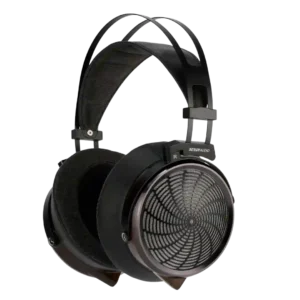
Choose Sendy Audio Apollo Pro for Frequency response accuracy and Weight comfort.
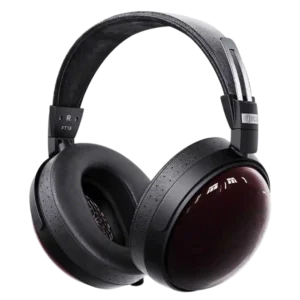
Choose FiiO FT13 for Noise isolation (passive) and Amplifier scaling.
Why these recommendations?
Sendy Audio Apollo Pro
Where It Has the Edge
Frequency response accuracy is 4.3 vs 1.6. The response is controlled and broadly balanced, with no exaggerated bass shelf or sharp showroom-style treble boost. Its...
Weight comfort is 4.7 vs 4.0. Although the cups look large, the 354-gram frame feels lighter than expected. Good distribution keeps the headphone from...
FiiO FT13
Where It Has the Edge
Noise isolation (passive) is 4.0 vs 2.0. Passive isolation ranges from decent to very good when the fit seals properly, with pad choice making a...
Amplifier scaling is 4.9 vs 3.5. The FT13 works from modest sources, yet several reviewers heard cleaner, wider, or more controlled results from better...
Included accessories is 5.0 vs 4.2. The package is unusually generous for the price, with two pad sets, a premium modular cable, multiple adapters,...
Sendy Audio Apollo Pro4.4 overall score
FiiO FT134.0 overall score
Compare features
Scores are out of 5. Missing scores mean missing review evidence, not a missing feature.
Scored on both products
Performance
Sound quality
Sendy Audio Apollo Pro
4.7
FiiO FT13
3.4
Details and evidence for Sound quality
Sendy Audio Apollo Pro
The overall sound is consistently described as natural, detailed, and enjoyable, with warmth that avoids muddiness. It stays musical rather than clinical, even when presenting plenty of information.
The FT13 can sound spacious, punchy, detailed, and highly engaging, but the stock tuning is polarizing. Strong bass and technical ability are offset by recessed mids and treble that ranges from merely bright to harsh and fatiguing.
Details and evidence for Frequency response accuracy
Sendy Audio Apollo Pro
The response is controlled and broadly balanced, with no exaggerated bass shelf or sharp showroom-style treble boost. Its warmer lower midrange keeps it from being strictly neutral.
Tonal balance is the FT13’s most consistent weakness. Many reviewers heard an exaggerated V/U shape with elevated bass and uneven, sharp treble, and several considered EQ or damping necessary for a more natural balance.
Passive isolation ranges from decent to very good when the fit seals properly, with pad choice making a noticeable difference. Poor coupling on smaller heads can reduce both isolation and bass consistency.
Sound leakage is substantial, and people nearby may hear much of the music. Shared offices, commuting, and late-night use beside another person are poor fits.
One measurement-focused review found that nearby people can faintly hear playback even at ordinary levels, so the closed-back design is not completely private.
Films and spacious recordings benefit from broad imaging, stable placement, and clear layering. The presentation can feel more speaker-like than many conventional headphones.
Bass reaches deep with good texture and control, but physical slam is more restrained than bass-heavy dynamic headphones. The tuning favors warmth and definition over subwoofer-like impact.
Bass is a major strength for impact, extension, and slam, but pad choice changes it dramatically. Leather usually tightens the low end, while suede can turn the bass richer, boomier, or outright overwhelming for some listeners.
Wide staging and precise directional placement make footsteps and effects easy to locate. It works especially well for immersive single-player gaming, though voice chat needs a separate microphone.
Gaming is a notable strength: the wide stage, strong separation, energetic dynamics, and clear directional cues make footsteps and positional effects easy to follow. Several reviewers specifically recommended it for FPS and cinematic games.
The open-back presentation creates a broad, stable stage with convincing depth and placement. Most listeners praise its spaciousness, though one found it less expansive than the widest open-back alternatives.
The FT13 is unusually spacious for a closed-back headphone, with many reviewers describing a wide, open, or even holographic stage. A few found the stage only average or somewhat unnatural despite its width.
Open-back leakage and almost no isolation make the Apollo Pro a poor travel companion. It is better suited to a desk, listening chair, or quiet home room.
One measurement-focused reviewer found channel matching below 300Hz less consistent than ideal, making this a minor quality-control concern rather than a broad complaint.
Details and evidence for 3.5mm analog input availability
Sendy Audio Apollo Pro
A 3.5mm adapter is included, so standard laptop and portable connections are possible. The long adapted plug is awkward, and a dedicated 3.5mm cable would be cleaner.
The analog connection system is exceptionally flexible, with reviewers praising how easily the FT13 plugs into common headphone outputs through its modular cable and adapters.
The glossy wood finish can look striking, but one reviewer found it unusually prone to fingerprints and dust, making the presentation less understated in daily use.
The mechanism itself is smooth and secure, but its size range skews large. Multiple reviewers using the smallest setting warned that small-headed listeners may struggle to get a proper seal.
Details and evidence for Detachable cable convenience
Sendy Audio Apollo Pro
The detachable cable can be replaced if it fails, which supports longer ownership. However, the single-ring right-side connector limits compatible aftermarket choices.
Treble is detailed and airy without becoming consistently harsh, making long sessions easier. Some listeners may still find the upper range a little spicy on bright recordings.
Treble is the main source of disagreement and criticism. It can sound airy, detailed, and exciting, but many reviewers found peaks that become sharp, coarse, sibilant, or fatiguing—especially with lambskin pads.
The Apollo Pro can play from modest sources, but stronger amplification brings firmer dynamics and fuller performance. One listener found it easy to drive, while another preferred a more powerful balanced setup.
The FT13 works from modest sources, yet several reviewers heard cleaner, wider, or more controlled results from better amplification. Source character can also shift how aggressive the treble feels.
Voices and instruments sound full, natural, and easy to follow. The slightly warm presentation adds body without making the midrange thin, brittle, or overly forward.
Midrange opinion is mixed: detail and vocal intelligibility are often good, but the V-shaped tuning can push voices and instruments behind the bass and treble. Several reviewers wanted more body, warmth, or forward presence.
Long-term impressions are strongly positive, with listeners enjoying the Apollo Pro across music, films, and gaming. Warmth, comfort, and spaciousness drive most of that enthusiasm.
Overall satisfaction depends heavily on tuning preference: some reviewers love the energy, bass, and spaciousness, while others find the stock sound fatiguing or incoherent. Modding or pad changes can materially improve the experience for some.
The Apollo Pro earns strong recommendations for home listeners who prioritize comfort, spaciousness, and a warm but detailed sound. It is less suitable for commuters, bass-heads, or treble-sensitive buyers.
Recommendations are sharply split. Enthusiasts who enjoy energetic, bass-rich sound and strong technical performance often recommend the FT13, while treble-sensitive or neutrality-focused reviewers steer buyers toward smoother alternatives or the FT1.
Seal changes from glasses appear relatively manageable for a closed-back design, although any broken seal can reduce bass. The overall effect was considered less severe than expected.
The package is generous, with a leather case, accessory pouch, balanced cable, and multiple adapters. The selection feels complete, although the adapter arrangement is not especially elegant.
The package is unusually generous for the price, with two pad sets, a premium modular cable, multiple adapters, a case, and smaller extras. Reviewers consistently treat the bundle as a major value advantage.
The Apollo Pro reaches practical listening levels from many dongles and portable sources. A cleaner or more powerful amplifier can still improve dynamics and bass control.
The stock braided cable feels premium, durable, and low in handling noise. Its weight and unusual connector arrangement are the main practical drawbacks.
The thick modular stock cable is widely praised for its premium feel, supple handling, low microphonics, and useful terminations. Several reviewers said there was little reason to replace it.
The balanced cable and included 3.5mm and 6.35mm adapters cover many portable and desktop sources. The adapter stack can become bulky, but compatibility is broad out of the box.
The modular cable and included 3.5mm, 4.4mm, 6.35mm, and XLR options make the FT13 unusually easy to integrate with portable and desktop gear. Connectivity is one of the package’s clearest strengths.
The pads can be removed and replaced without much difficulty. Replacement availability should be checked before purchase, but the design is more serviceable than permanently fixed pads.
The quick clip-on pads are easy to swap for many users and offer meaningful tuning choices, but the proprietary system limits third-party options. Several reviewers also worry the small clips may be fragile.
Details and evidence for Ear cup swivel/rotation range
Sendy Audio Apollo Pro
The yokes and cups articulate smoothly in multiple directions. That movement helps the pads conform to different head shapes without constant repositioning.
The zebrawood, aluminum frame, leather details, and careful finishing create a convincingly premium impression. It looks and feels appropriate for its price class.
Materials, woodwork, cable, and general presentation repeatedly make the FT13 feel more expensive than its price. Reviewers consistently see this as a physical step up from the FT1.
The deep velvet pads are soft, breathable, and unusually comfortable. Their cushioning spreads pressure well and reduces heat compared with many synthetic-leather pads.
Dense arrangements remain organized, with individual instruments easy to distinguish without sounding artificially disconnected. Fast passages and layered mixes are handled especially well.
Separation is one of the most consistent technical wins. Busy mixes remain organized, with vocals, instruments, and ambient layers clearly divided even when the tuning itself is divisive.
The leather case is sturdy, protective, and notably nicer than typical included cases. It makes storage safer even though the headphone itself is not ideal for travel.
The included hard case is consistently liked for its premium look, tactility, and organized storage for the cable and adapters. Its size reflects the headphones’ bulky, non-folding design.
The broad, softly padded headband spreads weight effectively and avoids a concentrated crown hotspot. It supports the headphone’s excellent long-session comfort.
The revised headband is generally praised for softer, broader padding and better pressure distribution than the FT1. One reviewer still thought a cheaper FiiO model used better padding.
This is a desk-focused headphone rather than a portable one. The large open cups, substantial cable, and limited privacy make travel inconvenient despite the included case.
Although the cups look large, the 354-gram frame feels lighter than expected. Good distribution keeps the headphone from dragging downward or creating a narrow hotspot.
Although the FT13 is not especially light, its broad headband, pads, and moderate clamp distribute the mass well enough that most reviewers did not find the weight burdensome.
Clamp is secure enough to keep the cups stable without pressing hard around the jaw. It should suit long listening sessions better than many heavier planars.
Clamp is usually described as moderate, secure, and comfortable, with enough pressure to hold the headphones without jaw fatigue. Fit can still become too loose on smaller heads.
Comfort is a standout strength, with several listeners able to wear it through multiple albums or all day. The fit stays secure without creating obvious pressure points.
Most reviewers found the FT13 comfortable for long sessions despite its size and weight, crediting roomy pads and improved headband padding. The main exception is fit geometry on smaller heads or individual head shapes.
Zebrawood cups, exposed metal, and the sunburst grille give the Apollo Pro a distinctive premium look. The styling earns strong praise, though its decorative appearance will not suit every taste.
Purpleheart wood gives the FT13 a distinctive, premium identity that most reviewers found beautiful or striking. A minority disliked the very glossy coating, calling it plasticky or overly shiny.
Build quality is repeatedly praised for solid metalwork, clean fitting, and reassuring adjustment hardware. Nothing feels loose or unfinished, and the construction competes well above its price.
Build quality is one of the strongest areas of agreement: the wood cups, frame, yokes, and general fit and finish repeatedly feel sturdy and upscale. A few isolated hardware concerns do not outweigh the broad praise.
The build, comfort, accessories, and sound make the $449 price competitive. It is not a bargain for everyone, but several listeners consider the package excellent for the money.
The physical package, accessories, build, and technical performance often justify the roughly $300 price, but value opinions become mixed once tuning is considered. The much cheaper FT1 remains a recurring comparison point.
The large driver can expose fine textures, small transients, and low-level information very clearly. Some reviewers caution that elevated treble can exaggerate the impression of detail rather than render it naturally.
Most reviewers found the 32-ohm FT13 easy to run from phones, laptops, dongles, and portable players, often to very high levels. A small minority preferred or required stronger amplification for best results.
Imaging is repeatedly strong, with instruments, vocals, and game cues occupying stable, easy-to-locate positions. This precision is one of the FT13’s better technical qualities.
There is no built-in microphone, so online gaming and calls require a separate mic. That omission matters mainly for users seeking an all-in-one gaming headset.
The FT13 works across laptops, phones, portable players, desktop amps, and other analog sources, giving it broad practical compatibility without a platform lock-in.
The fit is secure enough for normal listening, but one reviewer found it too loose for running or jogging. The FT13 is not designed as an active-use headphone.
Details and evidence for Sustainability and repairability
Sendy Audio Apollo Pro
A detachable cable and replaceable pads improve serviceability and reduce the need to discard the whole headphone after wear. Buyers should still confirm long-term replacement-part availability.
Durability concerns center on the proprietary earpad clips and an isolated yoke creak. The core chassis feels sturdy, but repeated pad swapping may be harder on the small plastic retention parts.
The use of real leather and suede is a deal-breaker for reviewers who want vegan materials. No alternative animal-free pad option was included in the reviewed package.
Dynamics are a standout strength, with reviewers repeatedly praising slam, macrodynamic impact, transient energy, and the ability to keep compressed modern music lively.