Average score
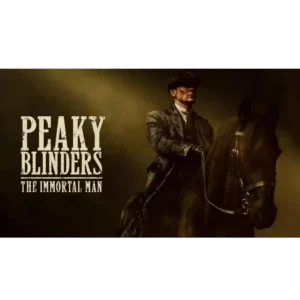
Peaky Blinders: The Immortal Man
3.7
cultural representation
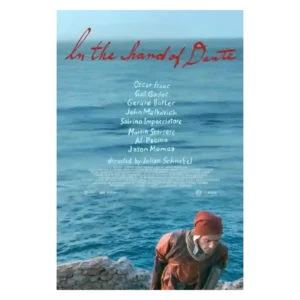
In the Hand of Dante
1.5
The Italian setting and Dante material are visually prominent, yet the accents, casting, and limited use of Italian performers often feel inauthentic or caricatured.
Peaky Blinders: The Immortal Man
5.0
Tommy’s spiritual and gypsy side is praised as one of the most worthwhile expansions of his character in the film.
plot originality
In the Hand of Dante
4.5
The lost-manuscript caper and reincarnated-writer structure create a genuinely unusual plot. Its singularity is a major asset, even though the execution is unwieldy.
Peaky Blinders: The Immortal Man
1.8
The central comeback structure, Nazi scheme, and legacy conflict are often described as familiar or clichéd, with several critics saying the film rarely finds a genuinely new plot shape.
acting performance
In the Hand of Dante
2.0
The all-star ensemble is wildly uneven. Several supporting players add force and humor, but the mismatched styles, accents, and flat performances often make the drama feel unintentionally comic.
Peaky Blinders: The Immortal Man
4.7
The cast is one of the film’s safest bets: even many negative reviews praise the performances, with the central actors repeatedly credited for elevating uneven material.
emotional impact
In the Hand of Dante
1.2
The film reaches for love, grief, faith, and artistic transcendence but remains emotionally remote. Its intellectual ambitions rarely turn into a moving human experience.
Peaky Blinders: The Immortal Man
3.8
For supporters, the film delivers grief, regret, family conflict, and a powerful farewell with real force. Detractors found key deaths rushed, contrived, or too hollow to land.
message quality
In the Hand of Dante
1.5
The spiritual message is muddled and heavy-handed, mixing reincarnation, anti-institutional religion, art, and romantic salvation. Its conclusions can feel simplistic or hostile rather than profound.
Peaky Blinders: The Immortal Man
4.1
The strongest readings focus on legacy, self-definition, family, and the cost of valuing power over people. One severe critic felt the film squandered the larger sense of purpose built around Tommy.
action sequences
In the Hand of Dante
1.5
The action is limited and rarely becomes a strength. The few bursts of violence and confrontation are weakened by awkward staging and uneven performances.
Peaky Blinders: The Immortal Man
4.0
The action lands best once Tommy returns to Birmingham, with the pub confrontation, shootouts, explosions, and finale frequently singled out. Critics who wanted more momentum found the action too delayed or the climax predictable.
critic appeal
In the Hand of Dante
1.0
The film's ambition earns scattered admiration, but its indulgence, incoherence, and length have produced overwhelmingly negative critical reactions.
Peaky Blinders: The Immortal Man
3.5
Aggregated critical reaction is broadly favorable but not uniform, with enthusiasm for craft and performances tempered by repeated complaints about pacing, script compression, and sequel necessity.
drama quality
In the Hand of Dante
1.5
The dramatic material is overextended and pompous rather than emotionally persuasive. Large conflicts and spiritual stakes are presented with weight, but seldom earn it.
Peaky Blinders: The Immortal Man
4.0
The film’s grief-heavy, introspective drama gives Tommy’s final chapter weight for many viewers, though its persistent misery and brooding occasionally overwhelm the entertainment.
soundtrack quality
In the Hand of Dante
2.0
The soundtrack includes conspicuous choices that can feel more like a filmmaker's indulgence than an organic part of the story.
Peaky Blinders: The Immortal Man
4.4
Modern-rock needle drops remain a signature strength and are widely praised for driving emotion and atmosphere. A few reviewers find the choices dated, overly loud, or less appealing outside the iconic theme reprise.
chemistry between characters
In the Hand of Dante
1.6
Oscar Isaac and Gal Gadot rarely create the passion needed for the cross-century love story. A small minority found their pairing effective, but the dominant impression is emotional distance.
Peaky Blinders: The Immortal Man
4.0
Murphy and Keoghan’s father-son dynamic is often described as raw, magnetic, and powerful. A smaller group felt the pair never generated the expected sparks or emotional bond.
plot clarity
In the Hand of Dante
1.4
The two timelines, dual casting, side plots, and metaphysical links are difficult to track. Their connection remains tenuous until a late explanation that does little to unify the story.
Peaky Blinders: The Immortal Man
3.7
Some newcomers report following the story surprisingly easily without heavy recaps, but other reviews point to shaky logic or exposition that does too much work.
costume design
In the Hand of Dante
1.5
The period clothing divides opinion. Some find it sumptuous and memorable, while others see cheap, theatrical costumes that make the medieval sections feel like historical cosplay.
Peaky Blinders: The Immortal Man
3.7
The return of Tommy’s tailored Peaky Blinders look remains a major visual pleasure, with covetable coats and sharp suiting earning praise. One review found Duke’s modern-looking styling immersion-breaking.
ending satisfaction
In the Hand of Dante
1.7
The final act is one of the weakest sections. Melodrama, an awkward showdown, and an unearned philosophical resolution replace the energy of the earlier manuscript plot.
Peaky Blinders: The Immortal Man
3.7
The ending is intensely divisive: many call it fitting, powerful, or even perfect closure for Tommy, while others believe it needlessly overturns the stronger symbolism of Season 6.
faithfulness to source material
In the Hand of Dante
1.5
The adaptation preserves the novel's dual structure and excess, yet its interpretation of Dante's beliefs is sharply disputed. The film often feels more loyal to its own mythology than to the historical poet.
Peaky Blinders: The Immortal Man
3.5
The film restores the show’s swagger, music, visual language, and callbacks, satisfying many longtime fans. Others see missing characters and major legacy decisions as betrayals of the series’ established arcs.
directing quality
In the Hand of Dante
2.5
Julian Schnabel takes a fearless, highly personal swing, but the freedom becomes self-indulgence. His visual confidence is clear, while narrative control, tone, and restraint are much less reliable.
Peaky Blinders: The Immortal Man
4.5
Tom Harper is frequently praised for confident staging, visual control, suspense, and explosive set pieces. A few reviews fault specific tonal or narrative choices even while admiring the filmmaking.
violence level
In the Hand of Dante
2.0
The violence is graphic, sudden, and often mean-spirited. It can add shock and danger to the crime story, but many find it excessive or emotionally unpleasant.
Peaky Blinders: The Immortal Man
3.8
The film’s cold-blooded, stylized violence generally fits the franchise’s appeal and is often balanced with swagger or dark humor, though it can edge into grim excess for some viewers.
audience appeal
In the Hand of Dante
2.0
This is best suited to viewers who enjoy audacious, divisive auteur projects and can tolerate confusion. Most will find the length and self-importance hard to endure.
Peaky Blinders: The Immortal Man
3.7
Longtime Peaky Blinders fans are the clearest audience, especially for the callbacks and emotional closure. Reviewers disagree on newcomers: some found the film easy to follow, while others strongly recommend watching the series first.
historical accuracy
In the Hand of Dante
1.5
The portrayal of Dante's faith, worldview, and medieval context is frequently criticized as revisionist or superficial. Its historical world works better as stylized fantasy than persuasive biography.
Peaky Blinders: The Immortal Man
3.2
Reviewers appreciate the use of World War II events and the counterfeit-currency plot as historical grounding. Others question specific period details, plausibility, or the sentimental elevation of Tommy within wartime history.
production design
In the Hand of Dante
2.5
The locations and historical spaces can look grand, but the physical world is inconsistent. Some sets feel painterly and immersive, while others appear cheap or sloppy.
Peaky Blinders: The Immortal Man
4.2
Blitz-era Birmingham, grime, rubble, docks, pubs, and warehouses are generally rendered with impressive tactile detail and scale. One negative review thought parts of the production looked like a soundstage.
theme depth
In the Hand of Dante
2.6
Ideas about art, commerce, faith, violence, redemption, and artistic obsession are abundant. They are often compelling in isolation but rarely developed into a coherent or emotionally grounded argument.
Peaky Blinders: The Immortal Man
4.2
Legacy, grief, trauma, memory, family inheritance, and self-definition give the film substantial thematic weight. Critics who resist the movie argue these ideas are compressed, overplayed, or left insufficiently explored.
originality
In the Hand of Dante
4.1
Few films combine literary scholarship, medieval mysticism, organized crime, reincarnation, and romantic melodrama this boldly. The result is unmistakably original even when it fails.
Peaky Blinders: The Immortal Man
2.5
Many reviewers see the movie as a familiar one-last-job epilogue or a reworking of old Peaky Blinders beats. A smaller group praises its bolder choices and fresh generational angle.
screenplay quality
In the Hand of Dante
1.5
The screenplay contains an intriguing premise and ambitious ideas but lacks discipline. Absurd turns, unclear motives, disconnected threads, and self-important writing keep it from cohering.
Peaky Blinders: The Immortal Man
2.8
The script earns credit for themes, twists, and some strong dialogue, but criticism is substantial: exposition, clichés, rushed character work, and compressed plotting repeatedly surface.
story quality
In the Hand of Dante
2.1
The story is an audacious literary-gangster epic with flashes of fascination, suspense, and beauty. Its dominant impression, however, is of an overstuffed, confusing mess that collapses under its scope.
Peaky Blinders: The Immortal Man
3.3
The core legacy-and-war story is compelling and emotionally satisfying for many reviewers, but others call the movie unnecessary, thin, half-baked, or unable to justify rewriting the series’ prior ending.
genre satisfaction
In the Hand of Dante
2.9
The black-and-white gangster and authentication material is usually the most satisfying part. The medieval biopic and spiritual romance are slower, thinner, and less coherent.
Peaky Blinders: The Immortal Man
4.1
As a gangster-period-drama send-off, the movie retains much of the show’s identity and pulp energy. Several critics still feel it plays more like an extended television episode than a fully realized feature.
character development
In the Hand of Dante
2.0
Key motivations are vague, supporting figures arrive late, and several women function more as symbols than fully formed characters. The film's scale leaves too little room for believable growth.
Peaky Blinders: The Immortal Man
3.2
Tommy’s reckoning with grief and Duke’s struggle with his father’s legacy work for many reviewers, but the compressed format leaves several supporting characters—and, for some, Duke himself—feeling thin or underdeveloped.
tonal consistency
In the Hand of Dante
1.9
The film jumps between gangster pulp, solemn historical drama, black comedy, romance, and spiritual reverie. Those modes frequently clash instead of enriching one another.
Peaky Blinders: The Immortal Man
3.0
The sombre, gothic, highly stylized mood works for some as a fitting final chapter, but others find the film tonally off, overly miserable, campy, or caught awkwardly between old and new Peaky Blinders.
entertainment value
In the Hand of Dante
2.1
The experience is highly divisive. Some enjoy the strange cast, violent pulp, and trainwreck fascination, but most find the film exhausting, dull, and difficult to recommend.
Peaky Blinders: The Immortal Man
3.1
Reactions range from gripping, highly enjoyable fan service to dull, hollow, or unnecessary viewing. A common middle ground is that the movie becomes much more entertaining after its slow first half.
dialogue quality
In the Hand of Dante
1.5
The dialogue is frequently florid, repetitive, and self-consciously poetic. Period speeches, odd accents, and grand declarations often become confusing or accidentally funny.
Peaky Blinders: The Immortal Man
2.5
Dialogue receives mixed marks: some reviewers praise sharp lines and economical exposition, while others call it simplistic, clunky, corny, or overly explanatory.
lead performance
In the Hand of Dante
3.9
Oscar Isaac is usually the film's strongest anchor, differentiating Nick Tosches and Dante with commitment and charisma. Even favorable assessments note that the sprawling script makes his task unnecessarily difficult.
Peaky Blinders: The Immortal Man
4.9
Cillian Murphy’s return as Tommy is overwhelmingly praised for its weary stillness, menace, grief, and emotional control; even harsh critics routinely identify him as a major strength.
suspense
In the Hand of Dante
4.3
The theft, manuscript authentication, and early criminal pursuit create the film's best suspense. That tension fades as romance and metaphysical reflection take over.
Peaky Blinders: The Immortal Man
3.4
Several set pieces generate strong tension and claustrophobia, especially the pub and tunnel material. Negative reviews say predictability weakens the climax and removes the sharper twists associated with the series.
runtime
In the Hand of Dante
1.3
At roughly two and a half hours, the film is consistently described as bloated. Its length magnifies the repetition, tonal drift, and weak second half.
Peaky Blinders: The Immortal Man
2.2
At roughly feature length, the movie often feels too compressed for the number of character turns and plot developments it attempts. Several reviewers explicitly wish the story had been a season or miniseries instead.
realism
In the Hand of Dante
1.0
The criminal plan, character behavior, romance, and handling of priceless documents often strain credibility. The film favors heightened myth and pulp over believable detail.
Peaky Blinders: The Immortal Man
1.9
Period immersion is weakened for some by modern-looking styling, oversized stakes, and questionable wartime plausibility. The film’s stylized mythmaking of Tommy also draws skepticism.
visual style
In the Hand of Dante
3.9
The contrast between widescreen monochrome and boxier color imagery gives the film a distinctive look. Even harsh critics often admire its painterly frames, textures, and locations.
Peaky Blinders: The Immortal Man
4.7
The visual presentation is consistently celebrated: smoky interiors, chiaroscuro lighting, slow-motion swagger, period grime, and large-scale wartime imagery make the movie look distinctly cinematic.
editing quality
In the Hand of Dante
1.8
The film badly needs a tighter cut. Jolting timeline transitions, repetitive stops, wandering subplots, and scenes that run too long drain momentum from the stronger crime material.
Peaky Blinders: The Immortal Man
2.5
Hazy reverie-style editorial cuts are criticized as visually cheesy and as interruptions to the otherwise painterly presentation.
world-building
In the Hand of Dante
4.0
Medieval Italy and the black-and-white criminal world have vivid, contrasting identities. The settings are imaginative and visually rich even when the narrative connection between them is weak.
Peaky Blinders: The Immortal Man
3.3
For supporters, Birmingham and the Peaky underworld feel convincingly restored and expanded into wartime. Critics miss the old ensemble and argue the newer, thinner supporting world makes the film feel smaller than the series.
cinematography
In the Hand of Dante
4.3
The crisp black-and-white modern sequences and vivid color period scenes are the film's most consistent achievement. Painterly compositions, roaming camera work, and striking locations give it a grand visual identity.
Peaky Blinders: The Immortal Man
5.0
The cinematography is the clearest consensus strength, praised for striking light, shadow, mud, rubble, wintry landscapes, and a genuinely cinematic sense of scale.
humor
In the Hand of Dante
3.4
Gerard Butler's outrageous gangster provides much of the intentional humor, while other laughs come from campy casting, accents, and solemn scenes that land unintentionally.
Peaky Blinders: The Immortal Man
4.0
Dark comedy—especially the Garrison grenade sequence and father-son mud fight—provides welcome relief from the gloom. A few detractors find some of the comic touches cheesy rather than sharp.
sexual content level
In the Hand of Dante
1.5
The mature sexual imagery is brief but deliberately provocative. It fits the film's adult tone, though the surrounding vulgarity and symbolism may feel gratuitous.
Peaky Blinders: The Immortal Man
2.0
The sexual material draws a negative reaction because Tommy’s sex scene is viewed as cheesy and out of place.
pacing
In the Hand of Dante
1.8
The first act and manuscript investigation can move well, but the film increasingly meanders. Long philosophical passages, repeated detours, and a sluggish second half make the journey feel punishing.
Peaky Blinders: The Immortal Man
2.2
Pacing is the most consistent weakness: the first half is repeatedly described as slow or drawn out, while the later material can feel rushed as too much story is compressed into feature length.
romance quality
In the Hand of Dante
1.6
The cross-century romance is the most repeated weakness. It is underwritten, rushed, and emotionally cold, leaving the declarations of timeless love unconvincing.
Peaky Blinders: The Immortal Man
1.5
The romantic material fares poorly, with Tommy’s sex scene described as cheesy rather than convincing.
supporting cast performance
In the Hand of Dante
4.1
Gerard Butler is the most frequent standout, with John Malkovich, Al Pacino, and Martin Scorsese also earning praise. The ensemble remains uneven because several prominent performances feel miscast or tonally disconnected.
Peaky Blinders: The Immortal Man
4.1
The supporting ensemble is generally considered strong, particularly Keoghan, Roth, Rundle, Graham, and Ferguson. The bigger complaint is often that the movie underuses them or gives their characters too little depth.
CGI quality
In the Hand of DanteNo score yet
Peaky Blinders: The Immortal Man
1.0
An apparent CGI hat is called conspicuously poor, creating a distracting visual blemish in the effects work.
language level
In the Hand of Dante
1.5
The film's profanity and vulgar speeches contribute to an abrasive, hostile atmosphere. The coarse language is more likely to repel than enhance the experience.
Peaky Blinders: The Immortal ManNo score yet
makeup quality
In the Hand of Dante
1.5
The oversized beards, wigs, and conspicuous hair choices are memorable but often distracting. Several looks invite laughter instead of supporting the historical illusion.
Peaky Blinders: The Immortal ManNo score yet
rewatch value
In the Hand of DanteNo score yet
Peaky Blinders: The Immortal Man
2.1
Rewatch interest is sharply polarized: one enthusiastic reviewer immediately wanted another viewing, while several detractors say they would not revisit it and even feel it harms the series’ rewatchability.
scares
In the Hand of DanteNo score yet
Peaky Blinders: The Immortal Man
5.0
The eerie, supernatural-leaning material is praised as some of the eeriest material the franchise has attempted.
score quality
In the Hand of DanteNo score yet
Peaky Blinders: The Immortal Man
5.0
The score is repeatedly praised for building dread, atmosphere, and intensity, especially as Tommy’s return pushes the film toward its climax.
sound design
In the Hand of DanteNo score yet
Peaky Blinders: The Immortal Man
3.8
The soundscape can feel forceful and theatrical, with one review highlighting Dolby Atmos impact and another calling the sound design incredible. A major dissent criticizes an aggressive music-to-dialogue mix.
special effects quality
In the Hand of DanteNo score yet
Peaky Blinders: The Immortal Man
1.0
An apparent CGI hat is called distractingly bad, standing out as a conspicuous weakness in the effects work.
value for money
In the Hand of DanteNo score yet
Peaky Blinders: The Immortal Man
4.0
The big-screen outing is framed as earned and worth paying for, with the theatrical presentation treated as part of the appeal.