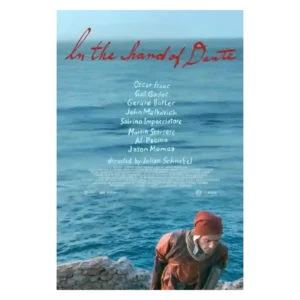
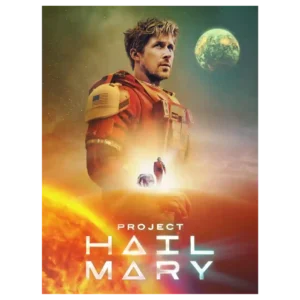
In the Hand of Dante
Where It Has the Edge
- plot originality is 4.5 vs 3.4. The lost-manuscript caper and reincarnated-writer structure create a genuinely unusual plot. Its singularity is a major asset, even...

Quick verdict
Choose In the Hand of Dante for plot originality.
Choose Project Hail Mary for critic appeal and emotional impact.
The film's ambition earns scattered admiration, but its indulgence, incoherence, and length have produced overwhelmingly negative critical reactions.
The broader critical response cited in the reviews is described as about as positive as a major studio release gets.
The film reaches for love, grief, faith, and artistic transcendence but remains emotionally remote. Its intellectual ambitions rarely turn into a moving human experience.
Many reviewers report tearing up or crying, especially around Grace and Rocky’s bond and the closing stretch. Even some mixed reviews admit the film lands a few powerful emotional moments.
The criminal plan, character behavior, romance, and handling of priceless documents often strain credibility. The film favors heightened myth and pulp over believable detail.
The grounded science, practical engineering and tangible sets make much of the film feel believable. Dissenters question character reactions and a handful of convenient scientific or mechanical solutions.
The adaptation preserves the novel's dual structure and excess, yet its interpretation of Dante's beliefs is sharply disputed. The film often feels more loyal to its own mythology than to the historical poet.
Book readers largely see this as a strong, faithful adaptation that preserves the novel’s heart and major beats. The strongest dissent argues that departures from the book flatten its moral and philosophical complexity.
The spiritual message is muddled and heavy-handed, mixing reincarnation, anti-institutional religion, art, and romantic salvation. Its conclusions can feel simplistic or hostile rather than profound.
The film’s optimism, pro-science cooperation, friendship and sacrifice resonate strongly with most reviewers. A dissenting critic finds that hope too frictionless and another objects to how the film handles Stratt’s coercion.
The period clothing divides opinion. Some find it sumptuous and memorable, while others see cheap, theatrical costumes that make the medieval sections feel like historical cosplay.
Grace’s nerdy T-shirt choices are praised as character-driven wardrobe that feels natural for his personality rather than planted references.
The Italian setting and Dante material are visually prominent, yet the accents, casting, and limited use of Italian performers often feel inauthentic or caricatured.
The cross-species friendship is praised for taking language, biology and cultural assumptions seriously enough to make cooperation feel meaningful.
The action is limited and rarely becomes a strength. The few bursts of violence and confrontation are weakened by awkward staging and uneven performances.
Action is used selectively but lands hard when it arrives, especially the late space set pieces; reviewers call them grounded, tense and visually impressive rather than nonstop spectacle.
Oscar Isaac and Gal Gadot rarely create the passion needed for the cross-century love story. A small minority found their pairing effective, but the dominant impression is emotional distance.
Grace and Rocky are the movie’s emotional engine; most reviewers call their odd-couple friendship warm, funny and genuinely moving. A few find later interactions repetitive or overly sweet.
The soundtrack includes conspicuous choices that can feel more like a filmmaker's indulgence than an organic part of the story.
The song selections are praised for warmth, nostalgia and tonal contrast, complementing the orchestral score without overwhelming scenes.
The all-star ensemble is wildly uneven. Several supporting players add force and humor, but the mismatched styles, accents, and flat performances often make the drama feel unintentionally comic.
The ensemble is widely praised, with Gosling carrying long solo stretches and supporting players giving the Earth scenes personality. One strongly negative take finds the lead’s familiar comic mannerisms tiring.
The screenplay contains an intriguing premise and ambitious ideas but lacks discipline. Absurd turns, unclear motives, disconnected threads, and self-important writing keep it from cohering.
The script is mostly praised for making dense science approachable and organizing the nonlinear mystery cleanly, though negative reviews call parts shallow, contrived or over-explanatory.
The two timelines, dual casting, side plots, and metaphysical links are difficult to track. Their connection remains tenuous until a late explanation that does little to unify the story.
Dense science is generally presented clearly, with multiple reviewers praising how digestible the technical problem solving remains. A few say some concepts are difficult, overly explained or too convenient.
The dramatic material is overextended and pompous rather than emotionally persuasive. Large conflicts and spiritual stakes are presented with weight, but seldom earn it.
The film usually earns its high stakes through character and problem-solving, but several critics think the bright tone softens danger and emotional weight.
This is best suited to viewers who enjoy audacious, divisive auteur projects and can tolerate confusion. Most will find the length and self-importance hard to endure.
The film is repeatedly described as a crowd-pleaser, with reports of applause and strong theatergoing enthusiasm. A dissenting review sees that accessibility as calculated and artificial.
The film's profanity and vulgar speeches contribute to an abrasive, hostile atmosphere. The coarse language is more likely to repel than enhance the experience.
Language is considered restrained for a PG-13 blockbuster: reviewers note little or no conventional profanity, though substitute swears and uses of God’s name remain.
The locations and historical spaces can look grand, but the physical world is inconsistent. Some sets feel painterly and immersive, while others appear cheap or sloppy.
The Hail Mary ship and practical environments draw exceptional praise for functional hard-sci-fi detail, tactile construction and large-screen immersion.
The story is an audacious literary-gangster epic with flashes of fascination, suspense, and beauty. Its dominant impression, however, is of an overstuffed, confusing mess that collapses under its scope.
Most reviewers see a smart, heartfelt survival-and-friendship story with strong problem-solving momentum. Negative outliers criticize formula, shallow characterization and convenient plotting.
The film badly needs a tighter cut. Jolting timeline transitions, repetitive stops, wandering subplots, and scenes that run too long drain momentum from the stronger crime material.
Timeline shifts and aspect-ratio transitions are often praised for clarity and momentum; one negative review finds the flashback cutting disorienting and over-explanatory.
The experience is highly divisive. Some enjoy the strange cast, violent pulp, and trainwreck fascination, but most find the film exhausting, dull, and difficult to recommend.
Most reviewers find the film extremely watchable and crowd-friendly despite its length, mixing science puzzles, humor and spectacle into an easy theatrical ride.
The mature sexual imagery is brief but deliberately provocative. It fits the film's adult tone, though the surrounding vulgarity and symbolism may feel gratuitous.
Sexual material is limited to light verbal references and a few suggestive jokes; family-focused reviewers describe it as comparatively tame.
The dialogue is frequently florid, repetitive, and self-consciously poetic. Period speeches, odd accents, and grand declarations often become confusing or accidentally funny.
Dialogue reactions are mixed: some praise crisp delivery and clear exchanges, while a harsh dissent calls the jokes and feel-good dialogue dated and shallow.
The violence is graphic, sudden, and often mean-spirited. It can add shock and danger to the crime story, but many find it excessive or emotionally unpleasant.
A family-focused review describes the movie as comparatively tame, with a couple of corpses but less harsh content than the earlier Weir adaptation.
Julian Schnabel takes a fearless, highly personal swing, but the freedom becomes self-indulgence. His visual confidence is clear, while narrative control, tone, and restraint are much less reliable.
Lord and Miller are mostly praised for turning dense science into lively blockbuster filmmaking, though critics who resist the goofy tone find the direction over-insistent or too silly.
Ideas about art, commerce, faith, violence, redemption, and artistic obsession are abundant. They are often compelling in isolation but rarely developed into a coherent or emotionally grounded argument.
Friendship, sacrifice, optimism, science and cooperation give the film more thematic weight than a simple adventure for many reviewers. Critics of the adaptation argue those ideas are softened or over-sentimentalized.
The black-and-white gangster and authentication material is usually the most satisfying part. The medieval biopic and spiritual romance are slower, thinner, and less coherent.
Science-fiction fans are the clearest target: reviewers praise the hard-science problem solving, big-screen wonder and optimistic space-adventure tone, with one major dissent calling it flat and derivative.
The first act and manuscript investigation can move well, but the film increasingly meanders. Long philosophical passages, repeated detours, and a sluggish second half make the journey feel punishing.
Pacing is mixed: some say the long runtime flies by or benefits from deliberate science detail, while others flag a slow opening, second-act drag, flashback friction and late-act sputter.
Key motivations are vague, supporting figures arrive late, and several women function more as symbols than fully formed characters. The film's scale leaves too little room for believable growth.
Grace’s growth and Rocky’s characterization work for many reviewers, but this is notably mixed: critics of the adaptation say Grace’s arc is thinner, underexplored, or too unchanged from start to finish.
The film jumps between gangster pulp, solemn historical drama, black comedy, romance, and spiritual reverie. Those modes frequently clash instead of enriching one another.
Tone is the most divisive creative choice: many like the balance of humor, tension and sincerity, while detractors say the comedy undercuts danger and the optimism can feel overly insistent.
The oversized beards, wigs, and conspicuous hair choices are memorable but often distracting. Several looks invite laughter instead of supporting the historical illusion.
The long-hair-and-beard look sells Grace’s extended sleep, though one reviewer jokingly calls out his suspiciously maintained highlights.
At roughly two and a half hours, the film is consistently described as bloated. Its length magnifies the repetition, tonal drift, and weak second half.
At roughly two and a half hours, length is the most repeated complaint; many reviewers feel the second half or ending runs long. A few counter that the problem-solving keeps the runtime lively.
The lost-manuscript caper and reincarnated-writer structure create a genuinely unusual plot. Its singularity is a major asset, even though the execution is unwieldy.
The core concept is often praised as fresh, but predictability and familiar genre DNA keep this from being a universal win.
Medieval Italy and the black-and-white criminal world have vivid, contrasting identities. The settings are imaginative and visually rich even when the narrative connection between them is weak.
The Tau Ceti material and alien design give the adventure convincing scale, with space sequences praised as stunning and the science-world detail easy to buy into.
The cross-century romance is the most repeated weakness. It is underwritten, rushed, and emotionally cold, leaving the declarations of timeless love unconvincing.
One reviewer notes that Grace’s lack of romantic or family attachments reduces the sense of personal sacrifice compared with more emotionally anchored space dramas.
The contrast between widescreen monochrome and boxier color imagery gives the film a distinctive look. Even harsh critics often admire its painterly frames, textures, and locations.
The film’s look is one of its strongest consensus wins: colorful space vistas, tactile sets, aspect-ratio shifts and adventurous camera choices make it feel built for a large screen.
Oscar Isaac is usually the film's strongest anchor, differentiating Nick Tosches and Dante with commitment and charisma. Even favorable assessments note that the sprawling script makes his task unnecessarily difficult.
Gosling is one of the strongest consensus positives, repeatedly praised for carrying solo stretches with charm, physical comedy and vulnerability. A small minority find the familiar goofy persona strained or tiring.
Gerard Butler is the most frequent standout, with John Malkovich, Al Pacino, and Martin Scorsese also earning praise. The ensemble remains uneven because several prominent performances feel miscast or tonally disconnected.
Sandra Hüller is the standout supporting performer, with Lionel Boyce also drawing consistent praise for dry humor and grounded rapport. The Earth scenes benefit from their contrast with Gosling.
The final act is one of the weakest sections. Melodrama, an awkward showdown, and an unearned philosophical resolution replace the energy of the earlier manuscript plot.
The ending is the clearest recurring weakness: multiple reviewers say the final act keeps finding new conclusions, feels rushed or structurally overextended after an earlier emotional peak.
Gerard Butler's outrageous gangster provides much of the intentional humor, while other laughs come from campy casting, accents, and solemn scenes that land unintentionally.
Comedy is a genuine strength for many, particularly Gosling’s physical timing and Grace-Rocky misunderstandings. But the jokes are also polarizing, with some reviewers calling them repetitive, cheesy or tonally disruptive.
The crisp black-and-white modern sequences and vivid color period scenes are the film's most consistent achievement. Painterly compositions, roaming camera work, and striking locations give it a grand visual identity.
Space imagery, IMAX scale, framing and texture earn near-universal praise, with Greig Fraser’s work repeatedly called stunning, sublime or top-tier.
Few films combine literary scholarship, medieval mysticism, organized crime, reincarnation, and romantic melodrama this boldly. The result is unmistakably original even when it fails.
Reviewers appreciate a standalone non-franchise sci-fi blockbuster and often call it fresh, while detractors hear echoes of better space classics and find parts derivative.
The theft, manuscript authentication, and early criminal pursuit create the film's best suspense. That tension fades as romance and metaphysical reflection take over.
Problem-solving and late space hazards generate strong tension for most reviewers, but a few feel the optimistic tone telegraphs success and drains danger.
Several reviewers see this as unusually accessible sci-fi for families and older kids, with most-ages appeal and mild content by PG-13 standards.
CGI is usually praised for disappearing into the practical sets and Rocky puppetry, adding polish without making the world feel synthetic.
The movie is repeatedly described as clean, wholesome and family-friendly, with restrained profanity and only limited sexual or frightening material.
The portrayal of Dante's faith, worldview, and medieval context is frequently criticized as revisionist or superficial. Its historical world works better as stylized fantasy than persuasive biography.
Rocky’s puppetry and the physical sets are among the highest-consensus technical strengths, repeatedly praised for giving the alien and spacecraft convincing weight and presence.
Several reviewers expect repeat viewings to hold up well, whether for small production details, emotional impact or the sheer pleasure of revisiting Grace and Rocky.
The movie includes some existentially frightening moments, but one family-oriented review still considers them manageable within an overwhelmingly hopeful adventure.
Daniel Pemberton’s score is a major strength, frequently described as sweeping, unusual, emotional and integral to the film. One dissent finds the constant grandeur overbearing and tension-flattening.
Atmos and sound design receive unanimous praise in the scored sources, from precise spatial cues to Rocky’s sonic language and high-impact action.
Visual effects work is consistently praised, especially where digital enhancement blends with practical sets and puppetry rather than replacing them.
The 4K review finds the collector’s SteelBook worth seeking out for buyers who want a more complete edition.