

Compare Remake vs The Invite

Remake
The Invite

Quick verdict

What each product is best for

Choose Remake for character development and editing quality.

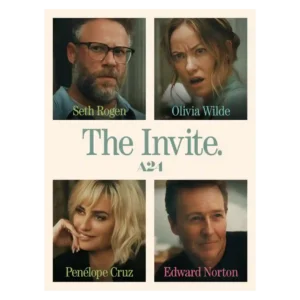
Choose The Invite for pacing and chemistry between characters.

Comparison Takeaways

Remake

Where It Has the Edge

  • character development is 5.0 vs 3.8. Adrian emerges as a bright, funny, ambitious child and a complicated adult whose talent and pain are shown...
  • editing quality is 4.6 vs 3.5. The best passages weave decades of footage into intricate emotional and thematic echoes. A few critics found the...
  • plot clarity is 4.5 vs 3.5. The grief story and failed Hollywood adaptation initially seem disconnected, but the film links them through legacy, authorship,...
  • visual style is 5.0 vs 4.2. The mix of old film, digital footage, and Adrian’s visually expressive material makes shifting time and memory feel...

The Invite

Where It Has the Edge

  • pacing is 4.2 vs 3.4. Most critics praise the kinetic rhythm and carefully timed reveals, especially within the single-apartment setup. Others find the...
  • chemistry between characters is 5.0 vs 4.5. The quartet’s contrasting styles lock into a lively rhythm, while each new pairing creates a different emotional and...
  • production design is rated 5.0 while the other product has no score yet. The renovated apartment functions like a fifth character, expressing warmth, distance, entrapment, and unfinished marital business. Its rooms,...
  • lead performance is rated 5.0 while the other product has no score yet. Seth Rogen is repeatedly singled out for combining comic timing with deep, lived-in sadness, while Olivia Wilde earns...
Average score
Remake
4.8
The Invite
4.5
character development
Remake
5.0

Adrian emerges as a bright, funny, ambitious child and a complicated adult whose talent and pain are shown without reducing him to addiction.

The Invite
3.8

The four characters gradually reveal insecurity, grief, desire, and resentment beneath their initial comic types. Most find them richly layered, though one critic felt some interactions were overly manufactured.

editing quality
Remake
4.6

The best passages weave decades of footage into intricate emotional and thematic echoes. A few critics found the cross-cutting clumsy or repetitive in places.

The Invite
3.5

The cutting usually gives the dinner party propulsive rhythm and helps the comedy snap into place. The most negative response calls the staccato approach cacophonous and exhausting.

plot clarity
Remake
4.5

The grief story and failed Hollywood adaptation initially seem disconnected, but the film links them through legacy, authorship, and the impossibility of controlling what remains.

The Invite
3.5

The central setup is easy to follow, but some later turns may lose viewers who have not fully bought into the couples’ behavior. The film favors emotional escalation over a tidy, conventional plot.

pacing
Remake
3.4

Most of the archival journey is absorbing, though repeated returns to certain ideas and the remake subplot create occasional stretches of tedium.

The Invite
4.2

Most critics praise the kinetic rhythm and carefully timed reveals, especially within the single-apartment setup. Others find the opening overcharged or the later monologues and arguments too drawn out.

visual style
Remake
5.0

The mix of old film, digital footage, and Adrian’s visually expressive material makes shifting time and memory feel tangible.

The Invite
4.2

Warm 35mm texture, mirrors, frames within frames, and precise spatial composition give the chamber piece a polished cinematic identity. Some critics find the early symbolism overly studied, but the overall look is admired.

theme depth
Remake
5.0

Its richest ideas concern memory, artistic responsibility, family privacy, legacy, and the camera’s power to preserve life while also distorting it.

The Invite
4.2

The film digs into failed ambition, comparison, resentment, intimacy, and the stories couples tell themselves. Most find it insightful and mature, while a dissenting group sees only a superficial treatment of modern relationships.

dialogue quality
Remake
5.0

McElwee’s droll, gentle voiceover gives the film clarity and warmth, while candid father-son exchanges expose affection, tension, and regret.

The Invite
4.4

The rapid, overlapping dialogue is commonly described as crackling, sharp, natural, and extremely funny. Some critics find the verbal sparring self-satisfied or overextended, especially in longer arguments.

entertainment value
Remake
5.0

The subject is difficult, but the personalities, humor, revealing footage, and evolving family story remain absorbing and consistently compelling.

The Invite
4.4

Despite its single location and talk-heavy structure, the film is widely considered a highly entertaining pressure cooker. Its combination of awkwardness, surprise, and star chemistry keeps the evening engaging.

ending satisfaction
Remake
5.0

The final passages and farewell land with overwhelming force, bringing grief, regret, and enduring love together without pretending to resolve them.

The Invite
4.5

Most critics admire the bittersweet, enigmatic, or quietly hopeful ending and expect audiences to discuss it afterward. A few consider it too cautious, noncommittal, or less satisfying than the journey.

genre satisfaction
Remake
5.0

As a personal documentary, it is widely viewed as accomplished, profound, and even masterful, working both as a standalone film and a career culmination.

The Invite
4.5

As an adult relationship dramedy, dark comedy, and sex farce, it delivers sophisticated laughs with real emotional stakes. Its frank approach to marriage and non-monogamy feels refreshingly grown-up.

chemistry between characters
Remake
4.5

The father-son relationship feels loving, funny, tense, and painfully unresolved; their banter makes the bond vivid even when the camera creates distance.

The Invite
5.0

The quartet’s contrasting styles lock into a lively rhythm, while each new pairing creates a different emotional and comic charge. The believable friction between the married couple is especially important to the film’s impact.

message quality
Remake
5.0

The film argues that images cannot undo loss, but they can preserve fragments of love, invite accountability, and help the living continue.

The Invite
4.5

The film argues for honesty, change, and renewed openness rather than prescribing monogamy or non-monogamy. Its hopeful ideas resonate with many critics, though a few find the relationship lessons obvious or didactic.

story quality
Remake
4.9

The film turns decades of family footage into a profound, heartbreaking portrait of a father, son, and the limits of memory. Its private details grow into universal questions about love, loss, and responsibility.

The Invite
4.5

The familiar dinner-party premise grows into a surprisingly layered exploration of marriage and desire. Most find the story close to perfectly executed, though some consider its deeper turns forced or superficial.

runtime
Remake
3.0

At roughly two hours, the film earns most of its length through emotional and thematic depth, though repetition makes some sections feel longer than necessary.

The Invite
2.7

At roughly 107–108 minutes, the film feels tight and propulsive to some viewers but overlong to others. The most common concern is that the material could lose 15–20 minutes without sacrificing its emotional point.

cinematography
Remake
4.8

Adrian’s mobile, precise footage provides an energetic contrast to his father’s steadier style and lets the film briefly see the world through the son’s eyes.

The Invite
5.0

The 35mm photography, careful blocking, mirrors, and shifting perspectives make one apartment feel cinematic and constantly changing. A few flourishes can feel conspicuous, but the visual craft is a major strength.

realism
Remake
4.8

Home movies, candid conversations, and Adrian’s own footage create an unusually unvarnished portrait of family strain, addiction, and grief.

The Invite
5.0

The petty grievances, overlapping arguments, insecurity, and emotional stagnation feel painfully recognizable. Many critics see their own long-term relationship dynamics reflected in the film’s uncomfortable comedy.

audience appeal
Remake
4.8

It works for newcomers as well as longtime followers, and its layered questions make it especially rewarding for viewers who want to discuss a film afterward.

The Invite
5.0

The film appears built for communal viewing, with packed audiences reportedly laughing hard and staying engaged. Its adult, dialogue-driven style should land best with viewers who enjoy sharp relationship comedy.

screenplay quality
Remake
5.0

The narration and interlaced structure connect childhood, addiction, family rupture, career history, and grief with unusual thoughtfulness.

The Invite
4.8

The screenplay is broadly celebrated as whip-smart, funny, adult, and emotionally perceptive. Its overlapping talk and carefully planted reveals are major strengths, though a few critics call it over-written or smug.

emotional impact
Remake
5.0

The film is consistently described as devastating, shattering, and deeply moving, yet moments of humor and tenderness keep it from becoming emotionally one-note.

The Invite
4.8

The film repeatedly turns belly laughs into sadness, tenderness, and even tears. Its strongest moments make marital regret and buried longing hit harder because the comedy has lowered viewers’ defenses.

humor
Remake
4.6

Dry industry satire, family teasing, and off-kilter observations provide welcome levity without trivializing the central loss.

The Invite
4.8

The strongest consensus is that the film is genuinely hilarious, with rapid insults, physical comedy, and escalating social discomfort producing big laughs. A small minority finds it only occasionally funny.

directing quality
Remake
4.7

McElwee is widely praised for shaping an enormous personal archive into a searching, emotionally devastating film. One critic sharply questions the ethics of turning family life into public art.

The Invite
4.7

Olivia Wilde’s control of performance, space, and comic escalation is frequently called her strongest directing work. A few early choices feel fussy or overemphatic, but the overall staging is confident and inventive.

drama quality
Remake
5.0

The documentary transforms private tragedy into gripping human drama, especially as childhood joy gives way to addiction, regret, and mourning.

The Invite
5.0

Beneath the farce is a poignant chamber drama about disappointment, intimacy, and a marriage nearing collapse. The emotional seriousness gives the comedy weight without turning the film into a conventional tearjerker.

originality
Remake
5.0

This is an unusually singular grief documentary: part family archive, career reckoning, Hollywood satire, and ethical self-interrogation.

The Invite
5.0

Even with a familiar dinner-party setup and multiple earlier adaptations, the film often feels fresh, contemporary, and surprising. Its specific observations about stalled relationships keep it from playing like a routine remake.

critic appeal
Remake
5.0

Critical response is overwhelmingly enthusiastic, with the film called a masterpiece, a career high, and one of the year’s strongest documentaries.

The Invite
5.0

Critical response is overwhelmingly enthusiastic, with many calling it one of the year’s best comedies or films. A smaller group finds it shallow, overworked, or only intermittently funny.

plot originality
Remake
5.0

Rather than forcing a conventional documentary arc, it builds around an open question about whether life, memory, or a damaged relationship can ever be remade.

The Invite
5.0

The story repeatedly swerves away from the most predictable version of its premise and complicates each character’s motives. Its surprises are a major pleasure even when the broad destination can be anticipated.

acting performance
RemakeNo score yet
The Invite
4.8

The four leads are widely praised as a remarkably balanced ensemble, with several critics calling the work career-best. Even more mixed assessments agree the cast keeps the film lively.

costume design
RemakeNo score yet
The Invite
4.5

The clothing subtly places the buttoned-up hosts and liberated guests in visual opposition. These choices reinforce personality and relationship dynamics without becoming overly showy.

faithfulness to source material
RemakeNo score yet
The Invite
4.8

The adaptation remains close to the Spanish source while adding American detail, greater sensuality, and more character expansion. Several critics consider it an unusually successful U.S. remake.

interview quality
Remake
5.0

Adrian’s candid discussion after rehab is especially affecting because his honesty and intelligence remain visible amid the severity of his addiction.

The InviteNo score yet
lead performance
RemakeNo score yet
The Invite
5.0

Seth Rogen is repeatedly singled out for combining comic timing with deep, lived-in sadness, while Olivia Wilde earns career-best notices for anxious physical comedy and emotional vulnerability.

production design
RemakeNo score yet
The Invite
5.0

The renovated apartment functions like a fifth character, expressing warmth, distance, entrapment, and unfinished marital business. Its rooms, mirrors, decor, and sightlines keep the contained story visually alive.

rewatch value
RemakeNo score yet
The Invite
4.8

The dense dialogue, layered performances, visual blocking, and ambiguous ending give the film strong repeat-viewing potential. The few explicit rewatch comments are highly enthusiastic.

romance quality
RemakeNo score yet
The Invite
4.5

The film treats marriage, desire, and non-monogamy with curiosity rather than easy judgment. Its romantic outlook is messy but ultimately humane, showing both the fear and possibility involved in changing a relationship.

score quality
RemakeNo score yet
The Invite
3.1

Devonté Hynes’s string-heavy score sharply amplifies tension and comic rhythm for some critics. Others find it blaring, overly insistent, or distracting, making this the clearest technical point of disagreement.

sexual content level
RemakeNo score yet
The Invite
4.5

The film is raunchy in subject and conversation but contains no explicit sex or nudity. Its adult material is generally seen as purposeful, playful, and tied to character rather than included for shock alone.

soundtrack quality
RemakeNo score yet
The Invite
5.0

The musical selections are used sparingly but effectively, with the Sade needle drop singled out as a crowd-pleasing highlight. The songs add sensuality and irony to the relationship drama.

supporting cast performance
RemakeNo score yet
The Invite
4.9

Penélope Cruz and Edward Norton are repeatedly praised as magnetic, funny, and unpredictable foils. Cruz brings seductive confidence and comic precision, while Norton balances smug charm with unexpected tenderness.

suspense
RemakeNo score yet
The Invite
4.0

The apartment becomes a claustrophobic emotional trap as grievances, secrets, and attraction accumulate. The tension comes from social and marital danger rather than conventional thriller mechanics.

tonal consistency
RemakeNo score yet
The Invite
4.0

For most of its runtime, the film balances broad comedy, cringe, pathos, and sadness with impressive control. Several critics note that the late turn into darker emotion can feel choppy or forced.