Average score
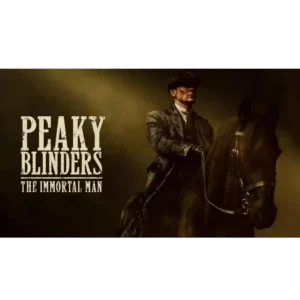
Peaky Blinders: The Immortal Man
3.7
special effects quality
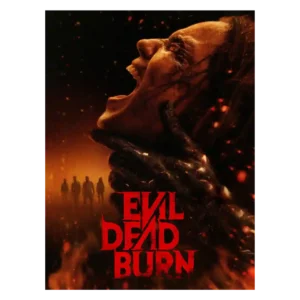
Evil Dead Burn
4.0
The makeup and physical effects help sell the Deadites’ mutilations and transformations with memorable detail. The craft is strongest when it stays tactile rather than leaning toward digital spectacle.
Peaky Blinders: The Immortal Man
1.0
An apparent CGI hat is called distractingly bad, standing out as a conspicuous weakness in the effects work.
realism
Evil Dead Burn
4.5
Tactile effects make even exaggerated mutilations feel disturbingly authentic and believable, strengthening the physical horror.
Peaky Blinders: The Immortal Man
1.9
Period immersion is weakened for some by modern-looking styling, oversized stakes, and questionable wartime plausibility. The film’s stylized mythmaking of Tommy also draws skepticism.
emotional impact
Evil Dead Burn
1.5
The film’s misery and cruelty can feel overwhelming rather than cathartic. Its grief and abuse material is forceful, but some viewers leave emotionally drained instead of moved.
Peaky Blinders: The Immortal Man
3.8
For supporters, the film delivers grief, regret, family conflict, and a powerful farewell with real force. Detractors found key deaths rushed, contrived, or too hollow to land.
score quality
Evil Dead Burn
3.0
The music receives sharply split reactions, ranging from a great, propulsive score to an awful distraction. Its effectiveness appears closely tied to whether the viewer embraces the film’s bombastic intensity.
Peaky Blinders: The Immortal Man
5.0
The score is repeatedly praised for building dread, atmosphere, and intensity, especially as Tommy’s return pushes the film toward its climax.
scares
Evil Dead Burn
3.1
The oppressive atmosphere and relentless attacks frightened some reviewers, but others found the movie more gross than genuinely scary. Its strongest fear comes from sustained discomfort rather than traditional suspense alone.
Peaky Blinders: The Immortal Man
5.0
The eerie, supernatural-leaning material is praised as some of the eeriest material the franchise has attempted.
sound design
Evil Dead Burn
2.0
The soundscape emphasizes texture and impact, but it can become overly loud and leave too little quiet contrast. That constant pressure may heighten brutality while also causing fatigue.
Peaky Blinders: The Immortal Man
3.8
The soundscape can feel forceful and theatrical, with one review highlighting Dolby Atmos impact and another calling the sound design incredible. A major dissent criticizes an aggressive music-to-dialogue mix.
originality
Evil Dead Burn
4.2
The film brings inventive visual ideas, tactile gore, and a more active role for the Deadites, but its underlying survival structure remains familiar. The fresh presentation is stronger than the basic plot.
Peaky Blinders: The Immortal Man
2.5
Many reviewers see the movie as a familiar one-last-job epilogue or a reworking of old Peaky Blinders beats. A smaller group praises its bolder choices and fresh generational angle.
visual style
Evil Dead Burn
3.4
The film pairs inventive compositions and striking camera tricks with a muted, gray-brown palette. Some find the look stylish and distinctive, while others consider it drab, flat, or overly uniform.
Peaky Blinders: The Immortal Man
4.7
The visual presentation is consistently celebrated: smoky interiors, chiaroscuro lighting, slow-motion swagger, period grime, and large-scale wartime imagery make the movie look distinctly cinematic.
character development
Evil Dead Burn
2.0
The family members often come across as thin, vague, or caricatured before the Deadites take over. Alice receives the most attention, but several relationships and motivations need more development for the losses to land.
Peaky Blinders: The Immortal Man
3.2
Tommy’s reckoning with grief and Duke’s struggle with his father’s legacy work for many reviewers, but the compressed format leaves several supporting characters—and, for some, Duke himself—feeling thin or underdeveloped.
plot originality
Evil Dead Burn
3.0
The setup adds lore and a more purposeful Deadite attack, but the core isolated-house survival plot remains very familiar for the franchise.
Peaky Blinders: The Immortal Man
1.8
The central comeback structure, Nazi scheme, and legacy conflict are often described as familiar or clichéd, with several critics saying the film rarely finds a genuinely new plot shape.
world-building
Evil Dead Burn
4.5
The expanded lore, family connection to the Deadites, and renewed focus on the Kandarian dagger give the mythology welcome forward movement. Fans who wanted more than another accidental reading of the book may appreciate the added context.
Peaky Blinders: The Immortal Man
3.3
For supporters, Birmingham and the Peaky underworld feel convincingly restored and expanded into wartime. Critics miss the old ensemble and argue the newer, thinner supporting world makes the film feel smaller than the series.
plot clarity
Evil Dead Burn
2.5
The rules connecting the physical Deadites, the metaphysical threat, and the Kandarian dagger are not always explained clearly, leaving parts of the mythology fuzzy.
Peaky Blinders: The Immortal Man
3.7
Some newcomers report following the story surprisingly easily without heavy recaps, but other reviews point to shaky logic or exposition that does too much work.
rewatch value
Evil Dead Burn
1.0
The unrelenting cruelty makes the film difficult to revisit for viewers who find its violence exhausting rather than exhilarating.
Peaky Blinders: The Immortal Man
2.1
Rewatch interest is sharply polarized: one enthusiastic reviewer immediately wanted another viewing, while several detractors say they would not revisit it and even feel it harms the series’ rewatchability.
suspense
Evil Dead Burn
4.5
The film sustains an oppressive, nearly unbroken sense of danger once the Deadites attack. Its tension is relentless enough to thrill gore fans, though the lack of breathing room may exhaust others.
Peaky Blinders: The Immortal Man
3.4
Several set pieces generate strong tension and claustrophobia, especially the pub and tunnel material. Negative reviews say predictability weakens the climax and removes the sharper twists associated with the series.
lead performance
Evil Dead Burn
3.8
Souheila Yacoub gives Alice raw physical commitment and emotional credibility, making her easy to root for through the ordeal. A minority view finds the character less forceful than the franchise’s strongest survivors.
Peaky Blinders: The Immortal Man
4.9
Cillian Murphy’s return as Tommy is overwhelmingly praised for its weary stillness, menace, grief, and emotional control; even harsh critics routinely identify him as a major strength.
genre satisfaction
Evil Dead Burn
3.0
Dedicated Evil Dead fans may enjoy the ferocity and lore additions, but the movie is not a universal crowd-pleaser within the franchise. Some call it a solid entry, while others find it merely middling.
Peaky Blinders: The Immortal Man
4.1
As a gangster-period-drama send-off, the movie retains much of the show’s identity and pulp energy. Several critics still feel it plays more like an extended television episode than a fully realized feature.
story quality
Evil Dead Burn
2.3
The family backstory and expanded mythology offer more narrative ambition than usual, but the plot is often described as predictable, thin, or insufficiently engaging. The set pieces routinely outshine the dramatic throughline.
Peaky Blinders: The Immortal Man
3.3
The core legacy-and-war story is compelling and emotionally satisfying for many reviewers, but others call the movie unnecessary, thin, half-baked, or unable to justify rewriting the series’ prior ending.
CGI quality
Evil Dead Burn
2.0
The digital work is the weak link, especially in the finale, where heavier CGI reduces the tactile impact established by the practical gore.
Peaky Blinders: The Immortal Man
1.0
An apparent CGI hat is called conspicuously poor, creating a distracting visual blemish in the effects work.
cultural representation
Evil Dead Burn
4.0
Alice’s position as a French immigrant inside a hostile American family adds a meaningful layer of alienation, xenophobia, and pressure to assimilate.
Peaky Blinders: The Immortal Man
5.0
Tommy’s spiritual and gypsy side is praised as one of the most worthwhile expansions of his character in the film.
drama quality
Evil Dead Burn
3.0
The sincere family drama gives the carnage emotional context, but its bleak realism and the franchise’s exaggerated horror do not always sit comfortably together.
Peaky Blinders: The Immortal Man
4.0
The film’s grief-heavy, introspective drama gives Tommy’s final chapter weight for many viewers, though its persistent misery and brooding occasionally overwhelm the entertainment.
faithfulness to source material
Evil Dead Burn
4.5
The film preserves the series’ kinetic camera energy, grotesque invention, and Deadite cruelty without simply imitating Sam Raimi shot for shot.
Peaky Blinders: The Immortal Man
3.5
The film restores the show’s swagger, music, visual language, and callbacks, satisfying many longtime fans. Others see missing characters and major legacy decisions as betrayals of the series’ established arcs.
humor
Evil Dead Burn
3.0
The comedy is the most divisive part of the film. Some reviewers found the dark gags and timing genuinely funny, while others thought the jokes were scarce, forced, or badly matched with the domestic-abuse storyline.
Peaky Blinders: The Immortal Man
4.0
Dark comedy—especially the Garrison grenade sequence and father-son mud fight—provides welcome relief from the gloom. A few detractors find some of the comic touches cheesy rather than sharp.
theme depth
Evil Dead Burn
3.3
The story uses grief, abuse, xenophobia, and inherited family damage to give the carnage a darker purpose. Reviewers appreciate the ambition but disagree on whether those ideas are meaningfully developed or merely attached to the violence.
Peaky Blinders: The Immortal Man
4.2
Legacy, grief, trauma, memory, family inheritance, and self-definition give the film substantial thematic weight. Critics who resist the movie argue these ideas are compressed, overplayed, or left insufficiently explored.
editing quality
Evil Dead Burn
1.8
The editing draws criticism for a choppy opening and occasional clumsy transitions that disrupt momentum. The strongest continuous sequences show how effective the film can be when the cutting is more controlled.
Peaky Blinders: The Immortal Man
2.5
Hazy reverie-style editorial cuts are criticized as visually cheesy and as interruptions to the otherwise painterly presentation.
runtime
Evil Dead Burn
1.5
The nearly two-hour runtime feels excessive to some viewers, with the final stretch arriving well after the movie seems ready to conclude.
Peaky Blinders: The Immortal Man
2.2
At roughly feature length, the movie often feels too compressed for the number of character turns and plot developments it attempts. Several reviewers explicitly wish the story had been a season or miniseries instead.
violence level
Evil Dead Burn
3.1
The violence is exceptionally graphic, inventive, and tactile, making this one of the franchise’s harshest entries. Gore fans may admire its commitment, while many reviewers found the cruelty excessive, numbing, or simply unpleasant.
Peaky Blinders: The Immortal Man
3.8
The film’s cold-blooded, stylized violence generally fits the franchise’s appeal and is often balanced with swagger or dark humor, though it can edge into grim excess for some viewers.
cinematography
Evil Dead Burn
4.3
The camera work is a major highlight, with spinning perspectives, long takes, mirror reveals, and aggressive movement that make familiar carnage feel freshly staged. Even mixed reviews often praise the film’s visual ingenuity.
Peaky Blinders: The Immortal Man
5.0
The cinematography is the clearest consensus strength, praised for striking light, shadow, mud, rubble, wintry landscapes, and a genuinely cinematic sense of scale.
value for money
Evil Dead Burn
3.5
The film’s strongest car sequence is inventive enough to nearly justify a theater ticket on its own, though the complete experience is more uneven.
Peaky Blinders: The Immortal Man
4.0
The big-screen outing is framed as earned and worth paying for, with the theatrical presentation treated as part of the appeal.
supporting cast performance
Evil Dead Burn
4.5
The supporting cast adds emotional heft and sharply defined hostility to the family conflict. Tandi Wright in particular brings convincing guilt, denial, and maternal protectiveness to material that could have felt one-note.
Peaky Blinders: The Immortal Man
4.1
The supporting ensemble is generally considered strong, particularly Keoghan, Roth, Rundle, Graham, and Ferguson. The bigger complaint is often that the movie underuses them or gives their characters too little depth.
directing quality
Evil Dead Burn
4.1
Sébastien Vaniček shows real command of claustrophobic action, gruesome choreography, and energetic camera movement. His handling of tone is less consistent, especially when bleak family drama, comedy, and franchise mayhem compete for space.
Peaky Blinders: The Immortal Man
4.5
Tom Harper is frequently praised for confident staging, visual control, suspense, and explosive set pieces. A few reviews fault specific tonal or narrative choices even while admiring the filmmaking.
entertainment value
Evil Dead Burn
2.8
Reactions range from gleeful appreciation of the gory fun to outright frustration with the oppressive tone. The experience works best for viewers who enjoy extreme practical carnage and can tolerate a grim, punishing atmosphere.
Peaky Blinders: The Immortal Man
3.1
Reactions range from gripping, highly enjoyable fan service to dull, hollow, or unnecessary viewing. A common middle ground is that the movie becomes much more entertaining after its slow first half.
audience appeal
Evil Dead Burn
4.0
Established Evil Dead fans and dedicated gorehounds are the most likely to enjoy the film, while squeamish viewers and those seeking lighter horror may struggle.
Peaky Blinders: The Immortal Man
3.7
Longtime Peaky Blinders fans are the clearest audience, especially for the callbacks and emotional closure. Reviewers disagree on newcomers: some found the film easy to follow, while others strongly recommend watching the series first.
screenplay quality
Evil Dead Burn
3.0
The screenplay has ambitious emotional and mythological ideas, but the character writing and dramatic structure often feel less sturdy than the concepts surrounding them.
Peaky Blinders: The Immortal Man
2.8
The script earns credit for themes, twists, and some strong dialogue, but criticism is substantial: exposition, clichés, rushed character work, and compressed plotting repeatedly surface.
production design
Evil Dead Burn
4.0
The decaying family house and its everyday objects are used imaginatively, turning confined domestic spaces into an effective arsenal of traps and threats.
Peaky Blinders: The Immortal Man
4.2
Blitz-era Birmingham, grime, rubble, docks, pubs, and warehouses are generally rendered with impressive tactile detail and scale. One negative review thought parts of the production looked like a soundstage.
acting performance
Evil Dead Burn
4.5
The cast commits fully to the family’s panic, hostility, and physical punishment, giving the confined ensemble enough intensity to hold the screen even when the writing thins out.
Peaky Blinders: The Immortal Man
4.7
The cast is one of the film’s safest bets: even many negative reviews praise the performances, with the central actors repeatedly credited for elevating uneven material.
action sequences
Evil Dead Burn
4.1
The close-quarters car fight, extended takes, overhead staging, and household-weapon set pieces are among the movie’s biggest strengths. Some viewers still feel the spectacle starts to resemble a chain of violent showcases rather than a fully connected story.
Peaky Blinders: The Immortal Man
4.0
The action lands best once Tommy returns to Birmingham, with the pub confrontation, shootouts, explosions, and finale frequently singled out. Critics who wanted more momentum found the action too delayed or the climax predictable.
message quality
Evil Dead Burn
4.0
The movie’s strongest idea is that clinging to grief, abuse, and a lost relationship can become another form of possession.
Peaky Blinders: The Immortal Man
4.1
The strongest readings focus on legacy, self-definition, family, and the cost of valuing power over people. One severe critic felt the film squandered the larger sense of purpose built around Tommy.
soundtrack quality
Evil Dead Burn
4.5
The music earns direct praise from one reviewer, adding propulsion and scale to the film’s chaotic horror.
Peaky Blinders: The Immortal Man
4.4
Modern-rock needle drops remain a signature strength and are widely praised for driving emotion and atmosphere. A few reviewers find the choices dated, overly loud, or less appealing outside the iconic theme reprise.
pacing
Evil Dead Burn
2.3
Once the violence begins, the movie can move with fierce momentum, yet many reviewers still found the nearly two-hour experience overlong, repetitive, or slow between major payoffs. The final stretch is especially prone to fatigue.
Peaky Blinders: The Immortal Man
2.2
Pacing is the most consistent weakness: the first half is repeatedly described as slow or drawn out, while the later material can feel rushed as too much story is compressed into feature length.
ending satisfaction
Evil Dead Burn
3.8
The ending draws sharply divided reactions: one review celebrates a spectacular, bonkers finale, while another feels the movie adds an unnecessary climax that weakens the finish.
Peaky Blinders: The Immortal Man
3.7
The ending is intensely divisive: many call it fitting, powerful, or even perfect closure for Tommy, while others believe it needlessly overturns the stronger symbolism of Season 6.
dialogue quality
Evil Dead Burn
2.5
The Deadites’ distorted dialogue can be hard to understand, reducing the impact of some taunts and character moments.
Peaky Blinders: The Immortal Man
2.5
Dialogue receives mixed marks: some reviewers praise sharp lines and economical exposition, while others call it simplistic, clunky, corny, or overly explanatory.
chemistry between characters
Evil Dead BurnNo score yet
Peaky Blinders: The Immortal Man
4.0
Murphy and Keoghan’s father-son dynamic is often described as raw, magnetic, and powerful. A smaller group felt the pair never generated the expected sparks or emotional bond.
costume design
Evil Dead BurnNo score yet
Peaky Blinders: The Immortal Man
3.7
The return of Tommy’s tailored Peaky Blinders look remains a major visual pleasure, with covetable coats and sharp suiting earning praise. One review found Duke’s modern-looking styling immersion-breaking.
critic appeal
Evil Dead BurnNo score yet
Peaky Blinders: The Immortal Man
3.5
Aggregated critical reaction is broadly favorable but not uniform, with enthusiasm for craft and performances tempered by repeated complaints about pacing, script compression, and sequel necessity.
historical accuracy
Evil Dead BurnNo score yet
Peaky Blinders: The Immortal Man
3.2
Reviewers appreciate the use of World War II events and the counterfeit-currency plot as historical grounding. Others question specific period details, plausibility, or the sentimental elevation of Tommy within wartime history.
makeup quality
Evil Dead Burn
4.0
The makeup work contributes strongly to the Deadites’ damaged bodies and memorable transformations, complementing the practical effects.
Peaky Blinders: The Immortal ManNo score yet
practical effects quality
Evil Dead Burn
4.5
The practical gore is consistently praised for looking tactile, authentic, and stomach-churning. Graphic injuries retain a physical weight that keeps even exaggerated moments disturbingly believable.
Peaky Blinders: The Immortal ManNo score yet
romance quality
Evil Dead BurnNo score yet
Peaky Blinders: The Immortal Man
1.5
The romantic material fares poorly, with Tommy’s sex scene described as cheesy rather than convincing.
sexual content level
Evil Dead BurnNo score yet
Peaky Blinders: The Immortal Man
2.0
The sexual material draws a negative reaction because Tommy’s sex scene is viewed as cheesy and out of place.
tonal consistency
Evil Dead BurnNo score yet
Peaky Blinders: The Immortal Man
3.0
The sombre, gothic, highly stylized mood works for some as a fitting final chapter, but others find the film tonally off, overly miserable, campy, or caught awkwardly between old and new Peaky Blinders.