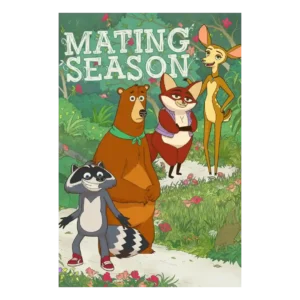
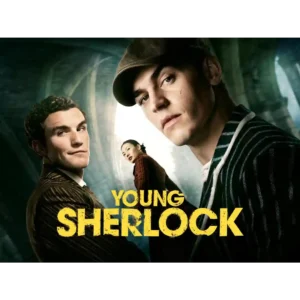
Mating Season, Season 1
Where It Has the Edge
No clear scored advantage over the other product.

Scorata scores summarize analyzed review evidence on a 1–5 scale; they are not laboratory measurements or a simple average of customer star ratings. Feature scores summarize the reviews covering that feature. The overall score averages feature scores within each review, then combines review averages. When both expert and customer evidence are available, those two groups receive equal weight. Products can have different review coverage, so small score gaps do not establish a winner.
Recommendations prioritize important features for the category, with a score of at least 3.5, a gap of at least 0.25 points and at least two supporting reviews per product. Features with widely varying scores or broad connectivity contexts are excluded from recommendations. These safeguards do not establish statistical significance.
Quick verdict
The available evidence supports the recommendation below, but does not establish an overall winner. Check the remaining features against your priorities.
There is not enough comparable review evidence to recommend Mating Season, Season 1 over the other product.
Choose Young Sherlock, Season 1 for family friendliness and emotional impact.
No clear scored advantage over the other product.
Scores are out of 5. Missing scores mean missing review evidence, not a missing feature.
The finale earns points for connecting earlier threads that once seemed disposable. That payoff makes the serialized elements feel more intentional for viewers who stuck with the season.
One critic flags information gaps where characters appear to know things the established continuity has not shown them learning.
This is plainly not family-friendly viewing. Content-focused reactions stress raunch, strong language, and sexual situations as central to the experience.
Reviewers describe the series as comparatively clean and suitable for a broad family audience, with restrained violence and mild suggestive material.
Profanity is frequent and strong enough to matter for content-sensitive viewers. The language reinforces the TV-MA tone rather than softening the adult material.
One family-focused review found only a modest amount of language, keeping the show comfortably within a TV-14 range.
The pilot includes graphic cartoon violence that some content-focused viewers flag as harsh. The violence is played for shock comedy, but it can be too much for sensitive viewers.
Violence is frequent but generally restrained rather than graphic, which one family-focused critic considers appropriate for the TV-14 range.
The pilot sells the premise clearly, but reactions are split. Some praise the dumped-after-hibernation hook as strong and enticing; others think the first episode is too crude and too thin to invite more watching.
The opening episode is repeatedly praised as a strong, stylish, fast-moving introduction that balances character setup with an engaging case.
The season-ending surprises create some appetite for more Penelope drama, but the cliffhanger is not universally admired. Supporters see future potential; detractors call it predictable and manipulative.
The season’s cliffhangers land strongly, with reviewers describing them as effective hooks that immediately create appetite for another episode or season.
Animal behavior details work well for viewers who want the characters to feel species-specific rather than merely human sitcom types in fur. That grounding helps the absurd premise feel more purposeful.
The deliberately heightened adventure asks viewers to suspend disbelief; some enjoy the scrappy fight authenticity, while others find deductions and conspiracy turns implausible.
Queer and relationship representation is a notable bright spot for several viewers. Penelope’s lesbian self-discovery and the show’s open treatment of varied sexualities receive strong praise.
Princess Shou’an’s wardrobe is praised for avoiding lazy Orientalism, but other reviews criticize the series for thin cultural context and broad stereotypes.
The animal-world dating hook gives the series a memorable angle, but many writers feel it leans too hard on familiar rom-com and adult-cartoon formulas. The most positive takes credit the animal behavior twists for adding freshness.
Turning Moriarty into Sherlock’s friend and reshaping his family history gives the familiar character a fresh angle, even if some reviewers see the broader prequel formula as derivative.
The premiere’s rapid pace works for viewers who like fast joke density, but harsher takes call the episodes slow or exhausting. The show is at its most divisive when it piles gags on top of relationship beats.
Episodes usually move quickly and keep viewers engaged, but the middle stretch and finale draw complaints for either dragging or cramming too much into too little time.
The series can surprise viewers with loneliness, insecurity, and friendship beats beneath the animal chaos. Still, several viewers feel the emotion is lighter than Big Mouth or gets punctured by jokes too quickly.
The Holmes family tragedy and the doomed Sherlock-Moriarty friendship provide unusually strong emotional stakes for such a pulpy adventure.
The closing episodes are among the better-liked parts of the season, especially for viewers who wanted serialized payoff. They bring the character arcs together more coherently than the setup initially promises.
The last episode offers big revelations and spectacle but is polarizing because some reviewers find the payoff earned while others call it rushed and overloaded.
Humor is the show’s biggest split: fans call it hilarious, bold, and well-timed, while detractors find the sex jokes repetitive, lazy, or gross without enough payoff. Enjoyment depends heavily on tolerance for crude adult animation.
The banter, quips, campiness, and comic performances land very well for most reviewers, though a few find the jokes effortful or overly constant.
Sexual content is the defining trait, and approval depends on taste. Fans call the raunch bold or surprisingly balanced; detractors say it overwhelms story, humor, and comfort.
The suggestive material is described as mild, contributing to the show’s relatively restrained TV-14 profile.
Interest in renewal is mixed but present. Fans and some critics see room for Josh, Penelope, and the world to grow, while harsh detractors actively hope it stops.
Multiple reviewers explicitly want another season, citing the open ending, strong character dynamics, and curiosity about where Sherlock and Moriarty go next.
The show touches modern dating, identity, grief, loneliness, and queer community, but opinions differ on depth. Fans find realistic stings under the chaos; critics say it rarely reaches beyond sex jokes.
The best thematic material comes from grief, family, loyalty, class differences, morality, and the diverging values that will eventually separate Holmes and Moriarty.
Character work is the main divider. Supporters like Penelope, Fawn, and the friend group as messy but lovable; critics say Josh, Ray, and some arcs stay underdeveloped or reset too easily.
The family history and Moriarty friendship give several characters meaningful arcs, but some critics feel the breakneck conspiracy leaves too little room for reflection or earned growth.
The story works best when it turns animal dating into recognizable heartbreak, friendship, and romantic chaos. Detractors find too many arcs familiar, thin, or undercut by raunch before they can land.
The central mystery and family conspiracy are compelling enough to sustain the adventure, though some critics find the story overcomplicated, disjointed, or weaker than its presentation.
The series often uses a classic sitcom setup, splitting the friends into parallel romantic misadventures that meet back at the Watering Hole. Some praise the structure as tight and serialized, while negative viewers find certain episodes pointless.
Several reviewers like how individual episodes build their own hooks while feeding the larger mystery, though others dislike the season-long case swallowing episodic detective storytelling.
The season has strong binge appeal for viewers who click with the premise. One skeptical viewer unexpectedly watched the whole thing, while another calls out binge potential for adult-animation fans.
The propulsive mystery makes the season easy to binge for some viewers, while others found the all-at-once experience exhausting or padded enough to benefit from breaks.
The finale lands well for at least one critic because it ties earlier pieces together and leaves a stronger aftertaste than the early episodes. It suggests the season had more structure than first impressions implied.
The finale delivers major payoffs, revelations, and appetite for more, but reactions are mixed because some twists feel rushed or overstuffed.
The score receives limited but positive notice. It is not a major talking point, but one viewer specifically calls it quite good.
The theme music receives unusually enthusiastic praise for amplifying the show’s energy.
The core friendship chemistry works for many viewers, giving the raunchy premise a warmer hangout-sitcom feel. Negative reactions argue some romances and early group dynamics lack enough believable connection.
Sherlock and Moriarty’s chemistry is one of the clearest strengths, with their banter, camaraderie, and doomed-friendship dynamic repeatedly singled out as the show’s best element.
As adult animated sex comedy, the show satisfies viewers already tuned into Nick Kroll’s style. Others think it fails to balance raunch, romance, and commentary enough to stand out in the genre.
As a mystery-adventure caper, the show is widely enjoyed for its blend of crime, action, humor, suspense, and globe-trotting escapades.
The ten-episode season is enough for the premise to build arcs, but the length can also expose repetition. One critic felt the half-hour episodes made the formula wear thin.
Several critics think eight episodes overextend the material and argue a six-episode season or even a film could have preserved momentum better.
The animated staging gets credit for depth-of-field choices that highlight jealousy, competition, and physical comedy. Its visual composition does more than simply place animal characters on screen.
The visual photography is consistently praised as polished, immersive, carefully curated, and cinematic.
Several reactions describe a rocky or repetitive start that improves in the back half. The stronger finale stretch helps some viewers forgive the early unevenness, while others never warm to the pacing.
The season’s overall rhythm is its biggest structural weakness: a fast opening and ending can surround a dull middle, while nonstop revelations leave little breathing room.
The Big Mouth connection sets expectations and helps sell the show to existing fans. It feels spiritually related rather than a direct replacement, which helps some viewers and disappoints others.
The series borrows recognizable Holmes lore and Ritchie-style DNA without belonging to his Robert Downey Jr. film continuity, a separation reviewers view with both relief and disappointment.
Writing quality is uneven across the response. Some praise the later-season voice and relationship dynamics, while critics complain about surface-level jokes, lazy lessons, and weak commentary.
Writing reactions are divided: some praise the tightly threaded mystery and character work, while harsher critics call the subplots weak and the dialogue/material poorly written.
The first episode’s sudden gross-out turn works for at least one viewer as a hook rather than empty shock. The surprise helped distinguish the show from generic adult animal cartoons for that audience.
Twists are a major attraction, frequently described as bold, surprising, riveting, and effective enough to propel the binge.
Dialogue swings between polished, quick, and conversational for fans and gratingly crude for detractors. The best-liked lines are smaller throwaways, while the most disliked ones spell out jokes too aggressively.
The rapid banter and one-liners are often called sharp, witty, and fun, though detractors find the quipping forced, anachronistic, or exhausting.
The content is firmly adult. Sexual situations, profanity, violence, and crude discussion make it unsuitable for younger viewers despite the cartoon format.
The series is generally viewed as accessible to teens and adults, with a comparatively clean TV-14 level and broad family appeal.
Audience fit is narrow but clear. Big Mouth fans and adult-animation viewers are the likeliest match; people turned off by crude sex comedy or familiar sitcom tropes should be cautious.
Most reviewers see an easy-to-recommend adventure with wide appeal, though a few question whether its youthful remix will satisfy either traditional Holmes fans or Gen Z viewers.
Early critical reception appears respectable rather than glowing. The consensus leans toward a watchable but imperfect successor with strong characters and humor but less depth.
One reviewer thought the show’s Metacritic score understated its quality, placing it closer to a solidly positive reception.
The forest world is most praised when animal instincts shape dating, flirting, and social rituals. Criticism rises when the rules of clothing, jobs, species behavior, and civilization feel inconsistent.
Oxford, the Holmes family estate, Paris, Constantinople, and the wider Victorian setting create a rich, expansive adventure world that reviewers find immersive.
The look is highly divisive. Some praise the bright forest backgrounds, expressive animation, and eventual charm of the designs; others call the style corporate, ugly, or uninspired.
The production is repeatedly described as stylish, polished, cinematic, and visually impressive, even by reviewers who dislike the story.
Overall enjoyment ranges from must-watch enthusiasm to total rejection. Positive viewers enjoy the cast, pace, and weird relationship comedy; negative viewers find it boring, repetitive, or not worth the time.
The dominant verdict is that the series is lively, fun, and highly watchable even when its logic, fidelity, or depth falls short.
Guest voices add fun when they create memorable romantic obstacles or oddball animal personalities. Less impressed viewers find some supporting characters too thin and sitcom-functional.
The supporting ensemble is a major asset, with Dónal Finn, Colin Firth, Natascha McElhone, Zine Tseng, and Holly Cattle receiving repeated individual praise.
The opening theme stands out positively for at least one viewer. The music gives the season a stronger adult-rom-com identity than some of the individual musical material.
The modern, high-energy soundtrack helps sell the youthful Ritchie style for many viewers, but others find the choices dated, anachronistic, or potentially quick to age.
Zach Woods and Sabrina Jalees draw the warmest praise among the leads. Their anxious, specific voice work makes Josh and Penelope feel more human than the show’s premise might suggest.
The core cast is generally strong, especially Dónal Finn, though Hero Fiennes Tiffin receives more divided reactions and Max Irons draws some notable criticism.
Voice acting is one of the clearest strengths. Even mixed reviewers repeatedly single out the ensemble, especially Zach Woods, June Diane Raphael, Sabrina Jalees, and Nick Kroll, as energetic and well cast.
Performance quality is a major strength overall, with the ensemble repeatedly called superb, phenomenal, fantastic, or assured despite a few sharply negative takes on the leads.
One critic found the exaggerated Victorian accents part of the show’s broad, stereotyped period caricature rather than convincing texture.
The fights and chases are energetic and frequent, but reactions split: some call them inventive and top-notch, while others find them forgettable, overused, or unable to generate excitement.
Animation draws both praise and criticism. Supporters see polish, expressive movement, and improved design compared with related shows, while harsher viewers find the characters stiff, bland, or unattractive.
Sherlock’s characterization can wobble, and one review specifically found his behavior inconsistent across the season.
Guy Ritchie’s kinetic approach is widely praised for giving the show energy and visual identity, even as a minority finds the imitation of his style overbearing or stale.
Family revelations, rivalry, and intrigue give the adventure real dramatic pull, especially as the season moves into its more personal material.
Fast, rhythmic editing gives the series momentum and style, but the same hyperactive cutting can make scenes feel trailer-like or rushed.
One critic argues the overall running time feels bloated, suggesting the story could have worked better in a much shorter format.
The show takes major liberties with Conan Doyle and Andrew Lane, which some viewers embrace as a fresh remix and purists or critics see as barely recognizable Holmes.
One reviewer especially enjoyed the playful mind-palace device, where remembered characters seem to interact with Sherlock inside his reconstruction.
Reviewers enjoy the family history, early mind palace, Moriarty friendship, and other origin-story additions that expand Holmes lore beyond familiar Baker Street territory.
Colin Firth’s transformation earns specific praise for its delightful makeup-and-hair disguise.
One critic objects that the series recreates imperial-era Oxford without offering enough perspective on its colonial context.
The widening conspiracy often becomes difficult to follow, with critics citing logical leaps, too many subplots, and revelations that can overwhelm rather than clarify.
The full-season drop is criticized by reviewers who think the dense plotting and constant reveals would have played better with a weekly release.
The conspiracy, recurring mysteries, and steady curveballs keep tension high, although the lighter tone occasionally softens the urgency.
The show sustains a brash, playful adventure tone surprisingly well, though some reviewers think its lighter energy undercuts tension or its late escalation pushes too far.
Moriarty’s reinvention is widely praised as fresh and compelling, but his late movement toward villainy can feel rushed and inconsistent to some reviewers.
This younger Sherlock is often described as boyish, accessible, and easy to like, while Moriarty’s charm also wins over many reviewers.
Costumes are a standout craft element, praised for rich detail, character storytelling, texture, and visual appeal even when historical accuracy is imperfect.
Period Oxford, elaborate sets, props, and international locations are consistently praised as detailed, high-budget, and immersive.
Animal facts and mating behaviors add a lightly educational layer to the jokes. The trivia is framed as funny rather than instructional, but it gives the premise extra texture.
One devoted Holmes reviewer was already rewatching early episodes and expected to restart the season immediately after finishing.

Best for sharp adult humor, magnetic chemistry and a deeply satisfying farewell. Skip it if familiar will-they-won’t-they plotting or deliberately messy leads are dealbreakers.
Pros: humor, writing quality

Choose Widow’s Bay for its dark laughs, richly haunted island and memorable ensemble. Skip it if you need straightforward scares, rapid answers to every mystery or a completely resolved finale.
Pros: humor, genre satisfaction
Cons: ending satisfaction, season pacing

Choose Season 15 for warm, character-driven comedy, meaningful growth, and a finale that rewards longtime fans. Skip it if the short binge format, uneven replacement voices, or occasional clumsy commentary...
Pros: franchise connection, character development

Best for sharply acted, compassionate, high-pressure hospital drama. Skip it if graphic procedures unsettle you or you need a neatly resolved season finale.
Pros: character development, acting performance
Cons: character consistency, dialogue quality