
Summerwater, Season 1
Where It Has the Edge
No clear scored advantage over the other product.

Scorata scores summarize analyzed review evidence on a 1–5 scale; they are not laboratory measurements or a simple average of customer star ratings. Feature scores summarize the reviews covering that feature. The overall score averages feature scores within each review, then combines review averages. When both expert and customer evidence are available, those two groups receive equal weight. Products can have different review coverage, so small score gaps do not establish a winner.
Recommendations prioritize important features for the category, with a score of at least 3.5, a gap of at least 0.25 points and at least two supporting reviews per product. Features with widely varying scores or broad connectivity contexts are excluded from recommendations. These safeguards do not establish statistical significance.
Quick verdict
The available evidence supports the recommendation below, but does not establish an overall winner. Check the remaining features against your priorities.
There is not enough comparable review evidence to recommend Summerwater, Season 1 over the other product.
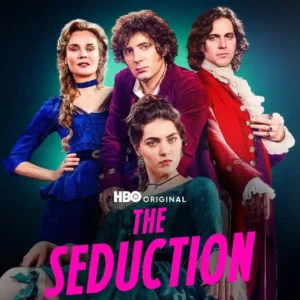
Choose The Seduction for modern political framing and visual style.
No clear scored advantage over the other product.
Scores are out of 5. Missing scores mean missing review evidence, not a missing feature.
The supernatural-tinged world-building is intriguing but undercooked. Reviewers repeatedly say the strange cabin and mystical hints needed stronger commitment or cleaner removal.
The show’s world is praised for feeling elegant yet suffocating, a strong tonal fit for a story built around control, status, and seduction.
The visual style is moody and scenic, sometimes impressively so, but not always viewer-friendly. Critics praise the grey Scottish atmosphere while also complaining about murky, hard-to-see imagery.
The visual presentation is among the show’s strongest and most consistent qualities: lush, cinematic, opulent, and carefully lit. Even the costume skeptic concedes the camera often minimizes the most distracting styling choices.
As a drama, Summerwater lands as punishing rather than compelling for several critics. Its grim mood is clear, but the series is often described as an ordeal instead of a gripping watch.
The web of vendettas and shifting alliances produces rich, intimate drama, especially during the stronger buildup.
The same-day, multi-perspective structure has promise but often frustrates reviewers. Shifts in viewpoint and layered flashbacks leave some character stories feeling unresolved rather than deepened.
One highly positive assessment praises how secondary-character threads tighten episode by episode, giving the season a deliberate web-like structure.
Originality is uneven. One critic appreciates the attempt to avoid a standard buried-secrets crime mystery, while another finds later material full of familiar clichés.
The origin-story angle and female-centered remix are widely praised as fresh, clever, and willing to depart from the usual adaptation template. Even mixed reactions generally recognize that it is trying to be its own version.
The pilot struggles to win confidence early. Decider singles out a key reveal as implausibly handled and uses that as part of its skip recommendation.
The opening episode creates strong interest and clearly establishes Isabelle’s dilemma, though some motivations remain vague. Later pacing problems make the first episode look stronger in retrospect.
The screenplay struggles to put private anguish on screen. Critics describe the script and dialogue-light passages as slow, unclear, or unable to express the characters’ inner torment.
The screenplay draws opposite reactions: one take praises an airtight, fast-moving narrative, while another argues that a movie-sized script has been stretched across six episodes.
The show’s political framing is seen as underdeveloped. Critics note Brexit-era xenophobia and scapegoating, but say the adaptation either drops or only skirts those ideas.
The female-centered reframing of sex, power, and social freedom is one of the show’s defining ideas. Many find the approach fresh and incisive, though some think the empowerment message becomes blunt or undermined by the characters’ lack of agency.
The story is widely seen as bleak but underpowered, with several critics saying its misery, messy construction, or weak forward motion makes it hard to stay invested. A few individual strands sound intriguing, but the season-wide narrative rarely earns the patience it asks for.
The story earns genuine praise for its fresh origin angle, thematic ambition, and strong ending, but the middle often loses momentum. Repetition, thin supporting characters, and uneven substance keep the overall story response mixed.
Plot clarity is a recurring problem. Reviewers point to confusing logic, unclear motivations, and loose connections that make it difficult to understand why events unfold the way they do.
The knot of seductions and schemes is handled well in some accounts, especially as the finale gathers the threads. Other reactions find motivations hazy and the midseason narrative haphazard.
Character development is mixed. A few performances and perspectives add layers, but many reviewers say the backstories are too thin or the characters too hard to care about.
Isabelle’s transformation is often praised as believable, magnetic, and morally complex, but the supporting cast draws much weaker reactions. Several critics say other characters lack dimension or that some developments arrive too abruptly.
The finale response is split. One critic says the final party builds tension successfully, while recap coverage worries the fire and larger mystery may not add up to a satisfying conclusion.
The ending is generally one of the better-received parts of the season. It brings major threads together, lands its emotional reversals, and feels satisfying enough even when it softens or rewrites the source material.
The scenery gives the series some visual appeal. Recap and FT coverage both point to the lochs, mountains, or nice scenery as one of the more successful surface pleasures.
The photography is a major strength, with repeated praise for cinematic framing, exquisite lighting, and lush period imagery. Even negative assessments of the story tend to admire how the series looks.
The season’s pacing is one of its biggest liabilities. Critics repeatedly call it slow or glacial, with the six episodes requiring more patience than the payoff seems to justify.
Pacing is the most repeated structural concern. Several accounts say the middle becomes circular, repetitive, or draggy, although a more enthusiastic take finds the narrative fast and airtight.
Genre satisfaction is low because the show seems pulled between crime thriller, domestic drama, psychological chamber piece, and supernatural folk horror. Critics often find that mixture confused rather than rich.
Erotic-period-drama fans have plenty to enjoy in the intrigue, kink, and visual polish. Those wanting a sharper thriller, a soapier romance, or deeper narrative substance may be less satisfied.
Bingeability looks weak. Reel Mockery says the series still has a lot to prove before it feels worth a six-episode binge.
Binge appeal is sharply split. One take calls it compulsively watchable and another praises its pull, while a much harsher assessment says the six-episode run tests patience.
The handling of Eastern European discrimination receives one of the stronger thematic compliments, especially from Digital Spy. The Standard is less convinced, saying the immigration ideas are buried under the flashback-heavy structure.
The French-language presentation is mostly treated as a strength that enriches the setting and story. Subtitle-averse viewers may find it less accessible, but the native-language choice is otherwise warmly received.
Emotional impact varies sharply by scene. Some performances and storylines are sympathetic, but other reviewers feel the show’s atmosphere and heavy misery crowd out genuine feeling.
Emotional response varies widely. The strongest takes find the late-season stakes and ending resonant, while others struggle to connect with characters or feel much pull from their schemes.
The direction is one of the more positive craft notes. The Standard praises the directors for drawing tension from the cramped interiors and grey Highland landscape.
Direction earns strong praise for keeping complicated deceptions coherent and for making the intimate material visually purposeful rather than merely explicit.
Individual episodes are often described as slow, repetitive, or unable to keep momentum. Even recap coverage that found points of interest still said the pacing dragged.
Individual episodes can feel uneven: some payoff scenes are rushed while at least one action sequence lingers too long. A more positive take says the episodes still avoid feeling pointless.
The adaptation is often judged less successful than the source novel. Critics say Moss’s interior monologues and page-bound claustrophobia do not translate smoothly to television.
This is deliberately a loose, modernized reimagining rather than a strict adaptation. That freedom is part of its appeal for some viewers, but source purists may object to the substantial changes in character histories, tone, and ending.
The themes are there—discrimination, repression, private trauma, and inner worlds—but they do not always surface cleanly. Some critics praise the ambition while others say those ideas get buried.
Sex, power, manipulation, gender, and the cost of freedom give the series substantial thematic ambition. Many find those ideas compelling, though some think the show states them too bluntly or fails to give them enough narrative substance.
The season finale gets one of the clearer compliments in the review set, with the final episode credited for building tension toward a dramatic ending.
The final episode is strongly received for resolving long-running questions, bringing narrative threads together, and landing its major reversal without feeling cheap.
Realism earns a small but specific compliment through Daniel Rigby’s Steve, who is singled out as feeling like a real person rather than a stock TV-drama creation.
The ending is less harshly realistic than the source material, but it stops short of becoming a pure wish-fulfillment fantasy.
There is some suspense in the fire setup, landscape, and individual stories. The concern is that the intrigue does not always turn into narrative urgency or a rewarding payoff.
The series can create palpable stakes and psychological tension, but not consistently. Some viewers are pulled into its slow trap, while others wait in vain for the thriller to reach edge-of-the-seat intensity.
The soundtrack draws a clear complaint in one review, which says it aims for ethereal unease but lands as tuneless and annoying.
The late use of “Hallelujah” divides opinion: it can feel familiar and overplayed, yet other reactions find the modern melancholy surprisingly fitting and effective in the finale.
Lead performances fare better than the writing. Valene Kane and Dougray Scott are described as capable or watchable, though reviewers also note one-note work and material that limits the actors.
The leads are a major selling point, with Vartolomei, Kruger, Bravo, and Lacoste repeatedly singled out. Kruger and Vartolomei draw especially consistent praise.
Acting is one of the most divided but generally stronger areas. The Guardian calls it melodramatic, while several other reviews praise the ensemble or say the performances remain strong despite the weak story.
Performances are one of the clearest strengths, with the ensemble repeatedly described as engaging, captivating, and unusually strong. Even harsher takes on the story generally separate the acting from the writing problems.
Shirley Henderson stands out in the supporting cast. Her role opposite Dougray Scott is one of the more warmly received parts of the present-day relationship drama.
Supporting performances are generally well regarded even when the characters are underwritten. Abita, Kircher, and others are credited with doing more than the material sometimes gives them.
Audience appeal seems narrow. The Telegraph expects many viewers to give up after the first episode, which matches the broader complaints about pace and misery.
The series has clear appeal for viewers who enjoy erotic period intrigue, and its streaming popularity suggests a sizable audience. Its selfish characters, slower stretches, and less soap-romantic approach may narrow the fit for others.
Critic appeal is mostly poor despite respect for the cast and setting. Reviews lean toward skip-it verdicts, low ratings, or descriptions of a thriller that fails to land.
Critical enthusiasm is mixed rather than overwhelming. The strongest praise centers on craft and performances, while story substance, pacing, and faithfulness keep the overall reception more divided.
Entertainment value is the weakest consensus area. Multiple critics suggest skipping, switching away, checking your phone, or giving up before the show reaches its ending.
Entertainment value depends heavily on tolerance for slow, repetitive stretches. Some call it a compulsive or genuinely fun watch, while others describe boredom and patience-testing padding.
The ending lets consequences land through loss, regret, and damaged relationships rather than simple punishment. That softer reckoning still fits the adaptation’s moral outlook.
The sword-fight material is a weak spot; one prominent duel is called overlong and unnecessary to the plot.
Chemistry is a standout, especially around Isabelle, Rosemonde, and Valmont. The central pairings are described as dynamite, intoxicating, and compelling enough to elevate the material.
At least one critical take finds Isabelle’s later changes too abrupt, describing them as heel-turns rather than properly developed arcs.
The dialogue is praised as beautiful and poetic, with an intentionally formal musicality that helps evoke the period world.
The editing is a notable weakness in the harshest assessment, which argues that too many unnecessary scenes remain and should have been cut.
The story is criticized for giving Isabelle far more emotional weight than the people around her. Some supporting figures can feel interchangeable, underwritten, or like they are merely filling space.
The prequel links recognizable Dangerous Liaisons characters to a distinct origin story without simply repeating the familiar plot. Its best reactions praise that balance of connection and independence.
The show is not treated as a source of comic relief. One critic’s comparison frames it as a Withnail and I-like ordeal stripped of humor.
The French setting, aristocratic behavior, and overall period detail are usually praised as convincing and immersive. The largest exception is costume accuracy, where one specialist critique finds the styling heavily modernized and historically messy.
The final twist is praised for feeling earned rather than cheap or melodramatic, reinforcing the season’s ideas about control and manipulation.
The score is described as part of the show’s threatening atmosphere, but not in flattering terms. The Guardian calls it a shimmering whine, matching the broader irritation with the mood-making.
Six episodes still feel too long to several critics. Repeated complaints suggest the material might have been tighter as four episodes or even a feature-length story.
As the miniseries conclusion, the finale works well as a deliberate rewrite of the familiar Dangerous Liaisons outcome while still preserving recognizable emotional and narrative beats.
The series is very explicit, but the strongest reactions say the sex is purposeful, strategic, and rarely gratuitous. For its target erotic-period-drama audience, the level of sensuality is generally considered a feature rather than a flaw.
The elegant, suffocating tone is praised for matching a story about intimacy, control, and hidden motives.
Gercourt is a memorable villain figure, with Lucas Bravo praised for making him charming, malevolent, and vividly dark rather than one-note.
The central figures are intentionally difficult company: selfish, manipulative, and often cruel. That moral ugliness suits the premise but can make emotional investment harder.
Most reactions praise the lush, opulent costuming as part of the show’s visual appeal. One costume-focused critique strongly objects to the historical shortcuts and mishmash of styles.
Production design is one of the most consistent strengths, from detailed rooms and salons to the broader sense of aristocratic wealth and decadence. The series often looks more assured than its narrative feels.
Sound is singled out alongside the visuals as unusually rich, helping the decadent aristocratic setting feel polished and immersive.

Best for sharp adult humor, magnetic chemistry and a deeply satisfying farewell. Skip it if familiar will-they-won’t-they plotting or deliberately messy leads are dealbreakers.
Pros: humor, writing quality

Choose Widow’s Bay for its dark laughs, richly haunted island and memorable ensemble. Skip it if you need straightforward scares, rapid answers to every mystery or a completely resolved finale.
Pros: humor, genre satisfaction
Cons: ending satisfaction, season pacing

Choose Season 15 for warm, character-driven comedy, meaningful growth, and a finale that rewards longtime fans. Skip it if the short binge format, uneven replacement voices, or occasional clumsy commentary...
Pros: franchise connection, character development

Best for sharply acted, compassionate, high-pressure hospital drama. Skip it if graphic procedures unsettle you or you need a neatly resolved season finale.
Pros: character development, acting performance
Cons: character consistency, dialogue quality