Compare Rafa, Season 1 vs It’s Not Like That, Chapter 1

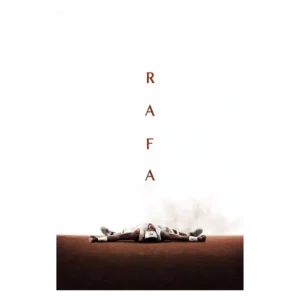
Rafa, Season 1

Rafa, Season 1

Overall score 4.0 / 5

Based on 14 scored reviews

vs
It's Not Like That, Chapter 1

It’s Not Like That, Chapter 1

Overall score 4.5 / 5

Based on 110 scored reviews

How we score

Scorata scores summarize analyzed review evidence on a 1–5 scale; they are not laboratory measurements or a simple average of customer star ratings. Feature scores summarize the reviews covering that feature. The overall score averages feature scores within each review, then combines review averages. When both expert and customer evidence are available, those two groups receive equal weight. Products can have different review coverage, so small score gaps do not establish a winner.

Recommendations prioritize important features for the category, with a score of at least 3.5, a gap of at least 0.25 points and at least two supporting reviews per product. Features with widely varying scores or broad connectivity contexts are excluded from recommendations. These safeguards do not establish statistical significance.

Quick verdict

What each product is best for

The review evidence points to a tradeoff: character consistency and ending satisfaction versus main cast performance and visual style. Choose according to which strengths matter more to you; the overall score alone does not settle that choice.

Choose Rafa, Season 1 for character consistency and ending satisfaction.

Choose It’s Not Like That, Chapter 1 for main cast performance and visual style.

Why these recommendations?

Rafa, Season 1

Where It Has the Edge

  • character consistency is 4.0 vs 1.5. The documentary draws a clear line between young Nadal and older Nadal through repeated habits, rituals, and competitive...
  • ending satisfaction is 4.3 vs 1.8. The closing stretch lands best when it lets viewers sit with the private retirement decision and Rafa’s family...

It’s Not Like That, Chapter 1

Where It Has the Edge

  • main cast performance is 4.8 vs 3.8. Scott Foley and Erinn Hayes earn especially strong praise for vulnerability, warmth, and emotional clarity. One critic tired...
  • visual style is 4.8 vs 3.8. Clean imagery and thoughtful framing support the emotional tone, including a restrained apparition device that keeps Jenny's absence...
  • episode pacing is 3.5 vs 2.8. The premiere moves confidently for some viewers, but others felt it races through exposition and romance before the...
Rafa, Season 1 4.0 overall score
It’s Not Like That, Chapter 1 4.5 overall score

Compare features

Scores are out of 5. Missing scores mean missing review evidence, not a missing feature.

Scored on both products

Other features

Writing quality
Rafa, Season 1
2.0

One critic found the storytelling too plain, arguing that the series leaves little subtext beneath its champion-and-sacrifice thesis. That makes the documentary clear, but not especially layered in its writing.

It’s Not Like That, Chapter 1
4.6

The script is praised as carefully thought out, with layered characters and emotional moments that serve more than the central romance.

Character consistency
Rafa, Season 1
4.0

The documentary draws a clear line between young Nadal and older Nadal through repeated habits, rituals, and competitive instincts. That consistency helps the later decline feel connected to the same mentality that made him great.

It’s Not Like That, Chapter 1
1.5

Malcolm's choices are the main sticking point: critical viewers felt his behavior did not match the responsibilities of a pastor or attentive father.

Continuity
Rafa, Season 1
4.0

The contemporary and archival strands are described as blending smoothly. That continuity helps the series move between young Rafa and retiring Rafa without feeling disjointed.

It’s Not Like That, Chapter 1
1.5

A major drunk-driving crash is criticized for vanishing without a police report or consequences, creating a conspicuous break in narrative follow-through.

Ending satisfaction
Rafa, Season 1
4.3

The closing stretch lands best when it lets viewers sit with the private retirement decision and Rafa’s family life. The final emphasis on refuge, health, and a life beyond tennis gives the farewell a tender payoff.

It’s Not Like That, Chapter 1
1.8

The finale is the clearest source of frustration, particularly Lori's romantic choice and the last-minute reversal of the hoped-for pairing.

Plot twists
Rafa, Season 1
3.3

Rafa is not a twist-heavy documentary, and one critic explicitly notes the lack of shocking turns. The real shift comes from the production itself changing from comeback story to acceptance story once injuries interrupt the plan.

It’s Not Like That, Chapter 1
5.0

The changing relationships and twists keep the story lively and increase anticipation for another season.

Plot clarity
Rafa, Season 1
2.5

The biggest clarity issue is Nadal’s inner drive: one critic felt the documentary explains what he achieved better than why he kept pushing. For viewers wanting a clean psychological answer, the portrait can feel just out of reach.

It’s Not Like That, Chapter 1
4.0

The large ensemble is introduced clearly, while David's motives and parts of the marital history remain underexplained.

Accountability handling
Rafa, Season 1
4.2

The documentary is generally praised for not sanding away the costs of Nadal’s choices. It discusses painkillers, Toni Nadal’s methods, and the family toll without fully condemning or glorifying the decisions.

It’s Not Like That, Chapter 1
2.8

Conflict resolution is usually presented as compassionate and constructive, but the drunk-driving crash drew sharp criticism for lacking police consequences or meaningful intervention.

Humor
Rafa, Season 1
3.2

Humor is uneven. Decider and Tucson note funny, humanizing moments around young Rafa and his team teasing him, while The Guardian felt the series has almost no levity.

It’s Not Like That, Chapter 1
4.4

Light banter, awkward family moments, and Foley's easy humor keep the grief-heavy story from becoming oppressive without turning it into a broad comedy.

Originality
Rafa, Season 1
4.5

Several viewers felt Rafa finds fresh angles on a heavily documented athlete, especially by showing new sides of Nadal the man. Its originality comes less from surprise events than from reframing familiar career moments around pain, doubt, and endurance.

It’s Not Like That, Chapter 1
3.6

The series often avoids an easy romantic resolution and can surprise viewers, but familiar child arcs, predictable tropes, and one strongly negative response limit the praise.

Drama quality
Rafa, Season 1
3.5

As sports drama, Rafa has moving highs, lows, and intimate hardship, but not everyone finds it thrilling. Its drama is quieter and more observational than a rousing underdog story.

It’s Not Like That, Chapter 1
4.3

The series balances grief, romance, parenting, and faith with warmth and meaningful stakes. Its quieter, earnest style can feel too sappy or subdued for viewers wanting sharper drama.

Directing quality
Rafa, Season 1
4.3

Zach Heinzerling’s direction draws praise for access, restraint, polish, and refusing to make the project feel like an infomercial. Even mixed reviews credit the focused study of decline and cost.

It’s Not Like That, Chapter 1
5.0

Brad Silberling's direction is singled out for helping the slice-of-life material feel polished, emotionally clear, and impactful.

Episode pacing
Rafa, Season 1
2.8

Pacing is one of the clearest mixed points. Some critics admired the space given to recovery, doubt, and decline, while others found the series slow, overlong, or heavier than the material needed.

It’s Not Like That, Chapter 1
3.5

The premiere moves confidently for some viewers, but others felt it races through exposition and romance before the relationships have enough time to settle.

Episode structure
Rafa, Season 1
4.1

The structure earns praise for weaving Nadal’s final season with earlier career chapters. The back-and-forth timeline lets his teenage rise, rivalries, injuries, and retirement mirror each other without turning into a simple chronology.

It’s Not Like That, Chapter 1
3.5

The pilot wins viewers over despite a noticeable explainer-heavy setup that sometimes feels like conventional premiere groundwork.

Emotional impact
Rafa, Season 1
4.3

The emotional pull is a major strength, built from pain, retirement dread, family support, and the awe of Nadal’s sacrifice. Even more critical pieces describe moments of despair or agony that are hard to look away from.

It’s Not Like That, Chapter 1
4.9

Tearful, heartfelt moments are a defining strength, with grief and family scenes repeatedly described as moving, hopeful, and earned rather than manipulative.

Cliffhanger effectiveness
Rafa, Season 1
4.5

The standout cliffhanger note comes from the reveal of Novak Djokovic at the end of an episode. It gives Nadal’s rivalry history a sharp serialized tease.

It’s Not Like That, Chapter 1
4.0

The unresolved ending clearly points toward another season, though its payoff depends on future episodes following through.

Season finale quality
Rafa, Season 1
4.5

The final chapter is praised for shifting the focus from titles to quality of life. It brings the season’s suffering-versus-success theme to a clear emotional resolution.

It’s Not Like That, Chapter 1
5.0

The finale delivers an intense, tissue-worthy emotional experience, even though its romantic outcome divides the audience.

Suspense
Rafa, Season 1
4.0

The suspense comes from uncertainty rather than twists: is Nadal preparing for another comeback, or for goodbye? That quiet unknown gives the final-season footage its tension.

It’s Not Like That, Chapter 1
4.5

Unpredictable choices and unanswered relationship questions keep viewers wondering what will happen next, supporting continued interest without turning the show into a thriller.

Theme depth
Rafa, Season 1
4.2

Theme depth is the series’ strongest throughline: critics repeatedly focus on suffering, aging, identity, anxiety, sacrifice, and the cost of greatness. The main caveat is that a few still wanted more distance or insight into Nadal’s deepest motivation.

It’s Not Like That, Chapter 1
4.7

Grief, faith, divorce, addiction, parenting, and second chances are explored with compassion and few easy answers. Some viewers found the sheer number of issues excessive.

Season length
Rafa, Season 1
2.9

Season length is split: some call the four-part deep dive too much for casual viewers, while another says the four hours are well spent. The length works best for Nadal fans or viewers drawn to the emotional story.

It’s Not Like That, Chapter 1
2.5

The eight-episode order frustrates viewers in opposite ways: one critic thinks the middle is padded, while another believes the season is far too short.

Genre satisfaction
Rafa, Season 1
5.0

As a sports documentary, Rafa lands strongly for at least one critic because it teaches something new about a very famous athlete. It is treated as more than a celebration and as a compelling piece of sports storytelling.

It’s Not Like That, Chapter 1
4.7

It is widely seen as a welcome revival of warm multigenerational family drama, combining comfort-viewing appeal with contemporary emotional complications.

Cinematography
Rafa, Season 1
4.5

The cinematography is praised through the behind-the-scenes production account, especially the ability to capture intimate, tight-space moments. The result is described as a more engrossing cinematic experience.

It’s Not Like That, Chapter 1
4.8

The picture is described as clean, steady, and professionally filmed, with clear visuals that avoid the murky darkness common in some dramas.

Story quality
Rafa, Season 1
3.9

The season works best when it treats Nadal’s final run as a story about identity, aging, and release rather than a trophy reel. A few critics felt the retirement arc lacked a dramatic engine, but most found the personal framing compelling.

It’s Not Like That, Chapter 1
4.1

The intertwined family story is widely praised as heartfelt, relatable, and compelling, with strong balance between adults and children. Critics cite clichés, overcrowded issues, and disappointing late choices.

Pilot episode quality
Rafa, Season 1
4.5

The opening is designed around Nadal preparing to announce retirement, giving the season an immediate emotional hook. That framing quickly signals that the story is about how he reaches acceptance, not just how many titles he won.

It’s Not Like That, Chapter 1
4.6

The opening episode is repeatedly described as charming, compelling, and an excellent start, even when its exposition feels compressed.

Character development
Rafa, Season 1
4.0

Rafa gives a layered picture of Nadal as disciplined, anxious, resilient, and physically depleted. Some critics still wanted more access to his deepest motivations, but the strongest responses felt the series deepened the man behind the legend.

It’s Not Like That, Chapter 1
4.0

The adults and children receive distinct emotional struggles that make most of the ensemble easy to invest in. Detractors found some children unlikable and wanted serious problems addressed more responsibly.

Realism
Rafa, Season 1
4.4

Rafa’s realism comes from showing aging, injury, doubt, and private vulnerability without turning every scene into triumph. Several critics valued how plainly it shows the cost of elite sport.

It’s Not Like That, Chapter 1
4.3

Grief, divorce, parenting, and faith usually feel messy, relatable, and emotionally honest. Negative responses question the pastoral behavior, consequences, and volume of issues packed into the story.

Season pacing
Rafa, Season 1
2.5

The season’s emotional heaviness is part of its identity, but it can make the four-part arc feel laborious. The story often favors solemn reflection over lighter momentum.

It’s Not Like That, Chapter 1
2.5

The middle episodes are the weakest stretch for pacing, with criticism that the season becomes low-key, uneven, and less compelling week to week.

Performance

Main cast performance
Rafa, Season 1
3.8

Nadal’s on-camera presence divides critics slightly: one finds him guarded and bland, while another finds his humility and self-deprecation charismatic. The guardedness itself becomes part of the portrait.

It’s Not Like That, Chapter 1
4.8

Scott Foley and Erinn Hayes earn especially strong praise for vulnerability, warmth, and emotional clarity. One critic tired of Foley repeating the same tearful expression.

Supporting cast performance
Rafa, Season 1
3.9

Mery, Toni Nadal, and the rival players add memorable texture, with Mery often singled out as a standout emotional presence. Toni’s sections are compelling and uncomfortable, while one critic thought the Federer and Djokovic appearances stay too superficial.

It’s Not Like That, Chapter 1
4.5

The younger cast often earns standout praise for warmth, realism, and emotional range, particularly Cary Christopher and Caleb Baumann. One hostile response disliked how the children were presented.

Comfort and build

Visual style
Rafa, Season 1
3.8

The visual presentation is polished and sometimes striking, with praise for Rafa-on-court imagery and overall audiovisual craft. One critic’s caveat is that the luxurious surface can make the portrait feel too close and glossy.

It’s Not Like That, Chapter 1
4.8

Clean imagery and thoughtful framing support the emotional tone, including a restrained apparition device that keeps Jenny's absence visually present.

Controls and connectivity

Audience appeal
Rafa, Season 1
4.1

The show reaches beyond hardcore tennis fans when it leans into aging, identity, resilience, and letting go. Still, its best fit is clearly Nadal devotees, competitive players, and viewers comfortable with a solemn deep dive.

It’s Not Like That, Chapter 1
4.7

Its warm, accessible style reaches beyond a strictly faith-based audience and resonates especially with families and viewers who have experienced grief or divorce.

Critic appeal
Rafa, Season 1
4.7

Critical enthusiasm is strongest from outlets that call it revealing, top-tier, or unusually fresh. Its appeal comes from finding new dimensions in a subject many fans thought they already knew.

It’s Not Like That, Chapter 1
5.0

Strong critical notices reinforce the show's appeal beyond its enthusiastic customer audience.

Ownership and support

Entertainment value
Rafa, Season 1
4.3

Entertainment value is strong for viewers who want an emotional character study, with several critics calling it compelling or worth watching. It is less ideal for anyone expecting constant match action or a breezy sports montage.

It’s Not Like That, Chapter 1
4.4

The broad response is highly positive, with many calling it refreshing, comforting, and easy to enjoy. The harshest critics found it unrealistic, overstuffed, or not worth finishing.

Evidence available for one product

Performance

Acting performance
Rafa, Season 1No score yet
It’s Not Like That, Chapter 1
4.5

The cast is one of the clearest strengths, with customers repeatedly praising believable performances. A small minority found the acting poor or disliked specific casting choices.

Soundtrack quality
Rafa, Season 1
5.0

The soundtrack gets a direct compliment for its musical selection. Music is one of the craft details that helps the documentary feel carefully finished.

It’s Not Like That, Chapter 1No score yet

Controls and connectivity

Age appropriateness
Rafa, Season 1No score yet
It’s Not Like That, Chapter 1
3.0

The restrained presentation suits many families with teens, but grief, self-harm, addiction, divorce, and other mature themes make it a questionable choice for younger children.

Other features

Bingeability
Rafa, Season 1No score yet
It’s Not Like That, Chapter 1
4.7

Several viewers finished the season in two days or said they could not stop watching. Even a more critical response still watched the full run in hopes of a stronger payoff.

Cast chemistry
Rafa, Season 1No score yet
It’s Not Like That, Chapter 1
4.8

Scott Foley and Erinn Hayes generate natural, lived-in chemistry that anchors the series, while the wider ensemble often feels like a believable interconnected family.

Cultural representation
Rafa, Season 1No score yet
It’s Not Like That, Chapter 1
4.5

Faith is usually praised as sincere, welcoming, and naturally woven into modern family life rather than preachy. A vocal minority rejects the inclusive Christian portrayal as inauthentic or overly progressive.

Dialogue quality
Rafa, Season 1No score yet
It’s Not Like That, Chapter 1
4.0

The strongest responses call the dialogue realistic and human, especially around grief and family conflict. One critic found it too close to sentimental or unnatural.

Editing quality
Rafa, Season 1
4.5

Editing is a bright spot, especially the clean transitions between archival footage and the final-year material. The series is praised for making its timelines and footage sources coexist smoothly.

It’s Not Like That, Chapter 1No score yet
Family friendliness
Rafa, Season 1No score yet
It’s Not Like That, Chapter 1
4.5

Most viewers value the wholesome tone, limited profanity, restrained sexual content, and focus on family. Mature themes and a few moral objections mean it is not universally suitable for children.

Interview and source material quality
Rafa, Season 1
4.3

Access is one of Rafa’s defining strengths, from family interviews and rival commentary to home movies, archival footage, and locker-room vulnerability. Even critics who wanted more perspective acknowledge how close the camera gets.

It’s Not Like That, Chapter 1No score yet
Language level
Rafa, Season 1No score yet
It’s Not Like That, Chapter 1
4.4

Profanity is minimal and generally viewed as refreshingly restrained, although faith-focused guides still note occasional swearing as a content caveat.

Lore depth
Rafa, Season 1
4.0

The career-history material gives fans a solid sweep of Nadal’s defining moments and rivalries. It is most effective when the historical chapters feed the final-season story rather than simply listing achievements.

It’s Not Like That, Chapter 1No score yet
Media scrutiny portrayal
Rafa, Season 1
4.0

The media-pressure material shows how Nadal’s public image was shaped by coverage of rituals, retirement rumors, and press expectations. It adds context to the gap between how he was watched and what he was privately experiencing.

It’s Not Like That, Chapter 1No score yet
Modern political framing
Rafa, Season 1No score yet
It’s Not Like That, Chapter 1
2.0

The girls' wrestling storyline may feel contemporary and inclusive to some viewers, but it was also criticized as propaganda.

Renewal interest
Rafa, Season 1No score yet
It’s Not Like That, Chapter 1
4.9

Demand for another season is exceptionally strong, with many viewers explicitly asking for Season 2 and some wanting several more seasons.

Sexual content level
Rafa, Season 1No score yet
It’s Not Like That, Chapter 1
4.0

Sex is discussed or implied without graphic depiction, and several viewers praise the restraint. More conservative responses still object to dating and intimacy outside marriage.

Violence level
Rafa, Season 1No score yet
It’s Not Like That, Chapter 1
4.5

The limited violence is generally appreciated, with only school wrestling and bullying flagged as mild concerns rather than dominant content.

Ownership and support

Educational value
Rafa, Season 1No score yet
It’s Not Like That, Chapter 1
4.8

Parents appreciated the way the show encourages conversations about difficult issues, and one older viewer found its parenting lessons personally revealing.

Value for money
Rafa, Season 1No score yet
It’s Not Like That, Chapter 1
4.4

Included Prime access makes the series feel like an excellent value and worthwhile use of time. Its initial add-on placement was harder to justify for less enthusiastic viewers.

Comfort and build

Production design
Rafa, Season 1No score yet
It’s Not Like That, Chapter 1
4.8

The overall production is described as polished and well made, reinforcing the sense that this is a higher-quality entry in faith-oriented television.

Sound design
Rafa, Season 1
4.5

The sound side is folded into praise for the documentary’s overall audiovisual craft. It is not discussed often, but the available response is clearly positive.

It’s Not Like That, Chapter 1No score yet
World-building
Rafa, Season 1No score yet
It’s Not Like That, Chapter 1
4.8

The interconnected households, church, school, and neighborhood feel fully formed quickly, making it easy to settle into the characters' shared lives.

Other Top TV Shows to Consider

#1 Colin From Accounts, Season 3
4.8

Best for sharp adult humor, magnetic chemistry and a deeply satisfying farewell. Skip it if familiar will-they-won’t-they plotting or deliberately messy leads are dealbreakers.

Pros: humor, writing quality

#2 Widow’s Bay
4.8

Choose Widow’s Bay for its dark laughs, richly haunted island and memorable ensemble. Skip it if you need straightforward scares, rapid answers to every mystery or a completely resolved finale.

Pros: humor, genre satisfaction

Cons: ending satisfaction, season pacing

#3 King of the Hill, Season 15
4.7

Choose Season 15 for warm, character-driven comedy, meaningful growth, and a finale that rewards longtime fans. Skip it if the short binge format, uneven replacement voices, or occasional clumsy commentary...

Pros: franchise connection, character development

#4 The Pitt, Season 2
4.7

Best for sharply acted, compassionate, high-pressure hospital drama. Skip it if graphic procedures unsettle you or you need a neatly resolved season finale.

Pros: character development, acting performance

Cons: character consistency, dialogue quality