
Calabasas Confidential, Season 1
Where It Has the Edge
No clear scored advantage over the other product.

Scorata scores summarize analyzed review evidence on a 1–5 scale; they are not laboratory measurements or a simple average of customer star ratings. Feature scores summarize the reviews covering that feature. The overall score averages feature scores within each review, then combines review averages. When both expert and customer evidence are available, those two groups receive equal weight. Products can have different review coverage, so small score gaps do not establish a winner.
Recommendations prioritize important features for the category, with a score of at least 3.5, a gap of at least 0.25 points and at least two supporting reviews per product. Features with widely varying scores or broad connectivity contexts are excluded from recommendations. These safeguards do not establish statistical significance.
Quick verdict
The available evidence supports the recommendation below, but does not establish an overall winner. Check the remaining features against your priorities.
There is not enough comparable review evidence to recommend Calabasas Confidential, Season 1 over the other product.
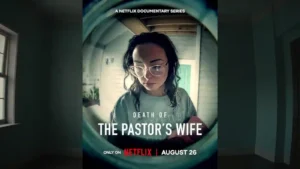
Choose Death of the Pastor’s Wife for story quality and emotional impact.
No clear scored advantage over the other product.
Scores are out of 5. Missing scores mean missing review evidence, not a missing feature.
The Brandi Glanville cameo becomes a liability because the boundary-crossing moment is framed as cringe spectacle rather than handled with much sensitivity.
Reviewers consistently praise the series for showing how church leadership, community loyalty, and legal gaps can protect powerful people while victims remain unsafe.
Viewer complaints point to messy editing that makes the narrative harder to follow, especially when the show is already juggling a large cast.
Editing receives strong marks for effective archival integration, purposeful repetition, and turning a large amount of material into a clear linear story.
Authenticity is a constant issue. A few scenes feel exposed and natural, but most reactions describe the relationships, conflicts, or production as forced, staged, or out of touch.
One reviewer specifically praises the series as an accurate glimpse into coercive control and domestic violence that can otherwise remain hidden.
The core premise draws repeated criticism for feeling thin, derivative, and hard to care about. Even the warmer take says the show is watchable but not as sharp as its title promises.
The storytelling is repeatedly called engrossing, compelling, riveting, and engaging. Criticism centers more on missing context than on the core narrative itself.
The party, private-chat, and confrontation loop can keep things moving, but several reactions feel the ensemble lacks a center and the episode formula recycles itself.
The material is praised for being organized into a clear linear story despite the case's large amount of detail.
Jemma’s hurt over Dylan gives the season its clearest emotional pulse. Outside that thread, the conflicts often feel too hollow or low-stakes to land.
The emotional response is exceptionally strong: reviewers call the series shocking, haunting, heartbreaking, infuriating, nauseating, and difficult to shake.
Jemma and a few cast members get some trajectory, but the broader ensemble often feels underdeveloped, interchangeable, or short on charisma.
The series is praised for keeping Mica at the center through her voice, journals, footage, and loved ones’ accounts, helping her register as a full person rather than only a true-crime victim.
The series occasionally captures how performative social media life can be, but the social-media material is often shallow, visually dull, or lacking the authenticity viewers want.
One reviewer strongly praises the decision to keep conspiracy-driven true-crime speculation brief instead of letting it dominate the story.
Season pacing is sharply split. One warmer take says the episodes rarely drag, while several others feel the season repeats the same fights until it becomes monotonous.
The pacing is mostly praised as lean and not annoyingly bloated, with the depth generally seen as enough to justify three episodes.
The show is bingeable only in a specific way: easy, glossy, and snackable for some, but boring or hard to sit through for others.
The three-part format is repeatedly described as easy to keep watching, with reviewers saying viewers may move quickly from one episode to the next.
The series brushes against privilege, social media image, and growing up in a curated world, but most reactions think it rarely turns those ideas into deeper insight.
The strongest thematic praise centers on coercive control, faith, abuse, power, and institutional complicity. One reviewer wanted the religious dimension explored more fully.
Nearly hourlong episodes feel overextended when the same conflicts repeat. One critic felt the material could not support the runtime.
One reviewer thought some material within the episodes could be shaved off, suggesting the installments could be tightened slightly.
The confessional interviews are singled out as purposeless, with the cast not feeling famous or interesting enough to justify that format.
Interviews, journals, footage, and family testimony are major strengths, but this is also the biggest recurring criticism: some reviewers wanted missing participants, more context, or material Netflix left out.
The look is sharply divided. Decider praises the glitzy polish, while viewer complaints call out a jarring fishbowl-lens effect that feels cheap.
One reviewer praised the lighting and generally attractive photography while noting some awkward interview camera angles.
The show struggles to make old grudges and loyalties easy to follow or invest in. Some reactions describe the premise as lost, midstream, or confusingly assembled.
Several reviewers praise the chronological, linear presentation and overall context, while others flag abrupt transitions, unresolved questions, and important information they felt was missing.
Eight episodes prove too much for the harshest reactions, with multiple notes saying the season feels repetitive and stretched.
Views are mixed on the three-episode length: some argue the story needs more room, while another reviewer wonders whether the material could have worked as a single film.
As glossy Netflix reality comfort food, it works for viewers who want low-effort social tension. It disappoints anyone expecting a sharper, more distinctive, or emotionally raw reality series.
True-crime fans are expected to find the series compelling, though the first episode’s reliance on secondhand accounts tempers that enthusiasm somewhat.
A viewer backlash piece singles out Brandi Glanville’s boundary-crossing sexual oversharing as highly inappropriate, making the show a poor fit for family viewing.
The family-content assessment is cautious because the episode deals with infidelity, suicide, and sexual activity alongside its faith-centered material.
Most reactions find little new here: high-school grudges, wealthy influencers, and reality-TV friction feel familiar rather than fresh.
One reviewer notes that seasoned true-crime viewers may find the underlying story familiar, limiting its sense of originality.
Individual episodes get mixed marks: Bingebaaz finds them quick-moving, while K-waves says the hourlong installments drag when thin material is stretched.
One reviewer felt some material within the episodes could be trimmed, even though the overall series remained highly engaging.
The premiere works best when Jemma becomes the story driver. A harsher take says the repetitive nature is obvious almost immediately.
The opening episode sets up an intriguing true-crime story, but its heavy reliance on secondhand accounts can leave the picture feeling incomplete.
Entertainment value is sharply mixed but leans negative. Decider and Bingebaaz find a watchable guilty pleasure, while most others say the show is boring, hollow, or not worth the time.
Despite the harrowing subject, reviewers repeatedly call the series riveting, engrossing, compelling, engaging, and hard to stop watching.
The audience fit is narrow: fans of glossy rich-kid reality may enjoy it, but older or less forgiving reality viewers describe it as boring, confusing, or hard to connect with.
Recommendations are overwhelmingly positive, with multiple critics calling it gripping, must-watch viewing. One reviewer was more moderate at three out of five, especially for viewers already familiar with the case.
Critical response is mostly negative, with only Decider and Bingebaaz landing clearly warm. The dominant reaction is that the show is derivative, hollow, or too repetitive.
Reported reception is mixed in one source, with some viewers or commentators applauding the presentation while others were strongly put off by it.
The show consistently looks glossy, polished, and Instagram-ready. That surface appeal is also part of the problem for critics who find the style cheap, overproduced, or hollow.
One reviewer praises the polished high-resolution imagery, attractive presentation, and small visual details in the stylized shots.
Mansions, California scenery, drinks, and polished settings give the show aspirational shine. Technical complaints about a low-budget feel pull the presentation back down.
The documentary is described as well put together overall, with polished presentation offset by a few odd camera choices.
The Brandi Glanville scene is described as mortifying and inappropriate, signaling that the show can veer into adult, uncomfortable reality-TV territory.
The show wants a reunited friend-circle spark, but several reactions find the bonds forced. Bingebaaz is more forgiving, saying chemistry appears in some confrontations.
The wealthy Calabasas influencer world is portrayed as alienating and out of touch rather than relatable, especially when privilege is framed as hardship.
Dialogue and speech patterns draw criticism for sounding cheap, annoying, or superficial, making confrontations feel smaller rather than sharper.
Julia Willoughby Nason and Mike Gasparro are praised for disciplined, careful direction that builds tension while resisting sensationalism.
Drama is the show’s main selling point and its biggest divide: some find enough betrayals and shifting alliances for a guilty-pleasure binge, while others call it staged, juvenile, and repetitive.
Most reviewers praise the respectful, victim-centered handling and care around unresolved facts. A smaller number question contextual omissions or the ethics of packaging real suffering as true-crime entertainment.
The high-school backstory is treated as important, yet the audience arrives after the key grudges happened, making old loyalties harder to care about.
The cast’s made-up, photo-ready appearance supports the glossy reality aesthetic, though it also contributes to the sense that scenes are overly curated.
One reviewer was repeatedly surprised as new developments entered the story, giving the documentary's revelations strong impact.
Future potential is uncertain. Some see room for viewers to grow attached if bonds develop, while Variety doubts this cast will rise into a bigger reality-TV phenomenon.
Sexual content is not a major thread in most coverage, but Brandi Glanville’s graphic oversharing became a notable viewer complaint.
Reviewers repeatedly describe the series as gripping, riveting, nail-biting, and immediately hooking, even though its real-life subject makes that tension uncomfortable.
Narrative construction is shaky. K-waves faults the cheap dialogue and superficial relationship dynamics, while Bingebaaz finds the show only moderately sharp.
Clothes and styling add to the rich-kid glamour, giving the show a polished influencer look even when the substance is criticized.
The Calabasas setting gets a useful early frame through Jemma’s description of the city, giving some background for why the cast behaves the way it does.
A broad group of reviewers see the series as useful for recognizing coercive control, grooming, spiritual abuse, warning signs, and institutional failures that can leave victims unprotected.
Jemma is the closest thing to a breakout, with some praise for her camera-ready presence and believable hurt. The wider cast is uneven, with several personalities blending together.
Side players are a weak spot for Variety, which says many fail to stand out. K-waves is slightly kinder to Preston and Hercy because they are not always pushed into melodrama.

Best for sharp adult humor, magnetic chemistry and a deeply satisfying farewell. Skip it if familiar will-they-won’t-they plotting or deliberately messy leads are dealbreakers.
Pros: humor, writing quality

Choose Widow’s Bay for its dark laughs, richly haunted island and memorable ensemble. Skip it if you need straightforward scares, rapid answers to every mystery or a completely resolved finale.
Pros: humor, genre satisfaction
Cons: ending satisfaction, season pacing

Choose Season 15 for warm, character-driven comedy, meaningful growth, and a finale that rewards longtime fans. Skip it if the short binge format, uneven replacement voices, or occasional clumsy commentary...
Pros: franchise connection, character development

Best for sharply acted, compassionate, high-pressure hospital drama. Skip it if graphic procedures unsettle you or you need a neatly resolved season finale.
Pros: character development, acting performance
Cons: character consistency, dialogue quality