Scorata scores summarize analyzed review evidence on a 1–5 scale; they are not laboratory measurements or a simple average of customer star ratings. Feature scores summarize the reviews covering that feature. The overall score averages feature scores within each review, then combines review averages. When both expert and customer evidence are available, those two groups receive equal weight. Products can have different review coverage, so small score gaps do not establish a winner.
Recommendations prioritize important features for the category, with a score of at least 3.5, a gap of at least 0.25 points and at least two supporting reviews per product. Features with widely varying scores or broad connectivity contexts are excluded from recommendations. These safeguards do not establish statistical significance.
Quick verdict
What each product is best for
The review evidence points to a tradeoff: realism and episode pacing versus dialogue quality. Choose according to which strengths matter more to you; the overall score alone does not settle that choice.
Choose What It Feels Like For A Girl, Season 1 for realism and episode pacing.
Choose Amadeus for dialogue quality.
Why these recommendations?
What It Feels Like For A Girl, Season 1
Where It Has the Edge
realism is 4.6 vs 2.7. The setting and social world feel grounded, especially the working-class Nottinghamshire and early-2000s details. Reviewers also valued how...
episode pacing is 4.5 vs 3.0. When the pacing works, the show feels propulsive and hard to look away from. Dream sequences and a...
critic appeal is 4.5 vs 4.0. Critic appeal is strong, with the series called urgent, necessary, compelling, and exactly the kind of TV needed...
Amadeus
Where It Has the Edge
dialogue quality is 5.0 vs 4.2. The sharpest dialogue—especially between Mozart and Salieri—is repeatedly praised as sparkling, venomous, and one of the adaptation’s best-written...
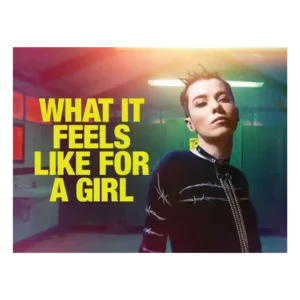
What It Feels Like For A Girl, Season 14.1 overall score
Amadeus3.3 overall score
Compare features
Scores are out of 5. Missing scores mean missing review evidence, not a missing feature.
Scored on both products
Other features
Renewal interest
What It Feels Like For A Girl, Season 1
4.5
Amadeus
1.0
Details and evidence for renewal interest
What It Feels Like For A Girl, Season 1
Renewal interest is clear among fans who wanted to keep watching. Some wished it was not over and one customer was disappointed there was no second season.
Cultural representation is one of the show’s defining strengths, especially in its working-class trans and queer perspective. The praise is broad, though a small number of viewers reject its framing.
Cultural and casting choices are highly contentious. Some reviewers accept the modernization, while others strongly reject the casting and representation as historically or culturally inauthentic.
The story is usually described as raw, beautiful, gripping, and chaotic, with one sharply negative take calling the plot pathetic. Its strongest appeal is as a bruising coming-of-age tale rather than a tidy uplift arc.
The ending is one of the more mixed pieces of the season. Some saw the redemptive final note as conventional or trite after a much harsher, less sentimental story.
The writing is praised for warmth, empathy, humor, and thematic reach. It balances class, sex work, trauma, and trans identity without sanding off the characters’ rough edges.
Writing gets sharply mixed reactions: some praise exquisite exchanges and big swings, while harsher reviews call the script banal or less substantial than earlier versions.
The setting and social world feel grounded, especially the working-class Nottinghamshire and early-2000s details. Reviewers also valued how the story stays rooted in truth and context.
Historical realism is one of the weakest areas for accuracy-minded viewers. Several sources flag major inventions and liberties even when they accept them as deliberate historical fiction.
The series earns praise for avoiding a familiar coming-of-age template and pushing into riskier, rougher territory. Its trans girlhood story is framed as anything but generic.
Opinions split sharply on the need for another Amadeus: some praise the fresh perspective and bold adaptation choices, while others see an unnecessary or infuriating reworking of already-mastered material.
When the pacing works, the show feels propulsive and hard to look away from. Dream sequences and a fast-moving club-life rhythm help keep the episodes lively.
Pacing is one of the most recurring concerns: several critics point to lag or rushed beats in the middle episodes, although others find the series fast and bingeable.
The show’s suspense registers for viewers who describe it as gripping. Its tension comes less from mystery and more from watching volatile choices and risky situations escalate.
The show’s themes run deeper than identity alone, tying trans experience to class, morality, trauma, forgiveness, and survival. It is strongest when it refuses easy answers.
The series wrestles with genius, envy, faith, creative insecurity, and power. Admirers find those ideas timeless; detractors think spectacle sometimes replaces genuine depth.
The middle stretch drew the clearest pacing complaint, with some feeling that not enough happened in several episodes. The beginning and ending landed better for those viewers.
The five-hour expansion is a major tradeoff. Some appreciate the added room for character, while several critics find the story padded, repetitive, or exhausting.
The dialogue is sharp, sarcastic, and often caustically funny, with savage put-downs adding bite. The main drawback is audibility, as at least one viewer had to rewind to decipher lines.
The sharpest dialogue—especially between Mozart and Salieri—is repeatedly praised as sparkling, venomous, and one of the adaptation’s best-written elements.
The emotional range is broad: moving, heartbreaking, disturbing, tragic, funny, and sometimes heartwarming. Several reactions point to tears, lingering impact, and a strong sense of survival against the odds.
The strongest emotional moments—family tragedy, resentment, and the second episode’s later scenes—land deeply for admirers, though other critics feel the series remains emotionally shallow.
Character growth is messy and often painful, especially for Byron and Sasha. The strongest praise goes to the way the show lets people grow without making them instantly likable or cleanly redeemed.
The expanded format gives Mozart, Constanze, and Salieri more psychological space, but critics disagree on whether the supporting characters receive enough depth.
Sexual content is frequent, explicit, and divisive. Some see it as essential to the story’s rawness, while others felt a few scenes were excessive or repetitive.
The sexual content is deliberately provocative and often very explicit. Some reviewers think it meaningfully exposes character flaws, while others call it gratuitous and limiting for family viewing.
Episode structure is more uneven in the middle of the season, where some scenes were seen as repetitive or under-motivated. The show’s strongest parts appear to be its opening and closing runs.
Details and evidence for faithfulness to source material
What It Feels Like For A Girl, Season 1
The adaptation feels closely tied to lived experience, with specific performances that one critic described as documentary-adjacent. That gives the show a truth-based texture rather than a generic issue-drama feel.
As an adaptation, the series gets sharply divided marks: supporters value its new routes and fuller characterization, while detractors believe it diminishes or fails to equal earlier versions.
The political framing is timely and unavoidable, especially around trans rights in Britain. Most reactions see that urgency as a strength, though one customer dismisses the show as ideological.
The series deliberately uses contemporary attitudes and framing. Some reviewers see that as timely and effective, while others condemn the perceived modern ideological overlay.
Acting quality is consistently strong across the ensemble. Howard gets the loudest praise, but the wider cast is also described as top-notch, specific, and full of energy.
Bingeability is strong for viewers who connect with the tone. The show is called addictive, snappy, and tempting to continue straight through on iPlayer.
At its fastest, the series has enough narrative thrust and energy to encourage a one- or two-day binge despite complaints about slower middle episodes.
The score gets a smaller but positive mention for using opera to sharpen a dramatic scene. Music choices generally deepen the show’s heightened emotional atmosphere.
The chemistry is especially strong around Byron’s relationships and the Fallen Divas. Viewers singled out Calam Lynch’s pairing with Howard and the group dynamic as electric.
The central Mozart–Salieri pairing is one of the series’ clearest strengths, with multiple critics praising the tension and chemistry even when they disagree about the adaptation overall.
Humor is a major part of the show’s appeal, even when the material is grim. Camp moments, bawdy jokes, and cutting one-liners keep the series from becoming purely bleak.
The soundtrack is a standout nostalgia engine, with references to UK garage, 2000s dance music, and Blackberry-era pop texture. It helps make the club scenes feel infectious and specific.
The music divides critics more than expected. Some say it comes alive thrillingly, while others argue Mozart’s work is pushed into the background when it should dominate the series.
Ellis Howard is the clearest consensus standout. The performance is repeatedly called brilliant, magnetic, fearless, stunning, and worth watching on its own.
The visual style is bold and memorable, from shifting color palettes to dreamlike flourishes. Even short viewer reactions singled out the visuals as a selling point.
Visual presentation is a major strength across many reviews, with lavish frames, colorful period atmosphere, and sumptuous styling; a few critics object to washed-out grading or trailer lighting.
Costuming adds fun and personality, especially around the Fallen Divas and noughties culture. One critic, however, felt the Y2K styling looked a little too polished and rose-tinted.
Costumes are widely admired as lavish and beautiful, although one pre-release critic strongly disliked the fit and styling shown in promotional material.
Production design strongly sells the Y2K Nottingham world. The clubs, flats, period details, and nostalgic backdrop are often described as vivid, accurate, and polished.
Entertainment value is high for most positive viewers, who call it brilliant, addictive, gripping, and worth watching. The appeal depends on being open to a messy, explicit, emotionally intense ride.
Overall entertainment value ranges from enthusiastic praise to outright rejection. Several critics find the series lively and compelling, while the harshest detractors say they actively despise the remake.
Critic appeal is strong, with the series called urgent, necessary, compelling, and exactly the kind of TV needed now. Its best reviews respond to both the craft and cultural timing.
Critical reception is broadly favorable but clearly mixed, with strong praise for performances and craft countered by concerns about pacing, depth, and comparison with the 1984 film.
The show handles accountability by making Byron flawed, not saintly. It presents a self-critical story where survival, harm, and responsibility can coexist.
The show’s treatment of Mozart’s self-destructive drinking and partying is seen by some as part of a meaningful discussion of addiction, pressure, and raw talent.
Byron is intentionally difficult: clever, vicious, selfish, funny, and morally questionable. That complexity is admired by many, though some viewers found the main character hard to like.
Continuity is a minor weakness, with one critic finding the timeline hard to follow. The jumps between hours, days, and weeks can blur in the season’s longer stretch.
Direction is more divisive than the performances: raw scenes and formal play are praised, while heavy visual motifs had mixed success. The show works best when style serves Byron’s inner life.
The drama hits hardest in family rejection, exploitation, and self-destruction. It is praised for staying joyful and funny while still letting the darker streak return.
The editing style can be brash, with fast cuts grouped alongside music and narration that may make some viewers cringe. It adds energy but is not the show’s smoothest element.
Episode length becomes a problem for at least one critic, who felt eight 50-minute installments dragged in places. The individual episodes may feel heavier in the middle stretch.
Details and evidence for interview and source material quality
What It Feels Like For A Girl, Season 1
The source material is treated as a major asset. Paris Lees’ memoir is described as brilliant, beautifully written, and strong enough to support a fearless adaptation.
Modern profanity and anachronistic language are divisive: some find them witty and playful, while others think the swearing is excessive or adds little.
The show is praised for pushing past headlines and statistics to humanize trans experience. It turns media-scrutinized identity debates back into a story about real people.
Period authenticity is contested. Some reviewers find the locations and atmosphere convincing, while others feel the modern-looking cast, grooming, and historical liberties break the illusion.
The first episode made a strong impression, with early viewers calling it great and fantastic. It sets up the tone quickly: dark, witty, sad, and engaging.
Clarity is one of the weaker areas: one critic found the passage of time hard to track, and one viewer rejected the premise entirely. The show asks viewers to live with ambiguity rather than explaining every step.
Screenplay praise is narrower but positive, with the forum response calling the script amazing. It reinforces the broader sense that the show’s voice is one of its strengths.
The season finale’s happy-ending impulse did not work for everyone. One critic felt the final episode healed damaged people too neatly because the script demanded it.
Season length is mixed: fans wanted more story, but some felt the same material might have been tighter as six episodes. The eight-part run gives depth at the cost of occasional drag.
The violence level is part of what makes the show uncomfortable and visceral. Predatory encounters and physical danger are presented as harrowing rather than sanitized.
Age appropriateness skews firmly mature because of sex work, violence, drugs, and disturbing scenes. Multiple reactions warn that it is not for squeamish or younger audiences.
Audience appeal is passionate but not universal. Enthusiastic viewers call it a favorite, while others warn that its hard-to-watch material and topic fatigue make it unsuitable for everyone.
Details and evidence for supporting cast performance
What It Feels Like For A Girl, Season 1
The supporting cast is a major strength, from Michael Socha’s terrifying father to Hannah Walters, Jake Dunn, and the Fallen Divas. Several responses describe the ensemble as excellent with no weak link.