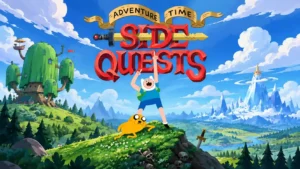
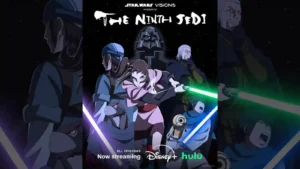
Adventure Time: Side Quests, Season 1
Where It Has the Edge
- story quality is 5.0 vs 4.5. Even small, silly adventures can carry heart and thoughtful moments, without trying to compete with the larger original...

Scorata scores summarize analyzed review evidence on a 1–5 scale; they are not laboratory measurements or a simple average of customer star ratings. Feature scores summarize the reviews covering that feature. The overall score averages feature scores within each review, then combines review averages. When both expert and customer evidence are available, those two groups receive equal weight. Products can have different review coverage, so small score gaps do not establish a winner.
Recommendations prioritize important features for the category, with a score of at least 3.5, a gap of at least 0.25 points and at least two supporting reviews per product. Features with widely varying scores or broad connectivity contexts are excluded from recommendations. These safeguards do not establish statistical significance.
Quick verdict
The review evidence points to a tradeoff: story quality versus theme depth. Choose according to which strengths matter more to you; the overall score alone does not settle that choice.
Choose Adventure Time: Side Quests, Season 1 for story quality.
Choose Star Wars: Visions Presents – The Ninth Jedi for theme depth.
Scores are out of 5. Missing scores mean missing review evidence, not a missing feature.
A handful of later stories surprise, but the Rescue Princess storyline draws criticism for taking too long to arrive at predictable beats.
Revelations about Nawaam, Zhima, lightsaber states, and Jedi history were praised for adding surprise and momentum. Reviewers described several turns as shocking, fascinating, or effective at deepening the mystery.
Its compact length makes a full-season watch feel approachable rather than demanding.
Two reviewers felt eight episodes were more than the story needed, suggesting the material could have worked as a shorter series or animated film.
One critic finds the musical cues too obvious and generic compared with the original show’s more ambient, rustic sound.
Most reviewers who discussed the score praised its emotional tone and ability to feel fresh yet authentically Star Wars. One strongly negative review called the music weak and amateurish, making this a rare area of sharp disagreement.
The crossbow tournament introduces a memorably obnoxious rival, though another critic strongly dislikes the first two episodes before the season improves.
The premiere is viewed as an effective showcase of the series’ action, visuals, scale, and central mystery. Reviewers found it immediately engaging even when some context remained unclear.
Some callbacks reward detail-minded viewers, but the early-timeline placement creates questions about who has met whom and when.
The long-form series is praised for connecting back to the original short smoothly enough to enrich that earlier story on rewatch.
Most episodes stay breezy, though bursts of genuine danger give the low-stakes comedy occasional excitement.
Tense rescues, Nawaam’s presence, and ongoing mysteries repeatedly kept reviewers engaged. The strongest suspense comes from moral uncertainty and character danger rather than only spectacle.
The adventures keep enough narrative substance to feel like Adventure Time without the intimidating mythology of its later years.
The color-changing lightsabers, silver-blade state, altered Jedi philosophy, and distant-future setting were repeatedly cited as some of the show’s most compelling ideas. Reviewers especially liked how familiar Star Wars concepts are reinterpreted rather than simply repeated.
Occasional lessons about embarrassment, shame, and insecurity are handled thoughtfully, but this is not primarily the heavy emotional epic of later Adventure Time.
Reviewers repeatedly praised the show’s questions about compassion, power, emotional detachment, moral choice, and what makes someone a Jedi. The philosophy around light, dark, and “nothingness” is a major source of depth, even if one critic found it shallow in execution.
Sasha Knight’s younger Finn voice feels natural to some and an unnecessary replacement to another. The returning cast gives the project reassuring familiarity.
The voice cast is described as talented and effective at bringing already vibrant animated characters to life.
Outlandish gags and playful quests usually work, while callbacks and reused premises sometimes keep the scripts from finding their own voice.
The screenplay is praised through the writing team’s ability to use familiar Star Wars foundations while developing fresher ideas and a more cohesive thematic direction.
Even small, silly adventures can carry heart and thoughtful moments, without trying to compete with the larger original mythology.
Most reviewers judged the overall story strongly, praising its emotional core, philosophical ideas, and ability to refresh familiar Star Wars material. A smaller group felt the familiar structure, weak villain, or uneven second half kept it from reaching its potential.
The revival fits comfortably alongside earlier adventures without demanding lore homework, but over-reliance on callbacks and scattered streaming homes are real frustrations.
The series is widely praised for feeling unmistakably like Star Wars while escaping the Skywalker-era baggage. Reviewers liked that it preserves the franchise’s mythic spirit without leaning heavily on callbacks or canon obligations.
Expressive art and fresh stories prevent a simple retread for many viewers, but others find too many callbacks and little meaningful expansion of Ooo.
Opinion is mixed but leans positive: the distant era and Force concepts feel fresh, while the empire-like conflict, masked villain, and planet-destroying superweapon can feel very familiar. Many reviewers thought the newer ideas ultimately outweighed the recycled framework.
Independent quests are praised for recapturing the original formula, though recycled romantic mishaps and callbacks can sometimes make the plots feel patterned.
Individual episode structure is praised when the series uses devices such as the time jump or slower breathing room to develop fallout, character, and stakes without losing momentum.
The tone is warm and comfortable rather than devastating, with a few surprisingly touching Ice King stories and an intact sense of heart.
The series lands emotionally through Kara’s losses, moral struggles, and the finale’s heart. Reviewers often described it as moving, poignant, or emotionally satisfying, with Juro’s death singled out as especially affecting.
There is a welcome parade of old and new faces, yet the frequency of Ice King plots and limited time for other favorites can make the mix feel lopsided.
Kara, Zhima, and Nawaam receive most of the strongest material, while Homen, Ethan, and other supporting figures are sometimes described as underused or functional. Other reviewers liked the breadth and variety of the ensemble, creating a mixed consensus.
Colorful, expressive 2D movement is a recurring highlight, with inventive experiments and handcrafted touches. Even initially wary viewers often warm to the redesign.
Animation is one of the clearest strengths: reviewers repeatedly praised fluid movement, expressive character work, striking fight animation, and polished set pieces. A few called it merely good or inconsistent in places, but the consensus remained strongly positive.
Many enjoy the energetic flow, but one close observer finds it too hurried to allow quieter moments; an uneven first pair of episodes also divides opinion.
Episode-level pacing varies: several installments are praised for urgency or well-judged slowdown, while exposition-heavy stretches and the rushed finale can sap momentum. The strongest episodes balance action and character effectively.
The biggest shared strength is thoroughly silly comedy, especially whenever Ice King is around. Some critics find the louder, recycled, or gross-out material a little less elegant.
One review specifically praised the series as charming and funny, noting that lighter moments help balance its darker emotional material.
This back-to-basics companion largely earns its return by bringing back the joy of early adventures; some find the format less bold than later spin-offs.
The move from Visions shorts to a full series is broadly viewed as successful. Reviewers called it a strong proof of concept for Visions Presents, even when they wanted tighter pacing or a stronger villain.
Elastic movements and brighter backgrounds help even small action scenes pop, blending high energy with cartoon silliness.
Lightsaber duels and space battles drew near-universal praise for clarity, weight, choreography, speed, and variety. Several reviewers considered the combat among the best Star Wars animation has delivered.
The season stumbles at the start for one viewer, then hits a long stretch of enjoyable adventures with occasional later dips.
Season pacing is the most consistent structural complaint. Multiple reviewers found the opening or middle stretch sluggish, overextended, or stretched to fill eight episodes, even though the second half is commonly viewed as much stronger.
Finn is younger and more impulsive here, but his mistakes still lead to moments of empathy, learning, and growth without turning into a sprawling arc.
Kara’s growth from uncertain apprentice to morally tested leader is widely considered a major strength, and later episodes deepen several key figures. Supporting arcs receive less time, but the central character journey is strongly praised.
The short episode length and largely self-contained plotting support an easy binge, even if the opening episodes do not win everyone over.
Reviewers explicitly described the series as highly bingeable, with cliffhangers and episode endings that encourage continuing straight into the next chapter.
Roughly eleven-minute chapters deliver quick bursts of comedy and adventure without making them feel devoid of warmth.
The roughly 30-minute episode length is praised for making the series easy to binge without turning individual chapters into a major time commitment.
Its silliness, recognizable designs, and heart evoke early Adventure Time while the visual makeover leaves the world feeling fresh.
Reviewers who compared the series with the original shorts felt it retained their distinctive style and spirit while expanding the world in meaningful ways.
Wild little missions and eccentric fantasy comedy offer exactly the light-hearted questing experience some longtime viewers missed.
The anime-fantasy blend is praised for leaning confidently into magical, mythic, and space-opera elements rather than simply copying live-action Star Wars aesthetics.
The young Finn recast receives strong praise for youthful energy, while one fan still misses the familiar original voice. Jake’s returning performance keeps its relaxed charm.
Voice acting drew mixed reactions. Some reviewers praised the dub as top-notch, while others found the English voices flat or singled out Nawaam’s monotone delivery as a major weakness.
Recognizable folk-like touches and playful credits songs spark nostalgia, although the new score and speeded-up outro divide closer listeners.
The soundtrack split the small number of reviewers who focused on it: one praised its fresh futuristic Star Wars feel, while another called the musical presentation embarrassingly weak.
The familiar returning voices remain a pleasure, and the young Finn portrayal earns praise as an energetic fit for the time reset.
The voice cast is generally praised as talented and effective, with positive comments on both Japanese and English performances. One reviewer especially liked the lead voice performance.
The revival leans on jokes and character humor that can still land after many years, encouraging casual revisits.
One analysis said the full series enriches the original short enough to make that earlier story even better on rewatch.
Most accounts describe the season as cheerful, easygoing fun, even when particular installments or its softer tone do not entirely work.
Most reviewers found the series highly engaging, especially once the later episodes build momentum, though a minority felt the overall experience became underwhelming or only background-worthy by the end.
The vivid land of Ooo still feels full of possibility, although some want more fresh locations and discoveries rather than endless older references.
The distant era, unusual cultures, new planets, altered Jedi traditions, and independent political landscape were widely praised for making the galaxy feel fresh and expansive. Some reviewers wanted the first half to push those ideas even further.
Painterly scenery and handcrafted backdrops make the familiar world feel atmospheric, bright, and lovingly detailed.
Creature, ship, droid, and environment designs are generally praised for feeling fresh and visually distinctive. A few reviewers wanted more originality or stronger creature and hero designs, but the overall response is positive.
Painterly landscapes, minimal outlines, and elastic faces distinguish the season. The change initially alarms some fans but receives considerable praise once seen in motion.
Reviewers consistently praised the vivid color, distinctive anime look, atmospheric environments, and memorable imagery. Even more critical voices generally agreed the series looks strong, with only isolated complaints about some designs or inconsistent shots.
The adventures seek a rare balance: rewarding people who grew up with Finn and Jake while making the premise easy for a first-timer to grasp.
The series is repeatedly recommended to Star Wars fans, anime fans, newcomers, and viewers seeking a clean break from the Skywalker Saga. Its accessibility and familiar mythic structure give it broad appeal despite some lore density.
Finn, Jake, and especially the ridiculous Ice King remain lovable draws, with new personalities such as Rescue Princess and Joey Waffles offering fresh comic turns.
Kara is consistently easy to root for, and several reviews describe the ensemble as enjoyable or highly watchable. Even critical reviewers who disliked the villain still liked multiple core heroes.
The child-focused stories and innocent physical comedy are broadly praised as suitable family fare, although some episodes still contain mild peril and crude gags.
Reviewers praised the show for working well as an introduction to Star Wars while still offering mature ideas, arguing that younger protagonists do not result in juvenile storytelling.
Although the original already felt complete, the smaller side stories justify the revisit by avoiding unnecessary attempts to rewrite its ending.
The CGI is judged acceptable rather than exceptional, with the droid work receiving the clearest positive mention.
The main duo and returning favorites generally sound and act like their earlier selves, although the more childlike Finn and occasional reset of relationships draw reservations.
The Ice King has plenty to do, but BMO, Peppermint Butler, Tree Trunks, and other favorites get less attention than some viewers want.
Reviewers praised memorable framing, exceptional shots, and cinematic camera work that elevate both action and environment presentation.
The first episode’s cliffhanger is singled out as excellent and effective at making viewers want to continue immediately.
Rapid-fire bizarre jokes and wholehearted commitment to ridiculous setups give the comedy a lively, punchy rhythm.
Dialogue drew mixed reactions. Some viewers may need time to adjust to anime-style dialogue, while another review felt lengthy exposition-heavy conversations sometimes weighed down the season.
The named directors are praised for embracing the strongest parts of Star Wars while steering around some of the franchise’s familiar storytelling mistakes.
The finale generally satisfies because it resolves Kara’s moral arc and the central Jedi philosophy, but several reviewers felt it moved too quickly or left threads unresolved. The ending works better thematically than structurally for some critics.
The gentler stories and mostly wholesome comedy extend the franchise to younger families, despite a few gross-out and slightly suggestive jokes.
Finn and Jake’s close, sometimes argumentative bond retains the easy warmth of brothers, with Jake still playing the reassuring older sibling.
Finn and Jake’s easy affection, clashes, and older-brother dynamic provide both comic sparks and the show’s emotional center.
The comedy often changes direction without warning, with surprising duels, awkward social games, and wildly absurd character predicaments.
A dance scene’s conspicuous added lighting distracts from otherwise inventive visuals.
One reviewer particularly liked how the anti-nihilism theme resonates with the current sociopolitical moment, giving the finale’s philosophy added contemporary weight.
Exaggerated expressions, elastic proportions, and reaction shots make slapstick especially vivid, occasionally overshadowing more restrained humor.
Most reviewers found the central conflict and new lore understandable, including praise for explaining the superweapon clearly. Some opening context and a key finale ability were less clear, preventing a completely seamless experience.
Kara’s growth in combat is praised as visible and coherent from fight to fight, with her increasing mastery feeling earned rather than arbitrary.
One review specifically praised the lightsaber battles for feeling faster and more realistic than many prior franchise entries.
One reviewer strongly criticized dropping all eight half-hour episodes at once, arguing the story’s ideas and turns would have benefited from a weekly or staggered release.
Reviewers who addressed the future were enthusiastic about seeing more from this world or the Visions Presents format, including explicit calls for another season or further expansions.
The closing episode is described as stellar and intriguing, delivering a strong finish even though the reviewer felt it needed a little more time.
The finale is praised as a strong, heartfelt close with impressive spectacle and thematic resolution, though its delivery is somewhat rushed.
The stranger, mildly suggestive, and gross-out jokes stay part of the cartoon’s personality rather than being polished away.
The move to Hulu and Disney+ creates easy access for some, but viewers following the wider franchise may resent its shows being split between services.
The cheerful intro captures the mood, even if its newly frantic animation takes some getting used to.
The youthful fantasy-comedy reset is widely welcomed, balancing bizarre laughs with intermittent emotional stakes.
Nawaam divided reviewers more than most elements: many found him imposing, philosophically interesting, and memorable, while others thought his motivation was thin, his emotional turn rushed, or the character outright dull.
Articles tracking reception describe the series as receiving exceptionally strong critical response, including rave reviews and near-unanimous early approval.
Returning favorites slide into the action, while newly introduced characters provide variety; the cameos mostly feel natural rather than forced.
The early-era comfort is a major selling point, although some fans of the franchise’s later serialized ambition may prefer richer progression.
The small adventures weave in simple lessons about consequences and correcting mistakes without becoming a lesson-of-the-week lecture.
One strongly negative reviewer said the series is not worth a Disney+ subscription, making value a clear downside from that source.
At least one character appears unusually dark, making the lighting palette feel poorly matched to the scene.
Sound design receives exceptional praise from one detailed review, which highlights impactful ship movement, blaster fire, ambient detail, and the distinct sound of silver lightsabers.

Best for sharp adult humor, magnetic chemistry and a deeply satisfying farewell. Skip it if familiar will-they-won’t-they plotting or deliberately messy leads are dealbreakers.
Pros: humor, writing quality

Choose Widow’s Bay for its dark laughs, richly haunted island and memorable ensemble. Skip it if you need straightforward scares, rapid answers to every mystery or a completely resolved finale.
Pros: humor, genre satisfaction
Cons: ending satisfaction, season pacing

Choose Season 15 for warm, character-driven comedy, meaningful growth, and a finale that rewards longtime fans. Skip it if the short binge format, uneven replacement voices, or occasional clumsy commentary...
Pros: franchise connection, character development

Best for sharply acted, compassionate, high-pressure hospital drama. Skip it if graphic procedures unsettle you or you need a neatly resolved season finale.
Pros: character development, acting performance
Cons: character consistency, dialogue quality