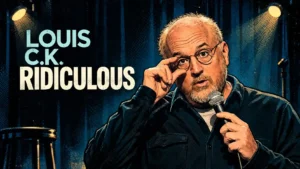
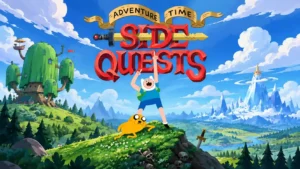
Louis C.K.: Ridiculous
Where It Has the Edge
No clear scored advantage over the other product.

Scorata scores summarize analyzed review evidence on a 1–5 scale; they are not laboratory measurements or a simple average of customer star ratings. Feature scores summarize the reviews covering that feature. The overall score averages feature scores within each review, then combines review averages. When both expert and customer evidence are available, those two groups receive equal weight. Products can have different review coverage, so small score gaps do not establish a winner.
Recommendations prioritize important features for the category, with a score of at least 3.5, a gap of at least 0.25 points and at least two supporting reviews per product. Features with widely varying scores or broad connectivity contexts are excluded from recommendations. These safeguards do not establish statistical significance.
Quick verdict
There is not enough consistent, comparable evidence for a clear recommendation. Use the feature details and supporting reviews to weigh the tradeoffs.
There is not enough comparable review evidence to recommend Louis C.K.: Ridiculous over the other product.
There is not enough comparable review evidence to recommend Adventure Time: Side Quests, Season 1 over the other product.
No clear scored advantage over the other product.
No clear scored advantage over the other product.
Scores are out of 5. Missing scores mean missing review evidence, not a missing feature.
The humor is intended for mature viewers, not children; its focus on late-life anxieties and adult taboos makes it poor family entertainment.
The gentler stories and mostly wholesome comedy extend the franchise to younger families, despite a few gross-out and slightly suggestive jokes.
Repeated airport observations and familiar observational setups draw pointed complaints of recycled or formulaic material.
The comedy often changes direction without warning, with surprising duels, awkward social games, and wildly absurd character predicaments.
The strongest material is concentrated in an extended middle segment on his father. One critic feels the special could end substantially earlier without losing much.
Independent quests are praised for recapturing the original formula, though recycled romantic mishaps and callbacks can sometimes make the plots feel patterned.
The core stand-up craft is still recognizable, but the hour is an inconsistent showcase: some call it a triumphant return, others mediocre or worse.
Wild little missions and eccentric fantasy comedy offer exactly the light-hearted questing experience some longtime viewers missed.
The blend of grief and absurdity is brilliant at its best, but elsewhere bleakness, easy obscenity and meandering setups make the hour feel uneven.
The youthful fantasy-comedy reset is widely welcomed, balancing bizarre laughs with intermittent emotional stakes.
His ability to bend ordinary premises remains visible in flashes, but criticism of familiar shock topics and derivative observational gags is common.
Expressive art and fresh stories prevent a simple retread for many viewers, but others find too many callbacks and little meaningful expansion of Ooo.
One viewer calls the full 60 minutes thoroughly entertaining, while another argues there are only about 35–40 minutes of properly shaped jokes.
Roughly eleven-minute chapters deliver quick bursts of comedy and adventure without making them feel devoid of warmth.
Personal storytelling peaks with the extended nursing-home account. Critics are much less convinced by the fabricated-feeling premises linking other jokes.
Even small, silly adventures can carry heart and thoughtful moments, without trying to compete with the larger original mythology.
Aging and the loss of independence can make the comedy unexpectedly poignant. That emotional resonance competes with criticism that the broader set is dispiriting and hollow.
The tone is warm and comfortable rather than devastating, with a few surprisingly touching Ice King stories and an intact sense of heart.
An intricate elder-care story and memorable observations show real craftsmanship, while underdeveloped setups, familiar premises and overused taboos lower the overall standard.
Outlandish gags and playful quests usually work, while callbacks and reused premises sometimes keep the scripts from finding their own voice.
Laughter ranges from ecstatic praise to flat rejection. The aging and assisted-living routines get the most reliable credit, while repetitive sexually transgressive jokes are divisive.
The biggest shared strength is thoroughly silly comedy, especially whenever Ice King is around. Some critics find the louder, recycled, or gross-out material a little less elegant.
The same offensive material can read as dazzling control or lazy provocation. The heavy recurrence of molestation, AIDS and incest jokes is the principal dividing line.
The stranger, mildly suggestive, and gross-out jokes stay part of the cartoon’s personality rather than being polished away.
Supporters hear nearly perfect comic flow, but several critics describe weak stretches, overlong jokes and a second half that struggles to hold attention.
Many enjoy the energetic flow, but one close observer finds it too hurried to allow quieter moments; an uneven first pair of episodes also divides opinion.
His facial expressions and mime can generate huge laughs, especially in the waking-up and nursing-home material. Some find most of the broader physical business unnecessary.
Exaggerated expressions, elastic proportions, and reaction shots make slapstick especially vivid, occasionally overshadowing more restrained humor.
Mortality, caregiving and age occasionally produce genuine reflection. Critics dispute whether the rest reaches beyond bleakness and recycled shock tactics.
Occasional lessons about embarrassment, shame, and insecurity are handled thoughtfully, but this is not primarily the heavy emotional epic of later Adventure Time.
The most widely admired material imagines the indignity of placing an elderly father in care, with bleak observations about filial duty and mortality that can be both funny and tender.
Finn and Jake’s close, sometimes argumentative bond retains the easy warmth of brothers, with Jake still playing the reassuring older sibling.
Supporters admire the long pauses, expressive buildup and sudden punchlines. Even detractors concede that the extended elder-care routine demonstrates careful control.
Rapid-fire bizarre jokes and wholehearted commitment to ridiculous setups give the comedy a lively, punchy rhythm.
A second attempt to engage with the entire hour leaves one critic just as distracted as the first, suggesting limited replay appeal beyond standout routines.
The revival leans on jokes and character humor that can still land after many years, encouraging casual revisits.
For enthusiastic fans the hour produces real belly laughs; for others it is an uncomfortable watch that never earns its gloomy mood.
Most accounts describe the season as cheerful, easygoing fun, even when particular installments or its softer tone do not entirely work.
For some, the jazz entrance and recognizable persona bring back his strongest era. Others feel returning to the old style only emphasizes how little new insight has emerged.
The early-era comfort is a major selling point, although some fans of the franchise’s later serialized ambition may prefer richer progression.
The Beacon Theatre crowd responds enthusiastically to risky jokes and familiar comic rhythms, but critics disagree about whether that excitement reflects sharp comedy or audience loyalty.
The adventures seek a rare balance: rewarding people who grew up with Finn and Jake while making the premise easy for a first-timer to grasp.
The jazz entrance is noted favorably for evoking the mood of his earlier comedy work.
Recognizable folk-like touches and playful credits songs spark nostalgia, although the new score and speeded-up outro divide closer listeners.
A major sticking point is the refusal to examine the misconduct behind his absence from mainstream platforms. Several writers find the silence makes even otherwise funny material hard to trust.
Elastic movements and brighter backgrounds help even small action scenes pop, blending high energy with cartoon silliness.
Although the original already felt complete, the smaller side stories justify the revisit by avoiding unnecessary attempts to rewrite its ending.
The special is strongest when discomfort about growing older becomes perceptive comedy, especially the bits on waking up, declining health and approaching death. Others find the insights thin or repetitive.
Colorful, expressive 2D movement is a recurring highlight, with inventive experiments and handcrafted touches. Even initially wary viewers often warm to the redesign.
The crowd can be exuberant, especially during taboo punchlines and old-fashioned call-and-response. Some find the participatory setup labored or overexplained.
The short episode length and largely self-contained plotting support an easy binge, even if the opening episodes do not win everyone over.
Sasha Knight’s younger Finn voice feels natural to some and an unnecessary replacement to another. The returning cast gives the project reassuring familiarity.
The main duo and returning favorites generally sound and act like their earlier selves, although the more childlike Finn and occasional reset of relationships draw reservations.
Finn is younger and more impulsive here, but his mistakes still lead to moments of empathy, learning, and growth without turning into a sprawling arc.
The Ice King has plenty to do, but BMO, Peppermint Butler, Tree Trunks, and other favorites get less attention than some viewers want.
Some callbacks reward detail-minded viewers, but the early-timeline placement creates questions about who has met whom and when.
The assisted-living visit turns family obligation into an unusually evocative mix of sadness and laughter. Even sharply negative appraisals often identify it as the finest part.
The finale involving an adult magazine divides little enthusiasm: several critics call it strained, repetitive or a disappointing final provocation.
There is a welcome parade of old and new faces, yet the frequency of Ice King plots and limited time for other favorites can make the mix feel lopsided.
The return to major streaming and the choice to avoid a direct reckoning with past misconduct repeatedly affect how the act is received. Some argue the material cannot be assessed without that context.
Its silliness, recognizable designs, and heart evoke early Adventure Time while the visual makeover leaves the world feeling fresh.
The revival fits comfortably alongside earlier adventures without demanding lore homework, but over-reliance on callbacks and scattered streaming homes are real frustrations.
Finn and Jake’s easy affection, clashes, and older-brother dynamic provide both comic sparks and the show’s emotional center.
Swearing and intentionally filthy phrasing fuel the live crowd, but critics say the sheer reliance on obscenity often replaces sharper comedy.
A dance scene’s conspicuous added lighting distracts from otherwise inventive visuals.
The adventures keep enough narrative substance to feel like Adventure Time without the intimidating mythology of its later years.
The crossbow tournament introduces a memorably obnoxious rival, though another critic strongly dislikes the first two episodes before the season improves.
A handful of later stories surprise, but the Rescue Princess storyline draws criticism for taking too long to arrive at predictable beats.
One critic finds the musical cues too obvious and generic compared with the original show’s more ambient, rustic sound.
Its compact length makes a full-season watch feel approachable rather than demanding.
The season stumbles at the start for one viewer, then hits a long stretch of enjoyable adventures with occasional later dips.
Jokes about his body, age and daily misery can feel disarmingly familiar. Other writers think the apparent vulnerability is self-serving or insufficiently honest.
Jokes about incest, child molestation and sexual behavior are a major stumbling block. Even viewers who enjoy transgressive comedy sometimes find the repetition excessive.
This back-to-basics companion largely earns its return by bringing back the joy of early adventures; some find the format less bold than later spin-offs.
Stage presence remains a significant asset: supporters praise expressive timing, command of the room and effortless-looking performance. Others see a tired version of that ability.
The move to Hulu and Disney+ creates easy access for some, but viewers following the wider franchise may resent its shows being split between services.
Most episodes stay breezy, though bursts of genuine danger give the low-stakes comedy occasional excitement.
The cheerful intro captures the mood, even if its newly frantic animation takes some getting used to.
The young Finn recast receives strong praise for youthful energy, while one fan still misses the familiar original voice. Jake’s returning performance keeps its relaxed charm.
At least one character appears unusually dark, making the lighting palette feel poorly matched to the scene.
The onstage delivery and audience management impress admirers, particularly his command of pauses, expressions and improvised-feeling setups.
The familiar returning voices remain a pleasure, and the young Finn portrayal earns praise as an energetic fit for the time reset.
The child-focused stories and innocent physical comedy are broadly praised as suitable family fare, although some episodes still contain mild peril and crude gags.
Finn, Jake, and especially the ridiculous Ice King remain lovable draws, with new personalities such as Rescue Princess and Joey Waffles offering fresh comic turns.
Reaction is distinctly divided: some writers celebrate an assured stand-up performance, while others regard the hour as unfocused and ethically evasive.
Returning favorites slide into the action, while newly introduced characters provide variety; the cameos mostly feel natural rather than forced.
The small adventures weave in simple lessons about consequences and correcting mistakes without becoming a lesson-of-the-week lecture.
Painterly scenery and handcrafted backdrops make the familiar world feel atmospheric, bright, and lovingly detailed.
Painterly landscapes, minimal outlines, and elastic faces distinguish the season. The change initially alarms some fans but receives considerable praise once seen in motion.
The vivid land of Ooo still feels full of possibility, although some want more fresh locations and discoveries rather than endless older references.

Best for sharp adult humor, magnetic chemistry and a deeply satisfying farewell. Skip it if familiar will-they-won’t-they plotting or deliberately messy leads are dealbreakers.
Pros: humor, writing quality

Choose Widow’s Bay for its dark laughs, richly haunted island and memorable ensemble. Skip it if you need straightforward scares, rapid answers to every mystery or a completely resolved finale.
Pros: humor, genre satisfaction
Cons: ending satisfaction, season pacing

Choose Season 15 for warm, character-driven comedy, meaningful growth, and a finale that rewards longtime fans. Skip it if the short binge format, uneven replacement voices, or occasional clumsy commentary...
Pros: franchise connection, character development

Best for sharply acted, compassionate, high-pressure hospital drama. Skip it if graphic procedures unsettle you or you need a neatly resolved season finale.
Pros: character development, acting performance
Cons: character consistency, dialogue quality