
Elle, Season 1
Where It Has the Edge
No clear scored advantage over the other product.

Scorata scores summarize analyzed review evidence on a 1–5 scale; they are not laboratory measurements or a simple average of customer star ratings. Feature scores summarize the reviews covering that feature. The overall score averages feature scores within each review, then combines review averages. When both expert and customer evidence are available, those two groups receive equal weight. Products can have different review coverage, so small score gaps do not establish a winner.
Recommendations prioritize important features for the category, with a score of at least 3.5, a gap of at least 0.25 points and at least two supporting reviews per product. Features with widely varying scores or broad connectivity contexts are excluded from recommendations. These safeguards do not establish statistical significance.
Quick verdict
The available evidence supports the recommendation below, but does not establish an overall winner. Check the remaining features against your priorities.
There is not enough comparable review evidence to recommend Elle, Season 1 over the other product.
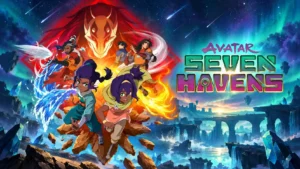
Choose Avatar: Seven Havens for episode length and originality.
No clear scored advantage over the other product.
Scores are out of 5. Missing scores mean missing review evidence, not a missing feature.
The 45-to-60-minute installments are frequently considered overlong for material several critics believe would suit half-hour episodes.
The roughly twenty-minute format delivers character moments and substantial action efficiently. Compact episodes are praised for fitting in spectacle without overwhelming the story.
Episode-ending twists can feel random and engineered to compensate for limited narrative momentum.
The twin-Avatar reveal is often praised as exciting, earned, and an effective expansion of the premise. Some critics find early clues obvious or remain unconvinced until the mystery receives an explanation.
One sharply negative response argues that non-white and alternative-culture students are unfairly cast as villains in the rich newcomer’s story.
Many welcome the South Asian influences and more representative creative and voice teams. A dissenting view finds the earlier shows’ Asian and Indigenous distinctions too muted in the new world.
The most consistent complaint is that the prequel recreates the movie’s fish-out-of-water growth story, with familiar teen-romance and school-mystery beats layered on top.
The feared Avatar, broken world, and paired protagonists are widely welcomed as bold departures. A few viewers see familiar post-apocalyptic tropes or an underused twin concept rather than a fully fresh story.
Repetitive movie callbacks, modern-sounding dialogue and familiar school tropes draw widespread criticism; strong supporting performances preserve some charm.
The script is praised for efficient setup, purposeful progression, and engaging character work. Blunt exposition and uneven early development keep some assessments qualified.
The first installment closely restages the film’s setup and can be clunky enough to put viewers off before the show develops its own rhythm.
The premiere wins over many cautious viewers through atmosphere, kindness, and a strong final reveal. More critical responses find its early pacing and visual execution rough before the series improves.
Several viewers think the students sound like present-day activists rather than teens in 1995; others question the story’s framing of a privileged newcomer as an outsider.
Climate danger, isolationism, and public paranoia make the new setting feel timely. These parallels are valued for adding relevance to an entertaining fantasy adventure.
The series carries enough familiar charm for a casual detour, but as a Legally Blonde prequel it often feels less inventive and emotionally sharp than its source.
The new installment is welcomed as a worthy expansion and a needed revival for the franchise. Its fresh premise restores interest without simply replaying earlier adventures.
Long school subplots sometimes drag, though more favorable viewers find the series picks up considerably after its weak opening.
Some viewers appreciate an atmospheric opening with time for character connection. Others feel the plot advances too slowly, holds back answers, or rushes brief conflicts and reconciliations.
The young Elle is sometimes endearingly fallible, but relearning her defining lessons before Harvard creates a serious characterization contradiction.
Supporters find Pavi’s strange habits and the twins’ childish disagreements believable for their circumstances. Critics question Jae’s rapid change of beliefs and moments when the children sound too mature.
The romances divide opinion: sweet and character-driven for some, a predictable and low-stakes triangle for others who already know Elle’s future.
Brief romantic scenes and emerging adult pairings are generally charming. Jae and Datu’s relationship is especially praised for its simple warmth despite limited screen time.
Familiar plot turns are often predictable, while the mixture of school corruption, romantic triangles and family drama sometimes feels scattered.
Several viewers find the basic situation accessible even with multiple mysteries in play. Others cannot yet see a clear main quest, antagonist, or overall direction.
Elle pursues school causes with enthusiasm and compassion, even when her well-meant intervention backfires.
One critic finds Pavi’s reluctance and passivity weaken larger situations. Nisha’s willingness to act helps compensate, but cuteness alone does not resolve the concern.
There are occasional clever lines and strong jokes from Elle’s parents, but many critics find the series more mildly amusing than genuinely funny.
Small asides, Pavi’s odd habits, and playful pairings preserve much of the franchise’s comic charm. Some jokes miss, and a few critics find quips undermine the danger or lack the original’s warmth.
Self-belief and resisting stereotypes remain worthy themes, yet the show frequently repeats rather than deepens the film’s message.
Fear, belonging, survival, and moral ambiguity give the adventure substantial thematic promise. Some critics still miss the predecessors’ political complexity and deeper moral exploration.
The school drama rarely reaches the emotional effectiveness of the lighter comic scenes, with some major dramatic beats described as clunky.
Jae’s conflict between inherited beliefs and protecting the twins provides compelling drama. The sisters’ earliest disagreements are less convincing to one viewer because their emotional bond is still developing.
Some dialogue feels stiff and artificial, particularly when it tries to carry the genre clichés or period references.
The clearest complaints target blunt exposition, clunky slogans, and awkward trailer banter. A more forgiving response finds the silliness appropriate for young characters.
Pink stationery, Bruiser and famous lines offer affectionate callbacks, but the quantity of movie references often works against original storytelling.
Many see a welcome return of Avatar’s humor, heart, and mythology without excessive nostalgia. Others feel the reset puts too much distance between the new story and the world they loved.
The best responses praise friendships that deepen through mistakes and empathy. Detractors argue Elle’s new growth duplicates and diminishes the original film.
Pavi’s courage, Jae’s conflicting loyalties, and the twins’ different ambitions provide promising arcs. Not everyone finds the supporting characters fully developed, especially the mentor and White Lotus members.
Its innocent, low-stakes approach makes Elle gentler than many contemporary teen dramas, although it still explores adolescent relationships and conflict.
The hopeful characters and accessible storytelling are repeatedly enjoyed across generations. This appeal coexists with dark fantasy threats that may unsettle younger children.
A few find the full eight-episode journey pleasantly breezy, but many say the drama is stretched too thin.
Judgments of the opening stretch vary between purposeful setup and overly slow progress. A few viewers find the season’s mysteries engaging enough to offset delayed answers, while others want it to cover more ground.
The younger cast shows promise, but some characters lack lives or motivations beyond their functions in Elle’s story.
The twins and a handful of central allies make the strongest impression. The large supporting roster can blur together, and some viewers want the animal companions to have more presence.
The central concern is that Elle supposedly learns at 16 the lessons she first learns at Harvard years later. Watching it as a loose alternate version is often easier than treating it as strict canon.
One critic finds the replacement of language, architecture, and cultural habits difficult to reconcile with the White Lotus retaining historical knowledge. The reset’s internal logic remains a concern.
Lexi Minetree is widely regarded as a convincing younger Elle, while June Diane Raphael often steals scenes. Some find the grown-up teen casting unconvincing.
The culturally representative ensemble is welcomed as a meaningful improvement. Praise also goes to voices that convey the characters’ distinct personalities and emotional lives.
The use of Garbage in the opening is praised as a smart fit for the rainy Seattle premise.
The elemental opening is welcomed when it arrives, with the twins’ synchronized bending providing a distinctive flourish. Its map and details also reward close attention.
The strongest teen scenes let Elle and her opposites build trust and recognize one another’s strengths, even if the journey follows a familiar template.
Kindness between Pavi and Jae makes their first connection especially moving. The wider group’s uneven bonds are also appreciated for feeling personal rather than simply repeating the original team.
Liz is praised as a relatable queer character rather than a stock figure, and the Liz–Kimberly relationship adds appealing chemistry.
Jae and Datu’s visible relationship is widely welcomed as a natural expansion of the world’s representation. One critic still finds the pace of explicit visibility frustratingly slow.
A gentler and more innocent mood distinguishes Elle from edgier teen dramas, although some find the switch between comedy and drama clumsy.
Many feel the series balances playfulness, emotion, and danger well. Others find the youthful comedy clashes with a bleak world or makes the opening less mature than expected.
Positive viewers are eager to see the relationships develop in another season, particularly after the romantic finale; others question the premise’s endurance.
The new characters and unanswered mysteries leave many viewers eager for more. Several explicitly hope the series has enough time to develop its larger world and deliver satisfying answers.
Elle’s growing understanding of her mother gives the series an unexpectedly moving emotional core.
Pavi’s loneliness, small acts of kindness, and reunion with her sister repeatedly move viewers. Music and shared memories make the family story especially affecting.
Minetree’s exchanges with the young ensemble and her mother supply many of the sweetest scenes, particularly when unlike personalities begin connecting.
Pavi and Nisha’s contrasting personalities give the series a warm emotional center. A few critics find their early separations and reconciliations rushed or insufficiently earned, and the wider team is still coming together.
When the familiar teen-drama rhythm clicks, the season goes down easily as a binge, especially for viewers seeking gentle entertainment.
The serial mysteries and premiere cliffhanger make another episode tempting. Several viewers wanted to continue immediately after their available episodes ended.
The later mystery-focused episodes can produce satisfying payoff, including a praised seventh installment, even if the borrowed school-movie structure is conspicuous.
Distinct episodes build a serialized mystery while retaining their own shape. Nisha’s perspective on the premiere is especially praised as an efficient introduction rather than a repetitive recap.
Seattle’s student body is criticized for looking and behaving too uniformly grunge, making the supposed nonconformity feel artificial.
Ellora often feels alive through its markets, architecture, collective bending, and uneasy institutions. Critics question the loss of older cultural distinctions and want the reset’s logic and other havens developed further.
The pink-versus-flannel contrast communicates the move clearly but can leave the Seattle half of the show drab.
Pastel landscapes, aurora skies, and a distinct science-fiction influence are frequent highlights. Detractors find the characters flat or the look less culturally specific than earlier Avatar series.
The conspicuous color split between sunny pink Los Angeles and rainy flannel Seattle establishes the premise immediately, though the period detailing is sometimes heavy-handed.
Ellora’s architecture, detailed interiors, and colorful environments often invite viewers to pause and look closely. The stripped-down elemental symbols draw a sharp dissenting complaint.
Elle’s pink outfits are a delight for some, but the wall-to-wall dark flannel makes Seattle visually monotonous and at times historically implausible.
Uniforms and accessories appeal when they communicate the benders’ abilities and new social roles. Another critic finds most clothing unremarkable beside the chancellor’s design.
Elle remains likable to many, but the grunge-school students are often reduced to flat archetypes, and harsher reactions find the heroine self-absorbed.
Pavi’s compassion, odd habits, and resilience make her an immediate favorite for many viewers. The twins and allies are broadly appealing, though occasional whining and tantrums can irritate.
The familiar character and nostalgic framing have built-in appeal, but several critics doubt the show will become memorable beyond that recognition.
Young leads and playful antics welcome another generation of viewers, with adults often enjoying the atmosphere and social themes too. Some longtime fans find the opening less mature than Korra.
The show ranges from cheerful comfort viewing to a tedious retread, depending on tolerance for teen-soap clichés and familiar franchise beats.
Most viewers find the opening engrossing and enjoyable, often beyond their expectations. Even a more reserved response finds the series entertaining while waiting for its setup to develop.
The selection of 1990s rock and pop is a major highlight for some, although others feel the needle drops are too conspicuous or neglect genuine grunge.
Listeners praise the balance between fresh electronic textures and restrained musical callbacks. Some consider the soundtrack among the franchise’s best and recommend hearing it on its own.
Minetree consistently earns admiration for her sunny energy and uncanny command of Elle’s gestures. Some regard that fidelity as mimicry rather than an individual interpretation.
The principal voices make the twins and Jae engaging through vulnerability, confidence, and playfulness. Pavi’s heartfelt delivery is a particular strength.
June Diane Raphael is repeatedly singled out for her timing and warmth; Gabrielle Policano and some other young players also make a favorable impression.
Supporting voices earn praise for gravitas, comic energy, and distinct personality. The ensemble’s expressive performances strengthen the younger leads and the world around them.
The voice cast often supplies the warmth, humor, and emotional weight that make the new ensemble engaging. Even a critic of the animation praises the performances for conveying more emotion than the drawings.
Several viewers say the trailers chose weaker animation shots and undersold a much more appealing series. A dissenting response feels the episodes themselves fail to deliver the hostility promised by the premise.
Inventive bending, cooperative rescues, and some fluid fights earn enthusiastic praise. Other viewers find the movement stiff, the camera too static, or the choreography difficult to follow.
A charming lead does not fully settle whether Elle needed a high-school origin story. Many find the prequel redundant, though a few are persuaded by its self-contained warmth.
Opinions range from dazzling and smooth to choppy and under-detailed. The strongest objections concern inconsistent movement and weaker bending shots, while supporters find the finished episodes far better than the trailers suggest.
Elle’s treatment by her Seattle peers raises questions about privilege and fairness, though some appreciation exists for the consequences of her own mistakes.
Wyatt frequently recedes into the background while Elle and her mother carry the more substantial arcs.
Static angles and repeated pans or zooms draw criticism for limiting the bending’s impact. The framing can make action feel less dynamic than the choreography deserves.
The series sometimes acknowledges Elle’s wealth and privilege through school-worker stories, but other viewers find the treatment superficial or inadvertently unfair.
The premiere’s twin-Avatar reveal repeatedly leaves viewers eager for the next episode. Even those who anticipated the twist praise the way the ending delivers it.
Pavi’s prosthetic leg affects her movement, confidence, and daily routine without making her inherently lesser. The strongest praise goes to a nuanced portrayal that acknowledges challenges while preserving capability and independence.
The mother-daughter bond is among the best-developed parts of the show. Eva’s adjustment to Seattle adds both funny moments and a more serious generational perspective.
The sudden internal monologue feels out of place to one viewer, particularly when Pavi could have spoken to her companion. It makes a character decision too explicit.
The mystery of a destroyed world appeals to a viewer who explicitly enjoys post-apocalyptic fantasy. Familiar genre ingredients remain satisfying when paired with likable characters.
New spiritual questions and changes to the Avatar cycle spark strong interest. Viewers who enjoy unusual mythology find plenty to consider beyond the familiar bending rules.
The changed symbols and design language are accepted as a purposeful reflection of how cultures evolve. The updated art direction retains appeal despite its more minimal presentation.
The school-funds investigation brings Elle into proto-legal sleuthing, but some find the mystery lazy or increasingly convoluted.
The soundtrack and bright-versus-gray palette evoke the decade, but exaggerated Seattle grunge, uniform clothing and modern-sounding dialogue repeatedly draw criticism.
Prominent cosmetic, food and beauty-brand callouts disrupt scenes and can feel more like advertising than natural dialogue.
Pavi’s imperfect bending form adds welcome physical credibility for one viewer. Another finds the twins’ behavior too mature and their difficult upbringing insufficiently reflected in their reactions.
Weekly episode batches are praised for offering satisfying chunks while leaving time for conversation and reflection. The three-episode premiere also lets the initial setup reach a more rewarding stopping point.
The synth-heavy score is one of the most consistently celebrated strengths, combining otherworldly atmosphere with moving familiar motifs. One critic finds parts too reminiscent of Stranger Things.
Fans of the teen relationships appreciate the last episode’s romantic development and its promise of further growth.
Moving a pink-clad optimist from sunny Los Angeles to gray Seattle creates an instantly legible contrast; some feel the one-note grunge portrayal wears thin.
The family mystery and changed role of the Avatar usually provide a compelling foundation. Reservations center on an underdeveloped main direction, slow answers, and smaller plots that distract from the strongest questions.
Questions about the twins, their parents, Korra, and the spirit anomaly keep many viewers theorizing and returning. Others feel the stakes remain too soft or the premiere lacks a decisive escalation.
As a teen dramedy, Elle can be sweet and accessible, but its friendship squabbles, crushes and detention homage are often judged predictable.
The mysterious energy creature fascinates one viewer, while others miss a clearly defined, complex antagonist. Early environmental threats do not always carry the same dramatic weight as past villains.
One assessment finds the young protagonists and cutesy humor especially well suited to younger viewers. That judgment concerns the presentation rather than a complete content-safety assessment.
The promise of recognizable 1990s nostalgia can feel too heavily advertised at the expense of the actual story.
Period songs, clothes and cultural nods delight some viewers, while others consider the volume of references an awkward substitute for a fresh story.
Shared viewing is valued for offering meaningful lessons to children. Pavi’s joy and compassion create opportunities to discuss how to act in a frightening world.
Even sympathetic critics describe the prequel as cute but forgettable rather than something likely to become as enduring as the movie.
One reaction praises the immersive opening audio, while another wants stronger impact from the tornado and bending sounds. The effects do not earn the same consistent enthusiasm as the music.

Best for sharp adult humor, magnetic chemistry and a deeply satisfying farewell. Skip it if familiar will-they-won’t-they plotting or deliberately messy leads are dealbreakers.
Pros: humor, writing quality

Choose Widow’s Bay for its dark laughs, richly haunted island and memorable ensemble. Skip it if you need straightforward scares, rapid answers to every mystery or a completely resolved finale.
Pros: humor, genre satisfaction
Cons: ending satisfaction, season pacing

Choose Season 15 for warm, character-driven comedy, meaningful growth, and a finale that rewards longtime fans. Skip it if the short binge format, uneven replacement voices, or occasional clumsy commentary...
Pros: franchise connection, character development

Best for sharply acted, compassionate, high-pressure hospital drama. Skip it if graphic procedures unsettle you or you need a neatly resolved season finale.
Pros: character development, acting performance
Cons: character consistency, dialogue quality