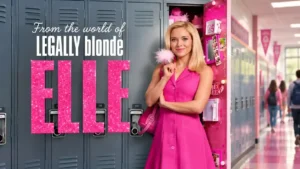

Elle, Season 1
Where It Has the Edge
No clear scored advantage over the other product.

Scorata scores summarize analyzed review evidence on a 1–5 scale; they are not laboratory measurements or a simple average of customer star ratings. Feature scores summarize the reviews covering that feature. The overall score averages feature scores within each review, then combines review averages. When both expert and customer evidence are available, those two groups receive equal weight. Products can have different review coverage, so small score gaps do not establish a winner.
Recommendations prioritize important features for the category, with a score of at least 3.5, a gap of at least 0.25 points and at least two supporting reviews per product. Features with widely varying scores or broad connectivity contexts are excluded from recommendations. These safeguards do not establish statistical significance.
Quick verdict
The available evidence supports the recommendation below, but does not establish an overall winner. Check the remaining features against your priorities.
There is not enough comparable review evidence to recommend Elle, Season 1 over the other product.
Choose Outlander: Blood of My Blood, Season 2 for plot clarity and world-building.
No clear scored advantage over the other product.
Scores are out of 5. Missing scores mean missing review evidence, not a missing feature.
One sharply negative response argues that non-white and alternative-culture students are unfairly cast as villains in the rich newcomer’s story.
Scottish traditions and folklore are woven into the wartime setting in a way that feels captivating rather than decorative.
Long school subplots sometimes drag, though more favorable viewers find the series picks up considerably after its weak opening.
Episode-level pacing is generally praised as brisk and confident, with the story raising stakes quickly and moving without much wasted time.
Episode-ending twists can feel random and engineered to compensate for limited narrative momentum.
The new questions around time travel and Julia’s abilities substantially raise the mystery and leave the story with more intriguing possibilities.
Familiar plot turns are often predictable, while the mixture of school corruption, romantic triangles and family drama sometimes feels scattered.
The season is praised for explaining why the couples separate and for catching viewers up efficiently, even while juggling multiple timelines and political pressures.
A charming lead does not fully settle whether Elle needed a high-school origin story. Many find the prequel redundant, though a few are persuaded by its self-contained warmth.
The prequel is seen as earning its place beyond simple franchise expansion by making its central couples feel important in their own right.
The young Elle is sometimes endearingly fallible, but relearning her defining lessons before Harvard creates a serious characterization contradiction.
Ellen’s growth feels continuous with Season 1: she remains recognizably the same woman while becoming more capable of taking charge.
The series carries enough familiar charm for a casual detour, but as a Legally Blonde prequel it often feels less inventive and emotionally sharp than its source.
The season is widely seen as a worthy prequel that can stand on its own while still extending Outlander’s past and emotional legacy.
Some dialogue feels stiff and artificial, particularly when it tries to carry the genre clichés or period references.
Dialogue draws mixed reactions: rousing speeches and playful period phrasing stand out, while one critic finds some conversations too obviously shaped to deliver exposition.
The soundtrack and bright-versus-gray palette evoke the decade, but exaggerated Seattle grunge, uniform clothing and modern-sounding dialogue repeatedly draw criticism.
Scottish customs, Samhain traditions and the historical texture of the setting make the period world feel richly lived in.
The 45-to-60-minute installments are frequently considered overlong for material several critics believe would suit half-hour episodes.
The premiere feels long to one viewer, but the action and emotional material are strong enough that the length does not become a major drag.
There are occasional clever lines and strong jokes from Elle’s parents, but many critics find the series more mildly amusing than genuinely funny.
Comic relief lands well amid the heavier drama, from intimate couple banter to the episode’s more knowingly outrageous clan dynamics.
The romances divide opinion: sweet and character-driven for some, a predictable and low-stakes triangle for others who already know Elle’s future.
Romance remains the show’s defining strength: the central couples have palpable chemistry, emotional sincerity and convincing longing, and their relationships carry many of the season’s best moments.
Self-belief and resisting stereotypes remain worthy themes, yet the show frequently repeats rather than deepens the film’s message.
Love, family, agency, trauma and inheritance give the season more to explore than romance alone, and several reviews praise how those ideas shape character choices.
Repetitive movie callbacks, modern-sounding dialogue and familiar school tropes draw widespread criticism; strong supporting performances preserve some charm.
Margot Ye’s episode script is praised as deftly written, giving four separated leads room to face new challenges while also deepening the supporting cast.
The first installment closely restages the film’s setup and can be clunky enough to put viewers off before the show develops its own rhythm.
Reaction to the premiere is mostly enthusiastic, with praise for its emotional force and momentum, but one review finds it a significant regression that undoes too much Season 1 progress.
The younger cast shows promise, but some characters lack lives or motivations beyond their functions in Elle’s story.
Despite separating four protagonists, the episode finds enough room for Henry, Julia, Brian and Ellen while still developing supporting players.
The best responses praise friendships that deepen through mistakes and empathy. Detractors argue Elle’s new growth duplicates and diminishes the original film.
Brian, Ellen, Julia and several supporting characters gain meaningful new dimensions, especially around leadership and agency. A minority view argues that some arcs regress or turn in odd directions to serve the plot.
A gentler and more innocent mood distinguishes Elle from edgier teen dramas, although some find the switch between comedy and drama clumsy.
When the season settles into its Highland ensemble, it is praised as confident and alive, balancing romance, humor and looming war without losing its emotional identity.
A few find the full eight-episode journey pleasantly breezy, but many say the drama is stretched too thin.
The early season is deliberately slow-burn and clearly building toward larger events. That patience suits the character work for some viewers but may feel too gradual for those wanting faster payoff.
Pink stationery, Bruiser and famous lines offer affectionate callbacks, but the quantity of movie references often works against original storytelling.
Most reviewers like how the prequel deepens familiar characters and connects naturally to Outlander’s history. One critic worries that the series can cling too tightly to Claire’s legacy instead of forging its own path.
The most consistent complaint is that the prequel recreates the movie’s fish-out-of-water growth story, with familiar teen-romance and school-mystery beats layered on top.
Repetition is one of the clearest concerns: several critics feel the franchise falls back on familiar separations, contrived obstacles and recycled conflict patterns.
Minetree’s exchanges with the young ensemble and her mother supply many of the sweetest scenes, particularly when unlike personalities begin connecting.
Chemistry between the central couples is one of the season’s clearest strengths, carrying both intimate scenes and large declarations. Even skeptical takes on the story tend to praise how naturally the leads connect.
Lexi Minetree is widely regarded as a convincing younger Elle, while June Diane Raphael often steals scenes. Some find the grown-up teen casting unconvincing.
Casting earns strong approval, from the core ensemble’s resemblance and chemistry to the addition of Grace, who is described as exactly right for the role.
The later mystery-focused episodes can produce satisfying payoff, including a praised seventh installment, even if the borrowed school-movie structure is conspicuous.
The season balances big twists with quieter emotional beats, and the two-timeline construction helps the stories echo one another rather than feel disconnected.
Elle’s growing understanding of her mother gives the series an unexpectedly moving emotional core.
The strongest scenes inspire tears, heartbreak and anxiety, especially around separation, memory and family. One harsher take finds the premiere emotionally defeating rather than satisfyingly moving.
The central concern is that Elle supposedly learns at 16 the lessons she first learns at Harvard years later. Watching it as a loose alternate version is often easier than treating it as strict canon.
Continuity is a notable weak point for one critic, who argues that some explanations for established canon problems feel dramatically convenient rather than convincing.
When the familiar teen-drama rhythm clicks, the season goes down easily as a binge, especially for viewers seeking gentle entertainment.
The glossy Highland adventure and romantic momentum make the season feel addictively watchable.
Positive viewers are eager to see the relationships develop in another season, particularly after the romantic finale; others question the premise’s endurance.
The season leaves viewers eager to keep going, with Brian’s growth and Julia’s uncertain path generating especially strong curiosity about what comes next.
Seattle’s student body is criticized for looking and behaving too uniformly grunge, making the supposed nonconformity feel artificial.
Season 2 expands the world while keeping its political, romantic and time-travel threads connected, making the setting feel larger without losing the core relationships.
The pink-versus-flannel contrast communicates the move clearly but can leave the Seattle half of the show drab.
The series is repeatedly called gorgeous, with windswept landscapes, candlelit interiors and polished period imagery creating a rich romantic atmosphere.
Elle’s pink outfits are a delight for some, but the wall-to-wall dark flannel makes Seattle visually monotonous and at times historically implausible.
Costumes are praised for communicating status and period without making every scene feel like a fashion showcase.
Elle remains likable to many, but the grunge-school students are often reduced to flat archetypes, and harsher reactions find the heroine self-absorbed.
The season’s characters are frequently described as charming and easy to root for, with Brian, Ellen and even a younger Dougal drawing particular affection.
The familiar character and nostalgic framing have built-in appeal, but several critics doubt the show will become memorable beyond that recognition.
The mix of romance, history and danger is repeatedly described as inviting and easy to get pulled into, especially for viewers who enjoy character-driven historical romance.
The show ranges from cheerful comfort viewing to a tedious retread, depending on tolerance for teen-soap clichés and familiar franchise beats.
Reviewers repeatedly describe the season as thrilling, enjoyable or outright incredible, with the mix of romance, intrigue and action keeping it engaging.
The selection of 1990s rock and pop is a major highlight for some, although others feel the needle drops are too conspicuous or neglect genuine grunge.
The music works best in quieter scenes, where it supports longing without forcing the emotional response.
Minetree consistently earns admiration for her sunny energy and uncanny command of Elle’s gestures. Some regard that fidelity as mimicry rather than an individual interpretation.
The four central performers are repeatedly described as the reason to watch, with particular praise for how they sell the romances and the season’s heavier emotional turns.
June Diane Raphael is repeatedly singled out for her timing and warmth; Gabrielle Policano and some other young players also make a favorable impression.
The supporting ensemble is described as fantastic, with familiar characters gaining sharper personalities and unexpected new dimensions.
The Ellen–Colum conflict lands because the episode gives both siblings room to face the damage they have done and the motives behind it.
The premiere is praised as action-packed, keeping the episode lively even at its longer runtime.
Elle’s treatment by her Seattle peers raises questions about privilege and fairness, though some appreciation exists for the consequences of her own mistakes.
Wyatt frequently recedes into the background while Elle and her mother carry the more substantial arcs.
The rolling Highlands and poetic camera work remain a visual highlight, producing some of the season’s strongest praise even when the story itself divides opinion.
The series sometimes acknowledges Elle’s wealth and privilege through school-worker stories, but other viewers find the treatment superficial or inadvertently unfair.
The school drama rarely reaches the emotional effectiveness of the lighter comic scenes, with some major dramatic beats described as clunky.
Parallel editing between the two timelines is used effectively to connect their themes without overexplaining the parallels.
A key choice involving Claire’s family is praised for remaining consistent with established Outlander canon.
Its innocent, low-stakes approach makes Elle gentler than many contemporary teen dramas, although it still explores adolescent relationships and conflict.
The mother-daughter bond is among the best-developed parts of the show. Eva’s adjustment to Seattle adds both funny moments and a more serious generational perspective.
The strongest teen scenes let Elle and her opposites build trust and recognize one another’s strengths, even if the journey follows a familiar template.
As a historical romance, the season is considered one of the stronger current examples of the genre, especially for viewers who value emotional stakes as much as plot.
Liz is praised as a relatable queer character rather than a stock figure, and the Liz–Kimberly relationship adds appealing chemistry.
The interconnected family history and time-spanning mythology add resonance for longtime fans, though newcomers may need patience with how much shared lore the story assumes.
Several viewers think the students sound like present-day activists rather than teens in 1995; others question the story’s framing of a privileged newcomer as an outsider.
The school-funds investigation brings Elle into proto-legal sleuthing, but some find the mystery lazy or increasingly convoluted.
Prominent cosmetic, food and beauty-brand callouts disrupt scenes and can feel more like advertising than natural dialogue.
Elle pursues school causes with enthusiasm and compassion, even when her well-meant intervention backfires.
Several plot mechanics strain credibility, including an implausibly easy asylum escape, historically questionable electroshock timing and memory logic that some viewers find hard to accept.
Bear McCreary’s music remains an important part of the series’ atmosphere, with the score especially effective when it pulls back and lets quieter longing build.
Fans of the teen relationships appreciate the last episode’s romantic development and its promise of further growth.
Moving a pink-clad optimist from sunny Los Angeles to gray Seattle creates an instantly legible contrast; some feel the one-note grunge portrayal wears thin.
Intimate scenes are often praised for emotional intensity, chemistry and playful energy, though one review notes that viewers expecting more steamy material may find the season comparatively restrained.
Overall story reception is positive but not unanimous. Strong romance, character focus and thematic ambition impress many reviewers, while others criticize thin substance, repeated separations and convenient plotting.
The season creates genuine anxiety around family conflict, looming war and hidden agendas, leaving reviewers eager and nervous about the consequences.
As a teen dramedy, Elle can be sweet and accessible, but its friendship squabbles, crushes and detention homage are often judged predictable.
The use of Garbage in the opening is praised as a smart fit for the rainy Seattle premise.
Henry’s wartime and institutional trauma is often portrayed with vivid emotional force, but reactions split on how convincing the electroshock-related memory loss feels.
The antagonistic figures are effective because they can be sinister without becoming flat; Lord Lovat in particular remains disturbing while showing enough complexity to stay compelling.
The institutional electroshock material is described as especially hard to watch, making the season’s treatment of violence and suffering potentially overwhelming for some viewers.
Performances are a major strength, with repeated praise for the emotional intensity and conviction of the ensemble. Even reviews critical of the plotting still find the acting difficult to fault.
One review gives the season strong marks as a lush, romantic and emotionally persuasive return, particularly when it centers the two couples.
Returning familiar faces such as Mrs. Graham add warmth and hope while reinforcing the sense of a connected Outlander world.
The promise of recognizable 1990s nostalgia can feel too heavily advertised at the expense of the actual story.
Period songs, clothes and cultural nods delight some viewers, while others consider the volume of references an awkward substitute for a fresh story.
The conspicuous color split between sunny pink Los Angeles and rainy flannel Seattle establishes the premise immediately, though the period detailing is sometimes heavy-handed.
Even sympathetic critics describe the prequel as cute but forgettable rather than something likely to become as enduring as the movie.

Best for sharp adult humor, magnetic chemistry and a deeply satisfying farewell. Skip it if familiar will-they-won’t-they plotting or deliberately messy leads are dealbreakers.
Pros: humor, writing quality

Choose Widow’s Bay for its dark laughs, richly haunted island and memorable ensemble. Skip it if you need straightforward scares, rapid answers to every mystery or a completely resolved finale.
Pros: humor, genre satisfaction
Cons: ending satisfaction, season pacing

Choose Season 15 for warm, character-driven comedy, meaningful growth, and a finale that rewards longtime fans. Skip it if the short binge format, uneven replacement voices, or occasional clumsy commentary...
Pros: franchise connection, character development

Best for sharply acted, compassionate, high-pressure hospital drama. Skip it if graphic procedures unsettle you or you need a neatly resolved season finale.
Pros: character development, acting performance
Cons: character consistency, dialogue quality