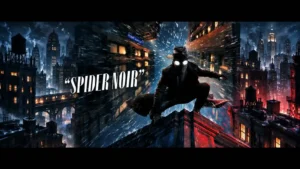
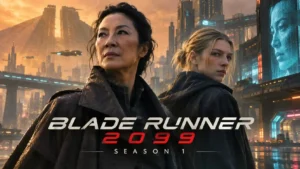
Spider-Noir, Season 1
Where It Has the Edge
- score quality is 5.0 vs 4.7. Jazz-inflected original music and unusual period instrumentation enrich the detective mood.

Scorata scores summarize analyzed review evidence on a 1–5 scale; they are not laboratory measurements or a simple average of customer star ratings. Feature scores summarize the reviews covering that feature. The overall score averages feature scores within each review, then combines review averages. When both expert and customer evidence are available, those two groups receive equal weight. Products can have different review coverage, so small score gaps do not establish a winner.
Recommendations prioritize important features for the category, with a score of at least 3.5, a gap of at least 0.25 points and at least two supporting reviews per product. Features with widely varying scores or broad connectivity contexts are excluded from recommendations. These safeguards do not establish statistical significance.
Quick verdict
The review evidence points to a tradeoff: score quality versus special effects quality and bingeability. Choose according to which strengths matter more to you; the overall score alone does not settle that choice.
Choose Spider-Noir, Season 1 for score quality.
Choose Blade Runner 2099 – Season 1 for special effects quality and bingeability.
Scores are out of 5. Missing scores mean missing review evidence, not a missing feature.
The relative emphasis on Ben’s downbeat detective life rather than constant masked action helps distinguish the show from conventional superhero television.
Some supporting figures are introduced too briefly or too late for their storylines to build much impact.
The briskly arranged action and period details receive praise as part of the accomplished presentation, especially in monochrome.
Shaky camera work and choppy cuts make some otherwise well-choreographed fights difficult to follow.
A terrific array of side characters prevents the series from depending entirely on Cage’s star turn.
The two leads dominate the drama, leaving much of the supporting ensemble with comparatively little depth or narrative weight.
Deadpan quips, vintage patter and Cage’s physical oddities make the show surprisingly funny, but the silliness is uneven for some.
The tone is exceptionally solemn, with little comic relief. Some find that consistent with the franchise, while others miss moments of levity.
The self-contained setup avoids wider-universe homework, but the identity shift and some late power or plot mechanics create confusion.
The distant setting avoids forcing answers to earlier character fates, but the films’ reproductive revelations and changes to society are not always convincingly carried forward.
A skeptical viewer feels the slender mystery cannot justify eight episodes, making the season seem stretched rather than substantial.
The eight-episode length gives the visuals room to breathe, but many find the central investigation better suited to a shorter format.
Rather than standalone capers, the eight installments form a continuous investigation; its shifting influences keep the arc cohesive for admirers.
The extended episodic canvas offers room for new settings and mysteries, but not everyone thinks the story takes full advantage of television’s structure.
Web-swinging, powers and creature effects can look inventive, but uneven digital work and artificial backgrounds are recurring complaints.
Many effects look convincingly integrated with physical sets, but occasional digital backgrounds and lower-budget shots stand out.
Moving among detective mystery, superhero action and horror often feels exciting, though some late genre swerves strike critics as excessive.
The change from rainy streets to hypnotic sunlight gives this incarnation a distinct sense of place.
Some find the narrative packed with forward-moving clues, while others are frustrated when episodes end just as momentum returns.
Several early and middle episodes meander or introduce unnecessary side stories before the investigation gains focus.
The friendships and rivalries often spark, especially Ben with his allies; the central romance is less convincing for some.
The guarded, gradually evolving partnership is a major attraction, with the leads often praised for their chemistry and mutual suspicion.
The hero’s regret and wounded associates lend surprising sadness; the most critical voices argue that character feeling never matches the attractive surface.
The relationship between the two women and Olwen’s approaching death can be poignant, but several critics feel the philosophical and visual ambitions overshadow genuine human connection.
Mystery threads can make episodes hard to turn off; a predictable central conspiracy reduces the tension for some.
The tension of Cora’s undercover identity and her uneasy partnership creates compelling suspense, though repeated tests and encounters can diminish its impact.
Ben’s guilt and return to responsibility add layers, although detractors feel the wider cast is built mostly from recognizable archetypes.
Olwen’s mortality and Cora’s struggle to survive give the leads intriguing material, but thin backstories and underdeveloped supporting characters frequently blunt the drama.
Responsibility, shame, poverty and prejudice run through the detective fiction, although some believe the show only brushes these ideas.
Identity, memory, mortality and empathy provide rich philosophical material. Critics differ over whether the series meaningfully develops those ideas or merely repeats the films.
Some enjoy the bold concluding reversals, but several find the final resolution obvious or less rewarding than its setup.
The conclusion is generally appreciated for wrapping up the central journey while leaving room for interpretation, although one critic found its last-minute resolutions too convenient.
Silvermane and the altered rogues gallery offer menace and surprising pathos, but thin characterization and abrupt payoffs remain complaints.
Some antagonists bring effective menace or psychotic energy, while others are too familiar, flat or slow to emerge.
Familiar comic characters are creatively reimagined rather than reproduced, delighting some fans and complicating expectations for others.
The series draws on philosophical elements of the original novel, including material left out of the films; some critics feel those nods remain superficial.
Clues and reversals sustain interest for many, though some reveal-driven moments are called predictable.
The mystery offers ambitious revelations for some viewers, but others find its twists predictable or insufficiently established.
Bloody gangland killings and explicit brutality make the violence feel excessive to some viewers, especially those approaching it as a family-friendly Marvel show.
Frequent graphic fights and bleak violence are criticized for overwhelming the drama rather than adding meaningful depth.
Sharp dialogue and inventive genre play please many, while plot repetition, overwriting and underdeveloped characters frustrate others.
The scripts sometimes find inventive new angles on identity and mortality; detractors find the plotting labored, exposition heavy and characters underwritten.
The combination of vintage noir and body-horror Spider-Man feels unusually adventurous to admirers, while detractors see familiar clichés in new costumes.
The reversed human-replicant hierarchy is either a bold new angle or an unimaginative swap of familiar roles, depending on how convincingly its consequences land.
The bar fights, web-swinging and superhero clashes bring bursts of excitement, though effects and the relative shortage of hero action draw reservations.
The fights benefit from Yeoh’s physical skills and Schafer’s desperate energy, but some are poorly lit, choppily edited or feel out of place in the slow-burn mystery.
It occupies its own corner of Spider-Man mythology with knowing references, without demanding knowledge of the animated films or the MCU.
Faithful noir aesthetics and familiar philosophical questions make this recognizable as part of the saga, but critics disagree on whether it evolves beyond homage.
The finale inspires sharply different reactions, from praise for its bold twists to disappointment in easy resolutions and tonal drift.
The finale can deliver a satisfying, poetic sense of closure, but its resolution strikes some as too neat or unexplained.
Some powers, particularly the vividly colored electricity, look convincing and exciting, although other digital shots remain conspicuous.
Effects can make the large-scale dystopian settings genuinely impressive, though the quality is not uniform across every sequence.
Fast, sardonic detective banter and comic timing bring the setting alive, although some find the retro slang forced or clichéd.
The philosophical dialogue can carry the franchise’s grand noir tradition, yet it sometimes becomes too blunt, cryptic, or utilitarian.
Several stretches move briskly, but critics repeatedly flag a sluggish middle or a rocky shift into the final episodes.
The deliberate tempo feels faithful and absorbing to some, but many find the middle stretch padded and the mystery slow to develop.
Jazz-inflected original music and unusual period instrumentation enrich the detective mood.
Leopold Ross’s synths, jazz and expressive saxophone are among the most consistently praised elements. Some find the repeated musical swells or jazzy emphasis distracting.
The central mystery and its imaginative blend of noir and superhero conventions win many fans, while slower plotting and a divisive climax leave others disappointed.
The investigation and role reversal can be gripping, particularly when the two leads are together. Others find the MacGuffin hunt stretched thin, predictable, or hollow.
Mysteries and cliffhangers encourage continuing, but slow early episodes and a divisive closing stretch weaken the compulsion for some.
The propulsive mystery and visual world can keep viewers watching across the full run.
Expressionist shadow, hard white highlights and colorful contrast build its vintage identity and make several scenes stand out.
Grate-filtered light, neon shadows and dramatic sunlight help create an immersive noir atmosphere.
Some find the interlocking motivations accessible, while others call the conspiracy muddled and certain late choices arbitrary.
The mystery asks viewers to follow convoluted plotting and opaque motivations, especially early on. Several critics found the later episodes more rewarding once the pieces came together.
A seemingly improbable spin-off earns its existence for many through its distinct detective angle, while skeptics see a supporting-character idea stretched too far.
The expanded format feels justified to those impressed by the world and new themes, while skeptics would have preferred another film or no sequel at all.
Striking compositions, Dutch angles and contrasting shadows are among the best-liked elements, with debate over which image version works better.
Carefully composed shadows and scorching sunlight give the future a distinctive look, although shaky camera work in fights can reduce clarity.
Rain-soaked streets, cigarette smoke, sharp shadows and melancholy give New York a palpable pulp-noir personality.
The oppressive sunshine noir, smoky interiors, retro technology and jazz create a distinctive immersive mood; its relentless gloom is not for everyone.
A late disruption to Ben’s webbing is criticized for appearing without enough setup, weakening the internal rules around his powers.
Abrupt allegiance shifts and inconsistent rules about replicant behavior can make character decisions feel contrived.
Confident lighting and staging earn praise, tempered by complaints that the closing episodes feel disconnected from the opening run.
The directors establish a striking sun-baked noir palette, but uneven staging and some stiff performances or unclear fight coverage prevent the direction from matching the films.
The detective-noir and superhero mix has a recognizable personality, although it sometimes feels more like affectionate pastiche than a fresh story.
The ambitious philosophical mystery is enthusiastically received as a strong example of contemporary science fiction.
The full-season drop makes binging easy but disappoints those who wanted weekly speculation about the unfolding mystery.
The all-at-once rollout disappointed critics who felt this material deserved a longer weekly release.
What could have been a disposable franchise extension becomes, for supporters, a fresh, independently enjoyable detective series.
The transition to television is praised for retaining the original cinematic story’s humanity while opening up new territory.
The alternate Manhattan is richly styled and filled with familiar characters, but its logic and historical details do not always withstand scrutiny.
The retrofuturistic world looks expansive and richly detailed. Some critics nonetheless wanted more insight into everyday society, politics and the consequences of the uprising.
Sharp period clothing, suits, hats and nightclub attire help define the alternate-era look, especially in its vivid color presentation.
The distinctive oversized jackets and inventive costumes attract attention, though Cora’s bulky silhouette is divisive.
Offices, clubs, costumes and period interiors create an elaborate old-New-York mood; synthetic exteriors can break the spell.
Tactile interiors, brutalist buildings and lived-in cityscapes make the setting unusually immersive, even for critics who are disappointed with the story.
Black-and-white noir shadows and saturated True-Hue color create two distinct looks; preferences vary and some dislike the color treatment.
Neon, ruined architecture, orange sunlight and textured retro technology earn widespread praise. A minority find the look derivative, muddy or less impressive than the films.
The assertive use of noir shadows looks striking to some, but others say the black-and-white version loses too much detail in murky dark areas.
Darkly lit fights and dim visuals can make parts of the action unnecessarily difficult to follow.
The ensemble adds warmth, menace and comic timing, especially the allies, though some villains feel underused or overplayed.
The supporting ensemble includes memorable flashes of menace and eccentricity, especially Matthew Needham, though many secondary roles are too thinly drawn to leave much impression.
The performances are frequently a selling point, especially the outsized central turn; detractors find some line readings more mannered than convincing.
The leads frequently bring intensity and vulnerability to otherwise stoic roles. Some critics find the performances too wooden or repetitive, particularly when the writing gives them little to express.
Cage commits fully to a damaged, eccentric gumshoe; for most he makes the series irresistible, while critics of his excesses see a distraction.
Yeoh’s restraint and Schafer’s urgency anchor the season for many critics, though others find their stoicism exaggerated or their emotional range limited.
Ben, Janet and Robbie are commonly cited as engaging presences, even as critics of the writing find some supporting figures thin.
Cora’s constant anxiety can make her difficult to connect with when the story gives her little room to reveal other sides of her personality.
Its weird humor, pulp energy and committed performers win plenty of enthusiasm, even though slower storytelling makes it frustrating for dissenters.
Several critics were absorbed by the detective story and its setting, while others found the long, somber journey tedious.
The two visual presentations and elaborate period detail invite revisiting scenes or the entire season.
The dense franchise connections reward a second look for clues and details that may have gone unnoticed.
The exaggerated hard-boiled voices suit the show’s eccentric, old-Hollywood personality, though Cage’s delivery can test some viewers’ patience.
Harsh language, bloodshed and disturbing material make the tone markedly older-skewing than many animated Spider-Man adventures.
The series has considerable appeal for established fans, but its familiar sensibilities and slow pace may not bring many new viewers aboard.
The iconic flying cars retain their futuristic appeal.
The vintage detective inflections help evoke an earlier era, but a few accents are criticized as inconsistent or intentionally overdone.
The unsettling spider anatomy, contortions and grotesque transformations give the superhero premise an unusually strange horror edge.
Cage is seen by many as an inspired match for the bizarre material, backed by a wide-ranging ensemble whose effectiveness varies by character.
A brief appearance by Freddie Fox is a welcome addition to the prologue.
The reversed hierarchy and the loneliness created by capitalism bring class and inequality into the story’s central concerns.
Episode-end reveals keep the mysteries moving, although an all-at-once release reduces the chance to speculate between installments.
Regular action beats and twists keep the series moving for some viewers, at the cost of the more meditative quality of the films.
The era’s racism and unequal treatment add texture for some, while others find those themes rushed or underdeveloped.
The mix of hard-boiled comedy and tragedy feels particularly deft when the character relationships take center stage.
The expanded geography and environmental damage give the future’s ecological concerns a concrete sense of scale.
A family-oriented critic objects to the mismatch between this bloody, adult-leaning interpretation and expectations established by the animated character.
The prologue helps orient newcomers, though familiar character backstories can feel less necessary when the actors already convey their emotions.
Some of the superhero explanations feel unnecessary or too insistent, pulling attention away from the noir atmosphere.
This is a harsher, adult-leaning version of the superhero property, with graphic violence and sexual material complicating family viewing.
The two female leads bring a fresh perspective to the traditionally male-centered detective story.
The show is praised for being a self-contained expansion instead of an endless exercise in franchise management.
Ben’s allies repeatedly put his well-being ahead of their own convenience, creating one of the season’s warmest emotional threads.
The investigation blends science fiction, noir thriller and political resistance imagery.
On-screen blood, torture and grotesque transformations make this an uneasy choice for viewers avoiding graphic imagery.
Ben’s loss and self-reproach underlie his cynicism, giving the mystery a mournful pulse when the writing connects.
Making replicants the ruling class gives the familiar premise an intriguing new perspective for many critics. Others find the swap unimaginative because society seems largely unchanged.
Frequent harsh language is a notable turnoff for viewers expecting the more restrained dialogue of classic noir films.
The premise of passing as another identity briefly opens a thought-provoking connection to transgender experience, but the show does not develop it far.
The depiction of loneliness and its corrosive effect on empathy provides a poignant dimension to the dystopian society.
The time jump expands the established mythology and introduces new settings and ideas, though some find the additional details superficial.
Period hair and makeup complement the sharply dressed cast and carefully designed sets, strengthening the illusion of another era.
Striking doomsday imagery and philosophical questions can linger long after the season ends.
The series explores the relationship between memories, trauma and personhood, with some critics finding the approach sophisticated and others wishing it went further.
Treatment of racial prejudice divides opinion: some appreciate the absence of lectures, while others find the incidents abrupt or underdeveloped.
Olwen’s approaching expiration gives the series a moving way to examine mortality and the desire for more time.
The investigation supplies clues and twists but divides critics over whether the conspiracy is engaging and its resolution earned.
Ambiguity is part of the series’ noir appeal, with an elliptical mood and questions that can encourage interpretation.
Repeated test sequences and flights through the city can become time-filling devices instead of advancing the story.
The existential stakes and character motivations can be difficult to parse, weakening investment in the central mystery.
A relatively simple mystery becomes needlessly laborious when the storytelling structure delays clarity.
Michelle Yeoh retains impressive physical authority in an action role centered on aging and mortality.
One viewer finds the opening rush of backstory clumsy, complaining that it overwhelms the first few minutes rather than inviting discovery.
The prologue recreates the earlier film’s aesthetic with striking accuracy while providing useful franchise context.
Sets, costumes, music and lighting suggest a lavish 1930s world, even as anachronisms and artificial-looking locations undermine the illusion for some.
A stylish introduction builds a promising mystery, but a few viewers find the opening installment slow or overly expository.
Ben’s deliberately restrained abilities interest one viewer, but another finds the limits on his super strength too inconsistent to follow.
Practical touches in the fights and sets help give the otherwise exaggerated world a pleasingly tangible texture.
Cora’s scrappy determination to survive makes her an engaging action heroine.
Its outrageous transformations and theatrical detective mannerisms are treated as deliberate fantasy rather than realism failures.
Positive reactions frequently end with requests for another installment, often with hopes of stronger effects or a tighter conclusion.
Ben’s noir-flavored entanglement with Cat adds tension and charm for some, but others cannot feel the intended chemistry.
New environments beyond Los Angeles make the universe feel expansive rather than confined to familiar streets.
The unflinching seriousness suits viewers seeking solemn science fiction, but the unrelieved bleakness can be exhausting.
Sexual innuendo is criticized for going beyond the restrained flirtation associated with older noir movies.
One critic found the picture muddy but acknowledged that screener compression might have contributed.
The symbolism can be cryptic enough to obstruct emotional engagement.
The relationship between engineered life and humanity remains the season’s core, with some finding its new questions profound and others finding them underdeveloped.
The stylish credits and memorable music give the show an energetic opening identity that fits its unusual genre blend.
The swing from deadly serious crime to slapstick and mad-scientist horror is part of the appeal but sometimes strains cohesion.
Questions about replaceability, human identity and technology are particularly timely in the age of AI.
Ben’s grief and the villains’ losses lend the bizarre fantasy a surprisingly human sense of tragedy.
Yeoh’s clipped delivery and careful vocal modulation convey an alien reserve with flashes of vulnerability.
The resourceful assistant and loyal reporter strengthen Ben’s investigations and keep him from facing his moral crisis alone.
The scaled-down, unsettling interpretation of Sandman’s powers gives a familiar villain a strikingly effective new physical identity.
Lavish sets and a large-scale production make the future convincingly tangible, although budget differences from the films sometimes show.
Vintage songs and nightclub performances reinforce the clubland atmosphere alongside the original score.

Best for sharp adult humor, magnetic chemistry and a deeply satisfying farewell. Skip it if familiar will-they-won’t-they plotting or deliberately messy leads are dealbreakers.
Pros: humor, writing quality

Choose Widow’s Bay for its dark laughs, richly haunted island and memorable ensemble. Skip it if you need straightforward scares, rapid answers to every mystery or a completely resolved finale.
Pros: humor, genre satisfaction
Cons: ending satisfaction, season pacing

Choose Season 15 for warm, character-driven comedy, meaningful growth, and a finale that rewards longtime fans. Skip it if the short binge format, uneven replacement voices, or occasional clumsy commentary...
Pros: franchise connection, character development

Best for sharply acted, compassionate, high-pressure hospital drama. Skip it if graphic procedures unsettle you or you need a neatly resolved season finale.
Pros: character development, acting performance
Cons: character consistency, dialogue quality