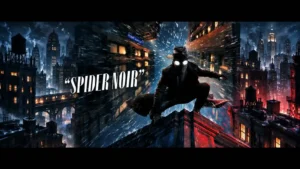
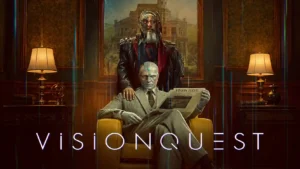
Spider-Noir, Season 1
Where It Has the Edge
- genre satisfaction is 5.0 vs 4.5. The detective-noir and superhero mix has a recognizable personality, although it sometimes feels more like affectionate pastiche than...

Scorata scores summarize analyzed review evidence on a 1–5 scale; they are not laboratory measurements or a simple average of customer star ratings. Feature scores summarize the reviews covering that feature. The overall score averages feature scores within each review, then combines review averages. When both expert and customer evidence are available, those two groups receive equal weight. Products can have different review coverage, so small score gaps do not establish a winner.
Recommendations prioritize important features for the category, with a score of at least 3.5, a gap of at least 0.25 points and at least two supporting reviews per product. Features with widely varying scores or broad connectivity contexts are excluded from recommendations. These safeguards do not establish statistical significance.
Quick verdict
The review evidence points to a tradeoff: genre satisfaction versus bingeability. Choose according to which strengths matter more to you; the overall score alone does not settle that choice.
Choose Spider-Noir, Season 1 for genre satisfaction.
Choose VisionQuest for bingeability.
Scores are out of 5. Missing scores mean missing review evidence, not a missing feature.
The relative emphasis on Ben’s downbeat detective life rather than constant masked action helps distinguish the show from conventional superhero television.
Some talented supporting characters receive less to do than viewers want, particularly the silent AIs and briefly used J.A.R.V.I.S. Late reveals and Paladin’s diminishing role also frustrate some viewers.
Sexual innuendo is criticized for going beyond the restrained flirtation associated with older noir movies.
The AI romance is praised for allowing real flirtation and attraction while staying restrained in practice. The positive judgment concerns how that balance serves the relationship.
One viewer finds the opening rush of backstory clumsy, complaining that it overwhelms the first few minutes rather than inviting discovery.
The opening narration efficiently refreshes Vision’s complicated history for some viewers. Others find it clumsy or insufficient, particularly once later episodes return to the same explanations.
Web-swinging, powers and creature effects can look inventive, but uneven digital work and artificial backgrounds are recurring complaints.
The opening is praised for a polished, movie-quality look. Its visual effects exceed expectations for a streaming production.
The full-season drop makes binging easy but disappoints those who wanted weekly speculation about the unfolding mystery.
The weekly or paired-episode rollout receives approval for giving the story room to breathe or enough material per sitting. Reactions depend on how viewers handle the slower, denser sections.
A family-oriented critic objects to the mismatch between this bloody, adult-leaning interpretation and expectations established by the animated character.
Views differ on the moral framing, from praise for compassion and respect for a reincarnated character’s autonomy to concern about shaky hero ethics. Kind intentions are also shown to have dangerous consequences.
Bloody gangland killings and explicit brutality make the violence feel excessive to some viewers, especially those approaching it as a family-friendly Marvel show.
The harder violence impresses viewers who see it as a purposeful expression of Vision’s missing moral compass. Others find his casual killing off-putting or regard the bloody methods as a concern for younger audiences.
The self-contained setup avoids wider-universe homework, but the identity shift and some late power or plot mechanics create confusion.
Some appreciate the careful reuse of past events and neglected MCU details. Others question gaps such as Vision’s absence from Wanda’s life or decisions that conflict with established powers.
Confident lighting and staging earn praise, tempered by complaints that the closing episodes feel disconnected from the opening run.
The series earns praise for feeling shaped as actual television, with purposeful sets and episode-level choices. Terry Matalas’s handling of the material is singled out positively.
A terrific array of side characters prevents the series from depending entirely on Cage’s star turn.
Fans admire how distinct AI personalities contribute to Vision’s story. Others feel the cast is crowded, repetitive, or less compelling whenever the focus moves away from the leads.
Ben’s grief and the villains’ losses lend the bizarre fantasy a surprisingly human sense of tragedy.
Intergenerational pain gives Tommy and Vision meaningful motivations for some viewers. Others find the layers of tragic backstory exhausting rather than illuminating.
Moving among detective mystery, superhero action and horror often feels exciting, though some late genre swerves strike critics as excessive.
The movement between physical reality and the digital world is praised for feeling seamless. The shifting locations support the story without disrupting its flow in this favorable assessment.
The friendships and rivalries often spark, especially Ben with his allies; the central romance is less convincing for some.
Paul Bettany and James Spader’s verbal sparring is the clearest shared strength. Vision’s scenes with Tommy and Ultron’s exchanges with Jocasta also give the crowded story a more personal center.
The combination of vintage noir and body-horror Spider-Man feels unusually adventurous to admirers, while detractors see familiar clichés in new costumes.
Personified AIs and a deliberately strange inner world give the show fresh possibilities. Critics disagree over whether those ideas overcome familiar superhero formulas and recycled existential questions.
Responsibility, shame, poverty and prejudice run through the detective fiction, although some believe the show only brushes these ideas.
Identity, memory, personhood, grief, and inherited family burdens give the series plenty to explore. Some find the ideas profound; others see overworked philosophy and little meaningful engagement with contemporary AI concerns.
The mix of hard-boiled comedy and tragedy feels particularly deft when the character relationships take center stage.
The balance of lightness and darkness makes the drama charmingly absorbing in a favorable assessment. Earnestness helps the larger philosophical ideas feel emotionally grounded.
This is a harsher, adult-leaning version of the superhero property, with graphic violence and sexual material complicating family viewing.
Bloody violence, rough language, and morally uncertain behavior make this a conditional family choice. Even a sympathetic father-son story does not make it suitable for every household.
Frequent harsh language is a notable turnoff for viewers expecting the more restrained dialogue of classic noir films.
Frequent strong language is a stated drawback for viewers concerned about family suitability. The criticism targets its effect on the experience rather than using intensity as a quality score.
A skeptical viewer feels the slender mystery cannot justify eight episodes, making the season seem stretched rather than substantial.
The eight-hour scope gives performances and episodic ideas room to develop for admirers. Critics see a thinner story stretched beyond what its central conflict can sustain.
Some powers, particularly the vividly colored electricity, look convincing and exciting, although other digital shots remain conspicuous.
The opening’s action and effects are praised as expensive-looking and close to movie quality. The physical-world scenes hold up alongside the more elaborate inner world.
The finale inspires sharply different reactions, from praise for its bold twists to disappointment in easy resolutions and tonal drift.
The final stretch earns praise for emotional payoff and a satisfying conclusion. Its impact is strongest for viewers already invested in Vision and his family.
Expressionist shadow, hard white highlights and colorful contrast build its vintage identity and make several scenes stand out.
The pub attack gains energy from shafts of light through bullet holes. That specific lighting choice helps the physical-world action stand out.
Familiar comic characters are creatively reimagined rather than reproduced, delighting some fans and complicating expectations for others.
Paladin’s costume receives strong praise for preserving the comic design while making it intimidating on screen. That endorsement concerns the adaptation of his appearance rather than literal fidelity to an entire comic storyline.
Some find the interlocking motivations accessible, while others call the conspiracy muddled and certain late choices arbitrary.
The plot packs in reincarnations, layered identities, multiple villains, and shifting realities. Admirers find the threads well connected, while detractors struggle to follow the accumulating explanations.
Sharp dialogue and inventive genre play please many, while plot repetition, overwriting and underdeveloped characters frustrate others.
The philosophical exchanges and character-focused scenes can be sharp, funny, and affecting. Contrived traps, repetitive explanations, and competing plotlines keep the writing from feeling equally assured throughout.
What could have been a disposable franchise extension becomes, for supporters, a fresh, independently enjoyable detective series.
Many see a worthy continuation of WandaVision with its own sci-fi identity. Others miss the earlier shows’ magic or find this the least effective part of the trilogy.
It occupies its own corner of Spider-Man mythology with knowing references, without demanding knowledge of the animated films or the MCU.
Deep MCU callbacks can enrich Vision’s story and reward long-term investment. The same connections can become intrusive reminders or a barrier for viewers who want a more independent adventure.
Some of the superhero explanations feel unnecessary or too insistent, pulling attention away from the noir atmosphere.
Repeated MCU reminders and lengthy origin explanations are among the most persistent complaints. Even viewers who enjoy the cast often wish the series would trust their memory and move forward.
Clues and reversals sustain interest for many, though some reveal-driven moments are called predictable.
Revelations can be surprising and satisfyingly connected to earlier details. Some viewers instead find the repeated hidden-mastermind turns tiring or the destinations too predictable.
Silvermane and the altered rogues gallery offer menace and surprising pathos, but thin characterization and abrupt payoffs remain complaints.
Ultron is widely praised for his wit, menace, and added complexity. Paladin and Jocasta have strong supporters too, although some find Paladin diminished or the later villain machinery overcomplicated.
Cage is seen by many as an inspired match for the bizarre material, backed by a wide-ranging ensemble whose effectiveness varies by character.
Bettany and Spader anchor a cast full of distinctive comic and dramatic performers. The human avatars give familiar AI roles more personality, although some casting choices prove less convincing to individual viewers.
Some find the narrative packed with forward-moving clues, while others are frustrated when episodes end just as momentum returns.
The premiere receives praise for remaining engaging and well paced despite its dark, identity-focused tone. Its action and psychological material provide an intriguing start.
The detective-noir and superhero mix has a recognizable personality, although it sometimes feels more like affectionate pastiche than a fresh story.
The show earns praise when it delivers costumes, powers, action, and recognizable superhero storytelling alongside its introspection. That balance helps keep the cerebral material entertaining.
Fast, sardonic detective banter and comic timing bring the setting alive, although some find the retro slang forced or clichéd.
Bettany and Spader’s verbal exchanges and reworked philosophical lines are frequent highlights. Some find the AI conversations overlong or too ornate to carry their intended emotional weight.
The swing from deadly serious crime to slapstick and mad-scientist horror is part of the appeal but sometimes strains cohesion.
Supporters enjoy the movement between comedy, thriller, horror touches, and serious family drama. Others find the competing styles busy or the genre detours unnecessary.
Rather than standalone capers, the eight installments form a continuous investigation; its shifting influences keep the arc cohesive for admirers.
Admirers value episodes with their own central ideas and self-contained movement. The format works best when it gives character scenes room without becoming another stretch of explanation.
The central mystery and its imaginative blend of noir and superhero conventions win many fans, while slower plotting and a divisive climax leave others disappointed.
The strongest reactions praise a compelling mystery anchored in synthetic identity and family. Less enthusiastic accounts describe an overextended premise whose best conversations struggle against formula and clutter.
Mystery threads can make episodes hard to turn off; a predictable central conspiracy reduces the tension for some.
The pursuit, rising stakes, and mysterious client can make the story gripping. Not everyone feels genuine jeopardy, particularly when much of the conflict happens inside Vision’s head.
Ben’s deliberately restrained abilities interest one viewer, but another finds the limits on his super strength too inconsistent to follow.
Some enjoy seeing Vision’s powers used inventively and facing a credible counter in adamantium. Others find him too easily disabled or question why he neglects abilities that could end the conflict.
Ben’s noir-flavored entanglement with Cat adds tension and charm for some, but others cannot feel the intended chemistry.
Ultron and Jocasta’s flirtation can be unexpectedly sexy, strange, and moving. Some appreciate where it ends up but think the relationship drags before getting there.
Some enjoy the bold concluding reversals, but several find the final resolution obvious or less rewarding than its setup.
Full-season reactions often praise an intimate, meaningful resolution to Vision’s journey. Others find the closure messy, disappointing, or less complete than the trilogy billing promises.
Ben’s guilt and return to responsibility add layers, although detractors feel the wider cast is built mostly from recognizable archetypes.
Vision’s struggle to connect inherited memories with present feelings provides the strongest character material. Tommy, Ultron, and the supporting AIs inspire sharply different reactions to their depth and growth.
Mysteries and cliffhangers encourage continuing, but slow early episodes and a divisive closing stretch weaken the compulsion for some.
Several enthusiastic viewers stayed hooked across the full season or wanted to watch it in one sitting. That pull depends heavily on investment in the mystery and characters.
The hero’s regret and wounded associates lend surprising sadness; the most critical voices argue that character feeling never matches the attractive surface.
The father-son relationships and late revelations can be deeply moving, with several accounts describing tears or gut punches. Others remain detached from the digital characters or find the emotions more stated than felt.
The bar fights, web-swinging and superhero clashes bring bursts of excitement, though effects and the relative shortage of hero action draw reservations.
Vision’s powers produce several forceful, visually exciting fights. Some appreciate the harder edge, while others find the action forgettable or want a better balance with the lengthy conversations.
Deadpan quips, vintage patter and Cage’s physical oddities make the show surprisingly funny, but the silliness is uneven for some.
Ultron’s sardonic remarks, computer-themed visual jokes, and the odd AI household provide much of the comedy. Reactions split over the broader supporting characters, whose antics can feel charming or forced.
Striking compositions, Dutch angles and contrasting shadows are among the best-liked elements, with debate over which image version works better.
The pub confrontation and transitions into the Mindspace draw praise for visual energy and thoughtful framing. Admirers also appreciate a series that feels more deliberately photographed than routine streaming fare.
Several stretches move briskly, but critics repeatedly flag a sluggish middle or a rocky shift into the final episodes.
Momentum varies sharply across the season: a strong setup and emotional finish can surround a slower middle. Some find the dense plotting absorbing throughout; others feel reveals are delayed or arrive without breathing room.
Ben’s loss and self-reproach underlie his cynicism, giving the mystery a mournful pulse when the writing connects.
Vision’s inherited memories offer a different angle on loss from Wanda’s story. That reversal and the consequences of sacrifice can be powerful, while some feel the trilogy has revisited the subject too often.
A stylish introduction builds a promising mystery, but a few viewers find the opening installment slow or overly expository.
The opening ranges from a strong, intriguing launch to a clumsy introduction burdened by exposition. The second episode often improves impressions by adding movement and a clearer emotional relationship.
A late disruption to Ben’s webbing is criticized for appearing without enough setup, weakening the internal rules around his powers.
Vision’s intelligence and powers do not always match his decisions. Letting enemies escape, keeping Ultron nearby, and walking into traps are recurring sticking points.
The investigation supplies clues and twists but divides critics over whether the conspiracy is engaging and its resolution earned.
The mystery rewards attention to clues for some viewers. Others think it loses focus, delays obvious answers, or ends with disclosures weaker than the setup.
Positive reactions frequently end with requests for another installment, often with hopes of stronger effects or a tighter conclusion.
Enthusiastic viewers want more time with these characters and further work from the creative team. That interest reflects enjoyment of this series rather than any confirmed continuation.
Jazz-inflected original music and unusual period instrumentation enrich the detective mood.
Mick Giacchino’s score receives an enthusiastic endorsement. The music is singled out as another strong creative contribution to the show.
The exaggerated hard-boiled voices suit the show’s eccentric, old-Hollywood personality, though Cage’s delivery can test some viewers’ patience.
The mix of accents can feel excessive, especially when the pub owner is difficult to understand. The complaint concerns the listening experience rather than whether the accents are authentic.
Harsh language, bloodshed and disturbing material make the tone markedly older-skewing than many animated Spider-Man adventures.
The violent scenes and heavy themes favor older viewers. Its superhero premise alone is a poor guide to suitability for children.
Ben, Janet and Robbie are commonly cited as engaging presences, even as critics of the writing find some supporting figures thin.
Ultron and the unusual AI household win many fans through personality and wit. Vision’s detachment, Tommy’s distress, and the peripheral characters can leave others emotionally disengaged.
The alternate Manhattan is richly styled and filled with familiar characters, but its logic and historical details do not always withstand scrutiny.
The house inside Vision’s mind turns computer functions into an unusual domestic world. Its imaginative details delight many viewers, though some find the rules between that world and physical reality inconsistent.
Sharp period clothing, suits, hats and nightclub attire help define the alternate-era look, especially in its vivid color presentation.
Reactions to Paladin’s outfit divide sharply between praise for comic accuracy and criticism of its appearance. Ultron’s eccentric clothes and E.D.I.T.H.’s carefully chosen details fare better.
Offices, clubs, costumes and period interiors create an elaborate old-New-York mood; synthetic exteriors can break the spell.
The Mindspace house is a frequent highlight, filled with retro furnishings, computer puns, altered artwork, and deliberately wrong details. A minority find the artificial setting less engaging than its elaborate construction suggests.
Black-and-white noir shadows and saturated True-Hue color create two distinct looks; preferences vary and some dislike the color treatment.
The bright, deliberately artificial Mindspace gives the series a distinctive look. Some find its visual play inventive and cinematic; others see conventional spectacle or distracting digital scenery.
The scaled-down, unsettling interpretation of Sandman’s powers gives a familiar villain a strikingly effective new physical identity.
Jocasta’s design is praised as an effective blend of the comic character and the MCU’s Ultron aesthetic. Her appearance makes a strong impression alongside the character’s dramatic role.
The performances are frequently a selling point, especially the outsized central turn; detractors find some line readings more mannered than convincing.
The ensemble earns substantial praise, led by Bettany and Spader. Some opening-episode performances and Tommy’s heightened emotion draw criticism, but the acting often sustains interest when plotting falters.
The ensemble adds warmth, menace and comic timing, especially the allies, though some villains feel underused or overplayed.
Spader’s Ultron frequently steals the show, with several other AI and human characters drawing praise for personality and emotional range. Some broader performances or underused roles work less well for individual viewers.
Cage commits fully to a damaged, eccentric gumshoe; for most he makes the series irresistible, while critics of his excesses see a distraction.
Bettany’s restrained confusion, flashes of humor, and eventual vulnerability earn strong praise. His intentionally colder version of Vision can also be harder to connect with initially.
Its weird humor, pulp energy and committed performers win plenty of enthusiasm, even though slower storytelling makes it frustrating for dissenters.
Enthusiasts find the unusual cast, mystery, and character exchanges consistently engaging. More reserved viewers still enjoy individual scenes but feel the overall show is merely serviceable or weighed down by lore.
The two visual presentations and elaborate period detail invite revisiting scenes or the entire season.
The layered clues, visual details, and callbacks invite another pass after the ending is known. Familiarity can make the plot easier to follow and reveal earlier hints.
The vintage detective inflections help evoke an earlier era, but a few accents are criticized as inconsistent or intentionally overdone.
A seemingly improbable spin-off earns its existence for many through its distinct detective angle, while skeptics see a supporting-character idea stretched too far.
The explicit rejection of generative AI receives approval. That praise concerns how the show was made, separate from its fictional artificial intelligences.
Rain-soaked streets, cigarette smoke, sharp shadows and melancholy give New York a palpable pulp-noir personality.
The unsettling spider anatomy, contortions and grotesque transformations give the superhero premise an unusually strange horror edge.
Episode-end reveals keep the mysteries moving, although an all-at-once release reduces the chance to speculate between installments.
Spader’s eccentric screen presence and delivery are a comic highlight. His performance gives even the more elaborate conversations an entertaining edge.
The era’s racism and unequal treatment add texture for some, while others find those themes rushed or underdeveloped.
The mix of accents, particularly the pub owner’s speech, can make lines difficult to follow. Context helps, but the delivery still creates a listening barrier for one viewer.
The briskly arranged action and period details receive praise as part of the accomplished presentation, especially in monochrome.
Long episodes can overstay their welcome when callbacks and detours displace character development. The criticism focuses on bloated runtime rather than duration alone.
The intertwined bonds between Ultron, Vision, and Tommy give the identity questions a personal stake. Their awkward attempts to connect are often the heart of the show, even when other plotlines crowd them out.
Ben’s allies repeatedly put his well-being ahead of their own convenience, creating one of the season’s warmest emotional threads.
On-screen blood, torture and grotesque transformations make this an uneasy choice for viewers avoiding graphic imagery.
Ultron’s long hair and wild beard enhance the performance’s eccentric, sensuous quality. The styling helps make his human avatar distinctive.
Deep references and expanded synthetic history can make the MCU feel meaningfully interconnected. The density also risks becoming trivia homework or distracting from the immediate story.
Period hair and makeup complement the sharply dressed cast and carefully designed sets, strengthening the illusion of another era.
Treatment of racial prejudice divides opinion: some appreciate the absence of lectures, while others find the incidents abrupt or underdeveloped.
Sets, costumes, music and lighting suggest a lavish 1930s world, even as anachronisms and artificial-looking locations undermine the illusion for some.
The silent maintenance AIs offer enjoyable physical humor for some viewers. Others wish those performers had more activity and opportunities to use their voices.
Practical touches in the fights and sets help give the otherwise exaggerated world a pleasingly tangible texture.
Its outrageous transformations and theatrical detective mannerisms are treated as deliberate fantasy rather than realism failures.
Several full-season assessments praise a meaningful and emotionally grounded close. The ending is often valued for character resolution rather than the scale of its spectacle.
Tommy and Lisa are a repeated weak point for less enthusiastic viewers. Their distress and side story can be harder to care about than the exchanges between Vision and Ultron.
The stylish credits and memorable music give the show an energetic opening identity that fits its unusual genre blend.
The resourceful assistant and loyal reporter strengthen Ben’s investigations and keep him from facing his moral crisis alone.
The combination of character work and continuity can attract both committed fans and occasional viewers. Its lore and detached protagonist also leave some people feeling excluded or unmoved.
The supplied coverage describes a broadly positive critical reception. That approval is substantial but does not erase the sharp disagreements over pacing, accessibility, and emotional connection.
The trailer earns praise for presenting a clear story about Vision’s son and search for humanity. It creates interest without needing to explain every later twist.
Retro television language and pop-culture touches help make the philosophical story more approachable. The deliberate cheesiness contributes to its charm for receptive viewers.
The opening narration receives strong praise for efficiently recapping Vision’s long history. Its clearest value is giving a winding backstory a coherent entry point.
The assertive use of noir shadows looks striking to some, but others say the black-and-white version loses too much detail in murky dark areas.
The trailer’s story is understandable, but there is concern that it may reveal too much of the climactic action. The reservation is about how much anticipation remains.
Vintage songs and nightclub performances reinforce the clubland atmosphere alongside the original score.
Several opening-episode discussions recommend watching if access is already available but stop short of recommending a new subscription solely for the series. That makes it a conditional streaming purchase rather than a must-have draw.

Best for sharp adult humor, magnetic chemistry and a deeply satisfying farewell. Skip it if familiar will-they-won’t-they plotting or deliberately messy leads are dealbreakers.
Pros: humor, writing quality

Choose Widow’s Bay for its dark laughs, richly haunted island and memorable ensemble. Skip it if you need straightforward scares, rapid answers to every mystery or a completely resolved finale.
Pros: humor, genre satisfaction
Cons: ending satisfaction, season pacing

Choose Season 15 for warm, character-driven comedy, meaningful growth, and a finale that rewards longtime fans. Skip it if the short binge format, uneven replacement voices, or occasional clumsy commentary...
Pros: franchise connection, character development

Best for sharply acted, compassionate, high-pressure hospital drama. Skip it if graphic procedures unsettle you or you need a neatly resolved season finale.
Pros: character development, acting performance
Cons: character consistency, dialogue quality