
Life, Larry, and the Pursuit of Unhappiness, Season 1
Where It Has the Edge
- cast chemistry is 5.0 vs 4.4. The old improvisational rhythms, particularly with J.B. Smoove, are responsible for some of the liveliest exchanges.

Scorata scores summarize analyzed review evidence on a 1–5 scale; they are not laboratory measurements or a simple average of customer star ratings. Feature scores summarize the reviews covering that feature. The overall score averages feature scores within each review, then combines review averages. When both expert and customer evidence are available, those two groups receive equal weight. Products can have different review coverage, so small score gaps do not establish a winner.
Recommendations prioritize important features for the category, with a score of at least 3.5, a gap of at least 0.25 points and at least two supporting reviews per product. Features with widely varying scores or broad connectivity contexts are excluded from recommendations. These safeguards do not establish statistical significance.
Quick verdict
The review evidence points to a tradeoff: cast chemistry versus tonal consistency and guest appearances. Choose according to which strengths matter more to you; the overall score alone does not settle that choice.
Choose Life, Larry, and the Pursuit of Unhappiness, Season 1 for cast chemistry.
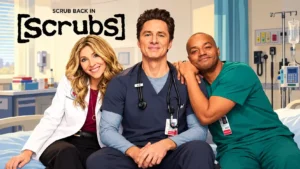
Choose Scrubs, Season 1 for tonal consistency and guest appearances.
Scores are out of 5. Missing scores mean missing review evidence, not a missing feature.
Tighter cutting might have rescued sluggish sketches that continue long after the first punchline.
The episode-five flashback turns original footage into J.D.’s personal memory. Its cutting creates grief and intimacy rather than relying only on audience nostalgia.
The opener contains a notable presidential introduction, but its lengthy, repetitive gags leave some critics unimpressed.
The premiere quickly restores the old friendships and gives Turk an affecting burnout scene. Its mechanics are less universally convincing, with criticism of rushed introductions and contrived reasons for J.D.’s return.
A small set of gags repeated across episodes leads to growing fatigue, especially among less forgiving viewers.
The season needs a little time to settle. Later comedy and emotional scenes land more confidently than the earliest material with the new cast.
Tonal consistency receives qualified attention, with different reactions to how it works within the historical sketch format.
The revived blend of goofy comedy and heartfelt medical drama is a major attraction. Early serious scenes and interruptions correcting the jokes can make that balance less smooth.
Larry remains recognizably petty and argumentative in every century; that constancy is a delight to some and a tiresome limitation to others.
The more positive assessments see older characters who retain their quirks while carrying years of experience. J.D.’s mature leadership is most convincing when it builds on his earlier growth.
The unofficial continuation of the Curb persona pleases some longtime fans but feels like self-recycling to critics wanting a fresh direction.
Familiar character beats and callbacks often make Sacred Heart feel welcoming again. The most effective nostalgia carries emotion, while weaker moments substitute recognition for a payoff.
Sharp improvisational exchanges and a few clever setups compete with thin gags, repeated routines and sketches that struggle to develop.
Clever character writing captures J.D.’s familiar voice while giving his older self new questions of purpose. The strongest praise sees scripts that match the earlier show’s appeal.
Improvised exchanges sometimes sparkle, but nagging complaints can get reiterated without adding a fresh comic turn.
Sharp line readings and snappy exchanges help the best supporting characters stand out. Not all the dialogue reaches that standard: the interns can receive corny or overly explanatory lines.
The foul language is significant enough that one appraisal explicitly rules out younger audiences.
One British intern’s outburst at an insurer is criticized as unconvincing within his storyline. The objection concerns how the insult lands in context.
One critic doubts that seven episodes can sustain the limited comic premise without extensive padding.
The short season leaves limited time to develop the ensemble or stay with familiar characters. Even a strong midseason episode works within what feels like a truncated run.
Short setups lack the layered, converging stories that made Curb memorable, although a handful of vignettes find unexpected ideas.
The strongest stories explore mentorship, burnout and the complications of returning to old relationships at midlife. Thin intern arcs and contrived setup choices keep the continuation from feeling equally convincing throughout.
A familiar stream of petty grievances produces genuine laughs in standout sketches, but plenty of critics find the punchlines predictable or simply unfunny.
The central cast still delivers enjoyable absurdity, physical comedy and sharp put-downs. Recycled generational jokes, AI bits and interruptions explaining what is acceptable divide reactions.
Several sketches linger after their central gag has landed, and drawn-out scenes or transitions sap the comic momentum.
The quick reintroduction and brisk narration please some viewers, while others find the opening sloppy or the dialogue slow. The finale’s new intern romance can feel especially sudden.
Self-contained historical sketches permit a range of eras, but repeating the same Larry-versus-everyone scenario can flatten entire episodes.
The efficient opening setup works for some, but individual jokes can misfire through awkward construction. Packing life lessons and comic business into the same short episode sometimes feels crowded.
Satire about race and gender generates different reactions, including concerns that certain jokes pull their punches or punch down.
Racial stereotypes and the British intern’s accent-based misunderstandings draw criticism. These jokes can make the modernization feel less thoughtful than the stronger medical stories.
The visual effects help create plausible historical backdrops and are treated as part of the polished presentation.
One early assessment finds the upgraded effects and camera presentation a clear technical improvement while the show retains its familiar identity.
The old improvisational rhythms, particularly with J.B. Smoove, are responsible for some of the liveliest exchanges.
J.D. and Turk’s rapport is the revival’s most dependable strength, with the original ensemble quickly finding its rhythm. The interns’ chemistry takes longer to register.
Transporting Larry David into famous events is a playful hook, yet the recycling of familiar bits makes the premise feel old quickly.
The familiar formula is comforting but rarely ambitious. Episode five’s altered romantic perspective offers a fresher idea, while detractors see recycled arcs and a safe return to old habits.
Half-hour installments can hold multiple different periods, although one critic argues the sketches could be edited into far less time.
The half-hour format can crowd lessons and jokes together. The brief finale also leaves a viewer wishing for a longer sendoff.
The final episode is singled out as a reason to check back in despite the earlier formula fatigue.
The season’s closing janitor interaction provides a welcome restoration of an old rivalry. Its romantic turns are less satisfying when they arrive without enough buildup.
The comedy ensemble is a major attraction, with a wealth of recognizable guest stars, even when the material underserves them.
Lisa Gilroy’s committed guest turn is singled out as inspired casting. Dr. Cox also remains an especially convincing fit between character and performer.
An irreverent appraisal of America’s strengths and flaws sometimes offers perspective beyond the running joke.
Responsibility, aging, burnout and inaccessible healthcare give the reunion more substance than callbacks alone. Some find the lessons too thin or sugary, or the medical commentary lacking bite.
Historical satire occasionally opens a pointed window onto current politics, but some critics call its contemporary attacks blunt or overly cautious.
Updating the workplace for contemporary norms produces both welcome restraint and divisive comic caveats. Social-media stereotypes and jokes interrupted by HR are the most frequent sticking points.
A few sequences take genuinely unexpected turns, though critics also complain that many other sketches are easy to predict.
Lily’s reversal of the expected dating roles earns its laugh through a clever change of expectations rather than shock alone.
Elaborate, convincing period costumes help sell the absurdity of seeing familiar comedy faces in important historical situations.
J.D.’s look seems uncertain to one viewer, who questions whether the hoodie gives him a convincing wardrobe identity.
Historical sets and locations look surprisingly polished; even some negative assessments concede the considerable work in the period recreations.
Sacred Heart’s appearance divides opinion: one view appreciates its crowded, dingy authenticity, while others see flimsy sets or too little hospital life.
Reactions range from delighted chuckling to disappointment; the strongest material cannot persuade everyone that the full season is worthwhile.
For many, the return is satisfying comfort viewing with enough warmth and laughs to overcome its imperfections. The strongest dissent sees a dated reunion whose pleasures depend too heavily on nostalgia.
For fans, Larry’s reliably prickly personality carries even weaker segments, though that familiarity will not win everyone over.
The familiar cast still provides warm company, while several interns gradually become more engaging. J.D.’s neediness and the newcomers’ initially generic personalities can test patience.
Recognizable former collaborators and new guests bring anticipation and occasional sparks; several critics wish the cameos had better jokes.
Returning faces bring warmth, and Lisa Gilroy’s guest role earns particular praise. Carla, Cox and the janitor can be missed during their absences or feel underused when they appear.
Larry David occasionally shows more acting range than his expected persona, surprising at least one skeptical critic.
The returning actors generally handle physical comedy and quieter emotion with ease. A dissenting view finds the familiar performances overly exaggerated.
J.D.’s mistakes can leave his rivals looking right without the story acknowledging it. That weakens the sense that his new authority brings meaningful accountability.
Many see a purposeful return that restores the show’s warmth and corrects its earlier handoff to new leads. Others question whether familiar characters and situations justify reopening a well-loved ending.
The recurring premise becomes tiring when sketches pile up, making this a less compelling show to watch in one long sitting.
The digital extension of the rebuilt hospital exterior is welcomed as a neat way to recreate the familiar building.
The veterans’ move into leadership gives the return a worthwhile new perspective, especially around burnout and responsibility. The interns often start as one-trait types, and some viewers find J.D. insufficiently changed.
The cleaner camera presentation is welcomed, and one assessment appreciates the dingy lighting that makes Sacred Heart feel like a working hospital.
The continuation respects what happened before and lets the characters carry their history into their new roles.
Burnout, heartbreak and Dr. Cox’s vulnerability give the comedy a serious center. The strongest dramatic moments belong to the veterans, while some early intern lessons feel less earned.
The revival can still move from a laugh to a lump in the throat, with Turk’s burnout and Cox’s later illness especially affecting. Some early emotional scenes strain, particularly with the new cast.
The restored janitor feud gives the ending a satisfying familiar shape. Abrupt romantic introductions and pairings make other parts of the finale less convincing.
Keeping J.D., Turk and Elliot central often works better than handing the show to the interns. The tradeoff is limited space for Carla, Dr. Cox and a new generation that struggles to become indispensable.
Responses split over the way the hospital reins in harassment and outdated behavior. Some welcome the restraint; others find the corrections preachy or worry that workplace power imbalances go unexamined.
The fantasy cutaways, heartfelt turns and recognizable personalities largely preserve the original spirit. For skeptical viewers, that faithfulness feels closer to repetition than renewal.
The historical subjects do not make the show child-friendly: explicit language limits its suitability for younger viewers.
J.D.’s inner voice still helps the comedy move and gives the older characters a reflective perspective. Its explicit lessons can feel thin, and the renewed focus on him frustrates viewers who want broader growth.
The hospital comedy retains its offbeat identity and its interest in doctors’ personal lives. Its appeal comes from human connection as much as medical cases.
The idea of dropping a modern curmudgeon into foundational American moments sounds amusing, but critics disagree about how much mileage it has.
Historical preservation receives qualified attention, with different reactions to how it works within the historical sketch format.
Period hair, wigs and makeup contribute convincingly to the historical recreations and support the visual jokes.
Carla’s menopause storyline delivers genuine emotion and gives her a meaningful late-season moment, despite her limited overall screen time.
Believable costumes and visual environments anchor the absurd stories in distinct periods of American life.
Several skeptical assessments find the return-to-hospital setup and changed relationships poorly explained. Enjoyment of the emotional material does not always resolve those narrative questions.
The AI-chatbot running joke can feel more like an advertisement than a timely comic observation.
The more grounded character stories and healthcare pressures make the hospital feel relevant to present-day medicine. Implausible setup choices and an awkward British-intern incident undermine that realism for some.
Enthusiastic viewers want to keep following the characters and see another season. Their interest is driven by restored friendships and the promise of further growth.
J.D. and Elliot’s changed relationship can offer careful, moving midlife storytelling, though revisiting the breakup frustrates some fans. The intern romances receive less consistent enthusiasm and can feel abrupt.
Expanding the familiar persona across centuries supplies an appealingly larger playground, without necessarily changing Larry’s behavior.
The J.D.–Elliot arc treats lingering hurt with care and leaves room for recovery rather than forcing an immediate resolution.
The early season struggles to replace the bite of the janitor and Dr. Cox in J.D.’s life. His new professional rival only partly fills that gap.
Longtime fans are the clearest audience for the familiar rhythms and friendships. Opinions differ on whether newcomers will connect without the original run’s emotional history.
The supplied reception roundups describe predominantly favorable critical responses. They also retain sharp objections to the season’s datedness and reliance on familiar material.
The history is mainly a comic backdrop; critics who expect substantive instruction instead find superficial treatment of events.
The returning leads generally slip into their roles naturally, with Faison’s burnout scene and Chalke’s quieter emotional work standing out. A minority finds the familiar mannerisms caricatured or less charming with age.
The trailer’s callbacks do not convince one prospective viewer that there is a compelling new story. The familiar imagery creates recognition more readily than a reason to return.
Familiar music and thoughtful closing songs reinforce the revival’s emotional identity. Nostalgic needle drops work best when they also build on the episode’s themes.
Vanessa Bayer and Joel Kim Booster often bring welcome comic energy, though reactions to Sibby vary sharply. The younger cast has promising standouts but receives uneven material and limited room to develop.
A cleaner, less flat presentation pleases some viewers. Others find the revival uglier or notice how the higher resolution exposes the hospital sets.
Updated details and mentorship relationships help the hospital feel like a continuing world. The stronger integrations keep new stories connected to Sacred Heart’s established rhythms.

Best for sharp adult humor, magnetic chemistry and a deeply satisfying farewell. Skip it if familiar will-they-won’t-they plotting or deliberately messy leads are dealbreakers.
Pros: humor, writing quality

Choose Widow’s Bay for its dark laughs, richly haunted island and memorable ensemble. Skip it if you need straightforward scares, rapid answers to every mystery or a completely resolved finale.
Pros: humor, genre satisfaction
Cons: ending satisfaction, season pacing

Choose Season 15 for warm, character-driven comedy, meaningful growth, and a finale that rewards longtime fans. Skip it if the short binge format, uneven replacement voices, or occasional clumsy commentary...
Pros: franchise connection, character development

Best for sharply acted, compassionate, high-pressure hospital drama. Skip it if graphic procedures unsettle you or you need a neatly resolved season finale.
Pros: character development, acting performance
Cons: character consistency, dialogue quality