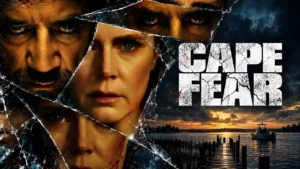
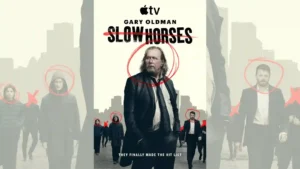
Cape Fear, Season 1
Where It Has the Edge
No clear scored advantage over the other product.

Scorata scores summarize analyzed review evidence on a 1–5 scale; they are not laboratory measurements or a simple average of customer star ratings. Feature scores summarize the reviews covering that feature. The overall score averages feature scores within each review, then combines review averages. When both expert and customer evidence are available, those two groups receive equal weight. Products can have different review coverage, so small score gaps do not establish a winner.
Recommendations prioritize important features for the category, with a score of at least 3.5, a gap of at least 0.25 points and at least two supporting reviews per product. Features with widely varying scores or broad connectivity contexts are excluded from recommendations. These safeguards do not establish statistical significance.
Quick verdict
The available evidence supports the recommendation below, but does not establish an overall winner. Check the remaining features against your priorities.
There is not enough comparable review evidence to recommend Cape Fear, Season 1 over the other product.
Choose Slow Horses, Season 6 for season pacing and episode structure.
No clear scored advantage over the other product.
Scores are out of 5. Missing scores mean missing review evidence, not a missing feature.
Some plot turns rely on implausibly accommodating behavior around Max. Critics question why the family keeps exposing itself to him despite repeated threats.
The established personalities still feel sharply defined, from River’s impulsiveness to Lamb’s abrasive competence and Roddy’s ego. Reviewers praised how well the cast understands those ingrained flaws and rhythms.
The expanded ten-episode format is the central divide: some welcome the extra character detail, but many think the revenge story is stretched far beyond its ideal length.
Six episodes continue to feel like a sweet spot for this series. Critics praised the format for avoiding filler, preserving urgency, and still leaving room for plot and character beats.
The threat often gains momentum once Max takes control, but early detours, repeated standoffs, and additional subplots can drain suspense.
Most full-season reviews found Season 6 exceptionally propulsive, particularly from the second episode onward. The biggest tradeoff is that the speed can crowd out quieter emotional scenes or make the middle harder to follow.
Cliffhangers and evolving threats help the episodic form, but drug trips and extended transitional chapters can interrupt the central revenge plot.
The premiere earns praise for efficiently setting up several threats and emotional threads at once. Reviewers also noted that the show can juggle disparate material with surprising smoothness.
Ambitious moral twists and clever menace compete with clunky exposition, artificial decisions, and stretched-out side plots.
The scripts retain the series’ signature sarcasm, wit, and efficient plotting even after the lead-writer change. Reviewers who focused on the writing found the handover impressively smooth.
The violence includes savage shocks and grisly injury; some appreciate its vicious edge, while others find the gore gratuitous and hard to stomach.
Season 6 is repeatedly described as the show’s bloodiest and most brutal run, yet positive reviewers felt the violence serves suspense and consequence rather than empty shock value.
There are sharp confrontations and effective threats, but some dialogue is heavy-handed, overly expository, or distractingly glib.
The quick, acerbic dialogue remains a standout, with razor-sharp exchanges and dry wit surviving the season’s darker turn. Reviewers especially praised how the banter keeps tension from becoming monotonous.
Its mixture of prestige thriller, garish pulp, and melodrama can be strangely enjoyable, but not every critic thinks those styles fit together.
Most critics thought the show still balances brutality, grief, sarcasm, and absurd comedy remarkably well under the new showrunner. A few dissenters felt the humor had dulled, but the broader tonal identity remains intact.
Some appreciate the intricate web of family secrets, but others struggle with contrivances and implausible shifts in behavior.
The central hunt is easy enough to follow, but combining two novels creates moments where several storylines compete for attention. Some reviewers found the middle stretch harder to track even though the season ultimately pulls the strands together.
Family secrets and threatened children can lend the horror emotional weight, but others find the family too unsympathetic to care deeply about its fate.
Grief, loss, and old relationships give Season 6 more emotional weight than a typical chase-driven thriller. Several reviewers found the deaths and River’s vulnerability genuinely affecting, though one felt the relentless pace left too little room for intimacy.
For viewers who enjoy lurid neo-noir and morally messy horror, the sleaze is part of the appeal. Others find it too silly or overstuffed to count as great suspense.
The season continues to stand out as a distinctive spy thriller by mixing bureaucratic drudgery, messy fieldwork, dark comedy, and grounded danger. Reviewers repeatedly framed that blend as something rival shows do not quite match.
The premiere hooks many viewers, but some later installments linger on side stories rather than advancing the threat. Momentum varies considerably.
Most reviewers thought individual episodes moved briskly and efficiently, especially once the season gets going. One premiere review found the opening chapter slower and more cumbersome than usual.
The added history gives Max and the family more complex motives, but not everyone finds this convincing. Some backstories are judged shallow or needlessly explanatory.
Returning characters are pushed into new emotional and professional territory, with River’s grief and old relationships receiving particular attention. Reviewers generally welcomed the way the season develops familiar people without rewriting who they are.
The series has inventive camera movements and forceful staging that heighten dread, though a few critics find the stylistic flourishes overworked.
Adam Randall’s direction was repeatedly credited with making the season feel more cinematic, darker, and more intense. His handling of action and visual atmosphere drew especially strong praise.
The story offers frequent shocks and reversals, many of which land as delicious pulp. Critics who find the plotting excessive or predictable are less impressed.
Twists, returns, deaths, and reversals are among the season’s most consistently praised pleasures. Several critics described the run as unusually unpredictable and packed with major turns.
The story spreads menace across the whole family and gives the young actors meaningful turns. Some praise that scope; others prefer more time with the compelling leads.
Several critics liked how Season 6 spreads plot and development around the ensemble, but others felt the large cast and returning favorites sometimes squeeze regular characters out of focus.
Recognizable characters, imagery, and musical callbacks maintain a connection to the older adaptations. The new plot also takes enough liberties to divide purists.
Although Season 6 combines and alters material from two Mick Herron novels, critics generally felt it preserves what makes the books and series distinctive. The adaptation changes were usually seen as thoughtful rather than damaging.
Max’s uncertain intentions and quiet intrusion generate unusually strong dread and several effective shocks. Excessive explanation and length diminish the effect for some.
The assassins, constant pursuit, and uncertainty over who will survive create sustained tension across the season. Reviewers frequently described the run as gripping, anxiety-inducing, and hard to look away from.
The moral framing and digital threats give the adaptation distinct ideas, while familiar visual homages and repeated beats leave some questioning its independent identity.
Opinions split sharply on freshness. Many critics loved the unpredictability and personal stakes, while dissenters thought the show was recycling familiar faces, chase mechanics, and a formula that has become predictable.
Southern accents draw repeat complaints for wavering or disappearing, particularly from the lead lawyers. The inconsistent delivery can break the Savannah illusion.
Hugo Weaving’s American accent drew one of the sharpest individual complaints, with one reviewer calling it the worst they had heard from an Australian actor.
Bardem’s Max Cady is charismatic, volatile, and frighteningly persuasive, with enough ambiguity to sustain the longer story. A handful find him too theatrical or too humanized to retain the old menace.
Kyle Soller and MyAnna Buring’s assassins were widely praised as cold, menacing threats, and Hugo Weaving’s Frank remains formidable. One negative review argued that the killers are underwritten and occasionally made implausibly incompetent.
The series reuses classic motifs, music, and recognizable set pieces while adding fresh angles to the family’s predicament. Longtime fans have plenty of references to spot.
Season 6 pays off long-running threads, revives earlier characters, and pushes the larger series story forward. That stronger reliance on prior seasons rewards established viewers more than newcomers.
The depiction of true-crime attention treats public fascination with Max as both another danger to the family and a commentary on exploitation.
The pressure created by a hostile media figure and Taverner’s public exposure fits naturally into the season’s political machinery. One reviewer specifically praised that political-media dimension for feeling tangible.
The thriller asks for considerable suspension of disbelief, especially when the Bowdens make baffling choices. A minority think the mounting complications stay just inside plausibility.
The season often earns praise for making violence feel painful, messy, and grounded, but one critic objected to assassins becoming implausibly ineffective when the plot needed the heroes to survive.
The married lawyers’ secrets and Max’s revenge create an irresistible premise for some, but others see the sprawling narrative as a strained expansion of a tighter story.
The broad consensus is that Season 6 tells a strong, often excellent story with personal stakes and relentless danger. More skeptical critics found the core chase repetitive or the underlying mystery merely solid rather than exceptional.
The strongest exchanges are between Anna and Max, while Anna and Tom’s damaged marriage brings tension of its own. The lead pairings can make the family conflict feel lived-in.
Returning pairings—especially Jack Lowden with Olivia Cooke—were a major highlight, while new character combinations also brought fresh energy. The ensemble’s ability to bounce between bickering, affection, and danger remains a core strength.
Max’s darkly comic flair briefly lightens the otherwise vicious confrontations, even if laughing at him is never entirely comfortable.
The caustic workplace comedy and Lamb’s insults still land for most critics, even against a much bleaker story. A few reviewers felt the one-liners were less sharp than in earlier seasons, so the comedy is not universally seen as peak form.
Guilt, privilege, parental anxiety, public shame, and moral compromise give the remake more to discuss than simple revenge. Some find that range inspired; others see excess.
The season uses grief, disposability, loyalty, and institutional neglect to deepen its spy-story mechanics. River’s mourning and the fate of discarded agents give the thriller more emotional and thematic weight.
Deep shadows, rich color, looming Savannah scenery, and striking black-and-white passages make the series feel unusually cinematic. The photography is a recurring highlight.
The season’s imagery drew strong praise, from its rain-soaked London atmosphere to more cinematic framing and a cold blue-green palette. Reviewers saw the visuals as a meaningful part of the darker mood.
The twists and rising dread make some viewers eager to play another episode; others find the experience tiring before the season ends.
At least one reviewer watched all six episodes in a single sitting, matching the broader sense that the compact, propulsive season is easy to tear through quickly.
Each episode’s twists and cliffhangers give the revenge story a reliable hook to carry into the next installment.
Most critics found the twists and cliffhangers extremely effective at keeping momentum high and setting up Season 7. A minority disliked the final cliffhanger as a send-off even while acknowledging its impact.
The roughly fifty-minute installments are considered tightly packed by an enthusiastic critic, helping the complex storyline move quickly.
The roughly 45-minute episodes were praised for feeling lean and fast without seeming starved of story. The runtime helps the season keep pressure on the plot while avoiding obvious filler.
The story connects family anxiety with misogyny, public image, and the ways violent attitudes can influence young men without becoming a long lecture.
Defense spending, institutional compromise, media influence, and financial irregularities give the spy plot a recognizable contemporary edge. Critics who highlighted this material found it persuasive rather than decorative.
Max fascinates even when he is loathsome, but the Bowdens are often frustrating or difficult to sympathize with. The teenage characters are especially divisive.
The Slow Horses remain a collection of abrasive, damaged misfits that viewers have nevertheless grown deeply attached to. That affection makes the season’s danger and deaths hit harder.
Its mixture of mystery and horror looks designed for viewers who enjoy ongoing streaming suspense, although the extra length may test patience.
Longtime devotees are still well served by the familiar rhythms, callbacks, and returning faces, though one critic warned that viewers less invested in the formula may crave something fresher.
Saturated color, deep shadows, inverted images, and neo-noir flourishes are often striking. Repeated filters and aggressive homage can become distracting.
Rain, muted gray-blue tones, wide surveillance-like compositions, and everyday locations give the season a colder, more cinematic look. Reviewers generally felt the visual shift suited the darker story.
The elegant but half-renovated Savannah home provides an unsettling backdrop, with Southern greenery and interiors visually reinforcing the family’s unease.
The shabby, ordinary environments remain part of the show’s charm, and the premiere’s shipping-container setting received specific praise for its sad, lived-in detail.
Even viewers who find the plotting absurd often acknowledge the show is pulpy fun. The strongest detractors find its repeated detours exhausting rather than exciting.
Even reviews focused only on the premiere generally found it a strong, enjoyable return. Full-season critics repeatedly described the run as compelling, riveting, and easy to stay engaged with.
The young actors and seasoned supporting players often enliven the family drama, even though not everyone gets enough material.
New and returning supporting players were widely praised, with several reviewers saying the additions strengthen the ensemble. Harry Lloyd, Lenny Rush, Kyle Soller, MyAnna Buring, and others drew especially positive notices.
Bardem dominates, but Adams and Wilson usually give the unraveling marriage convincing intensity. Several critics think their talent exceeds the scripts.
Gary Oldman and Jack Lowden remain major anchors, with reviewers praising Oldman’s lived-in comic menace and Lowden’s more vulnerable, physically demanding work. Both are repeatedly described as delivering some of their strongest material.
The performances are the most reliable strength, especially Bardem’s shifting charm and threat. Some find the other leads underused or the acting too broad for the material.
Most critics thought the ensemble was operating at a very high level, with several calling the cast’s work among the strongest the series has delivered. Even more mixed season reviews still tended to praise the performances.
The season’s recurring focus on who accepts blame, who ducks it, and how institutions pass responsibility upward remains a satisfying part of the show’s cynical workplace machinery.
The chase scenes, fights, and later set pieces were repeatedly described as inventive, breathless, and unusually cinematic. Several reviewers felt Season 6 pushed the action to a new high without losing the show’s grubby identity.
Some find a fresh reason to revisit this familiar revenge story through richer moral questions. Others call ten episodes a needless expansion of material that worked better as a film.
Anna’s struggle with alcohol adds vulnerability and complexity to her outwardly secure life.
Humid Southern Gothic settings, foreboding imagery, and creeping paranoia create a sustained feeling of danger. Even critics of the plot concede that its mood can be oppressive.
Bardem is widely seen as an inspired Max Cady, and several critics admire the ensemble as a whole. Dissent concentrates more on characterization than the performers chosen.
Season 6 leans heavily on the show’s history, bringing back old characters and unresolved consequences while preserving the established tone through a leadership change. Reviewers often saw that continuity as a strength.
The season’s drama was widely praised for feeling tense, consequential, and emotionally charged. River’s grief and the threat against Slough House give the espionage plot a more personal edge.
The final cliffhanger is divisive: some reviewers found it breathless and brilliantly effective, while another called it a cheap send-off. Its ability to create urgency for Season 7 is not in doubt.
A critical view of true-crime voyeurism challenges the exploitation of real suffering without letting the story turn into a lecture.
Repeated hints, visual symbols, and overt explanations can make important reveals feel over-signaled. A few critics feel the dialogue assumes too little of viewers.
Catfishing, online celebrity, artificial intelligence, and digital harassment make the stalking plot feel contemporary. Critics differ on whether those additions deepen the story or just pad it.
The layered secrets sustain interest, but lingering explanations of Max’s past risk making the frightening unknown feel too ordinary.
The opener establishes paranoia, glossy menace, and a striking new Max Cady quickly, leaving viewers with mysteries worth following.
One reviewer found the recurring Sony game placement noticeable enough to become distracting rather than invisible background detail.
Giving Anna a professional and personal connection to Max places her at the center of the struggle. Some critics still feel the writing leaves her reacting rather than acting.
Reviewers repeatedly celebrated the show’s unusually reliable yearly cadence. The fast turnaround is seen as a major advantage because the story and characters stay fresh in viewers’ minds.
Enthusiasm for more Slow Horses remains extremely high among positive reviewers, with some openly hoping the series continues for many more seasons.
The ominous orchestral score enhances dread and recalls the classic films. A few viewers find it overused or too insistent.
The closing stretch drew some of the strongest praise of the season, with multiple critics calling the penultimate episode and finale gripping, brutal, and among the show’s best set pieces.
The children have substantial arcs and can make the threat more personal. Several critics, however, find their detours thin, repetitive, or less engaging than the conflict with Max.
The teenage plots and disturbing situations can make the material uncomfortable even for viewers comfortable with dark crime drama.
Early critical reaction was overwhelmingly positive, with roundup coverage describing Season 6 as one of the series’ strongest outings and highlighting its pace, writing, and performances.
Making Anna a lawyer directly entangled in Max’s conviction gives the central conflict a stronger female perspective and a more complicated marital dynamic.
The dense plotting and brisk pace encouraged repeat viewing for some critics, including one who immediately watched the whole season again. Another called it the easiest season to rewatch so far.
Intrusive noises and alarms help make the home feel unsafe, although one commentator finds the technical emphasis distracting from the scene itself.
The season continues to expand the grimy MI5 ecosystem while keeping its institutional rules, rivalries, and history central to the plot. One review specifically praised the sharp world-building behind the character arcs.
The revived original theme gives the thriller an immediate link to its cinematic predecessors and bolsters the mood.

Best for sharp adult humor, magnetic chemistry and a deeply satisfying farewell. Skip it if familiar will-they-won’t-they plotting or deliberately messy leads are dealbreakers.
Pros: humor, writing quality

Choose Widow’s Bay for its dark laughs, richly haunted island and memorable ensemble. Skip it if you need straightforward scares, rapid answers to every mystery or a completely resolved finale.
Pros: humor, genre satisfaction
Cons: ending satisfaction, season pacing

Choose Season 15 for warm, character-driven comedy, meaningful growth, and a finale that rewards longtime fans. Skip it if the short binge format, uneven replacement voices, or occasional clumsy commentary...
Pros: franchise connection, character development

Best for sharply acted, compassionate, high-pressure hospital drama. Skip it if graphic procedures unsettle you or you need a neatly resolved season finale.
Pros: character development, acting performance
Cons: character consistency, dialogue quality