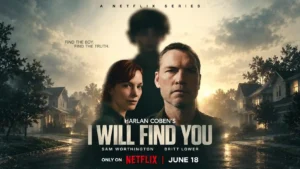
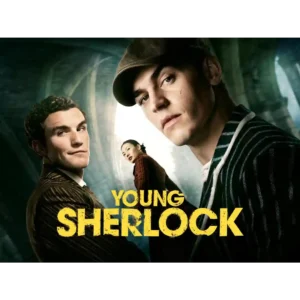
I Will Find You
Where It Has the Edge
No clear scored advantage over the other product.

Scorata scores summarize analyzed review evidence on a 1–5 scale; they are not laboratory measurements or a simple average of customer star ratings. Feature scores summarize the reviews covering that feature. The overall score averages feature scores within each review, then combines review averages. When both expert and customer evidence are available, those two groups receive equal weight. Products can have different review coverage, so small score gaps do not establish a winner.
Recommendations prioritize important features for the category, with a score of at least 3.5, a gap of at least 0.25 points and at least two supporting reviews per product. Features with widely varying scores or broad connectivity contexts are excluded from recommendations. These safeguards do not establish statistical significance.
Quick verdict
The available evidence supports the recommendation below, but does not establish an overall winner. Check the remaining features against your priorities.
There is not enough comparable review evidence to recommend I Will Find You over the other product.
Choose Young Sherlock, Season 1 for cliffhanger effectiveness.
No clear scored advantage over the other product.
Scores are out of 5. Missing scores mean missing review evidence, not a missing feature.
The disposable, twist-dependent appeal fades quickly for viewers who enjoyed the ride once but doubt they will remember or revisit it.
One devoted Holmes reviewer was already rewatching early episodes and expected to restart the season immediately after finishing.
Even detractors concede that the absurd mystery can be watchable; enthusiasm depends on whether fast, silly escapism feels fun or tiresome.
The dominant verdict is that the series is lively, fun, and highly watchable even when its logic, fidelity, or depth falls short.
A brutal child-death premise and frequent coarse language limit the appeal for shared family viewing.
Reviewers describe the series as comparatively clean and suitable for a broad family audience, with restrained violence and mild suggestive material.
Explicit profanity and misuse of religious language are called out as potentially objectionable, despite restrained onscreen gore.
One family-focused review found only a modest amount of language, keeping the show comfortably within a TV-14 range.
Parallel investigations and repeated recaps pad the story instead of always producing distinct progress.
Several reviewers like how individual episodes build their own hooks while feeding the larger mystery, though others dislike the season-long case swallowing episodic detective storytelling.
The missing-child premise can be deeply upsetting and urgent, yet some viewers find the father-son emotion buried beneath convoluted plotting.
The Holmes family tragedy and the doomed Sherlock-Moriarty friendship provide unusually strong emotional stakes for such a pulpy adventure.
Blunt explanation and leaden jokes often replace natural conversation, making the script sound more functional than authentic.
The rapid banter and one-liners are often called sharp, witty, and fun, though detractors find the quipping forced, anachronistic, or exhausting.
The show draws praise for polished execution from its directors but also criticism for uninspired performances and surface-level drama.
Guy Ritchie’s kinetic approach is widely praised for giving the show energy and visual identity, even as a minority finds the imitation of his style overbearing or stale.
The wrongfully accused fugitive setup and familiar Coben formulas invite comparisons to earlier thrillers; the show rarely breaks new ground.
Turning Moriarty into Sherlock’s friend and reshaping his family history gives the familiar character a fresh angle, even if some reviewers see the broader prequel formula as derivative.
The final hour is criticized for piling on revelations and sacrificing emotional resolution despite the initially gripping setup.
The last episode offers big revelations and spectacle but is polarizing because some reviewers find the payoff earned while others call it rushed and overloaded.
Constant reversals are addictive for some and exhausting for others, with implausible coincidences and predictable suspects recurring complaints.
Twists are a major attraction, frequently described as bold, surprising, riveting, and effective enough to propel the binge.
Some praise individual antagonist performances, while others find the villain’s reasoning or the use of supporting baddies unconvincing.
Moriarty’s reinvention is widely praised as fresh and compelling, but his late movement toward villainy can feel rushed and inconsistent to some reviewers.
This is the most persistent complaint: easy escapes, improbable coincidences, and wildly convenient connections stretch believability.
The deliberately heightened adventure asks viewers to suspend disbelief; some enjoy the scrappy fight authenticity, while others find deductions and conspiracy turns implausible.
The narrative leans on repeated explanations, stock dialogue, and coincidences; the sharpest criticism targets how little the script develops its people.
Writing reactions are divided: some praise the tightly threaded mystery and character work, while harsher critics call the subplots weak and the dialogue/material poorly written.
Some praise distinct motives and believable growth, while many see stock roles, neglected supporting agents, and underwritten motivations.
The family history and Moriarty friendship give several characters meaningful arcs, but some critics feel the breakneck conspiracy leaves too little room for reflection or earned growth.
Cliffhangers keep the next episode tempting, but red-herring reveals sometimes feel more manipulative than rewarding.
The season’s cliffhangers land strongly, with reviewers describing them as effective hooks that immediately create appetite for another episode or season.
Some see a brisk, no-dawdling thriller; others object that stretches of repeated information drag despite the short episodes.
Episodes usually move quickly and keep viewers engaged, but the middle stretch and finale draw complaints for either dragging or cramming too much into too little time.
The central premise retains the novel’s hooks, though the screen version withholds some answers longer to build its mystery.
The show takes major liberties with Conan Doyle and Andrew Lane, which some viewers embrace as a fresh remix and purists or critics see as barely recognizable Holmes.
Fans of pulpy crime mysteries can get the familiar twists and chases they want; those expecting disciplined thriller writing are less satisfied.
As a mystery-adventure caper, the show is widely enjoyed for its blend of crime, action, humor, suspense, and globe-trotting escapades.
The rescue premise has a compelling hook, but opinions divide over a sprawling conspiracy that becomes either delightful pulp or frustrating nonsense.
The central mystery and family conspiracy are compelling enough to sustain the adventure, though some critics find the story overcomplicated, disjointed, or weaker than its presentation.
One-more-episode momentum is a consistent strength, even among viewers who acknowledge the twists grow preposterous.
The propulsive mystery makes the season easy to binge for some viewers, while others found the all-at-once experience exhausting or padded enough to benefit from breaks.
Boston accents are an uneven part of the illusion, with Worthington and several supporting actors drawing criticism for sounding nonlocal.
One critic found the exaggerated Victorian accents part of the show’s broad, stereotyped period caricature rather than convincing texture.
Details introduced early, including David’s night terrors and professional history, receive little meaningful follow-through.
Sherlock’s characterization can wobble, and one review specifically found his behavior inconsistent across the season.
Parental love, loyalty, and duty give the thriller emotional stakes, but many find these ideas underdeveloped or submerged beneath twists.
The best thematic material comes from grief, family, loyalty, class differences, morality, and the diverging values that will eventually separate Holmes and Moriarty.
The premise of a child being beaten to death is profoundly disturbing, although one content-focused assessment praises avoiding excessive graphic depiction.
Violence is frequent but generally restrained rather than graphic, which one family-focused critic considers appropriate for the TV-14 range.
A few enjoy the final reveal, but others find its logic strained, its emotional closure thin, or the culprit too obvious.
The finale delivers major payoffs, revelations, and appetite for more, but reactions are mixed because some twists feel rushed or overstuffed.
The first episode establishes a compelling rescue mission and sometimes a clean setup, though some find its early twists immediately unbelievable.
The opening episode is repeatedly praised as a strong, stylish, fast-moving introduction that balances character setup with an engaging case.
The manhunt and central mystery create early urgency and steady momentum, even when logical holes weaken the tension.
The conspiracy, recurring mysteries, and steady curveballs keep tension high, although the lighter tone occasionally softens the urgency.
Eight episodes are binge-friendly, but several critics think the material has been stretched beyond its natural length.
Several critics think eight episodes overextend the material and argue a six-episode season or even a film could have preserved momentum better.
Intentional banter, especially between the FBI partners, provides relief; unintentional absurdity also earns laughs.
The banter, quips, campiness, and comic performances land very well for most reviewers, though a few find the jokes effortful or overly constant.
The jailbreak, pursuits, shootouts, and chases add welcome urgency, although several set pieces depend on improbable escapes.
The fights and chases are energetic and frequent, but reactions split: some call them inventive and top-notch, while others find them forgettable, overused, or unable to generate excitement.
Several reviewers appreciate straightforward scenes and an accessible central goal, but the growing network of conspiracies can become overstuffed.
The widening conspiracy often becomes difficult to follow, with critics citing logical leaps, too many subplots, and revelations that can overwhelm rather than clarify.
The strongest exchanges often belong to the two FBI agents, whose bickering partnership supplies levity and rapport; the central relationships work less consistently.
Sherlock and Moriarty’s chemistry is one of the clearest strengths, with their banter, camaraderie, and doomed-friendship dynamic repeatedly singled out as the show’s best element.
One enthusiastic response praises convincing action and a visually compelling crime-mystery presentation.
The visual photography is consistently praised as polished, immersive, carefully curated, and cinematic.
Many praise the relentless chase; others notice repetitive middle episodes and convoluted detours slowing the central search.
The season’s overall rhythm is its biggest structural weakness: a fast opening and ending can surround a dull middle, while nonstop revelations leave little breathing room.
Shorter second-half installments feel oddly thin given how many characters and plot strands need room to develop.
One critic argues the overall running time feels bloated, suggesting the story could have worked better in a much shorter format.
The child-murder premise and adult profanity make this a difficult fit for younger audiences.
The series is generally viewed as accessible to teens and adults, with a comparatively clean TV-14 level and broad family appeal.
The determined father and resourceful reporter attract some sympathy, but critics who find them thinly written struggle to care.
This younger Sherlock is often described as boyish, accessible, and easy to like, while Moriarty’s charm also wins over many reviewers.
Assessments are divided, from enthusiastic endorsements to complaints that the plot is clichéd and implausible.
One reviewer thought the show’s Metacritic score understated its quality, placing it closer to a solidly positive reception.
The directors give the series adequate surface polish, but the drab visual presentation disappoints viewers seeking a more cinematic look.
Period Oxford, elaborate sets, props, and international locations are consistently praised as detailed, high-budget, and immersive.
Production polish is offset by complaints that the visuals look dull, gray, and overly generic for a high-stakes thriller.
The production is repeatedly described as stylish, polished, cinematic, and visually impressive, even by reviewers who dislike the story.
Responses split sharply: some find the acting convincing and emotionally grounded, while others call the leads stiff and the performances strained.
Performance quality is a major strength overall, with the ensemble repeatedly called superb, phenomenal, fantastic, or assured despite a few sharply negative takes on the leads.
Worthington’s stoicism and Lower’s investigative intensity work well for some, while others find one or both too flat for the stakes.
The core cast is generally strong, especially Dónal Finn, though Hero Fiennes Tiffin receives more divided reactions and Max Irons draws some notable criticism.
The FBI pair and secondary character actors often earn praise for enlivening otherwise schematic roles.
The supporting ensemble is a major asset, with Dónal Finn, Colin Firth, Natascha McElhone, Zine Tseng, and Holly Cattle receiving repeated individual praise.
The American setting and voices are a jarring change for some longtime viewers, while others are unbothered by the shift.
Most reviewers see an easy-to-recommend adventure with wide appeal, though a few question whether its youthful remix will satisfy either traditional Holmes fans or Gen Z viewers.
The recognizable ensemble is one of the most regularly praised elements, although some feel a prominent casting choice gives away the culprit.
One critic flags information gaps where characters appear to know things the established continuity has not shown them learning.
Princess Shou’an’s wardrobe is praised for avoiding lazy Orientalism, but other reviews criticize the series for thin cultural context and broad stereotypes.
Family revelations, rivalry, and intrigue give the adventure real dramatic pull, especially as the season moves into its more personal material.
Fast, rhythmic editing gives the series momentum and style, but the same hyperactive cutting can make scenes feel trailer-like or rushed.
The investigation splits among several groups, at times resembling separate shows rather than a coherent team-driven thriller.
The story’s later revelations are criticized for troubling implications that it does not adequately examine.
Investigators repeatedly restate names, clues, and previous events, an approach friendly to distracted viewing but frustrating for attentive watchers.
One reviewer especially enjoyed the playful mind-palace device, where remembered characters seem to interact with Sherlock inside his reconstruction.
The series borrows recognizable Holmes lore and Ritchie-style DNA without belonging to his Robert Downey Jr. film continuity, a separation reviewers view with both relief and disappointment.
Reviewers enjoy the family history, early mind palace, Moriarty friendship, and other origin-story additions that expand Holmes lore beyond familiar Baker Street territory.
Colin Firth’s transformation earns specific praise for its delightful makeup-and-hair disguise.
One critic objects that the series recreates imperial-era Oxford without offering enough perspective on its colonial context.
The big answer blindsides some viewers, but others spot it early or find the final explanation reliant on impossible coincidences.
David’s determination propels the chase, yet his extreme luck and thin personality can make him seem more a plot device than a resourceful hero.
The full-season drop is criticized by reviewers who think the dense plotting and constant reveals would have played better with a weekly release.
Multiple reviewers explicitly want another season, citing the open ending, strong character dynamics, and curiosity about where Sherlock and Moriarty go next.
The theme music receives unusually enthusiastic praise for amplifying the show’s energy.
The suggestive material is described as mild, contributing to the show’s relatively restrained TV-14 profile.
The show sustains a brash, playful adventure tone surprisingly well, though some reviewers think its lighter energy undercuts tension or its late escalation pushes too far.
Costumes are a standout craft element, praised for rich detail, character storytelling, texture, and visual appeal even when historical accuracy is imperfect.
Oxford, the Holmes family estate, Paris, Constantinople, and the wider Victorian setting create a rich, expansive adventure world that reviewers find immersive.
A viewer complains that consistently dark, gray photography makes the action hard to see and discourages finishing the show.
The modern, high-energy soundtrack helps sell the youthful Ritchie style for many viewers, but others find the choices dated, anachronistic, or potentially quick to age.

Best for sharp adult humor, magnetic chemistry and a deeply satisfying farewell. Skip it if familiar will-they-won’t-they plotting or deliberately messy leads are dealbreakers.
Pros: humor, writing quality

Choose Widow’s Bay for its dark laughs, richly haunted island and memorable ensemble. Skip it if you need straightforward scares, rapid answers to every mystery or a completely resolved finale.
Pros: humor, genre satisfaction
Cons: ending satisfaction, season pacing

Choose Season 15 for warm, character-driven comedy, meaningful growth, and a finale that rewards longtime fans. Skip it if the short binge format, uneven replacement voices, or occasional clumsy commentary...
Pros: franchise connection, character development

Best for sharply acted, compassionate, high-pressure hospital drama. Skip it if graphic procedures unsettle you or you need a neatly resolved season finale.
Pros: character development, acting performance
Cons: character consistency, dialogue quality