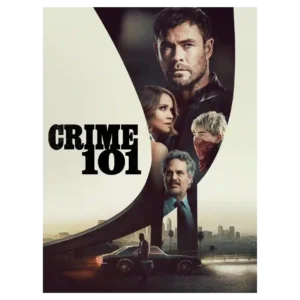
Compare Mercy vs Crime 101

Mercy
Crime 101

Quick verdict

What each product is best for

Choose Mercy for age appropriateness and message quality.

Choose Crime 101 for CGI quality and cinematography.

Comparison Takeaways

Mercy

Where It Has the Edge

  • age appropriateness is 2.0 vs 1.0. One family-focused assessment warns that the profanity and intense violence push the movie beyond what many families may...
  • message quality is 3.0 vs 2.3. The AI-and-surveillance message is highly divisive. Some viewers found the ideas timely or meaningful, but many reviewers thought...
  • language level is 1.7 vs 1.0. Profanity is a clear drawback for viewers sensitive to language. Multiple comments single out the amount of swearing...
  • family friendliness is 1.5 vs 1.0. A family-focused review cautions that profanity and intense violence make this a difficult pick for many households despite...

Crime 101

Where It Has the Edge

  • CGI quality is 5.0 vs 1.7. Digital effects are intentionally unobtrusive, with nighttime composites and touch-ups blending into the frame rather than calling attention...
  • cinematography is 4.9 vs 1.8. Los Angeles is photographed with polished night imagery, freeway geography, and a strong sense of place; the look...
  • world-building is 5.0 vs 2.2. Los Angeles is treated almost like another lead, with highways, beaches, luxury spaces, and street-level contrasts making the...
  • critic appeal is 4.5 vs 1.8. The critical reaction discussed in the videos is broadly favorable, with the film described as solid, well-crafted, and...
Average score
Mercy
3.2
Crime 101
4.0
CGI quality
Mercy
1.7

CGI is a recurring weak spot, especially in the chase material. Even reviewers who tolerated the effects tended to describe them as obvious, excessive, or below the polish expected from a theatrical sci-fi release.

Crime 101
5.0

Digital effects are intentionally unobtrusive, with nighttime composites and touch-ups blending into the frame rather than calling attention to themselves.

cinematography
Mercy
1.8

The camerawork draws mostly negative reactions, with complaints about murky images, shaky footage, and frenetic movement. The surveillance-heavy approach can feel more exhausting than cinematic.

Crime 101
4.9

Los Angeles is photographed with polished night imagery, freeway geography, and a strong sense of place; the look is one of the most consistently praised elements. Only a few critics found some night scenes too dark or derivative of Michael Mann.

world-building
Mercy
2.2

The 2029 Los Angeles setting has intriguing surveillance and crime-control ideas, but reviewers often find the world thin, inconsistent, or underexplained. Some still credit the screenlife approach with creating a surprisingly broad sense of place.

Crime 101
5.0

Los Angeles is treated almost like another lead, with highways, beaches, luxury spaces, and street-level contrasts making the city feel integral to the characters and crime story.

critic appeal
Mercy
1.8

The critical reception is described as harsh, with even a more positive reviewer noting that the film was savaged by low scores. Its straightforward thriller pleasures appear more likely to land with forgiving viewers than prestige-minded critics.

Crime 101
4.5

The critical reaction discussed in the videos is broadly favorable, with the film described as solid, well-crafted, and stronger than its modest theatrical performance suggests.

screenplay quality
Mercy
1.8

Writing is one of the clearest weaknesses across the set, with repeated complaints about formula, contrivances, exposition, and weak logic. A few reviewers still found the script entertaining enough to sustain the mystery.

Crime 101
4.3

The script gets strong marks for subtext, character motivation, intelligent dialogue, and letting viewers infer rather than overexplaining. Its weaknesses are familiar templates, too many subplots, and occasional contrivance.

dialogue quality
Mercy
1.8

Dialogue is a weak point, with complaints about corny lines, heavy exposition, and an ending line that does not land. Even milder reactions suggest the script needed sharper wording.

Crime 101
4.3

The dialogue is often praised as intelligent, efficient, and witty, especially when it lets character subtext do the work. One notably negative take found the conversations flat and unengaging.

production design
Mercy
2.5

Production design receives mixed reactions: some viewers see cheap-looking sets and presentation, while one customer found the sets very good. The stripped-down digital courtroom is more functional than lavish.

Crime 101
4.8

The polished offices, luxury spaces, hotels, and wealthy-client environments give the movie a convincing high-end sheen. The craft is repeatedly cited as part of the film’s unusually strong production value.

score quality
Mercy
2.9

The score gets mixed notices: some viewers found it effective or immersive, while others criticized the heightened music or main theme as distracting and derivative.

Crime 101
5.0

The synth-heavy Blanck Mass score is a standout, repeatedly praised for pulsing tension, melancholy, and late-night heist energy without overpowering the images.

tonal consistency
Mercy
1.6

The movie struggles to hold a consistent tone, particularly when the contained courtroom mystery turns into an outsized action spectacle. Reviewers often describe the shift as awkward, silly, or at odds with the earlier tension.

Crime 101
3.5

The restrained character drama and bursts of action mostly coexist well, but a few viewers notice character or subplot shifts that make the movie feel uneven in places.

drama quality
Mercy
3.0

One viewer liked the mystery and courtroom-drama foundation, suggesting the film is most effective before the later action overwhelms that simpler dramatic setup.

Crime 101
4.9

The character-first crime drama is often more compelling than the mechanics of the heist itself. The moral pressure on Mike, Lou, and Sharon gives the thriller more emotional weight than a simple cops-and-robbers setup.

directing quality
Mercy
3.3

Timur Bekmambetov’s screenlife experience is visible in the film’s energetic presentation, and some reviewers praise his ability to keep the format moving. Others see the same direction as haphazard, overdone, or unable to control the story’s excesses.

Crime 101
5.0

Bart Layton’s controlled direction is a major strength, particularly in the car chases, slow-burn tension, Los Angeles atmosphere, and clear staging. Even detractors generally concede the film is polished and competently made.

character development
Mercy
2.1

Character writing is often described as thin, clichéd, or emotionally underdeveloped, with Chris Raven especially difficult for some viewers to invest in. Judge Maddox is frequently seen as the most developed or interesting character.

Crime 101
3.8

The central thief, detective, and insurance broker often feel more layered than stock genre roles, and their moral crossroads are a major draw. The crowded ensemble also leaves several side characters and subplots thin or underexplored.

editing quality
Mercy
2.3

Editing is sharply split: the real-time flow and information delivery can feel tight and clear, but rapid cuts and constant screen switching become frenetic for other viewers. The strongest praise goes to the clock-driven momentum.

Crime 101
3.9

The best notices praise fluid cross-cutting, clear geography, and smooth handling of multiple storylines. The main criticism is that the film still feels overlong, with some editors wishing the same material had been cut far more aggressively.

plot clarity
Mercy
1.7

Plot logic is one of the film’s weakest areas. Reviewers repeatedly point to contrivances, shifting rules, unexplained conveniences, and deductions that do not hold together, even when the investigation itself remains easy to follow moment to moment.

Crime 101
3.3

The interlocking storylines generally come together, but the broad ensemble can feel busy and occasionally contrived. Some viewers found it easy to follow, while others needed time for the early pieces to click.

visual style
Mercy
3.2

The digital screenlife aesthetic is highly divisive: some find the floating interfaces, 3D depth, and crime-scene reconstruction immersive and inventive, while others experience the same presentation as cluttered, ugly, or overstimulating.

Crime 101
4.8

The sleek neo-noir look, night driving, glossy interiors, and L.A. skyline imagery are major selling points. It is stylish and cinematic even when critics argue that the aesthetic borrows heavily from earlier crime films.

theme depth
Mercy
2.3

The film raises timely questions about AI, privacy, surveillance, justice, and human judgment, but many reviewers say it only skims the surface. A smaller group appreciates the moral discussion and finds the AI material thought-provoking.

Crime 101
3.9

Class inequality, workplace exploitation, personal codes, corruption, control, and moral compromise give the thriller more to chew on than its heist mechanics alone. Opinions split on whether those ideas are deeply explored or only gestured toward.

ending satisfaction
Mercy
1.9

The final act is the most repeated complaint. Many viewers say the film loses control with piled-on twists, implausible action, and a muddled resolution, though a smaller group enjoyed the late twist or chaotic finish.

Crime 101
3.4

The finale is the clearest dividing line. Some love its clean character closure and satisfying payoffs, while others find it rushed, too tidy, morally soft, or simply unable to cash in the tension built beforehand.

genre satisfaction
Mercy
2.9

As a lightweight sci-fi mystery or streaming thriller, the movie can be enjoyable and tense. Reviewers looking for a smarter, more rigorous genre film are much less satisfied.

Crime 101
4.3

For crime-thriller fans, the movie largely delivers the old-school pleasures it promises: professional criminals, a dogged cop, slow-burn tension, and muscular car chases. Its familiarity keeps it below the genre’s classics for some viewers.

lead performance
Mercy
3.2

Chris Pratt’s performance is polarizing: supporters find him committed, desperate, and convincing under pressure, while detractors think the chair-bound role exposes stiffness or limited dramatic range.

Crime 101
4.5

Chris Hemsworth’s restrained, vulnerable take on Mike is widely praised as a welcome change from his bigger action roles. A few critics find the character too blank or dull, but the overall response to the lead performance is strongly positive.

humor
Mercy
3.4

Humor often comes from camp or unintended absurdity rather than deliberate comedy. Some viewers enjoyed laughing with or at the movie, while others found the humor weak.

Crime 101
4.8

Dry jokes and understated comedy work well against the movie’s serious tone, giving viewers brief releases from the tension without turning the film into a comedy.

supporting cast performance
Mercy
3.2

Supporting performances receive more praise than criticism overall, especially Chris Sullivan and the Reis-Sullivan-Rogers group. Still, at least one harsh review considers the supporting cast underused and weak.

Crime 101
4.5

Mark Ruffalo, Halle Berry, Barry Keoghan, and the wider ensemble are a major asset, often giving familiar archetypes distinctive personality. Individual complaints focus more on underwritten roles or casting fit than a weak ensemble overall.

special effects quality
Mercy
3.8

Effects quality is split by sequence and viewer. Some praise the immersive futuristic presentation and action spectacle, while others single out the climactic chase for poor craftsmanship or visible artificiality.

Crime 101
5.0

Visual effects are used sparingly and blend into the environments, supporting the physical crime-thriller aesthetic instead of dominating it.

plot originality
Mercy
1.5

The mystery is widely viewed as derivative and predictable, with frequent comparisons to Minority Report and other screenlife thrillers. Even positive viewers rarely praise the core whodunit as new.

Crime 101
2.7

The core cops-and-robbers story is repeatedly called familiar, derivative, or built from well-known archetypes. A few viewers still find enough fresh character perspective and twists to keep it from feeling purely recycled.

acting performance
Mercy
3.6

The ensemble draws a divided response: many viewers found the performances convincing or strong, while harsher critics called them uneven or overplayed. Rebecca Ferguson is the most consistently praised performer, with Chris Pratt drawing a wider range of reactions.

Crime 101
4.8

The ensemble is one of the film’s safest bets: strong, committed performances repeatedly lift familiar material. Even cooler reactions tend to blame thin roles or the script more than the cast as a whole.

action sequences
Mercy
3.5

The action is limited for much of the film, then surges into a chase-heavy finale. Several viewers enjoyed the late explosions and vehicle chase, while others found the climax ridiculous, disconnected, or too dependent on effects.

Crime 101
4.6

The car chases and heist bursts are usually crisp, tense, and easy to follow, with several critics calling them standout sequences. A smaller group wanted more action or found the set pieces less thrilling than the build suggested.

chemistry between characters
Mercy
3.8

Chris Pratt and Rebecca Ferguson’s screen dynamic works well for some viewers, who liked the contrast between panic and icy control. Others found their interaction awkward or constrained by the film’s screen-bound setup.

Crime 101
4.8

Character pairings are a consistent strength, especially Hemsworth with Ruffalo, Berry, and Barbaro. The interpersonal spark helps the film stay engaging even when the plot slows down.

age appropriateness
Mercy
2.0

One family-focused assessment warns that the profanity and intense violence push the movie beyond what many families may consider comfortable viewing.

Crime 101
1.0

Heavy profanity, strong violence, sexual material, and nudity make this a poor fit for younger viewers in the family-focused assessments.

story quality
Mercy
3.0

The central setup attracts plenty of interest, but reactions to the story’s execution are sharply divided. Viewers who enjoy a fast whodunit often stay engaged, while critics cite predictability, plot holes, and an overcomplicated final stretch.

Crime 101
3.9

The story is usually considered solid, intelligent, and engaging, especially when it concentrates on character and moral pressure. Its familiar framework, crowded subplots, and uneven payoff keep it from universal enthusiasm.

violence level
Mercy
1.5

The violence is judged intense enough to be a family-viewing concern, with descriptions of burning victims, vehicle impacts, and bloody crime-scene imagery.

Crime 101
2.3

The violence is frequent and intense but generally not described as gory; some mainstream critics appreciate that restraint. Family-focused sources still consider the level too strong for younger or sensitive viewers.

audience appeal
Mercy
3.5

The film appears better suited to casual streaming viewers and fans of high-concept AI thrillers than to broad theatrical audiences. Some viewers eagerly recommended it, while others thought its appeal would fade quickly.

Crime 101
4.2

The film plays especially well for adults who miss old-school crime thrillers, with many calling it highly watchable or theater-worthy. Its long runtime and weak theatrical turnout temper that enthusiasm.

entertainment value
Mercy
3.6

Entertainment value is the biggest divide between critics and audiences: many customers found the movie fun, engaging, or surprisingly good, while numerous critics considered it disposable, dull, or not worth watching. It plays best for viewers willing to overlook logic problems.

Crime 101
4.3

Most reactions land on enjoyable-to-excellent, especially for viewers who want a polished adult crime movie with stars, cars, and tension. A minority found the long, familiar story boring or forgettable.

message quality
Mercy
3.0

The AI-and-surveillance message is highly divisive. Some viewers found the ideas timely or meaningful, but many reviewers thought the film contradicted itself, softened its critique of AI, or failed to say anything coherent about justice and privacy.

Crime 101
2.3

The movie’s ideas about class, work, morality, and self-interest divide opinion. Some find them meaningful and well integrated, while family-oriented and skeptical critics see the moral framing as muddled, shallow, or too forgiving of crime.


suspense
Mercy
3.9

Suspense is one of the film’s most reliable strengths. The real-time countdown and investigation keep many viewers tense or curious even when they dislike the logic, though a minority find the outcome too predictable to create real pressure.

Crime 101
4.7

Slow-burn tension is one of the film’s strongest qualities, with the Mike-Ormon friction, police pursuit, and major heist keeping many viewers locked in. A few critics feel the tension never rises enough or is isolated mainly to the action scenes.

language level
Mercy
1.7

Profanity is a clear drawback for viewers sensitive to language. Multiple comments single out the amount of swearing as excessive or unnecessary for the experience.

Crime 101
1.0

The profanity is judged excessive by the family-focused sources, including repeated f-words that make the dialogue unsuitable for viewers avoiding strong language.

emotional impact
Mercy
2.8

Emotional engagement varies widely. Some viewers became invested in the outcome, but others found Chris too unlikeable or the character work too thin to care about his fate.

Crime 101
3.4

Emotional response is split: some found the character transformations unexpectedly moving, while others felt the cool tone and familiar arcs kept the payoff muted. The strongest reactions come from viewers who connect with the characters’ personal crossroads.

family friendliness
Mercy
1.5

A family-focused review cautions that profanity and intense violence make this a difficult pick for many households despite the PG-13 positioning.

Crime 101
1.0

Family-oriented assessments strongly advise against it because of profanity, violence, sexual content, nudity, and a morally permissive ending.

pacing
Mercy
3.5

The ticking clock gives the movie generally brisk momentum, and many viewers appreciate how quickly it moves once the investigation starts. Complaints focus on exposition up front, rushed reveals, or a finale that outstays its welcome.

Crime 101
3.1

Pacing is mixed: the slow-burn rhythm works for viewers who enjoy character detail, but many still feel the middle stretches drag or that 15–30 minutes could be cut. The action beats usually restore momentum when they arrive.

value for money
Mercy
3.2

Value depends heavily on viewing context. Several reviewers recommend waiting for streaming or home viewing rather than paying premium theater or IMAX prices, while satisfied customers still consider the movie worth their time.

Crime 101
3.6

Theatrical value depends heavily on tolerance for the runtime: several viewers recommend paying for a premium or full-price screening, while others say the slow pace makes waiting for streaming the better choice.

realism
Mercy
2.3

The near-future premise feels plausible to a few viewers, but many reject the legal system, AI behavior, investigation speed, and finale logistics as hard to believe. Suspension of disbelief is a major requirement.

Crime 101
2.8

The grounded cars, physical action, and procedural detail help sell the world, but several plot conveniences and implausible escapes break that realism. The result feels tactile even when the story mechanics strain belief.

rewatch value
Mercy
2.9

Most comments frame the film as a one-and-done watch or something easy to forget, though a smaller group enjoyed it enough to revisit. Its disposable-thriller quality limits repeat appeal for skeptics.

Crime 101
3.2

Memorability splits sharply: some expect the movie to fade quickly, while enthusiastic viewers already want to revisit it for the atmosphere, character details, and heist construction. Familiarity may make it comfortable rewatch material rather than an unforgettable classic.

originality
Mercy
3.4

The screenlife presentation and immersive digital interfaces feel fresh to some viewers, especially at blockbuster scale. At the same time, the underlying AI-justice premise is repeatedly called familiar and derivative.

Crime 101
3.1

The film openly lives in the shadow of Heat, Thief, Drive, and other L.A. crime pictures, which makes familiarity its biggest recurring weakness. Supporters see the homage as confident and fresh enough; detractors call it derivative or secondhand.

runtime
Mercy
3.2

The roughly 100-minute runtime works well for viewers who like a compact thriller, especially with the real-time countdown. Others feel the chair-bound concept and repeated digital searching cannot sustain the full length.

Crime 101
3.1

The roughly 140-minute length is one of the most repeated concerns. Some viewers say it flies by or earns the space through atmosphere and character work, but many believe a tighter cut would be substantially stronger.

costume design
MercyNo score yet
Crime 101
4.8

Wardrobe choices help signal power, age, status, and personality, from Sharon’s polished professional armor to Ormon’s louder styling. The fashion work adds character information without needing extra exposition.

cultural representation
Mercy
1.5

The only direct comment on representation is negative, arguing that a near-future Los Angeles should have included more Hispanic people.

Crime 101No score yet
faithfulness to source material
MercyNo score yet
Crime 101
4.0

The adaptation is generally seen as respectful of Don Winslow’s material and its central moral code, though some details from the novella are streamlined or lost. One negative assessment felt the film was notably less compelling than the source.

romance quality
MercyNo score yet
Crime 101
2.7

Mike and Maya have charm and believable chemistry, but the romance is one of the most common targets for trimming. Several critics see it as forced, underdeveloped, or a distraction from stronger character material.

sexual content level
MercyNo score yet
Crime 101
1.0

Family-content assessments criticize the sexual material and nudity as frequent or unwelcome, making the movie a poor fit for viewers seeking restrained adult content.

sound design
Mercy
4.8

Sound is a notable strength in the limited comments that address it. Viewers describe the surround presentation as immersive and the sound design as effective without becoming distracting.

Crime 101No score yet
soundtrack quality
MercyNo score yet
Crime 101
4.5

The serious soundtrack is used effectively against the film’s dry humor, making jokes land harder through tonal contrast.