
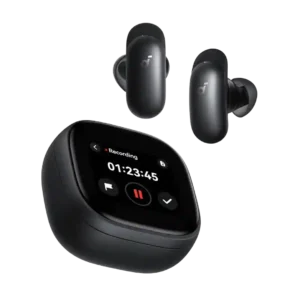
Soundcore Liberty 5 Pro
Where It Has the Edge
- Software/setup simplicity is 4.3 vs 3.6. Initial pairing is often simple, but getting preferred sound and controls may require app adjustments.

Scorata scores summarize analyzed review evidence on a 1–5 scale; they are not laboratory measurements or a simple average of customer star ratings. Feature scores summarize the reviews covering that feature. The overall score averages feature scores within each review, then combines review averages. When both expert and customer evidence are available, those two groups receive equal weight. Products can have different review coverage, so small score gaps do not establish a winner.
Recommendations prioritize important features for the category, with a score of at least 3.5, a gap of at least 0.25 points and at least two supporting reviews per product. Features with widely varying scores or broad connectivity contexts are excluded from recommendations. These safeguards do not establish statistical significance.
Quick verdict
The review evidence points to a tradeoff: Software/setup simplicity versus Noise isolation (passive) and Design and aesthetics. Choose according to which strengths matter more to you; the overall score alone does not settle that choice.
Choose Soundcore Liberty 5 Pro for Software/setup simplicity.
Choose Soundcore Anker Liberty 5 Pro Max for Noise isolation (passive) and Design and aesthetics.
Scores are out of 5. Missing scores mean missing review evidence, not a missing feature.
Sound is generally enjoyable and energetic, although some listeners find it muddy or less refined than competing earbuds.
Most listeners found the Liberty 5 Pro Max energetic, detailed, and enjoyable after tuning, with many owners calling the sound excellent. The main split is the default profile, which some found rich and powerful while others heard it as muffled or only good, not great.
The bass-forward signature is not consistently neutral; custom tuning helps, but accuracy-focused listeners may prefer other models.
The measured tuning leans heavily above the preferred bass target, especially around the low end. That makes the sound fun for some, but less accurate for neutral listeners.
A proper tip seal improves isolation; the shallower fit can let sharp noises through compared with deeper-fitting rivals.
The physical seal helps these earbuds block a lot of outside sound before ANC even gets involved. Several comments credit the snug in-ear fit for making noise reduction feel especially strong.
Spatial width improves with tuning for some listeners, but several find the presentation less spacious than premium alternatives.
The stage has enough space for casual listening, but several audio-focused testers found it more compact than premium competitors. It can feel slightly closed-in rather than wide and airy.
Microphones often remove traffic, music and machinery noise so callers hear mainly the speaker; some tests detect residual noise or processing.
Microphone noise rejection is repeatedly described as exceptional, often hiding wind, traffic, tools, vacuums, water jets, or public noise from callers. A small minority still heard muffling in very noisy environments.
The strong, punchy bass appeals to bass lovers, but default tuning can be excessive, muddy or overpower other instruments.
Bass is a defining part of the tuning: fans liked the punch and depth, but several testers said the default curve is too bass-heavy. A few felt the low end becomes bloated or muddy even after EQ work.
Strong cancellation of steady engine, fan and machinery noise is a highlight; sudden noises and voices can still break through.
ANC is one of the product’s biggest wins, with repeated praise for commute, airplane, gym, household, and street-noise performance. It is strongest on low-frequency rumble, though voices and certain real-world situations can still break through.
Codec flexibility is appreciated, but some advanced features cannot operate together and one account reports conflicting codec support.
Codec support is broad enough for the price tier, with SBC, AAC, and LDAC covering both iPhone and Android use. The limitation is that higher-quality modes can conflict with multipoint or other processing features.
Most consider the feature set and calling performance strong value at the midrange price, but some expect better sound or battery life for the cost.
Value depends heavily on whether the case screen and AI notes fit your life. Many felt the feature set justifies the price, while others saw the $60 Max premium, subscriptions, or sound compromises as hard to justify.
Three-device multipoint is a standout for switching sources, although LDAC limits the number of simultaneous connections.
Three-device multipoint is a major convenience for people moving between phones, tablets, laptops, and work devices. The main tradeoff is that full LDAC quality is not available when all three connections are active.
Offline voice commands are often fast and useful, but the assistant and compatibility with existing voice ecosystems receive mixed reactions.
Voice commands are a useful surprise, responding quickly without needing a wake word in several tests. They are especially appealing when hands are busy, though they share processing limits with other AI sound features.
Initial pairing is often simple, but getting preferred sound and controls may require app adjustments.
Setup and software are powerful but not always simple. Some praised reliable app tools and privacy controls, while firmware hiccups, feature learning curves, and cloud processing limits frustrated others.
The companion app offers extensive features and sound tuning, though crowded menus, account requirements and permissions frustrate some.
The Soundcore app is a major strength for customization, with EQ, HearID, ANC controls, fit tools, and many extras. One customer strongly disliked the app layout and felt too much of it was ads.
Pairing is usually quick and reliable, but some owners experience dropouts, interference or connection failures.
Bluetooth reliability is mostly positive, with instant pairing and no issues for some owners. A few users reported connection instability or trouble connecting to a computer, so it is not flawless.
Calls are exceptionally clear for many owners, even in noisy places, though occasional echo, distortion and defective microphones occur.
Call quality is the standout consensus strength, with many users saying callers heard them clearly in cars, gyms, cafés, amusement parks, and noisy work settings. A few mixed reports exist, but the overall pattern is unusually strong.
Custom EQ and HearID can tame the default bass and bring out vocals and texture, although not every user likes the results.
EQ flexibility is excellent, and HearID helps tame the default bass-heavy sound for many users. The biggest caveat is that some bass complaints persist even after adjustment.
Live translation is useful for multilingual conversations with relatively little delay, though it may require an internet connection or phone.
Translation works well enough for simple travel or controlled conversations, especially with the case acting as the other person’s mic and speaker. The weak points are lag, button pressing, missed words, and a few reports of the case mic failing.
Instruments can be well defined, but the boosted bass sometimes obscures quieter parts of a mix.
Instrument separation is a bright spot when the tuning works well, with listeners picking out vocals, guitars, and subtle instrument detail. It helps the earbuds feel clearer than their bassy default profile might suggest.
The smart sliding case offers convenient controls but is bigger than many rivals and receives some durability complaints.
The touchscreen case is both the signature feature and a recurring source of complaints. Many loved controlling modes from the case, but lag, freezes, scratches, bulk, and durability worries show this first-gen idea is not fully polished.
LDAC is valued for higher-resolution Android listening, but it cannot be used alongside several other advanced features.
LDAC is appreciated by Android users who want higher-resolution wireless audio, but it comes with practical tradeoffs. It is unavailable with three-device multipoint and does not help iPhone users.
Fins usually keep the earbuds secure during movement, but some owners report persistent slipping even with alternative tips.
Stability is strong for workouts, walking, and daily use, with several users saying the buds stay put. Secure fins are a major reason the larger design works.
Transparency generally sounds natural and keeps surroundings audible, though some flagship competitors sound more natural.
Transparency mode is more divisive than ANC. Some found it natural and clean, while others called it weak, hissy, or much worse than AirPods and Samsung pass-through modes.
Vocals and mids can be clear, especially after EQ adjustment, but heavy bass sometimes masks them.
Vocals and instruments often come through cleanly, especially after EQ or HearID adjustments. The main complaint is that the bass-forward tuning can sometimes push midrange clarity back.
Find My support is appreciated by iPhone users, though one customer reported being unable to make it work.
Find My support is useful for iPhone owners, but one customer complained that locating the buds through sound was not available as expected. The tracking story is helpful, not perfect.
Included alternative tips and removable fins make it easier to customize fit.
The included tips and fins are appreciated because they make fit adjustment easier. Buyers get enough sizing options to dial in seal and stability.
Customizable taps and volume swipes are popular, but default gestures and multi-tap recognition can be frustrating.
Earbud touch controls are mixed: several found them precise and responsive, while others struggled with accidental slides or awkward tap areas. The case touchscreen also has occasional lag or freezes.
Treble is often easy to listen to, although some hear recessed detail, sharpness or a loss of air and shimmer.
Treble is generally smooth rather than harsh, but it is not the strongest part of the sound. Some testers wanted more brilliance, presence, or cleaner top-end detail.
The case fits in a bag or jacket but its touchscreen adds bulk that some find inconvenient in trouser pockets.
Portability is the clearest case-related compromise. Some testers still fit it easily in jeans pockets, while others found the Pro Max case chunky, bulky, or less comfortable to carry.
Clear Vocals and Balanced are popular alternatives to the bass-heavy default; the bassier presets can be excessive.
Preset sound modes can help reshape the tuning quickly, especially Clear Vocals or balanced options. They are useful shortcuts for people who do not want to build a full custom EQ.
Overall satisfaction is high, especially among call-heavy users; returns often reflect fit, battery or technical problems.
Overall sentiment is positive, with many owners calling these premium, impressive, or among the best earbuds they have used. Negative reactions center on sound tuning, AI subscription expectations, case reliability, and a few defective or disappointing units.
Android users appreciate the compatibility and higher-resolution codec options.
Android users benefit from Fast Pair, LDAC, and reported success with Samsung and Honor phones. The best Android experience comes when users accept the LDAC and multipoint tradeoffs.
Some listeners report clean sound even at high volume.
At their best, the earbuds can sound very clear and get loud, but clarity at higher settings is not unanimous. One owner found music less clear and muddy when pushed.
There is ample volume headroom, with several users impressed by how loud the buds can get.
Volume output is strong enough for users who want a fuller, louder presentation. One tester especially liked that ANC made audio feel more detailed and full.
IP55 protection is reassuring for workouts, sweat and light rain, but the buds are not designed for immersion.
Sweat and water resistance are treated as solid for workouts and everyday use. The IP55-rated buds give buyers more confidence for gym sessions and light rain.
Charging is generally convenient and quick, but a few users report one-sided charging or other faults.
Charging is a practical strength, with fast top-ups, USB-C, and wireless charging all mentioned positively. There are isolated hardware complaints, including one earbud not charging correctly.
Battery endurance is mixed: some find it adequate or close to the rating, while ANC, calls and advanced features often reduce runtime substantially.
Battery life is usually described as solid, with fast everyday endurance and good case reserves. Heavy feature use, the case screen, LDAC, voice control, or ANC can bring runtimes down, and a few owners reported poor battery experiences.
The earbuds are often described as lightweight and comfortable despite their chunky shape.
The earbuds and case remain pocketable, but the Pro Max case is noticeably heavier than the standard version. That extra weight is part of the tradeoff for the screen and case hardware.
The distinctive rounded shape and colors appeal to many, although the larger profile is less discreet than stem-style rivals.
The design gets credit for premium-looking finishes and distinctive colors. Not everyone likes the larger, unusual earbud shape, but the overall look is often seen as high-end.
Construction generally feels solid, but there are reports of wobbly case sliders, defective units and other reliability issues.
Build quality impressions range from premium to disappointing. Several testers praised the finish and solid feel, while others criticized plastic materials, rattles, or a fragile-looking case screen.
Oval tips and interchangeable fins can create a snug seal, but some ears require different sizes or cannot get a reliable fit.
Fit is generally secure, helped by ear fins and multiple tip choices. The main negatives are itchiness, dislike of in-ear pressure, and needing careful positioning in wind or while sleeping.
The five tip sizes and fin choices are generous, although a few buyers need larger or alternative tips.
Tip selection is generous, with five sizes repeatedly mentioned. That flexibility helps users get a better seal for comfort, ANC, and stability.
Many find the buds comfortable for long sessions with the right tips and fins, but ear shape matters and some experience soreness.
Comfort is generally strong for a larger bud, especially once the right fins and tips are fitted. A few people disliked the in-ear feel, itchiness, or bulk when sleeping, so ear shape matters.
Microphone pickup is a standout, including quiet speech, although isolated units exhibit microphone faults.
Operation is convenient once customized, though the app and default controls take some learning.
AI note-taking is the Pro Max’s biggest differentiator, and it can be genuinely useful for meetings, lectures, interviews, and summaries. It also draws the strongest complaints because it may require the case mic, has subscription limits, and can misidentify speakers or fail on some units.
Adaptive cancellation and readily accessible settings are useful, though occasional unexpected mode changes and uneven wind suppression frustrate users.
Hi-res and AI enhancement features can make compressed or lower-quality audio feel cleaner and fuller. They are useful extras, but they do not replace true lossless playback or guarantee audiophile sound.
A dedicated USB dongle would make PC use simpler for some owners.
The exposed case touchscreen raises concerns about damage from drops.
Dust protection is a welcome part of the IP55 rating.
The glossy case screen can attract fingerprints.
Firmware updates can take longer than expected and do not always resolve faults.
The buds do not satisfy everyone seeking hearing assistance or amplified speech clarity.
Single-earbud use can be convenient, though individual-unit faults are reported.
Apple users get good AAC sound and stable connectivity, but not AirPods-style automatic switching. The Pro Max works well across Apple devices while still feeling less integrated than Apple’s own earbuds.
The case can store raw recordings before syncing, which is useful for meetings away from the phone. Transcription and summaries still depend on later processing, so the offline benefit is limited.
Case controls and voice commands reduce the need to reach for a phone.
At least one customer praised the packaging and condition on arrival.
The camera remote is a handy extra for taking photos with the phone at a distance.
Wear detection is a convenient touch, pausing audio automatically when the buds are removed. It adds to the sense that the app and sensors are feature-rich.
Several premium features are mutually exclusive, notably triple-device multipoint with LDAC and certain audio-enhancement or voice modes.
Automatic pause is responsive for some users, though there are complaints about playback continuing after removal.
Automatic conversation detection is convenient for quick exchanges, but unwanted activations can interrupt workouts and music.
On-device processing helps deliver fast commands and excellent noise suppression, although not every AI feature proves useful.
Turning ANC on can change bass and tonal balance enough to make EQ settings less consistent.
Clean playback is achievable, but some processing modes and isolated faults introduce distortion, pops or buzzing.
Some owners miss the ability to personalize which controls appear on the case.
Tip sizing can help reduce friction noise.
AI upscaling divides opinion: some notice added clarity and fullness, others hear distortion and echoes or find it gimmicky.
The sound can lack rhythmic precision and dynamic punch.
Lossless support is limited by Bluetooth and platform constraints. The review specifically notes that iPhones stay on AAC rather than a lossless wireless option.
At lower volumes, treble and midrange can recede disproportionately.
Sounds can be well defined and easy to locate across a mix.
Detail is respectable, particularly with EQ, but richer textures and finer resolution are available from some rivals.
Depth and surround are good enough to make music feel spacious for some listeners. Still, the stage is not consistently described as expansive compared with more audiophile-focused earbuds.
Spatial audio is polarizing. Some enjoyed the larger presentation, while others felt Dolby processing hurt music or compared poorly with rival spatial modes.
Spatial audio is especially effective for supported movies and some music, but results vary by genre.
Wind suppression works well in some call tests, but listening-mode wind reduction and speech naturalness can be less impressive.
The lack of Auracast support at launch is a missed opportunity for broadcast audio and sharing.
Proprietary tips can limit replacement options for buyers who cannot get a good fit with the included sizes.
Customer support earns praise for resolving problems and arranging replacements.
A minority encounter faulty microphones, random noise or connection failures, sometimes requiring a replacement.
Call performance and ANC are seen as substantial advances, although battery life and sound tuning are not universal upgrades.
Seeing the separate earbud and case charge levels at a glance is one of the most appreciated screen functions.
Quick top-ups are especially useful when calls and ANC shorten battery life.
Wireless charging is welcome at this price, although one buyer reported it did not work or was absent.
Bluetooth range is a weak point for some owners.
The inability to mute the microphone directly from the earbuds can be inconvenient during calls.
Certain settings require the companion app, even with the smart case.
The iPhone app provides extensive customization, although native Apple integration remains more limited.
Some users dislike the app's permission and account requirements.
The case display makes quick settings changes convenient for many, but responsiveness and usefulness divide opinion.
Speech often sounds natural and intelligible, with occasional warbling, processing or reverberation in difficult environments.
These are a few of the reviews included in our analysis.


I compare soundcore Liberty Buds 2, Liberty 5 Pro and 5 Pro Max for sound, calls, noise cancelling and case extras, then explain which I...
Soundcore Liberty 5 Pro vs 5 Pro Max, scored across 10 categories. Big gains in ANC, transparency and calls, 3-way multipoint; Max adds an AI...
The Anker Soundcore Liberty 5 Pro vs Pro Max offer similar performance, but is the bigger case and AI note-taking worth the upcharge?
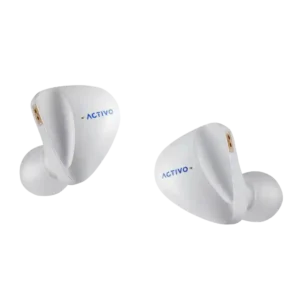
Best for detailed, natural wired sound, three connector options, and standout value around $99. Skip it if you need wireless features, stronger bass, softer treble, or a compact fit for...
Pros: Value for money, Multi-platform compatibility
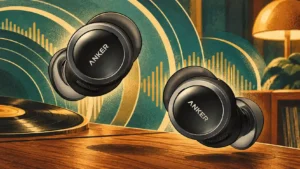
Clear calls and a remarkably comfortable, secure fit make these compact earbuds an appealing value. Wind handling and touch-control convenience are less consistent, while ANC performance varies more than the...
Pros: Integrated microphone, Microphone quality for calls
Cons: Spatial audio
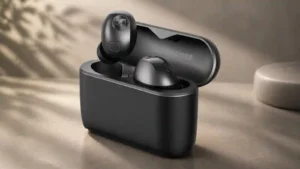
Choose these for excellent, balanced sound, a comfortable redesign, deep EQ tools and uniquely replaceable batteries. Skip them if you need class-leading ANC, consistently great calls or the smoothest treble...
Pros: User-replaceable batteries, Overall satisfaction
Cons: Auracast support, Sensors

Choose the AirPods 5 for strong open-ear ANC, clearer sound, easy Apple-device switching, and excellent value. Skip them if you need all-day battery, a very secure workout fit, or full...
Pros: Overall satisfaction, Sound quality
Cons: Battery, Eartips fit