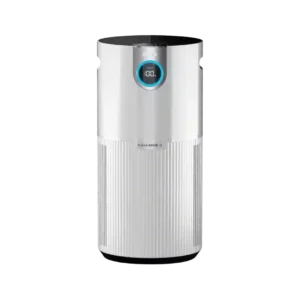
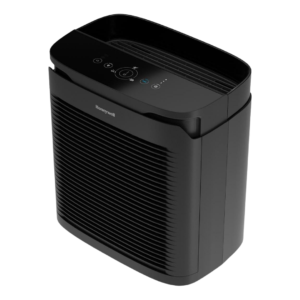
Shark HP201
Where It Has the Edge
No clear scored advantage over the other product.

Scorata scores summarize analyzed review evidence on a 1–5 scale; they are not laboratory measurements or a simple average of customer star ratings. Feature scores summarize the reviews covering that feature. The overall score averages feature scores within each review, then combines review averages. When both expert and customer evidence are available, those two groups receive equal weight. Products can have different review coverage, so small score gaps do not establish a winner.
Recommendations prioritize important features for the category, with a score of at least 3.5, a gap of at least 0.25 points and at least two supporting reviews per product. Features with widely varying scores or broad connectivity contexts are excluded from recommendations. These safeguards do not establish statistical significance.
Quick verdict
The available evidence supports the recommendation below, but does not establish an overall winner. Check the remaining features against your priorities.
There is not enough comparable review evidence to recommend Shark HP201 over the other product.
Choose Honeywell HPA3100 for reliability and size and footprint.
No clear scored advantage over the other product.
Scores are out of 5. Missing scores mean missing review evidence, not a missing feature.
Most owners say the HP201 makes rooms feel cleaner or fresher, often noticing the change quickly. A smaller group says their unit did not seem to clean effectively or failed after a period of good performance.
Most owners say the purifier makes rooms feel cleaner, fresher, or noticeably improved, with several using it continuously in bedrooms and living areas. A few less enthusiastic reviews still say it works, though one questioned whether it was doing much.
Replacement filter cost is a recurring pain point. Buyers call Shark’s filter pricing excessive, mention an $80 filter, or look for cheaper aftermarket options.
Filter cost is split. Some buyers like cheap generic replacements or reasonable supplies, while others find replacements expensive enough to be the main downside.
Noise is split: many owners call it quiet or whisper quiet, especially on low or normal operation. High speed, red-zone cleaning, and heavy odor/smoke events can get loud enough to affect TV or sleep-sensitive use.
Noise is the most divided trait. Many call it quiet or pleasant white noise, but a sizable group reports hum, buzz, rattling, high pitch, or loud operation even on low.
The carbon layer is viewed as solid but not class-leading for odors. One comparison says the Shark filter has enough carbon for particles while another purifier may be stronger on smells.
Carbon-filter feedback is strong when owners add or use the carbon layer. Reviewers say it helps with cooking odors, chemical vapors, and general smells.
Filter construction is seen as large and capable, with a pre-filter and HEPA layer called out. Large filter capacity is a plus for owners running the unit continuously.
Filter staging is praised in a nail-work setup where the three-filter arrangement handles dust and vapors. The layered design is treated as useful rather than just a spec.
Replacement availability is favorable when buyers can find filters on Amazon. The easier availability is offset by concerns about official filter pricing.
Filter availability is a recurring advantage. Owners like that filters are easy to find, shared across Honeywell sizes, and available from multiple vendors.
The pre-filter comes across as thick and substantial in the expert walkthrough. Owners who added extra pre-filter material also saw it as a way to stretch filter life.
The pre-filter gets practical praise for catching dust before it reaches deeper filters. One buyer finds it coarse but useful, and another likes that it can be cleaned.
Filter life varies by home and use. Some owners go six months without changing it, while smoke-heavy use and one negative review describe much shorter filter life.
Filter life varies with conditions. Some users stretch life by vacuuming or get several months, while dusty or pet-heavy settings can require weekly or more frequent attention.
Reliability is the biggest concern. Several units stopped working, malfunctioned, or developed sensor failures, even though many others worked well during the review period.
Reliability is often praised by owners who run the unit nonstop or have used Honeywell purifiers for years. The strongest negative reliability notes involve noise developing after use or early motor failure.
Customer support receives mixed but often helpful feedback. Some buyers praise Shark support or replacements, while others describe difficult calls or only partial discount offers.
Support feedback is mixed. One buyer was frustrated by being asked to return the whole unit for a missing filter, while another said warranty support handled a motor failure quickly.
Warranty coverage helps, with a two-year warranty mentioned in replacement stories. The downside is that failures just outside coverage can leave buyers feeling unsupported.
Warranty coverage receives a strong positive note from an owner whose motor failed after three months. They called the warranty excellent.
Arrival condition is mostly fine when mentioned, but a few buyers received missing instructions or suspicious secondary packaging. One delivery was praised for protective double boxing.
Arrival and order accuracy had a couple of problems. One buyer was missing a filter, and another received unrelated car armrests along with the purifier.
Value is strongly tied to whether the unit keeps working. Many buyers say it is worth the price or a great deal, but failures, filter costs, and high upfront price make others regret the purchase.
Value is generally favorable, with many calling it well priced, a good value, or a cost saver. A few buyers felt filter costs, discontinuation pricing, or rapid problems weakened the value.
Replacement handling can resolve a failed unit, but it is not always convenient. One owner had to pay shipping and another waited a week after cutting the cord.
Replacement experiences are mixed. One replacement fit and worked well, but another owner had the same rattling problem after receiving a replacement unit.
Setup and daily use are easy for most owners, with simple controls and quick assembly. The main control complaint is an unresponsive touch fan-speed button on one returned-looking unit.
Ease of use is a consistent strength. Owners describe simple operation, easy setup, intuitive controls, and easy filter installation.
Real-time monitoring makes the product feel useful and informative, especially when cooking or when outdoor air changes. Buyers like watching percentages and particle information move as the unit responds.
Real-time monitoring is a weakness for buyers who want sensor feedback. One owner still liked the cleaning performance but called out the missing air-quality sensor.
Sleep mode gets direct praise from a bedroom user who liked running it overnight without bright lights. The quiet low-speed operation supports bedroom use for many reviewers.
Sleep use depends heavily on the specific sound. Some owners like the low setting for sleeping, while others say hum, pitch, or rattling makes it a poor bedroom choice.
Controls are usually simple, but one buyer reported a touch fan-speed control that was not responsive. Expert walkthroughs otherwise describe the touch buttons as straightforward.
Control improvements are called out positively by one repeat Honeywell buyer. Better controls and multiple light settings made the newer unit more convenient.
Pet hair and fur performance is generally positive, with many pet owners seeing less hair and dust. One Spanish-language owner says it only pulls nearby airborne hairs.
Pet-hair capture gets a lukewarm mention. One owner felt the unit could be stronger for pet hair.
Air movement feels strong to many buyers, sometimes powerful enough to be overkill in small rooms. One Spanish-language reviewer wished it had more reach for a whole apartment.
Air movement is mostly praised for moving a lot of air and freshening stagnant rooms. A few owners found it weak or worried debris buildup could block airflow.
The timer is useful for controlling runtime, with the walkthrough noting a 12-hour maximum. It is a simple scheduling feature rather than full app-based scheduling.
The timer is appreciated as a simple convenience. Owners like being able to set auto-off intervals or have it shut itself off.
Maintenance is easy for basic filter replacement, but sensor cleaning is a real frustration. Several owners say clogged sensors are hard to access or not explained well enough.
Maintenance is mostly easy when it comes to accessing, vacuuming, or installing filters. The one sharp complaint is debris collecting in an unreachable top area.
The HEPA-style filtration is discussed positively in the expert walkthrough, mainly as part of the substantial internal filter design. Customer reviews focus more on results than the filter standard itself.
HEPA filtration is viewed positively by buyers who rely on Honeywell HEPA filters for pollution or regular use. Comments focus more on practical confidence than technical testing.
Pollen comments are mostly positive, with reviewers using it during seasonal pollen or open-window periods. One negative owner said pollen barely changed the reading before it returned to clean.
Pollen feedback is limited but positive. One owner specifically says it seems to help with dust and pollen particles.
Fan speed controls give useful manual range, though some owners dislike the way speeds jump or get loud at higher levels. Multiple settings and auto mode make everyday use flexible.
Speed options are useful for matching noise and cleaning needs. Owners mention three speeds and using lower ranges at home while turning it up when away.
Smoke performance is generally helpful for cooking smoke, candle smoke, cigarette smoke, and wildfire smoke. It may run hard or take time when the air is heavily contaminated.
Smoke-related feedback is favorable, including wildfire season, cooking smoke, cigarettes, and a small smoking room. Owners using smoke or forest-fire situations describe it as working well or even fantastic.
Safety concern is rare but serious: one owner threw away malfunctioning units because they worried about fire hazard. This is not a broad pattern, but it matters for risk-sensitive buyers.
Safety concerns are rare but serious. One buyer reported cutting tendons after falling onto a sharp rim around the top.
Dust reduction is one of the clearest strengths, especially in homes with pets, fields, cooking, or visible buildup. A few buyers still found dust on the unit or nearby surfaces and felt disappointed.
Dust control is one of the clearest strengths, with owners seeing less dust on surfaces and dusty filters after use. It also gets praise for nail dust and general household dust in pet-heavy homes.
Indicator lights help communicate air quality status clearly. The expert walkthrough calls out color changes as part of the basic feedback system.
Indicator-light feedback is split but specific. Some like dimmable or barely noticeable lights, while others dislike a light that cannot be turned off or a design with no light.
Odor removal is a major crowd-pleaser for cooking smells, pets, litter boxes, candles, and smoking. A few disappointed buyers said musty or pet smells were not reduced well enough.
Odor control is mostly positive for cat smell, cooking odors, candle scent, and fresh-smelling air. One owner had the opposite experience, saying the unit itself gave off an unpleasant odor.
Room coverage works well for many bedrooms, apartments, upstairs rooms, and even larger open areas, but some buyers recommend oversizing the unit for faster turnover. A few felt it could not cover an entire apartment.
Room fit is generally positive for bedrooms, medium rooms, large rooms, and multi-room use. The main caveats are a listing mismatch on square footage and noise making some living spaces less comfortable.
Overall satisfaction is high among owners whose units work correctly, with many saying they love it, would buy again, or wish they had bought more. Dissatisfied reviews concentrate on failed sensors, short lifespan, and poor perceived value.
Overall sentiment is mostly positive, with many owners saying it works well, they would recommend it, or they would buy again. Negative overall reactions are usually tied to noise, odor, or early reliability trouble.
Portability is a quiet plus: several owners describe the unit as light enough to move between rooms or easy to lift when needed. Its larger size keeps portability from being universally effortless.
Portability gets a positive mention from a wildfire-area buyer using multiple units. The medium size was considered easier to move and not heavy.
Breathing relief is a real strength in allergy-sensitive homes. Reviewers mention easier breathing, less morning stuffiness, and meaningful improvement for people with respiratory discomfort.
Breathing relief is one of the product's strongest shopper-facing benefits. Asthma, allergy, coughing, sneezing, and stuffy-nose comments repeatedly describe noticeable improvement.
Pet households often report less dander and cleaner-feeling air around dogs, cats, and birds. This is a recurring reason people recommend it for allergy-prone homes.
Pet-dander comments are strongly positive where allergies are involved. Owners with birds or cats describe the purifier as helping them tolerate pet allergens better.
Allergy relief is a common positive theme, with several owners saying sneezing, stuffiness, or family allergy symptoms improved. Pet and dust-heavy households mention this benefit most often.
Allergy relief is a major bright spot, with owners reporting less medicine, less sneezing, and better tolerance around pets. Several asthma or seasonal-allergy users describe meaningful daily comfort gains.
Particle removal gets strong marks when reviewers see it react to cooking, dust, or airborne debris. Praise centers on quick recognition and visible improvement rather than lab-style measurements.
Customers credit it with capturing fine household and project particles, from soot near traffic to nail dust and visible debris. Several point to dust or buildup on filters as proof that particles are being pulled from the air.
Durability is mixed. Some owners report good longevity over many months or nearly two years, while others had units fail suddenly, sometimes around one or two years.
Durability is mixed. Some owners cite years of service, while others report motor failure, sound deterioration, or doubts after a short time.
The HP201 is not tiny, and several buyers describe it as large or bigger than expected. Even so, many still find the size manageable, attractive, or worth it for larger rooms.
Owners generally find the unit compact and bedroom-friendly. It is described as small enough for a dresser and not taking up much space.
Design is a consistent positive: reviewers call it sleek, stylish, good-looking, and not an eyesore. The white version and overall appearance get specific praise.
Appearance is mostly liked when owners mention it, especially the new look and compact design. One unhappy buyer disliked the grille and thought the design looked cheap.
Build quality is mostly viewed as sturdy or high quality when new. A few disappointed owners expected more from the Shark name when durability or controls failed.
Build quality ranges from sturdy and well made to cheap-feeling in the most negative reviews. A safety complaint about a sharp rim also weighs on this attribute.
Sleep benefits are meaningful for bedroom users, especially people dealing with allergies, dust, or stuffiness. Several owners say sleep quality improved after using it.
Sleep-quality benefits show up when breathing improves at night. Owners mention cleaner nighttime air and being able to sleep better.
Smart features are a tradeoff: Clean Sense and auto reactions feel smart to many buyers, but some critics see the feature set as basic or ineffective. Lack of app control is the most concrete limitation.
Smart-feature feedback is modest and mixed. Some like the basic features, but others note the lack of an air-quality sensor or say extra monitor features were not useful to them.
The strongest air-change guidance favors medium rooms over the full advertised maximum. One expert estimated better turnover around 400 to 450 square feet.
Child lock is seen as useful for families and homes with curious kids or pets. Reviewers like being able to stop accidental button presses.
Documentation is uneven. Some owners found the instructions easy, while others said key sensor-cleaning information was missing or the manual was absent or wrong.
Eco mode is appreciated for saving energy and filter life after the room reaches clean air. Reviewers like that it can settle down instead of running hard all the time.
Initial smell is mixed. Some owners report no nasty aroma, while another says the unit kept giving off an unpleasant plastic odor for weeks.
PM2.5 detection is mentioned in both feature walkthroughs and one negative dust comparison. The strongest complaint says another purifier detected 2.5-micron dust while this Shark still reported perfect air.
Power use is mixed from limited comments. One Spanish-language owner says it does not use much electricity, while another says to expect a higher electric bill.
Settings retention is a requested improvement rather than a strength. One owner wanted it to restart with the same settings after a power outage.
VOC and vapor comments are mixed by setup. One buyer did not expect the basic filters to remove VOCs, while another praised the carbon layer for chemical vapors from nail products.
Sensor accuracy is the most polarized feature: many owners love seeing it react quickly to smoke, cooking, candles, perfume, or dust. The main bad pattern is defective or clogged sensors reading 100%, 0%, or nonsense values.
Auto mode is widely liked because it reacts to cooking, odors, smoke, and particles without babysitting. Complaints come from sensor failures that make auto mode run constantly or change speeds annoyingly.
Display feedback is helpful for many buyers, but readability and meaning can be confusing. Complaints mention cryptic scoring, a wrong display value, or bright lights unless sleep mode is used.
Listing accuracy is inconsistent. One buyer said the item matched the description, while another found a major square-footage mismatch between the listing and the box.
VOC-like sensing is mixed but useful for odors and vapors: owners mention perfume, cleaning sprays, strong cooking smells, and even body odor triggering the unit. One critic says it senses vapors better than actual dust.
The washable or rinseable pre-filter gets a small but enthusiastic mention. A project user liked being able to vacuum and rinse it rather than discard it immediately.
App connectivity is a clear drawback in the expert review because the HP201 lacks a smart app. Buyers who want connected controls may find that missing.
Wi-Fi feedback is sparse and contradictory to other comments, with one customer praising WiFi connectivity. There is not much detail on stability or setup.
The built-in handle earns positive feedback from a long-time Honeywell user. It makes the redesigned unit easier to handle.
Power connector feedback appears only in a replacement story where support required cutting the cord. It is a negative service experience rather than a normal fit complaint.
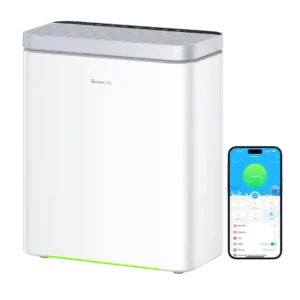
Choose the H7124 if you want a quiet smart purifier for odors, dust, pets, and app control. Skip it if you need foolproof Wi-Fi, wall-facing intake, UV light, or strong...
Pros: air purification performance, noise level
Cons: control placement
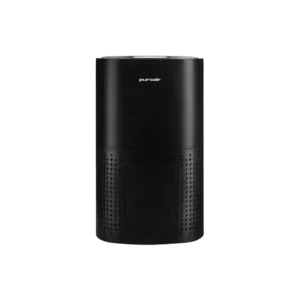
Best for quiet, simple cleaning in bedrooms or apartments. Skip it if you need verified large-room CADR value, app control, or guaranteed neighbor-smoke removal.
Pros: noise level, air purification performance
Cons: filter replacement cost, air quality sensor accuracy
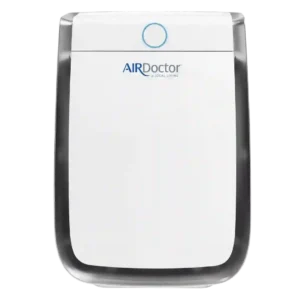
Best for strong room cleaning, allergy relief, odor control, and simple operation. Skip it if high filter costs, a larger footprint, or possible nighttime fan noise would bother you.
Pros: air purification performance, overall satisfaction
Cons: filter replacement cost
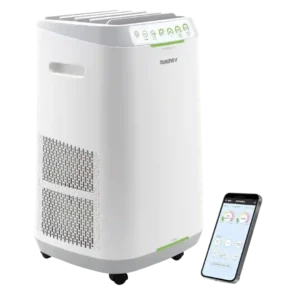
Choose this if you want strong odor, dust, smoke, and pet-air cleanup with washable filters. Skip it if turbo noise, Wi-Fi setup, or a high upfront price will bother you.
Pros: overall satisfaction, air purification performance