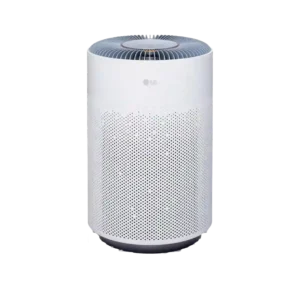
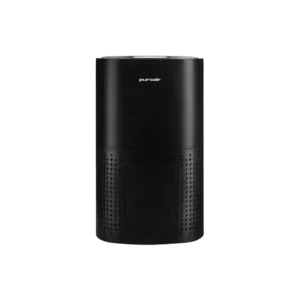
LG PuriCare 360
Where It Has the Edge
No clear scored advantage over the other product.

Scorata scores summarize analyzed review evidence on a 1–5 scale; they are not laboratory measurements or a simple average of customer star ratings. Feature scores summarize the reviews covering that feature. The overall score averages feature scores within each review, then combines review averages. When both expert and customer evidence are available, those two groups receive equal weight. Products can have different review coverage, so small score gaps do not establish a winner.
Recommendations prioritize important features for the category, with a score of at least 3.5, a gap of at least 0.25 points and at least two supporting reviews per product. Features with widely varying scores or broad connectivity contexts are excluded from recommendations. These safeguards do not establish statistical significance.
Quick verdict
The available evidence supports the recommendation below, but does not establish an overall winner. Check the remaining features against your priorities.
There is not enough comparable review evidence to recommend LG PuriCare 360 over the other product.
Choose PuroAir 240 for air purification performance and ease of use.
No clear scored advantage over the other product.
Scores are out of 5. Missing scores mean missing review evidence, not a missing feature.
Most reviewers say the LG noticeably improves indoor air and performs strongly in everyday rooms. A few use cases, such as 3D printing fumes or lingering dust in a large home, were less convincing.
Most owners say rooms feel cleaner or fresher, and several report fast visible improvements. The main split comes from one independent test and one neighbor-smoke owner who felt performance did not match the hype.
Replacement filters are considered expensive and sometimes hard to buy. This is one of the most practical ownership-cost complaints.
Filter cost divides reviewers. Some find replacements reasonable or discounted, while others call them expensive or feel the purifier pushes filter purchases.
Quiet operation is one of the strongest points across the review set. Most owners find it whisper-quiet or barely noticeable, though turbo or Clean Booster mode can get loud.
Noise feedback is mostly positive on low, auto, and sleep modes, where owners often call it quiet enough for bedrooms. High or max speed can be noticeably loud.
Replacement-filter availability is a recurring weak spot. Buyers complained that LG did not offer filters directly or that replacements were hard to find.
Replacement filters are easy to find according to one tester, including Amazon availability.
True HEPA filtration is a key reason experts like the purifier’s cleaning ability. Praise centers on the large 360-degree HEPA filters and high-efficiency particle capture.
The H14/true-HEPA claim is controversial. Some reviewers repeat fine-particle capture claims, but the toughest expert could not verify the third-party H14 documentation.
Listing accuracy is mixed. One buyer said the unit was exactly as advertised, while another said it was not as described and did not connect to Wi-Fi.
Listing accuracy is a concern in the most critical review, mainly around the advertised room coverage versus certified room-size guidance.
The sensor usually impressed reviewers by reacting to cleaning products, cooking, odors, and changing air quality. One smoke-related review found detection slow, so it is not flawless.
Sensor reactions are split. Some tests show fast, accurate color changes, while several owners say the light stayed green or failed to reflect real conditions.
Filter life earns both praise and frustration. Some owners say the filter lasts longer than expected, while another saw the remaining-life indicator drop quickly after only a few months.
Filter life is mixed. Some owners get several months or longer, while others complain the indicator asks for replacement after only two or three months.
Filtration quality is widely praised, especially the multi-stage setup with pre-filter, HEPA, and deodorizing layers. Reviewers describe it as a serious system rather than a simple fan with a filter.
The three-stage filter stack is a recurring positive, with reviewers pointing to the pre-filter, HEPA layer, and activated carbon as a useful combination.
Auto mode is a major convenience win when it reacts to cooking, dust, or changing air quality and then settles back down. Reviewers repeatedly describe it as a set-and-forget feature.
Auto mode is widely liked when it ramps up for smoke, cooking, dust, or poorer air, then settles back down. It is one of the product's most appreciated convenience features.
Odor-focused filtration gets good marks, especially around kitchen smells and harmful gases. Buyers liked that the deodorizing layer works alongside the main particle filter rather than feeling like an afterthought.
Activated carbon is a real strength when reviewers discuss cooking smells, mustiness, smoke, VOCs, and general freshness. One lab-style review still criticizes broader value, but hands-on tests and owners often say odor absorption works well.
Reliability is mixed. Some buyers trust LG and call the product dependable, while the failed repair case is a serious negative signal.
Reliability is a strength in long-term owner videos and reviews, with several units running for months or years. One replaced unit tempers that with an early sensor problem.
Customer support feedback is split sharply. One customer called it responsive, but several negative reviews describe unanswered requests or unresolved service problems.
Customer support is a bright spot. Owners describe helpful, fast, thorough service for replacements, filter-light resets, and issue resolution.
The repair/replacement experience can be poor when something goes wrong. One owner waited through repair only to receive a product that still did not function properly.
Replacement experiences are generally smooth when discussed, including easy filter installation and helpful support for replacement-filter indicators.
Arrival condition is mixed. One buyer praised the packaging, while another received a faulty device and never got a working unit after repair.
Packaging and arrival condition are generally positive, with buyers reporting secure boxes, safe arrival, and no damage.
Value is highly context-dependent. Sale-price buyers often feel it is worth it, while experts and unhappy owners question the premium price and ongoing filter costs.
Value is sharply split. Many customers call it a good deal or worth the money, while the most critical tester says it is overpriced for its measured performance.
Basic setup and daily operation are usually easy, especially when users plug it in, start auto mode, and leave it alone. App setup is the main thing that complicates the experience.
Setup and controls are repeatedly described as easy, simple, intuitive, or no-brainer. Even first-time purifier owners usually found it approachable.
Air change frequency drew direct praise from a customer who felt the unit refreshed the room at a satisfying pace. This was not a heavily discussed metric, but the available feedback is positive.
Air-change claims are a weak point. The harshest tester argues the advertised large-room claim amounts to too few hourly air changes for genuinely clean air in a large space.
VOC and gas reduction is discussed as part of the carbon/deodorization filtration system. One owner using 3D printers found it insufficient for that specialized fume-heavy use.
VOC and gas reduction are supported by video tests and carbon-filter discussion, though odor and gas cleanup takes longer than particle removal.
HEPA-related feedback is mostly positive, tied to clean, fresh air and strong filtration. One negative owner review blamed the HEPA filter for a strong chemical smell.
HEPA filtration is mostly praised for fine-particle capture, smoke, pollen, allergens, and pet dander. One expert questions the H14 marketing, but most hands-on comments are positive.
Dry-air comfort is a limitation rather than a strength. One expert preferred a Dyson humidifying model for dry months, making the LG better suited to purification than humidity support.
Humidity did not appear to be disturbed in one hands-on test, which is a useful comfort note for buyers worried about dry air.
Documentation drew criticism from a buyer trying to connect Wi-Fi. The manual did not clearly explain the setup path, forcing them to search elsewhere.
Documentation is inconsistent. Some reviewers found the guide clear and easy, while one owner complained there were no usable instructions.
Pet-related particle pickup is mixed. One user liked seeing pet dander pulled from the air, while another said purifier videos overpromise dog-hair and lint removal.
Pet dander relief is a major reason buyers like the PuroAir 240. Cat and dog owners repeatedly report less dander, cleaner rooms, or easier breathing.
Real-time monitoring is a standout smart feature when it works. Reviewers like seeing color changes, history, alerts, and live air-quality responses to cooking or dusty conditions.
Real-time monitoring is helpful when it reflects cooking or changing air, but some customers distrust the always-green reading.
Power use gets limited but mixed comments. One buyer worried high speed would use a lot of electricity, while another liked that app control avoids running it all day.
Power consumption looks low in hands-on measurements, with reviewers comfortable running it continuously.
The physical remote is a useful fallback when app control fails. An expert said it replicates most functions, though light control was incomplete.
Remote control is a miss for buyers who want app, Bluetooth, or remote-style operation. The unit relies on its top controls instead.
CADR feedback is lukewarm in the expert review that discussed it directly. The purifier may feel premium, but those numbers were described as merely average for the price.
CADR is a major criticism in the toughest expert review, which says the measured rating is low for the price and room-size claims.
Portability depends on the model and user. One buyer found it lightweight enough to move between rooms, while others found the larger unit awkward and heavy.
Portability is a plus because the unit is light enough to move and compact enough to shift between rooms.
Dust removal is usually praised, especially by allergy sufferers and users monitoring dirty air. One buyer expected dog hair and lint pickup and was disappointed, and another still had dust in a large home.
Dust removal is one of the clearest wins. Many owners say there is less dust on furniture, fewer floating particles, or visible dust captured by the filter.
Several users connect the purifier with easier breathing, asthma support, or sinus relief. A chemical-smell complaint cuts the other direction, showing that filter odor can ruin the experience for sensitive users.
Breathing relief comes through strongly in customer reviews, including asthma, congestion, cough, and stuffy-nose improvements. Several owners describe the change as immediate or life-changing.
Odor reduction is usually excellent for cooking, pets, smoke smells, and household odors. A handful of negative reviews say it failed on odor problems or created an unpleasant smell itself.
Odor reduction is a strong everyday-use theme for cooking smells, pets, litter boxes, mustiness, and stale rooms. Strong neighbor smoke is the major odor case where it disappointed.
Formaldehyde reduction appears in one reviewed Safe Plus/deodorization filter discussion. It is presented as part of harmful-gas removal rather than a frequently tested buyer experience.
Formaldehyde-related gas reduction appears in one controlled burnt-toast test, where levels dropped back to a healthier range after a longer run.
Smoke handling is mixed. One customer cleared smoke odor quickly on turbo, while an expert noted only average smoke CADR and one user saw slow smoke detection.
Smoke removal is mixed by source: controlled tests and some owners report strong results, while a neighbor-smoke buyer says it did not solve marijuana odor.
Many buyers like the color light because it makes air quality easy to understand at a glance. The main drawback is that some top-panel controls or lights are hard to see or fully turn off.
Indicator lights are useful for air quality and filter reminders, though one customer found the lights too bright and another questioned accuracy.
Room coverage is generally praised for large, open rooms and whole-apartment use. One expert review pushed back, saying its rated coverage looked small for such a big premium purifier.
Room coverage is the most contested claim. Many owners are happy in bedrooms, apartments, and open rooms, but the critical tester says the large-room marketing is overstated.
Pollen feedback is positive but limited. A buyer noticed the purifier respond in real time when windows were open on a high-pollen day.
Pollen relief appears in both expert and owner comments, especially from allergy-sensitive buyers dealing with seasonal pollen.
Maintenance is usually described as easy, especially filter access, cleaning, and replacement. Even brief customer reviews highlight simple filter handling.
Maintenance is usually described as straightforward, especially filter swaps and basic vacuuming. A few filter-alert and reset situations still required attention or support.
Fan settings are appreciated by buyers who like having optional modes and speed control. Turbo can be loud, but high and auto settings often remain usable.
Fan-speed options are useful for matching noise and cleaning needs. Reviewers like having multiple strengths, timer choices, and quiet modes.
Overall satisfaction is high among most customers, with many saying they love it, would buy again, or bought another. Dissatisfied owners tend to focus on smart-feature failures, odor, service, or value.
Overall satisfaction is high among customers, with many buying another unit or recommending it. Dissatisfaction clusters around sensor trust, smoke limits, and filter costs.
Particle removal is supported by expert testing and customer comments about fewer particulates indoors. The strongest praise is tied to the 360-degree filter design and high-efficiency particle capture.
Particle removal performs well in many hands-on accounts, from floating particles to PM2.5 and PM10 tests. The dissent is mainly about price-adjusted performance.
Sleep mode and nighttime use are praised because the unit can run very quietly and turn off distracting lights. This makes it workable in bedrooms for many users.
Sleep mode is a consistent positive because it runs quietly and turns off lights. Bedroom owners often connect it with better sleep.
Reviewers liked the way the 360 design and booster fan move clean air around the room. Several comments describe air reaching corners, flowing broadly, or improving the feel of the whole space.
Air circulation is usually praised, especially by reviewers who felt strong airflow or better room movement. One smoke-focused apartment owner felt suction was weak, so room layout and expectations matter.
Scheduling is a useful app feature for owners who want cleaner air at specific times. Reviewers liked setting it off at night or scheduling operation from the ThinQ app.
Timer and scheduling controls are basic but appreciated. Reviewers mention 2, 4, 6, and 8 hour shutoff options rather than full smart scheduling.
Allergy-related comments are very favorable, with buyers describing less sneezing, cleaner-feeling air, and even major relief at home. This is one of the clearest practical benefits in the reviews.
Allergy relief is one of the strongest customer themes. Many owners mention fewer symptoms, less congestion, easier breathing, and better mornings.
Voice-assistant support worked well with Google Assistant in expert testing. Alexa was less smooth because it confused the purifier with another appliance name.
Voice-assistant compatibility is not a strength. A long-term reviewer says Alexa-style scheduling and away-from-home checking are features buyers might miss.
The app is polarizing: happy users found remote control and monitoring convenient, while others struggled with setup, QR pairing, or repeated connection failures. Smart-control value depends heavily on Wi-Fi setup success.
App support is a drawback because reviewers repeatedly note that the PuroAir 240 does not include Wi-Fi or mobile-app control.
Smart features are useful when stable, offering history, scheduling, remote control, and monitoring. The same feature set becomes a liability for buyers who hit app or Wi-Fi glitches.
Smart features are limited. Auto mode is useful, but buyers wanting Wi-Fi, app control, or deeper smart-home features may be disappointed.
Size is the major physical tradeoff. Some buyers say it fits fine or looks good, but many call it big, bulky, or larger than expected.
The size is generally a plus: compact, easy to place, and suitable for bedrooms, offices, apartments, and counters. A few buyers still found it large or tall.
Build impressions are generally strong, with buyers calling it a quality LG product and praising good construction. One review disliked the manufacturing origin, but that was an outlier.
Build quality is mixed. Some owners describe a high-quality feel, while the most critical expert found cheaper-feeling filter materials compared with competitors.
Longer-term reliability looks good in a few brief owner comments, including a one-year positive report. The main counterweight is the faulty-device repair case.
Durability is supported by long-term reviewers who kept the unit running for months or years. Reports of constant use without issues are reassuring.
Sleep-related comfort is positive in the few reviews that mention it. Quiet operation and light control made it easy to use overnight or near light sleepers.
Sleep benefits show up in bedroom reviews, especially from people waking less congested, sleeping better, or enjoying quiet night mode.
The design is a strength for many buyers, with praise for the modern white look and how it fits into living spaces. Its attractive shape helps offset the appliance-like size.
Design feedback is mostly favorable: shoppers like the clean black look, compact styling, and unobtrusive shape. One reviewer wished there were more color options.
The movable top outlet is useful when it oscillates and pushes air across the room. Expert feedback treats the 70-degree swing as one of the more distinctive airflow controls.
Indicator readability is mixed. Color-coded air quality is easy to understand, but one customer and one expert complained about dim or incomplete light controls.
Pre-filter feedback is mixed: reviewers like that it catches hair and larger debris, but the critical expert dislikes that it is not easy to clean separately.
Washable or cleanable filter handling is mixed. Some users liked easy cleaning, while one buyer wished the filters were cleanable instead of replaceable.
The child lock is treated as a useful practical feature in setup walkthroughs, especially for keeping kids from changing settings.
Controls are serviceable but not universally loved. Some buyers liked the soft-touch keypad, while experts and customers found certain controls unintuitive or hard to see.
Cord length gets a small but positive note from one tester who found it longer than some competing models.
Energy efficiency is praised by reviewers who saw low wattage or no noticeable change in their power bill, especially in auto mode.
Initial or filter-related smell is a real split. One user appreciated the lack of plastic odor, while others reported strong chemical or moldy smells that made the purifier unusable.
Ionization is treated as a health-oriented extra in video and article reviews. Reviewers present it as useful for reducing airborne germs and viruses, though it is discussed less than core filtration.
Mold-related feedback is limited but mildly positive, with one test noting small decreases and one owner viewing it as useful for suspected mold.
Pet hair capture is mentioned less often than dander, but the clearest customer example reports much less fur on furniture.
PM2.5 testing is positive in the main video review, where readings dropped quickly during a controlled particle test.
One owner says a closed room gets hot while the unit runs, so heat buildup may matter in smaller bedrooms.
Virus-reduction confidence comes mainly from Safe Plus and ionizer discussions. Reviewers mention H1N1, bacteria, and virus-reduction claims as reassurance rather than everyday user testing.
The missing built-in handle is a notable ergonomic complaint. A buyer liked the cleaning power but said moving the unit would be much easier with a handle.
Warranty coverage and the warranty process are described positively, including a 2-year warranty mention and an easy company process.
Wi-Fi reliability is the weakest smart-home trait. Multiple buyers and one expert report failed setup, offline status, flaky modules, or repeated disconnects.
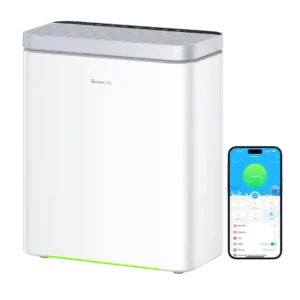
Choose the H7124 if you want a quiet smart purifier for odors, dust, pets, and app control. Skip it if you need foolproof Wi-Fi, wall-facing intake, UV light, or strong...
Pros: air purification performance, noise level
Cons: control placement
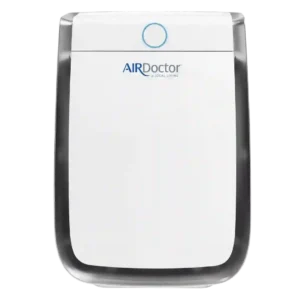
Best for strong room cleaning, allergy relief, odor control, and simple operation. Skip it if high filter costs, a larger footprint, or possible nighttime fan noise would bother you.
Pros: air purification performance, overall satisfaction
Cons: filter replacement cost
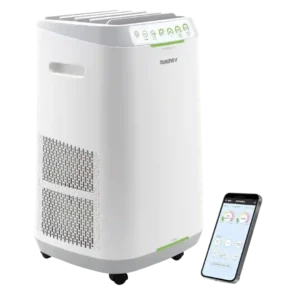
Choose this if you want strong odor, dust, smoke, and pet-air cleanup with washable filters. Skip it if turbo noise, Wi-Fi setup, or a high upfront price will bother you.
Pros: overall satisfaction, air purification performance
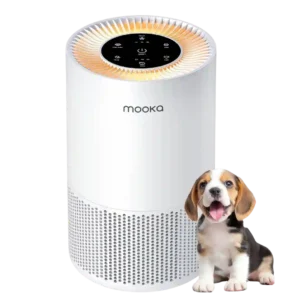
Best for a quiet, compact purifier that helps with dust, pet odors, and allergies. Skip it if you need verified smart sensing, strong aromatherapy, or guaranteed large-room coverage.
Pros: noise level, air purification performance
Cons: reliability