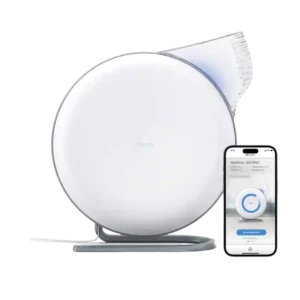
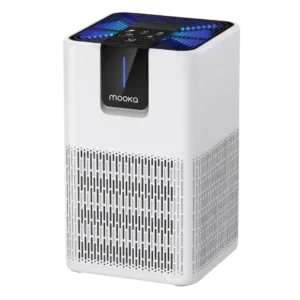
IQAir Atem Desk
Where It Has the Edge
No clear scored advantage over the other product.

Scorata scores summarize analyzed review evidence on a 1–5 scale; they are not laboratory measurements or a simple average of customer star ratings. Feature scores summarize the reviews covering that feature. The overall score averages feature scores within each review, then combines review averages. When both expert and customer evidence are available, those two groups receive equal weight. Products can have different review coverage, so small score gaps do not establish a winner.
Recommendations prioritize important features for the category, with a score of at least 3.5, a gap of at least 0.25 points and at least two supporting reviews per product. Features with widely varying scores or broad connectivity contexts are excluded from recommendations. These safeguards do not establish statistical significance.
Quick verdict
The available evidence supports the recommendation below, but does not establish an overall winner. Check the remaining features against your priorities.
There is not enough comparable review evidence to recommend IQAir Atem Desk over the other product.
Choose MOOKA M05 for filter replacement cost and noise level.
No clear scored advantage over the other product.
Scores are out of 5. Missing scores mean missing review evidence, not a missing feature.
Most reviewers say the Atem Desk noticeably improves the air around them, especially in offices, bedrooms, and close-range use. Negative comments usually involve heavy smoke, larger areas, or possible defective units.
Most owners say the MOOKA M05 makes indoor air feel cleaner, fresher, or noticeably better within hours or days. A smaller group says it failed to make a visible difference, especially in tougher rooms or with heavier contamination.
Filter cost is a recurring downside, with customers calling replacements expensive. The cost matters most when filters need changing sooner than expected.
Replacement filter cost is viewed as acceptable by some and pricey by others. Several buyers see the upkeep as worth it if the purifier improves breathing or odor control.
Quiet operation is one of the strongest positives, especially on low and medium. Noise complaints usually involve high speed, rattles, or defective fan behavior.
Quiet operation is the product's clearest strength: many owners call it very quiet, soothing, silent in sleep mode, or acceptable even on higher speeds. A few failures involve loud grinding noises, which appear tied to defective units rather than normal use.
Replacement-filter availability is the most repeated practical complaint. Many buyers say filters are hard to find, backordered, or unavailable on Amazon.
Filter availability gets a practical thumbs-up from a reviewer who liked having a QR code on the unit for replacement filters. This makes reordering feel easier to remember.
One buyer felt misled because the unit required a separate filter to operate. This is isolated but severe for that customer.
Listing accuracy is mixed. Some owners say it works as described, but several question the square-footage claim or say the diffuser is not what they expected.
The lack of true air-quality-based auto mode is a drawback for reviewers expecting automatic adjustments. The Atem Desk is more manual than sensor-driven.
Auto mode is only mentioned briefly, but the reviewer who used it liked having it alongside multiple fan speeds. There is not enough detail to judge how responsive or accurate it is.
Filter life depends heavily on use. Light-use and expert comments are more optimistic, while high-speed daily users report much shorter life.
Filter life is mixed. One owner thought the original filter lasted well under nonstop use, while others had to replace it quickly or warned that dirty environments make replacements frequent.
Reliability is a meaningful risk in customer reviews. Complaints include stopped units, broken plugs, weak connectors, and stand problems.
Reliability has the most serious negative cluster: some units stopped working, shut off, developed grinding noises, or had power trouble within weeks or months. Other owners report normal operation, so the issue is not universal.
Customer support draws repeated criticism in problem cases. Complaints mention disorganized replies, closed cases, and limited help after failures.
Support feedback is limited and split by source: one buyer had a no-hassle replacement from the company, while another says Amazon would not help after a safety-related failure. There is not enough to judge the brand's support consistently.
Replacement experiences are poor in several defect cases. Buyers mention returns, no replacement, or difficulty getting help.
The replacement experience is excellent in the one detailed report, where the company replaced a rattling unit without hassle. The replacement was quieter and improved the owner's satisfaction.
Arrival condition varies, with some buyers reporting broken or poorly packed units and others noting smooth delivery. Damaged arrivals are uncommon but serious.
Arrival and assembly-condition comments are limited. One unit arrived well packed, while another had stray tape left near the motor fins that the owner had to fix.
Value is split: some buyers feel the premium price is worth it, while others cite filter costs, failures, small coverage, or support problems.
Value is usually praised, especially by buyers who bought multiples or compared it with more expensive options. Negative value comments come from owners whose units failed or did not handle odor or coverage claims.
Setup and daily use are usually easy, though not always instantly intuitive. Some users struggled with controls, cord connection, or assembly details.
Ease of use is a steady positive: setup, controls, operation, and filter access are commonly described as simple. Even buyers focused on other benefits often mention that it is easy to run.
The blue indicator light is useful for status but bothers some bedroom users. Light sensitivity is a real caveat for sleep setups.
Indicator and night lights are mostly liked because they can be seen, used as a nightlight, or turned off. The filter reminder light also helps one owner avoid guessing about maintenance.
Smoke removal may be limited for heavy smoke. One reviewer said strong moxibustion smoke still left the room smelling bad even after running the purifier on maximum.
Smoke results are split: some users say it clears cooking, cigarette, cigar, or bathroom smoke well, while one owner found it useless against heater smoke and another could not get vape smoke pulled in. It looks better suited to lighter or localized smoke than heavy whole-home smoke.
Dryness appears as a comfort tradeoff for overnight use. One reviewer liked the clean breeze but suggested lip balm or humidity support.
One owner says the unit helped keep the room humidity-free and liked the airflow and noise level. This is a comfort impression rather than measured humidity control.
VOC feedback is negative in the one detailed sensitivity review. That buyer hoped for chemical-smell relief and felt the Atem made the problem worse.
Chemical and perfume odors are mixed: one owner liked how it removed a carpet-cleaner smell, while another still smelled coworkers' perfume and cologne. It should not be treated as a guaranteed fix for strong VOC-type odors.
Odor experiences are split: some users report clean air with no off-gassing, while chemically sensitive or unhappy buyers describe unpleasant smells.
One owner noticed a factory smell at first, but said it disappeared after a day. It sounds like a short break-in issue rather than a persistent complaint.
Fan-speed control is generally liked, especially where the app allows finer adjustment. A few users wanted stronger output or more top-end range.
Owners like having several fan or purification levels and say the speeds are easy to adjust for daytime use, sleep, or stronger airflow. Comments on speed controls are mostly positive.
Portability is widely liked for offices, hotels, bedrooms, and travel. Some users still note it needs power and can take up luggage or desk space.
Portability feedback is positive where it appears, with owners calling the unit lightweight, easy to place, or not bulky. It suits people who move it between rooms, campers, or smaller spaces.
Odor performance is mixed, with everyday stale or sweat smells improving for some users while smoke and chemical odors disappoint others.
Odor reduction earns broad praise for litter boxes, pets, cooking smells, mustiness, mildew smells, and general stale air. The main caveat is that heavy odors or larger spaces can overwhelm it for some buyers.
HEPA filtration is mentioned positively by users looking for a medically recommended filter. It supports allergy-focused use, though only a small number of reviews discuss it directly.
HEPA-related comments are favorable but mostly tied to general air-cleaning impressions rather than technical filter testing. Buyers mention HEPA-style cleaning in the context of dust, dander, pollen, and cleaner-feeling air.
Maintenance is mostly straightforward, but filter replacement and cleaning questions can frustrate owners. Long-term users pay close attention to filter upkeep.
Maintenance is usually described as easy, especially removing, cleaning, or changing the filter. A failed-unit review strongly objects to the unit being difficult to take apart for repair.
Pet-related allergy comments are favorable, especially for cat and dog triggers. The Atem Desk helped some users tolerate pet-heavy rooms more comfortably.
Pet dander performance is a major strength in the reviews, especially for cat, dog, and bird households. Owners often connect it to fewer sneezes, fresher air, and better control of pet-related irritants.
Coverage is context-dependent: the Atem Desk suits personal zones and small spaces, not whole-room expectations. Several reviewers warn about limited reach.
Room coverage is the most debated claim. Many owners like it in bedrooms, apartments, campers, bathrooms, living rooms, or open areas, but several question the 1,250 sq ft claim and say smaller enclosed rooms are a better fit.
Pollen-sensitive users often report meaningful relief. The product is praised most when aimed directly at the user.
Pollen feedback is positive where mentioned, with owners saying it worked against pollen or captured pollen along with dust and dander. The comments are favorable but come from only a couple of users.
Phone-based smart on/off is praised as convenient, but it depends on Bluetooth/app behavior. It is useful but not universally reliable.
The timer is a well-liked convenience for people who run it in cycles, forget to turn devices off, or want set periods of cleaning. Multiple owners call the time settings useful.
Allergy relief is one of the strongest patterns, with buyers reporting less sneezing, clearer sinuses, fewer headaches, or easier breathing. The praise is strongest when the purifier sits close to the user.
Allergy comments are consistently positive, with owners reporting less sneezing, calmer allergies, and better comfort around pets, dust, and carpet. Several people bought it specifically for allergy relief and felt it helped.
Several users describe easier breathing from asthma, allergies, sinus issues, or stale air. These benefits are usually tied to close-range placement.
Breathing relief is one of the most persuasive benefits, with owners mentioning easier breathing, less coughing, less stuffiness, and quick comfort improvements. The strongest feedback comes from allergy, pet, and stale-air situations.
Dust feedback is mostly positive, with users seeing less dust on desks, in rooms, or around allergy triggers. One reviewer found dust capture only modest.
Dust control is one of the most repeated wins: several owners report less dust in rooms, on surfaces, or in the filter. A few negative reviews say dust and dog hair were not being pulled into the unit at all.
Reviewers like the focused stream of clean air around the face. It works best as a personal bubble rather than as general room circulation.
Air circulation is praised by owners who feel fresh airflow quickly or like how it moves air around. The best comments pair circulation with quiet operation.
Particle-removal feedback is strong where reviewers measured PM or particle reduction. It supports the Atem Desk's role as a close-range purifier.
Reviewers who inspected the filter or watched the air around it describe visible particle capture and fewer floating particles. The strongest praise comes from homes with pets, dust, and everyday airborne debris.
Overall satisfaction leans positive thanks to clean-feeling air, quiet operation, design, and portability. Dissatisfaction clusters around filters, smell, failures, and support.
Overall satisfaction is mostly high, with many buyers saying they love it, would buy again, or purchased additional units. The lowest satisfaction comes from failures, safety concerns, and buyers who saw no air-quality improvement.
Build quality is mixed: experts and many buyers praise premium construction, while some owners report cheap plastic, glue, plugs, or quality failures.
Build quality is mostly positive in normal-use reviews, with comments like sturdy, well made, and amazing quality. A few comments are more cautious, describing the quality as only okay for the price.
Many reviewers like the compact footprint, but size expectations vary. Some find it desk-perfect while others say it is too large.
The compact footprint is widely appreciated. Many owners say it fits bedrooms, small spaces, apartments, furniture areas, or travel-sized setups without feeling bulky.
Design is a clear strength: reviewers call it stylish, modern, attractive, and office-friendly. Even several mixed reviews still like the look.
Design feedback is positive, with owners calling it sleek, cute, modern, or easy to blend into a room. It is repeatedly described as less obtrusive than bulkier purifiers.
Sleep feedback is mostly positive, with users reporting cleaner breathing and better rest. Blue-light and filter-life issues are the main sleep-use drawbacks.
Sleep comfort is a real theme for bedroom users, especially those with congestion or stuffiness. Several say they sleep better or wake up less clogged while it runs.
Durability concerns are limited but real, including a broken air guide. The product may still function, but fragile pieces hurt confidence.
Durability is polarized. A few owners call the unit tough or well built, but the strongest durability comments involve broken units, grinding noises, failed bearings, and early disposal.
The Bluetooth app is useful for controls and convenience, but not perfect. Some reviewers liked it, while others reported connection or behavior quirks.
App control is mentioned by one reviewer as a favorite feature and worked well for them. There is not enough review depth to judge reliability across users.
The adjustable airflow is a major desk-use advantage because reviewers can aim clean air at their face or workspace. A few users wanted smoother adjustment or broader airflow.
Display and button visibility are praised when mentioned, with reviewers liking readable button lights and a simple digital display. Nighttime brightness is generally framed as helpful rather than intrusive.
HyperHEPA and HEPA-style filtration are treated as core strengths, especially in expert and travel-focused reviews. Reviewers connect the filtration with cleaner personal air and particle capture.
One owner liked that the filter system could be removed, washed, and put back easily. The washable-filter feedback is positive but thin.
The aromatherapy feature is divisive. Some buyers like adding essential oils for a soft scent, while many others say the diffuser is weak, does little, or feels more like oil on a pad than a true diffuser.
The touch control is simple once learned, but the hidden side interaction can confuse some users. Minimalist controls work best for buyers who like a clean design.
Energy comments are positive where they appear. Owners say it can run continuously without much energy use and does not noticeably hurt the electric bill.
Pet hair capture is frequently praised by dog and cat owners who vacuum less or see less hair floating around. A failed-performance review says hair never appeared on the filter, so results can depend on placement or unit performance.
Power consumption gets favorable remarks from owners who compare it to older purifiers or mention the electric bill. The M05 is described as using little electricity for ongoing operation.
The focused airflow can feel cooling, sometimes pleasantly and sometimes too chilly. This matters most when the purifier is aimed directly at the user.
One reviewer says the unit was approved for onboard use by an electrical team. Broader safety-certification experience is not discussed much.
A few owners describe serious safety worries, including overheating, possible fire risk, and concern about using a noisy adapter or failing unit. These complaints are uncommon but severe enough to matter for risk-sensitive buyers.
A couple of owners complain that the reset prompt kept coming back, which hurt the experience even when cleaning performance was good. This looks like a minor but irritating control or reminder issue.
Sleep mode feedback is positive, with owners liking the quiet operation and nighttime-friendly settings. It is most often praised for bedroom use and light sleepers.
Virus-related confidence comes mainly from expert and COVID-era use cases around HyperHEPA filtration. Reviewers do not prove medical protection.
One owner reports a chirping power adapter and stopped using the unit because it felt unsafe. This is a single but strongly negative adapter-related complaint.
Smart features are useful when they work, especially pairing and automatic on/off. Bluetooth range, software updates, and lack of airplane mode hold them back.
Warranty coverage is mentioned positively in one video review. Broader warranty outcomes are not well represented.
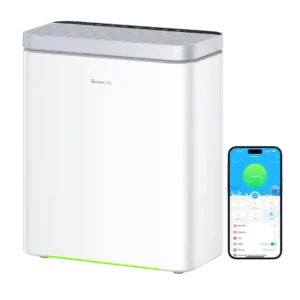
Choose the H7124 if you want a quiet smart purifier for odors, dust, pets, and app control. Skip it if you need foolproof Wi-Fi, wall-facing intake, UV light, or strong...
Pros: air purification performance, noise level
Cons: control placement
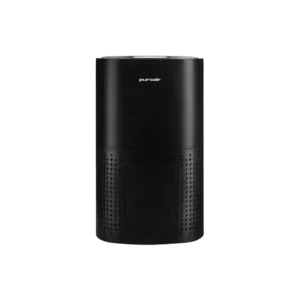
Best for quiet, simple cleaning in bedrooms or apartments. Skip it if you need verified large-room CADR value, app control, or guaranteed neighbor-smoke removal.
Pros: noise level, air purification performance
Cons: filter replacement cost, air quality sensor accuracy
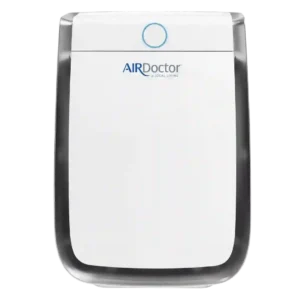
Best for strong room cleaning, allergy relief, odor control, and simple operation. Skip it if high filter costs, a larger footprint, or possible nighttime fan noise would bother you.
Pros: air purification performance, overall satisfaction
Cons: filter replacement cost
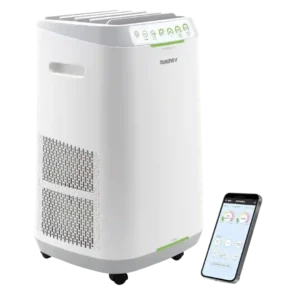
Choose this if you want strong odor, dust, smoke, and pet-air cleanup with washable filters. Skip it if turbo noise, Wi-Fi setup, or a high upfront price will bother you.
Pros: overall satisfaction, air purification performance