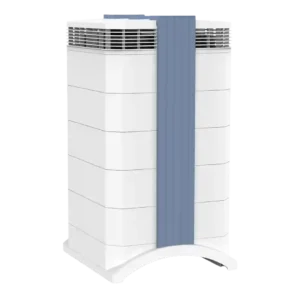
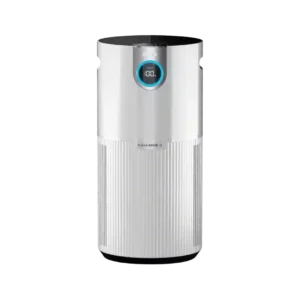
IQAir GC Multigas XE
Where It Has the Edge
No clear scored advantage over the other product.

Scorata scores summarize analyzed review evidence on a 1–5 scale; they are not laboratory measurements or a simple average of customer star ratings. Feature scores summarize the reviews covering that feature. The overall score averages feature scores within each review, then combines review averages. When both expert and customer evidence are available, those two groups receive equal weight. Products can have different review coverage, so small score gaps do not establish a winner.
Recommendations prioritize important features for the category, with a score of at least 3.5, a gap of at least 0.25 points and at least two supporting reviews per product. Features with widely varying scores or broad connectivity contexts are excluded from recommendations. These safeguards do not establish statistical significance.
Quick verdict
The available evidence supports the recommendation below, but does not establish an overall winner. Check the remaining features against your priorities.
There is not enough comparable review evidence to recommend IQAir GC Multigas XE over the other product.
Choose Shark HP201 for filter stages and portability.
No clear scored advantage over the other product.
Scores are out of 5. Missing scores mean missing review evidence, not a missing feature.
Many owners felt a clear improvement in air quality, sometimes within an hour or less. The downside is serious: several damaged or filterless units reportedly made no difference or even made the air feel worse.
Most owners say the HP201 makes rooms feel cleaner or fresher, often noticing the change quickly. A smaller group says their unit did not seem to clean effectively or failed after a period of good performance.
Replacement costs were a sore spot in negative reviews. Owners cited expensive replacement filters and carbon-related replacement costs after already paying a premium for the purifier.
Replacement filter cost is a recurring pain point. Buyers call Shark’s filter pricing excessive, mention an $80 filter, or look for cheaper aftermarket options.
Noise feedback is mixed. One owner found it super quiet for sleep, but others said full blast was loud, a prior unit rattled, or an unbalanced fan made the purifier vibrate even on low.
Noise is split: many owners call it quiet or whisper quiet, especially on low or normal operation. High speed, red-zone cleaning, and heavy odor/smoke events can get loud enough to affect TV or sleep-sensitive use.
Filter availability was a serious problem for one buyer who said carbon cartridges were out of stock with no ETA. For people who need the purifier for health reasons, that shortage made the purchase feel risky.
Replacement availability is favorable when buyers can find filters on Amazon. The easier availability is offset by concerns about official filter pricing.
Missing filters were a severe issue in multiple reviews. Owners reported units shipped without filters or with the main filters absent from the factory, making the filtration system unusable as received.
Filter construction is seen as large and capable, with a pre-filter and HEPA layer called out. Large filter capacity is a plus for owners running the unit continuously.
VOC sensing drew a strong complaint from a buyer who said auto mode never registered or reacted to obvious VOC levels. There is not enough positive VOC-sensor feedback to offset that specific failure report.
VOC-like sensing is mixed but useful for odors and vapors: owners mention perfume, cleaning sprays, strong cooking smells, and even body odor triggering the unit. One critic says it senses vapors better than actual dust.
A chemically sensitive owner liked that the purifier reacted at low levels and ramped up before conditions felt severe. Sensor praise is present, but it comes from a small number of positive experiences.
Sensor accuracy is the most polarized feature: many owners love seeing it react quickly to smoke, cooking, candles, perfume, or dust. The main bad pattern is defective or clogged sensors reading 100%, 0%, or nonsense values.
Auto mode is one of the most split areas: happy owners said it ramps up when the air changes, while one VOC-focused owner said it stayed on low and failed to respond. Buyers relying on automatic VOC response should be cautious.
Auto mode is widely liked because it reacts to cooking, odors, smoke, and particles without babysitting. Complaints come from sensor failures that make auto mode run constantly or change speeds annoyingly.
Filter life has a real split: one happy owner expected more than a year for some filters, while heavy VOC exposure or another bad unit experience led to much shorter replacement timelines. Usage conditions appear to matter a lot.
Filter life varies by home and use. Some owners go six months without changing it, while smoke-heavy use and one negative review describe much shorter filter life.
The carbon media got credit for tackling a severe VOC event, but one owner said an extreme sewage and cleaner incident saturated it quickly. It looks powerful for gas-heavy situations, with filter life depending heavily on exposure.
The carbon layer is viewed as solid but not class-leading for odors. One comparison says the Shark filter has enough carbon for particles while another purifier may be stronger on smells.
Reliability is a major concern in the negative reviews. Owners reported a burnt smell after two months, rattling within weeks, and an unbalanced fan right out of the box.
Reliability is the biggest concern. Several units stopped working, malfunctioned, or developed sensor failures, even though many others worked well during the review period.
Support experiences were mostly negative, with owners describing unanswered exchange requests, unhelpful chat guidance, copy-paste Wi-Fi advice, and frustrating return help. This is one of the clearest service complaints.
Customer support receives mixed but often helpful feedback. Some buyers praise Shark support or replacements, while others describe difficult calls or only partial discount offers.
Value is one of the weakest areas in negative reviews. Several buyers felt the high price was hard to justify when units arrived cracked, incomplete, plastic-feeling, hard to connect, or costly to return.
Value is strongly tied to whether the unit keeps working. Many buyers say it is worth the price or a great deal, but failures, filter costs, and high upfront price make others regret the purchase.
Returns and replacements caused repeated frustration. Buyers described restocking fees, return shipping costs, slow refunds, and unreasonable return instructions after receiving defective or incomplete units.
Replacement handling can resolve a failed unit, but it is not always convenient. One owner had to pay shipping and another waited a week after cutting the cord.
Arrival condition is a major pain point. Several owners received cracked, broken, dusty, incomplete, or filterless units, though one reviewer did say their unit arrived in wonderful shape.
Arrival condition is mostly fine when mentioned, but a few buyers received missing instructions or suspicious secondary packaging. One delivery was praised for protective double boxing.
Ease of use ranges from excellent to frustrating. Owners praised easy setup and app-guided filter replacement, but others found the out-of-box experience lousy or confusing without better instructions.
Setup and daily use are easy for most owners, with simple controls and quick assembly. The main control complaint is an unresponsive touch fan-speed button on one returned-looking unit.
Particle removal was only directly discussed by a buyer whose filterless unit did not change particulate readings. That result reflects a defective or incomplete unit rather than a full performance pattern.
Particle removal gets strong marks when reviewers see it react to cooking, dust, or airborne debris. Praise centers on quick recognition and visible improvement rather than lab-style measurements.
Portability complaints came from missing wheels and a heavy, awkward-feeling design. No one praised moving the unit around, so mobility confidence is low.
Portability is a quiet plus: several owners describe the unit as light enough to move between rooms or easy to lift when needed. Its larger size keeps portability from being universally effortless.
A gas-sensitive owner said sitting near the purifier made them feel obviously better. Another reported burning eyes, mouth irritation, and dizziness from fumes, making comfort outcomes highly dependent on the unit experience.
Breathing relief is a real strength in allergy-sensitive homes. Reviewers mention easier breathing, less morning stuffiness, and meaningful improvement for people with respiratory discomfort.
Odor and fume handling cuts both ways. Some owners said it kept fumes away or made air smell fresh, while others said units produced burnt, BBQ-like, or unhealthy gas smells.
Odor removal is a major crowd-pleaser for cooking smells, pets, litter boxes, candles, and smoking. A few disappointed buyers said musty or pet smells were not reduced well enough.
Fan controls were appreciated by one owner who liked choosing manual fan settings or a balanced mode. Broader feedback on the speed range is limited.
Fan speed controls give useful manual range, though some owners dislike the way speeds jump or get loud at higher levels. Multiple settings and auto mode make everyday use flexible.
Documentation drew a direct complaint from an owner who could not find a manual or useful setup guidance. That left them unsure what controls and indicators meant.
Documentation is uneven. Some owners found the instructions easy, while others said key sensor-cleaning information was missing or the manual was absent or wrong.
Overall satisfaction is polarized. Enthusiastic owners loved the purifier and its results, while several unhappy buyers gave extremely low recommendations after quality, delivery, or support failures.
Overall satisfaction is high among owners whose units work correctly, with many saying they love it, would buy again, or wish they had bought more. Dissatisfied reviews concentrate on failed sensors, short lifespan, and poor perceived value.
Dust reduction received a clear positive note from an owner who said the room stayed cleaner with less dust. There is not enough feedback to judge dust performance across many homes.
Dust reduction is one of the clearest strengths, especially in homes with pets, fields, cooking, or visible buildup. A few buyers still found dust on the unit or nearby surfaces and felt disappointed.
One VOC-heavy basement incident suggested the purifier could help protect an adjacent room from fumes. Room coverage feedback is promising but very limited.
Room coverage works well for many bedrooms, apartments, upstairs rooms, and even larger open areas, but some buyers recommend oversizing the unit for faster turnover. A few felt it could not cover an entire apartment.
Maintenance is either app-guided and manageable or physically frustrating. Positive feedback mentions filter alerts, while a negative review says the arms would not stay locked and blocked HEPA access.
Maintenance is easy for basic filter replacement, but sensor cleaning is a real frustration. Several owners say clogged sensors are hard to access or not explained well enough.
One owner connected the louder high setting to a strong fan, seeing the airflow as part of the purifier's power. There is only light feedback on circulation, so this is more a single-user impression than a broad pattern.
Air movement feels strong to many buyers, sometimes powerful enough to be overkill in small rooms. One Spanish-language reviewer wished it had more reach for a whole apartment.
Real-time monitoring is a bright spot for app fans, who liked seeing indoor and outdoor air quality and watching the unit react. Negative sensor experiences show this benefit may not be consistent for every buyer.
Real-time monitoring makes the product feel useful and informative, especially when cooking or when outdoor air changes. Buyers like watching percentages and particle information move as the unit responds.
Allergy-focused owners were very positive, with one calling the purifier a lifesaver and another saying it helped a lot. The strongest praise comes from people who bought it specifically for sensitivity or allergy relief.
Allergy relief is a common positive theme, with several owners saying sneezing, stuffiness, or family allergy symptoms improved. Pet and dust-heavy households mention this benefit most often.
Wi-Fi reliability was a clear frustration. Owners described difficult setup, network compatibility limitations, and one unit that could not be scanned at all.
Wi-Fi feedback is sparse and contradictory to other comments, with one customer praising WiFi connectivity. There is not much detail on stability or setup.
Smart controls were useful for an owner who liked remote app control and automatic ramping. Other connectivity complaints mean the smart experience is not guaranteed to feel smooth.
Smart features are a tradeoff: Clean Sense and auto reactions feel smart to many buyers, but some critics see the feature set as basic or ineffective. Lack of app control is the most concrete limitation.
The app divides owners sharply. Some liked checking air quality and controlling the purifier from the app, while another owner found the app far worse than a competing Dyson setup.
App connectivity is a clear drawback in the expert review because the HP201 lacks a smart app. Buyers who want connected controls may find that missing.
Design impressions are mixed but lean negative when construction enters the conversation. One owner liked the design visually, while others focused on plastic materials, heaviness, and unsafe-feeling access points.
Design is a consistent positive: reviewers call it sleek, stylish, good-looking, and not an eyesore. The white version and overall appearance get specific praise.
Build quality earns both praise and heavy criticism. One owner called the quality superior, but many others complained about plastic construction, loose parts, rattling, and components that felt fragile or unsafe.
Build quality is mostly viewed as sturdy or high quality when new. A few disappointed owners expected more from the Shark name when durability or controls failed.
The unit was described as physically significant, roughly three feet tall and narrow. Size did not dominate feedback, but buyers should expect a noticeable appliance rather than a compact purifier.
The HP201 is not tiny, and several buyers describe it as large or bigger than expected. Even so, many still find the size manageable, attractive, or worth it for larger rooms.
Sleep feedback was positive from one owner who said the quiet operation and cleaner monitored air made sleeping easier and more comfortable. There is not much sleep-specific feedback beyond that.
Sleep benefits are meaningful for bedroom users, especially people dealing with allergies, dust, or stuffiness. Several owners say sleep quality improved after using it.
The strongest air-change guidance favors medium rooms over the full advertised maximum. One expert estimated better turnover around 400 to 450 square feet.
Child lock is seen as useful for families and homes with curious kids or pets. Reviewers like being able to stop accidental button presses.
Controls are usually simple, but one buyer reported a touch fan-speed control that was not responsive. Expert walkthroughs otherwise describe the touch buttons as straightforward.
Eco mode is appreciated for saving energy and filter life after the room reaches clean air. Reviewers like that it can settle down instead of running hard all the time.
The HEPA-style filtration is discussed positively in the expert walkthrough, mainly as part of the substantial internal filter design. Customer reviews focus more on results than the filter standard itself.
Indicator lights help communicate air quality status clearly. The expert walkthrough calls out color changes as part of the basic feedback system.
Initial or emitted smells are a serious mixed-to-negative theme. One owner was still airing out new-machine chemicals, while others reported burnt or weird fume smells and physical irritation.
Pet households often report less dander and cleaner-feeling air around dogs, cats, and birds. This is a recurring reason people recommend it for allergy-prone homes.
Pet hair and fur performance is generally positive, with many pet owners seeing less hair and dust. One Spanish-language owner says it only pulls nearby airborne hairs.
PM2.5 detection is mentioned in both feature walkthroughs and one negative dust comparison. The strongest complaint says another purifier detected 2.5-micron dust while this Shark still reported perfect air.
Pollen comments are mostly positive, with reviewers using it during seasonal pollen or open-window periods. One negative owner said pollen barely changed the reading before it returned to clean.
Power use is mixed from limited comments. One Spanish-language owner says it does not use much electricity, while another says to expect a higher electric bill.
Safety concern is rare but serious: one owner threw away malfunctioning units because they worried about fire hazard. This is not a broad pattern, but it matters for risk-sensitive buyers.
The timer is useful for controlling runtime, with the walkthrough noting a 12-hour maximum. It is a simple scheduling feature rather than full app-based scheduling.
Sleep mode gets direct praise from a bedroom user who liked running it overnight without bright lights. The quiet low-speed operation supports bedroom use for many reviewers.
Smoke performance is generally helpful for cooking smoke, candle smoke, cigarette smoke, and wildfire smoke. It may run hard or take time when the air is heavily contaminated.
VOC performance is sharply split. Some owners praised it for chemical sensitivity and a severe basement VOC event, while others said VOC readings failed to improve, the unit did not react, or VOC levels rose during use.
Display feedback is helpful for many buyers, but readability and meaning can be confusing. Complaints mention cryptic scoring, a wrong display value, or bright lights unless sleep mode is used.
Listing accuracy drew concern from buyers who suspected used or incomplete units were sold as new. Missing factory filters and logged use time made some owners distrust what they received.
The pre-filter comes across as thick and substantial in the expert walkthrough. Owners who added extra pre-filter material also saw it as a way to stretch filter life.
Durability is mixed. Some owners report good longevity over many months or nearly two years, while others had units fail suddenly, sometimes around one or two years.
Power connector feedback appears only in a replacement story where support required cutting the cord. It is a negative service experience rather than a normal fit complaint.
Warranty coverage helps, with a two-year warranty mentioned in replacement stories. The downside is that failures just outside coverage can leave buyers feeling unsupported.
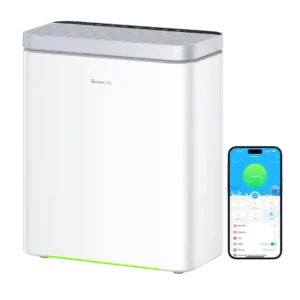
Choose the H7124 if you want a quiet smart purifier for odors, dust, pets, and app control. Skip it if you need foolproof Wi-Fi, wall-facing intake, UV light, or strong...
Pros: air purification performance, noise level
Cons: control placement
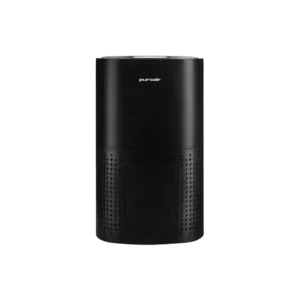
Best for quiet, simple cleaning in bedrooms or apartments. Skip it if you need verified large-room CADR value, app control, or guaranteed neighbor-smoke removal.
Pros: noise level, air purification performance
Cons: filter replacement cost, air quality sensor accuracy
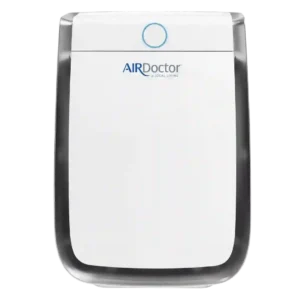
Best for strong room cleaning, allergy relief, odor control, and simple operation. Skip it if high filter costs, a larger footprint, or possible nighttime fan noise would bother you.
Pros: air purification performance, overall satisfaction
Cons: filter replacement cost
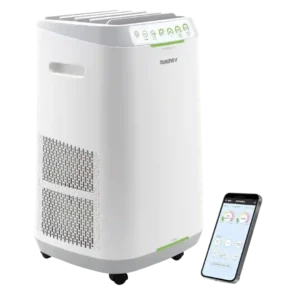
Choose this if you want strong odor, dust, smoke, and pet-air cleanup with washable filters. Skip it if turbo noise, Wi-Fi setup, or a high upfront price will bother you.
Pros: overall satisfaction, air purification performance