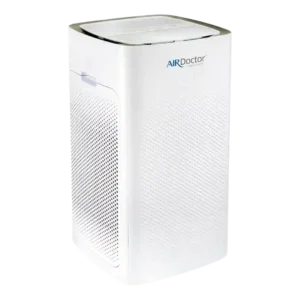
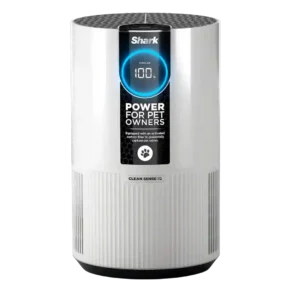
AirDoctor AD5000
Where It Has the Edge
- overall satisfaction is 4.9 vs 4.5. Overall satisfaction is high across owner reviews. Customers repeatedly say they are happy, recommend it, or call it...

Scorata scores summarize analyzed review evidence on a 1–5 scale; they are not laboratory measurements or a simple average of customer star ratings. Feature scores summarize the reviews covering that feature. The overall score averages feature scores within each review, then combines review averages. When both expert and customer evidence are available, those two groups receive equal weight. Products can have different review coverage, so small score gaps do not establish a winner.
Recommendations prioritize important features for the category, with a score of at least 3.5, a gap of at least 0.25 points and at least two supporting reviews per product. Features with widely varying scores or broad connectivity contexts are excluded from recommendations. These safeguards do not establish statistical significance.
Quick verdict
The review evidence points to a tradeoff: overall satisfaction versus HEPA filtration. Choose according to which strengths matter more to you; the overall score alone does not settle that choice.
Choose AirDoctor AD5000 for overall satisfaction.
Choose Shark HP102PET for HEPA filtration.
Scores are out of 5. Missing scores mean missing review evidence, not a missing feature.
Noise feedback is mostly positive from owners, who often call it quiet or almost silent. Expert testing adds nuance: low speed is sleep-friendly, but higher settings can get loud.
Quiet operation is a major strength, especially in bedrooms. Noise complaints mostly appear on high speed or when auto mode ramps up overnight.
Replacement-filter cost is the biggest recurring complaint. One expert calculated a higher annual cost for official filters, and an owner called the replacement filters outrageous.
Replacement-filter cost is mixed, with one buyer finding filters cheaper than alternatives while others call them expensive or worry about frequent replacement.
The washable pre-filter is easy to clean, with one reviewer saying it can simply be washed off.
Reusable-filter expectations are a drawback because one reviewer says the filters are not reusable.
The air-quality sensor impressed reviewers when it reacted to dust, toxins, and cooking smoke. Its color changes and automatic response made the pollution changes visible.
Sensor feedback is mixed: many say it reacts quickly, while a few report stuck readings, clogs, or errors.
Filter availability appears workable, with the reviewer noting holiday deals on AirDoctor and replacement filters.
Replacement filters were easy for one buyer to find, but another notes that proprietary filters are part of ownership.
Filter life looks acceptable in long-use comments, with replacement indicators appearing after months of use. Heavy dust or renovation conditions may shorten the practical interval.
Filter life varies widely. Some owners report months of use, while pet-heavy or dusty homes can burn through filters quickly.
Auto mode is praised for reacting to changing air conditions without much user attention. Reviewers liked that it increases power when the air gets worse and settles down afterward.
Auto mode is widely liked because it reacts to cooking, smoke, sprays, odors, pets, and poor air without manual adjustment.
The front LED air-quality display is described as useful because it clearly shows air status while the purifier runs.
The display is generally liked for clarity and reassurance, but it can be too bright for dark rooms.
The activated carbon filter earns praise in the context of fumes and renovation smells. The reviewer was glad to have that layer when paint and chemical odors were present.
The activated carbon layer is credited with neutralizing odors in the most detailed pet-owner review.
The multi-stage filtration setup is viewed positively by the owner who liked that the purifier covered larger contaminants, gas/VOC filtration, and ultra-fine particle capture.
The multi-stage filter is liked where HEPA particle capture and activated carbon odor control are discussed together.
Reliability has one repeated caveat: after a power outage, the purifier may stay off until manually restarted. Otherwise, long-use comments do not raise broader failure complaints.
Reliability is mixed. Many units run well, but sensor clogs, nonworking units, and post-filter performance drops show real risk.
Customer support receives a strong positive mention. The reviewer found the support team helpful enough to recommend contacting them before DIY troubleshooting.
Support feedback is split between a positive Shark replacement and a very frustrating return experience.
Filter replacement is fairly easy in hands-on use. Ribbon pulls, quick reinstallation, and simple reset steps make the process manageable.
Replacement and return experiences vary, from a smooth Shark replacement to a slow return and disappointment after installing new filters.
Value is mixed. Reviewers often feel the performance is worth paying for, but the high purchase price and replacement-filter cost make it less appealing for budget buyers.
Value is mostly positive, with many calling it worth the money or a good investment. Filter costs and pet-version doubts are the main caveats.
Ease of use is a consistent bright spot. Setup, controls, and filter access are repeatedly described as simple, intuitive, or straightforward.
Reviewers mention ease of use in a way that affects their satisfaction with the purifier.
Air changes per hour are a standout for large spaces. Reviewers liked that it can cycle air repeatedly in roughly 1,001 square feet or cover a larger area with fewer changes.
Air-change feedback is negative in the one review that compares once-hourly cleaning with a higher CADR-style expectation.
CADR is framed as part of the AD5000’s large-room strength. The measured airflow capacity supports its role as a high-output purifier.
The one CADR-focused comment is negative, arguing the practical CADR is lower than the room-size claim implies.
Particle cleanup is one of the clearest strengths. Testers reported steep reductions in particulates and PM2.5, while owners liked its ability to capture very small airborne particles.
Particle removal gets positive comments where reviewers mention contaminants or pollutants. The theme overlaps with broader praise for dust, smoke, and pet-related air cleaning.
The fan-speed range gives users more manual control when they want faster cleanup. One reviewer specifically noted six speed levels.
Owners appreciate having multiple fan or setting choices, though higher settings can be louder.
Dust performance comes up in renovation, apartment, and contaminant-size comments. Reviewers saw dirty filters and cleaner air as signs that the unit was pulling dust from the space.
Dust reduction is a recurring strength, with several buyers reporting less dusting or visible dust collected by the filter. One user was less convinced after still needing to dust furniture.
Maintenance is generally straightforward. Reviewers describe simple filter access, easy one-handed handling, and routine cleaning or replacement steps.
Maintenance is usually described as easy, but clogged sensors and fast-loading filters make upkeep more demanding for some owners.
Real-time air-quality feedback is useful and easy to understand. Reviewers liked seeing the front light show air status and guide how hard the unit was working.
The live air-quality percentage or display is reassuring for many buyers. Brightness can be annoying in dark bedrooms.
Filter indicator lights are appreciated because they remove guesswork from replacement timing. Owners liked knowing when carbon or HEPA filters needed attention.
Indicator-light control is helpful when lights can be turned off; bright lights are a repeated sleep complaint.
Documentation and guidance are viewed positively. Owners mention easy setup instructions and useful education about home air quality.
Reviewers mention documentation quality in a way that affects their satisfaction with the purifier.
VOC and chemical-smell handling is treated as a meaningful advantage, especially around paint, caulking, and gas-trap filtration. The carbon/VOC layer is seen as useful for renovation and household odors.
VOC-related comments are limited but positive, mostly around sprays, hair products, and gas-range use triggering air-quality changes.
Sleep-friendly use is helped by quiet mode and dimmable lights. Reviewers liked being able to turn off the display at night while the purifier kept running.
Sleep mode and nighttime display controls are appreciated by bedroom users who want the purifier running without bright lights.
Odor control is praised for both everyday smells and mildew. One owner says it eliminated mildew odor in a cabinet, while another highlights toxic-odor reduction.
Odor reduction is one of the clearest wins, with repeated praise for reducing dog smell, litter-box odor, cooking smells, mustiness, and stale room air.
Allergy relief is one of the strongest owner-reported benefits. Reviewers mention improved allergies, sinus congestion, morning cough, and headache or allergy symptoms.
Many buyers with allergies, sinus issues, or asthma-like symptoms describe easier breathing, fewer symptoms, or better sleep.
Overall satisfaction is high across owner reviews. Customers repeatedly say they are happy, recommend it, or call it their favorite purifier.
Reviewers mention overall satisfaction in a way that affects their satisfaction with the purifier.
Room coverage is a major reason to buy this model, especially for open living areas, offices, and large rooms. The downside is that one owner returned it because the unit did not fit the intended area.
Room coverage is mixed: many like it for bedrooms and smaller spaces, while some question larger-room or 500-square-foot expectations.
Breathing-relief comments are strong and personal. Reviewers mention reduced morning cough, sinus congestion, headaches, allergy symptoms, and noticeable help for an allergic family member.
Breathing relief appears often in comments about COPD, sinuses, coughing, asthma symptoms, and pet allergies.
Pet-related confidence is tied mostly to litter-box and cat-allergy use. The purifier reacted to cat-area air changes and was viewed as helpful in a pet household.
Pet owners frequently report better air around dogs, cats, litter boxes, pet hair, and dander. Heavy pet homes may need more filter care.
HEPA filtration is central to the positive performance story. Expert reviewers point to the tall HEPA filters as a major reason the unit cleans so effectively.
HEPA filtration is praised in the detailed reviews that discuss particle capture and cleaner-feeling air.
Mold-spore coverage is inferred from the buyer’s contaminant-size reasoning and confidence in the purifier’s very small particle capture.
Mold-related feedback is limited to a musty older-home experience where the buyer connected cleaner air with less coughing.
Portability is better than the size suggests. Wheels are repeatedly praised, and several reviewers say it is easy to roll between rooms or across floors.
Portability has limited but positive feedback from a buyer who calls the unit lightweight.
Smoke and wildfire use are recurring positives. Owners mention cooking smoke, wildfire season, and California air as situations where the purifier made them more comfortable.
Smoke and wildfire-related feedback is strongly positive. Reviewers say the unit reacts to fire smoke, cooking smoke, vaping, and bad outdoor air.
The design is simple and clean rather than flashy. Reviewers liked the slick look, plain controls, and the way it blends into a room.
Design feedback is positive, with buyers calling it sleek, modern, or easy to blend into a room.
Build quality is a strength in both expert and owner comments. The unit is described as sturdy, well built, and made with durable-feeling plastic.
Build quality is generally praised with comments like quality, workhorse, and strong filter, though durability complaints appear elsewhere.
Durability impressions are positive from the expert build check, which found the plastic sturdy and durable-feeling.
Durability is polarized: some report long trouble-free use, while others say the unit failed within nine months to just over a year.
Size is the most obvious tradeoff. Many reviewers accept the big footprint because of the coverage, but one owner returned it because it was too large for the space.
Most owners like the compact footprint and bedroom-friendly size. One buyer thought it looked larger than pictured.
Sleep benefit is tied to low noise rather than a dedicated sleep outcome. One reviewer preferred the AD5000 over the smaller model for a noise-sensitive bedroom.
Several buyers connect the purifier with better sleep or easier nights, especially during allergy, sinus, or smoke problems.
The AD5000 is consistently described as a strong purifier, with lab-style testing and owners both saying it cleans air very well. A few comments are broad rather than technical, but even the critical filter-cost review still says the unit works well.
Listing accuracy is mixed, with complaints about size, pet-version differentiation, and the 500-square-foot claim.
The pre-filter looked visibly loaded after dusty renovation use, which made its particle-catching role feel tangible.
VOC sensor comments are practical and positive, especially around sprays, hair products, and gas-range use.
Air circulation is strong for a household purifier. Expert airflow testing and owner comments both point to high air movement for large volumes.
The ionization feature is mentioned positively by one owner, who included it among the things they loved about the unit.
Ozone output tested well in the expert review, with no measurable ozone produced during the purification test.
Particulate-category detection gets a narrow but positive mention from a buyer who liked seeing different particle categories measured.
Pollen is mentioned as one of the contaminants the buyer wanted protection from, and the tiny-particle filtration was a major reason for choosing the purifier.
Remote control is a missing convenience. Expert reviewers call out that all adjustments must be made directly on the purifier.
One owner liked that the purifier also blows cool air, adding a small comfort benefit beyond purification.
Virus-reduction confidence comes from the purifier’s tiny-particle claims and ultra-fine filtration. Owners mention viruses and bacteria when explaining why they felt comfortable buying it.
App connectivity is a clear weakness. Expert reviewers repeatedly note that the AD5000 has no app control.
Smart features are limited. The purifier focuses on raw performance and simple controls rather than connected app-based convenience.
Reviewers mention condition on arrival in a way that affects their satisfaction with the purifier.
Warranty coverage is somewhat cautious. The reviewer learned that disassembling the unit could invalidate the warranty, so owner troubleshooting should be limited.
The side holder design helps offset the purifier’s weight. The reviewer liked being able to grip and transport it despite the heavy body.
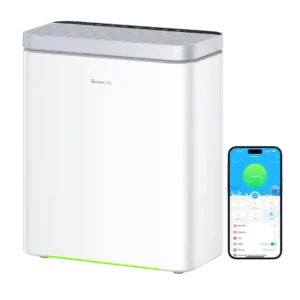
Choose the H7124 if you want a quiet smart purifier for odors, dust, pets, and app control. Skip it if you need foolproof Wi-Fi, wall-facing intake, UV light, or strong...
Pros: air purification performance, noise level
Cons: control placement
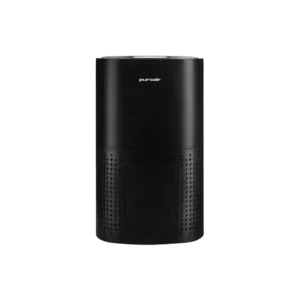
Best for quiet, simple cleaning in bedrooms or apartments. Skip it if you need verified large-room CADR value, app control, or guaranteed neighbor-smoke removal.
Pros: noise level, air purification performance
Cons: filter replacement cost, air quality sensor accuracy
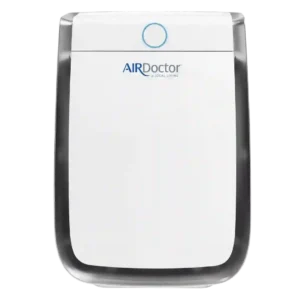
Best for strong room cleaning, allergy relief, odor control, and simple operation. Skip it if high filter costs, a larger footprint, or possible nighttime fan noise would bother you.
Pros: air purification performance, overall satisfaction
Cons: filter replacement cost
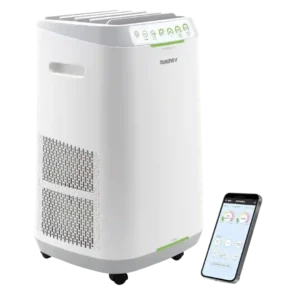
Choose this if you want strong odor, dust, smoke, and pet-air cleanup with washable filters. Skip it if turbo noise, Wi-Fi setup, or a high upfront price will bother you.
Pros: overall satisfaction, air purification performance