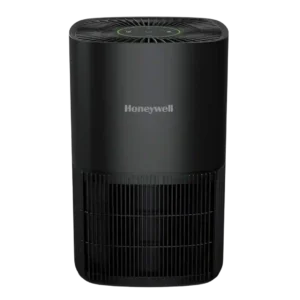
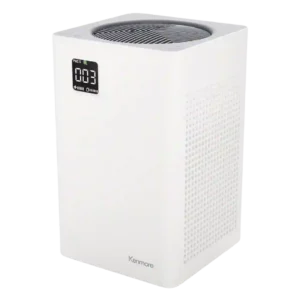
Honeywell HPA125
Where It Has the Edge
No clear scored advantage over the other product.

Scorata scores summarize analyzed review evidence on a 1–5 scale; they are not laboratory measurements or a simple average of customer star ratings. Feature scores summarize the reviews covering that feature. The overall score averages feature scores within each review, then combines review averages. When both expert and customer evidence are available, those two groups receive equal weight. Products can have different review coverage, so small score gaps do not establish a winner.
Recommendations prioritize important features for the category, with a score of at least 3.5, a gap of at least 0.25 points and at least two supporting reviews per product. Features with widely varying scores or broad connectivity contexts are excluded from recommendations. These safeguards do not establish statistical significance.
Quick verdict
The available evidence supports the recommendation below, but does not establish an overall winner. Check the remaining features against your priorities.
There is not enough comparable review evidence to recommend Honeywell HPA125 over the other product.
Choose Kenmore PM2010 for smoke removal and fan speed options.
No clear scored advantage over the other product.
Scores are out of 5. Missing scores mean missing review evidence, not a missing feature.
Most reviewers said the purifier improved perceived air quality or worked well, though a few reported little or no noticeable effect.
Most owners describe noticeably fresher air, quick cleanup after cooking, smoke, pets, or dust, and better air in bedrooms and living areas. A smaller group found it underpowered, ineffective, or tied to failures that spoiled the experience.
Replacement filter cost was mixed: one reviewer expected expense, while another considered refill filters decently priced.
Filter cost splits owners. Several call replacements affordable or not hard to budget for, but others say ongoing filter costs are expensive, especially in homes with multiple cats or frequent replacements.
Quiet operation was one of the strongest themes, although high mode could become loud for sleep-sensitive users.
Quiet operation is one of the product’s strongest recurring strengths, especially on low, auto, and sleep settings. The tradeoff is that higher speeds can be loud enough to hear over TV or feel intrusive in small rooms.
Filter availability was a pain point because one reviewer struggled to find the correct replacement filter.
Replacement availability gets reassuring comments from buyers who wanted a trusted brand. Owners specifically liked that true Kenmore filters were available and not hard to find.
One reviewer disliked the lack of a numeric air-quality score and noted that the display only used colored lights.
The display is generally easy to read and useful, showing air quality, fan level, filter status, or color-coded information. Brightness complaints are tied more to indicator lights than readability.
Listing accuracy was mixed, with one wrong-color complaint and one reviewer saying the product matched the image.
The 1200 sq ft room claim drew skepticism from a small-room user who would not trust it for that full coverage. Coverage praise exists elsewhere, but this claim is not universally accepted.
One reviewer said the washable filter option was more cost efficient.
One buyer loved the washable filters and the ability to see what stirred up air quality. Washable-filter praise is positive but not a major recurring theme.
Auto mode was repeatedly praised for reacting to conditions and changing fan speed without much user intervention.
Auto mode is one of the most-liked features, with owners loving how it senses cooking, smoke, dust, sprays, candles, or litter box activity and ramps the fan automatically. A few units had sensor or auto-mode failures, and one owner found the fan changes too frequent.
Sensor-related comments were positive overall, with reviewers saying the unit detected air quality changes and airborne particulate.
The sensor earns strong praise for reacting to cooking, dust, candles, laundry, cats, smoke, and other air changes. Reliability is the caveat, with a few reports of stuck, malfunctioning, or overly aggressive sensors.
Reliability evidence was positive but limited, with reviewers reporting no issues or no problems so far.
Reliability is inconsistent. Positive reports mention months of steady use, but recurring complaints involve shutoffs, defective buttons, bad sensors, and units that stop working early.
The replacement-filter experience was criticized because linked or searched filters appeared mismatched or unrelated.
Replacement experience is one of the roughest areas. Owners report unavailable replacement parts, long replacement waits, backorders, and frustrating warranty-style steps.
Value feedback was positive overall, with reviewers calling it worth the money or well priced.
Value is a major selling point when the purifier works, with buyers praising the price, sale cost, and performance compared with more expensive options. Value falls when filters add up or reliability problems appear.
Arrival-related evidence was mixed, with one timely arrival and one damaged package complaint.
Arrival experience is mixed. One unit arrived early and smaller than expected, while another buyer received damaged boxes and a replacement that appeared broken.
Setup and controls were described as easy or simple by the reviewers who mentioned them.
Setup and basic use are often described as simple, especially removing filter plastic, plugging in, and using auto mode. The repeated exception is the power/control buttons, which make some units frustrating to start or reset.
Instructions were praised as clear by the one reviewer who mentioned documentation.
Documentation is mixed: one buyer found the filter-plastic warning clear, while another said the manual’s contact information was no good. It is not a major strength or weakness for most owners.
Dust removal was mostly praised, with one clear complaint that it did not keep dust down enough for allergy relief.
Dust reduction is one of the clearest strengths. Pet owners and allergy sufferers repeatedly mention less dust on surfaces, dust collected in the filters, or less dusty air overall.
Sleep or night mode was praised as very quiet and helpful for overnight use.
Sleep mode is appreciated for quiet operation and turning off lights, but it is also one of the more mixed features. Several owners dislike that sleep mode locks the fan to a low setting or limits white-noise use.
One reviewer praised responsiveness to airborne particulate, supporting particle-related performance.
Particle cleanup is praised when the display drops back into the green or when dirty filters show how much grime was captured. The strongest comments describe fast recovery after smoke or visible debris.
Indicator feedback was useful, but one reviewer found the light too bright at night and another noted the simple color-only display.
Indicator lights are the most divisive design feature. Some owners like the filter indicator, night mode, or light level, while many bedroom users say the LEDs or screen are too bright.
One bedside review liked the 360-degree intake and top air output arrangement.
Air circulation feedback is positive where mentioned, with owners saying the unit moves plenty of air while staying quiet. Circulation is usually discussed as part of cleaner, fresher rooms.
Pollen-related evidence was limited but positive, with one reviewer saying fresh flowers no longer caused discomfort.
Pollen feedback is positive but narrower than dust feedback. Owners who mention pollen connect it with allergy relief and HEPA-style capture of airborne contaminants.
One reviewer liked that it could sit on a home office desk, supporting compact portability.
Portability gets a clear positive mention from an owner who moves the smaller unit easily and keeps it near the bed. There is little broader feedback on carrying or handles.
Room coverage was useful for small to medium spaces but drew complaints when used in larger bedrooms, apartments, or living rooms.
Room coverage is mostly praised in bedrooms, upstairs areas, living spaces, and smaller homes, with some owners buying additional units for more coverage. The 1200 sq ft claim is not universally trusted, and heavy pet/dirt conditions can overwhelm it.
Smoke-removal evidence was positive where reviewers mentioned wood stove smoke or smoke smell.
Smoke cleanup is a standout use case, especially for apartments, cooking smoke, and bedroom smoking. Several owners say the unit ramps up fast and clears smoke or smoke smell impressively.
Allergy-related feedback was mostly very positive, with multiple reviewers reporting easier breathing, less sneezing, or symptom relief.
Allergy relief shows up often, with owners mentioning less congestion, fewer morning symptoms, less sneezing, or no longer needing the same allergy routine. One failed unit left a buyer seeing no allergy benefit.
Fan controls were viewed positively where reviewers mentioned adjustable speed or automatic speed changes.
Fan speed flexibility is a popular strength, especially the five speeds and manual control. The main drawback is that some sleep/light settings limit the fan level users can choose.
Odor control was a consistent strength, especially for fresher bedrooms, dog smell, and smoke-related smells, with one negative outlier.
Odor reduction is frequently praised for cooking smells, smoke, cat litter, diapers, pets, and stale indoor air. A few users wanted stronger odor elimination, but most odor-specific comments are favorable.
Pet-related evidence was positive, with reviewers citing dog smell and pet dander reduction.
Pet dander control lands well with animal households. Owners with cats, dogs, rabbits, or bedrooms shared with pets describe dander and dust being reduced quickly.
One reviewer specifically valued the live color feedback because it showed when cleaning or air changes were needed.
Owners like seeing air quality in real time, especially when cooking, changing sheets, burning candles, or watching particle counts drop. Some enjoy the display enough that it becomes part of how they manage indoor air.
Overall satisfaction leaned strongly positive, though one reviewer was unhappy because they saw no benefit.
Overall satisfaction is high among owners focused on cleaner air, quiet operation, auto mode, and price; many bought another unit or would recommend it. Negative satisfaction comes from failed units, bad buttons, and poor support.
One allergy sufferer linked the HEPA filter use with breathing improvement after two days.
HEPA-related comments are generally positive, especially where owners connect the filter to dust, pollen, and cleaner air. One pet-heavy household flagged frequent HEPA filter replacement as expensive.
Several reviewers connected the purifier to better sleep, less stuffiness, or useful white noise at night.
Sleep comfort is mixed. Some owners like the white noise and night use, while others say bright lights or sleep-mode fan limits make bedroom use harder.
Build quality comments were positive, describing the unit as well made, well constructed, or good quality.
Build quality is split. Some buyers call the unit well built or nicely made, while others received damaged, rattling, or low-quality units that undermined confidence.
Reviewers repeatedly liked the compact size for nightstands, bedrooms, desks, and small rooms.
Most size comments are favorable: owners call it compact, small enough for a nightstand, or not bulky. A few note it is bigger than expected or only suitable for key small-room areas.
Design feedback was positive for the round shape and for blending into room decor.
Design feedback is mostly favorable, with owners calling it sleek, simple, cute, or a good match for a room. Complaints focus on bright-light design choices and an annoying sticker.
Customer support is a consistent pain point in negative reviews. Owners describe difficulty reaching help, replacement delays, being put on hold, and feeling abandoned after failures.
Warranty coverage sounds reassuring on paper, but the owner who invoked it was unhappy with the slow replacement process. The warranty did not offset the support frustration.
App connectivity is mostly a non-issue for the owners who mention it. They note there is no app or phone control, but both still felt the purifier handled the core job well.
Feature satisfaction is positive in a brief comment that liked the quiet operation, compact size, and overall feature set. Smart-feature feedback is otherwise mostly about auto mode and the air-quality display.
Breathing-related feedback is mostly positive, with owners mentioning less congestion, better breathing, allergy comfort, or relief from smoky apartments. One buyer with lung issues was unsure it helped.
Controls are the most repeated usability complaint. Many owners say the power button, timer button, or top buttons are hard to press, finicky, poorly designed, or tricky to learn.
One owner liked that the purifier runs hardest only when needed, framing auto mode as a way to save filter use and avoid constant top-speed cleaning. Energy-related feedback is otherwise minimal.
Maintenance is usually considered easy: owners vacuum filters, clean them for longer life, or replace them without fuss. Heavy dirt and pet homes may need much more frequent filter cleaning.
One reviewer believed the unit was helping with potential mold or mildew-related air issues.
Pet hair capture is mentioned through cat hair collected on the filters. The comment is positive, though pet-related feedback more often focuses on dander, dust, and odors.
The PM2.5 readout is described as a useful LCD feature, and one owner was impressed watching it drop after a smoke test. PM2.5 feedback is enthusiastic but not widely repeated.
Remote control feedback is simple: a couple of owners wish the purifier had one. The lack of a remote matters most when buttons are already hard to use.
One owner liked that the fan gives sleep-friendly white noise without filling the room with cold air. Temperature-mixing feedback is positive but very narrow.
Timer and scheduling controls are appreciated for setting run times and programming the unit around daily use. Feedback is positive, with the only control-related complaints showing up elsewhere around button feel.
Settings retention is a drawback after power outages. One owner disliked that the unit has to be turned back on instead of resuming automatically.
Durability is a major weak spot compared with the cleaning praise. Some units run well for months, but multiple owners report failures after a few months, around a year, or just under two years.
Filter life is mixed. Some owners report long life, six months of use, or plenty of life after greasy smoke, while others with pets or smaller rooms burn through filters much faster.
The two-filter setup is viewed as a plus, with owners liking the dual-sided intake and the idea of doing more work with less effort. No one complained about the filter-stage layout itself.
The H13 True HEPA filter is described as making a real difference for dust and morning allergies. True HEPA feedback is strong but comes from a small slice of the comments.
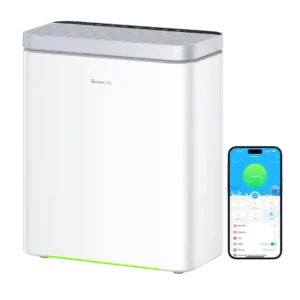
Choose the H7124 if you want a quiet smart purifier for odors, dust, pets, and app control. Skip it if you need foolproof Wi-Fi, wall-facing intake, UV light, or strong...
Pros: air purification performance, noise level
Cons: control placement
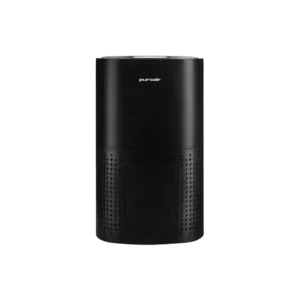
Best for quiet, simple cleaning in bedrooms or apartments. Skip it if you need verified large-room CADR value, app control, or guaranteed neighbor-smoke removal.
Pros: noise level, air purification performance
Cons: filter replacement cost, air quality sensor accuracy
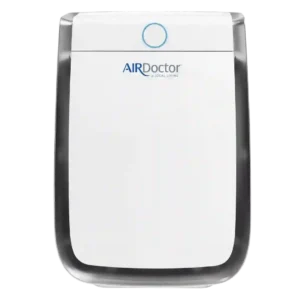
Best for strong room cleaning, allergy relief, odor control, and simple operation. Skip it if high filter costs, a larger footprint, or possible nighttime fan noise would bother you.
Pros: air purification performance, overall satisfaction
Cons: filter replacement cost
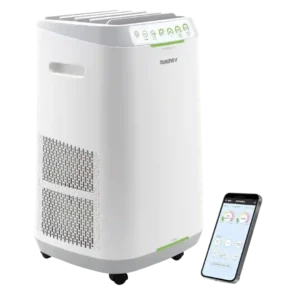
Choose this if you want strong odor, dust, smoke, and pet-air cleanup with washable filters. Skip it if turbo noise, Wi-Fi setup, or a high upfront price will bother you.
Pros: overall satisfaction, air purification performance