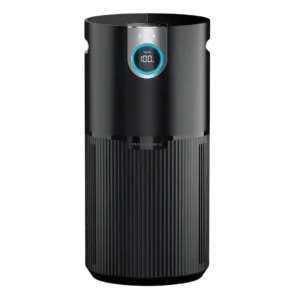
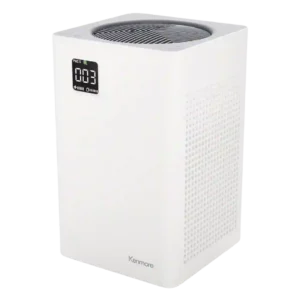
Shark MAX HP202
Where It Has the Edge
No clear scored advantage over the other product.

Scorata scores summarize analyzed review evidence on a 1–5 scale; they are not laboratory measurements or a simple average of customer star ratings. Feature scores summarize the reviews covering that feature. The overall score averages feature scores within each review, then combines review averages. When both expert and customer evidence are available, those two groups receive equal weight. Products can have different review coverage, so small score gaps do not establish a winner.
Recommendations prioritize important features for the category, with a score of at least 3.5, a gap of at least 0.25 points and at least two supporting reviews per product. Features with widely varying scores or broad connectivity contexts are excluded from recommendations. These safeguards do not establish statistical significance.
Quick verdict
The available evidence supports the recommendation below, but does not establish an overall winner. Check the remaining features against your priorities.
There is not enough comparable review evidence to recommend Shark MAX HP202 over the other product.
Choose Kenmore PM2010 for size and footprint and smoke removal.
No clear scored advantage over the other product.
Scores are out of 5. Missing scores mean missing review evidence, not a missing feature.
Most reviewers said the unit improved air quality, cleaned rooms quickly, or worked well, though a smaller group reported weak performance or failures.
Most owners describe noticeably fresher air, quick cleanup after cooking, smoke, pets, or dust, and better air in bedrooms and living areas. A smaller group found it underpowered, ineffective, or tied to failures that spoiled the experience.
Filter cost drew repeated complaints, though a few buyers found filters reasonable or saw savings from cleanable parts.
Filter cost splits owners. Several call replacements affordable or not hard to budget for, but others say ongoing filter costs are expensive, especially in homes with multiple cats or frequent replacements.
Most reviewers found low or auto settings quiet, while high speed, cycling, or failing auto mode could become loud or annoying.
Quiet operation is one of the product’s strongest recurring strengths, especially on low, auto, and sleep settings. The tradeoff is that higher speeds can be loud enough to hear over TV or feel intrusive in small rooms.
Sensor feedback was the most divided area: many liked the live readings, but repeated customers reported stuck 0%, unrealistic 100%, or humidifier-triggered readings.
The sensor earns strong praise for reacting to cooking, dust, candles, laundry, cats, smoke, and other air changes. Reliability is the caveat, with a few reports of stuck, malfunctioning, or overly aggressive sensors.
Filter availability was mixed: one customer found filters readily available, while another could not find Shark-brand replacements.
Replacement availability gets reassuring comments from buyers who wanted a trusted brand. Owners specifically liked that true Kenmore filters were available and not hard to find.
One customer valued being able to clean part of the filter with a rag and avoid frequent filter buying.
One buyer loved the washable filters and the ability to see what stirred up air quality. Washable-filter praise is positive but not a major recurring theme.
Filter life evidence was mixed, ranging from long-lasting filters to complaints that the filter dropped quickly or lasted only two months.
Filter life is mixed. Some owners report long life, six months of use, or plenty of life after greasy smoke, while others with pets or smaller rooms burn through filters much faster.
Auto mode was praised for reacting to cooking, smoke, and pollutants, but several owners disliked ramping, cycling, or failure to reach stable readings.
Auto mode is one of the most-liked features, with owners loving how it senses cooking, smoke, dust, sprays, candles, or litter box activity and ramps the fan automatically. A few units had sensor or auto-mode failures, and one owner found the fan changes too frequent.
Reviewers liked the clear digital readout, clean-air percentage, and easy-to-understand display.
The display is generally easy to read and useful, showing air quality, fan level, filter status, or color-coded information. Brightness complaints are tied more to indicator lights than readability.
Reliability was polarized: some units worked for a year or more, while many others developed sensor or power failures.
Reliability is inconsistent. Positive reports mention months of steady use, but recurring complaints involve shutoffs, defective buttons, bad sensors, and units that stop working early.
Customer support evidence was negative, with one owner saying they could not contact anyone after the unit failed.
Customer support is a consistent pain point in negative reviews. Owners describe difficulty reaching help, replacement delays, being put on hold, and feeling abandoned after failures.
One owner reported the unit worked fine immediately out of the box.
Arrival experience is mixed. One unit arrived early and smaller than expected, while another buyer received damaged boxes and a replacement that appeared broken.
Value was sharply split: happy owners called it worth the price, while failure, filter cost, or disappointing odor control made others call it overpriced.
Value is a major selling point when the purifier works, with buyers praising the price, sale cost, and performance compared with more expensive options. Value falls when filters add up or reliability problems appear.
Replacement evidence was mixed, with some easy warranty or company replacements and others frustrated by returns or unresolved requests.
Replacement experience is one of the roughest areas. Owners report unavailable replacement parts, long replacement waits, backorders, and frustrating warranty-style steps.
Set-up and daily operation were widely described as easy, with several users praising set-and-forget operation.
Setup and basic use are often described as simple, especially removing filter plastic, plugging in, and using auto mode. The repeated exception is the power/control buttons, which make some units frustrating to start or reset.
The color light indicator was liked because it made air quality status easy to understand.
Indicator lights are the most divisive design feature. Some owners like the filter indicator, night mode, or light level, while many bedroom users say the LEDs or screen are too bright.
Filter changes and basic upkeep were often easy, but reset problems and sensor cleaning complaints were recurring negatives.
Maintenance is usually considered easy: owners vacuum filters, clean them for longer life, or replace them without fuss. Heavy dirt and pet homes may need much more frequent filter cleaning.
Dust removal was usually praised by pet owners and dusty-home reviewers, though one apartment reviewer found it weak unless run constantly.
Dust reduction is one of the clearest strengths. Pet owners and allergy sufferers repeatedly mention less dust on surfaces, dust collected in the filters, or less dusty air overall.
Documentation was mixed: one owner praised the manual access, while another said troubleshooting directions did not resolve the failure.
Documentation is mixed: one buyer found the filter-plastic warning clear, while another said the manual’s contact information was no good. It is not a major strength or weakness for most owners.
Odor reduction was often strong for cooking, smoke, pets, and skunk smell, but several pet-odor and apartment reviews were disappointed.
Odor reduction is frequently praised for cooking smells, smoke, cat litter, diapers, pets, and stale indoor air. A few users wanted stronger odor elimination, but most odor-specific comments are favorable.
Sleep mode was praised for dimming lights and making bedroom use easier.
Sleep mode is appreciated for quiet operation and turning off lights, but it is also one of the more mixed features. Several owners dislike that sleep mode locks the fan to a low setting or limits white-noise use.
Many owners felt it handled large rooms, multiple rooms, or separate levels, while a few found real-world coverage weaker than claimed.
Room coverage is mostly praised in bedrooms, upstairs areas, living spaces, and smaller homes, with some owners buying additional units for more coverage. The 1200 sq ft claim is not universally trusted, and heavy pet/dirt conditions can overwhelm it.
Smoke removal was a repeated strength in cooking, cigarette, neighbor-smoke, and wildfire-smoke scenarios, though one wildfire review was disappointed.
Smoke cleanup is a standout use case, especially for apartments, cooking smoke, and bedroom smoking. Several owners say the unit ramps up fast and clears smoke or smoke smell impressively.
Fan-speed control was useful, but higher speeds and speed changes could bring noticeable noise.
Fan speed flexibility is a popular strength, especially the five speeds and manual control. The main drawback is that some sleep/light settings limit the fan level users can choose.
HEPA filtration was cited positively by reviewers who connected it with solid cleaning performance.
HEPA-related comments are generally positive, especially where owners connect the filter to dust, pollen, and cleaner air. One pet-heavy household flagged frequent HEPA filter replacement as expensive.
Overall satisfaction leaned positive, with many repeat purchases and recommendations, offset by strong dissatisfaction from failed units.
Overall satisfaction is high among owners focused on cleaner air, quiet operation, auto mode, and price; many bought another unit or would recommend it. Negative satisfaction comes from failed units, bad buttons, and poor support.
Customers often reported allergy, breathing, asthma, or irritation relief, including homes with pets and dusty conditions.
Allergy relief shows up often, with owners mentioning less congestion, fewer morning symptoms, less sneezing, or no longer needing the same allergy routine. One failed unit left a buyer seeing no allergy benefit.
Pet owners commonly credited the unit with helping dander, pet hair, and pet-related air quality.
Pet dander control lands well with animal households. Owners with cats, dogs, rabbits, or bedrooms shared with pets describe dander and dust being reduced quickly.
The live clean-air percentage and visible air-quality feedback were repeatedly praised when the sensor worked.
Owners like seeing air quality in real time, especially when cooking, changing sheets, burning candles, or watching particle counts drop. Some enjoy the display enough that it becomes part of how they manage indoor air.
One review praised broad sensing across dust, allergens, dander, and smoke.
Particle cleanup is praised when the display drops back into the green or when dirty filters show how much grime was captured. The strongest comments describe fast recovery after smoke or visible debris.
Owners liked being able to move the unit between rooms and described it as lightweight.
Portability gets a clear positive mention from an owner who moves the smaller unit easily and keeps it near the bed. There is little broader feedback on carrying or handles.
Build impressions were positive where mentioned, including a customer who said the unit physically held up under an accidental fall.
Build quality is split. Some buyers call the unit well built or nicely made, while others received damaged, rattling, or low-quality units that undermined confidence.
Durability was a major concern, with many customers reporting failures within weeks, months, or about a year.
Durability is a major weak spot compared with the cleaning praise. Some units run well for months, but multiple owners report failures after a few months, around a year, or just under two years.
The unit was sometimes praised as compact or space-saving, though one customer found it larger than expected.
Most size comments are favorable: owners call it compact, small enough for a nightstand, or not bulky. A few note it is bigger than expected or only suitable for key small-room areas.
Design comments were generally favorable, with owners calling it attractive, good-looking, and suitable for bedrooms or living spaces.
Design feedback is mostly favorable, with owners calling it sleek, simple, cute, or a good match for a room. Complaints focus on bright-light design choices and an annoying sticker.
Smart-feature evidence was positive for useful controls and display features but negative where customers wanted remote control or lost sensor/filter-life functions.
Feature satisfaction is positive in a brief comment that liked the quiet operation, compact size, and overall feature set. Smart-feature feedback is otherwise mostly about auto mode and the air-quality display.
One expert-style review liked the charcoal-lined HEPA filter because it helped with odors.
The two-filter setup is viewed as a plus, with owners liking the dual-sided intake and the idea of doing more work with less effort. No one complained about the filter-stage layout itself.
The 1200 sq ft room claim drew skepticism from a small-room user who would not trust it for that full coverage. Coverage praise exists elsewhere, but this claim is not universally accepted.
The H13 True HEPA filter is described as making a real difference for dust and morning allergies. True HEPA feedback is strong but comes from a small slice of the comments.
Air circulation feedback is positive where mentioned, with owners saying the unit moves plenty of air while staying quiet. Circulation is usually discussed as part of cleaner, fresher rooms.
Breathing-related feedback is mostly positive, with owners mentioning less congestion, better breathing, allergy comfort, or relief from smoky apartments. One buyer with lung issues was unsure it helped.
Controls are the most repeated usability complaint. Many owners say the power button, timer button, or top buttons are hard to press, finicky, poorly designed, or tricky to learn.
One owner liked that the purifier runs hardest only when needed, framing auto mode as a way to save filter use and avoid constant top-speed cleaning. Energy-related feedback is otherwise minimal.
Pet hair capture is mentioned through cat hair collected on the filters. The comment is positive, though pet-related feedback more often focuses on dander, dust, and odors.
The PM2.5 readout is described as a useful LCD feature, and one owner was impressed watching it drop after a smoke test. PM2.5 feedback is enthusiastic but not widely repeated.
Pollen feedback is positive but narrower than dust feedback. Owners who mention pollen connect it with allergy relief and HEPA-style capture of airborne contaminants.
Remote control feedback is simple: a couple of owners wish the purifier had one. The lack of a remote matters most when buttons are already hard to use.
One owner liked that the fan gives sleep-friendly white noise without filling the room with cold air. Temperature-mixing feedback is positive but very narrow.
Timer and scheduling controls are appreciated for setting run times and programming the unit around daily use. Feedback is positive, with the only control-related complaints showing up elsewhere around button feel.
Settings retention is a drawback after power outages. One owner disliked that the unit has to be turned back on instead of resuming automatically.
App connectivity is mostly a non-issue for the owners who mention it. They note there is no app or phone control, but both still felt the purifier handled the core job well.
Sleep comfort is mixed. Some owners like the white noise and night use, while others say bright lights or sleep-mode fan limits make bedroom use harder.
Warranty coverage sounds reassuring on paper, but the owner who invoked it was unhappy with the slow replacement process. The warranty did not offset the support frustration.
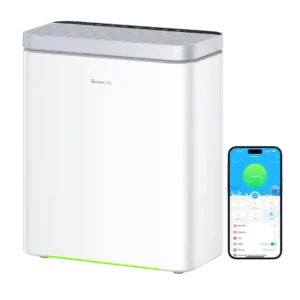
Choose the H7124 if you want a quiet smart purifier for odors, dust, pets, and app control. Skip it if you need foolproof Wi-Fi, wall-facing intake, UV light, or strong...
Pros: air purification performance, noise level
Cons: control placement
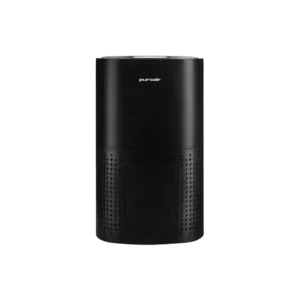
Best for quiet, simple cleaning in bedrooms or apartments. Skip it if you need verified large-room CADR value, app control, or guaranteed neighbor-smoke removal.
Pros: noise level, air purification performance
Cons: filter replacement cost, air quality sensor accuracy
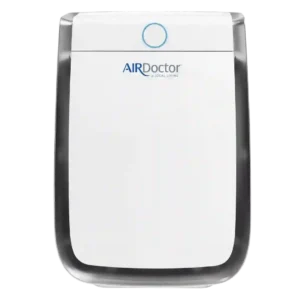
Best for strong room cleaning, allergy relief, odor control, and simple operation. Skip it if high filter costs, a larger footprint, or possible nighttime fan noise would bother you.
Pros: air purification performance, overall satisfaction
Cons: filter replacement cost
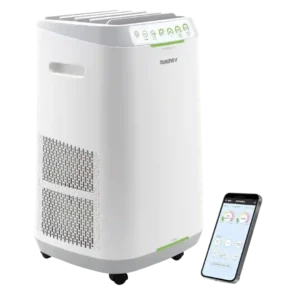
Choose this if you want strong odor, dust, smoke, and pet-air cleanup with washable filters. Skip it if turbo noise, Wi-Fi setup, or a high upfront price will bother you.
Pros: overall satisfaction, air purification performance