Compare Marvel Tokon: Fighting Souls vs Halloween: The Game

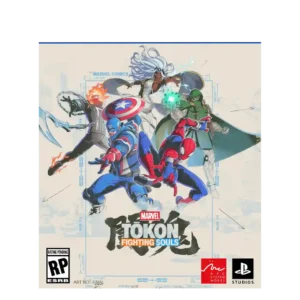
Marvel Tōkon: Fighting Souls

Marvel Tokon: Fighting Souls

Overall score 4.3 / 5

Based on 14 scored reviews

vs
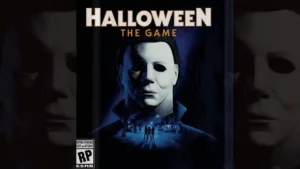
Halloween: The Game

Halloween: The Game

Overall score 3.2 / 5

Based on 72 scored reviews

How we score

Scorata scores summarize analyzed review evidence on a 1–5 scale; they are not laboratory measurements or a simple average of customer star ratings. Feature scores summarize the reviews covering that feature. The overall score averages feature scores within each review, then combines review averages. When both expert and customer evidence are available, those two groups receive equal weight. Products can have different review coverage, so small score gaps do not establish a winner.

Recommendations prioritize important features for the category, with a score of at least 3.5, a gap of at least 0.25 points and at least two supporting reviews per product. Features with widely varying scores or broad connectivity contexts are excluded from recommendations. These safeguards do not establish statistical significance.

Quick verdict

What each product is best for

The review evidence points to a tradeoff: pacing and replay value versus tutorial quality and soundtrack quality. Choose according to which strengths matter more to you; the overall score alone does not settle that choice.

Choose Marvel Tokon: Fighting Souls for pacing and replay value.

Choose Halloween: The Game for tutorial quality and soundtrack quality.

Why these recommendations?

Marvel Tokon: Fighting Souls

Where It Has the Edge

  • pacing is 4.3 vs 2.3. Pacing earns praise when fights build tension and stage transitions flow well, but one reviewer found the speed...
  • replay value is 4.6 vs 3.0. Hands-on reviewers repeatedly wanted more time with the game, citing anticipation, continued experimentation, and post-session excitement.
  • polish is 3.5 vs 1.9. Polish is mixed: the game is highly promising, but beta systems, lobbies, and remaining refinement needs are repeatedly...

Halloween: The Game

Where It Has the Edge

  • tutorial quality is 4.1 vs 2.2. Michael’s campaign usually works well as a hands-on tutorial, but its tutorial-like structure is also why solo players...
  • soundtrack quality is 4.7 vs 4.4. John Carpenter’s familiar themes and the game’s period-styled music are repeatedly praised for completing the Halloween atmosphere.
Marvel Tokon: Fighting Souls 4.3 overall score
Halloween: The Game 3.2 overall score

Compare features

Scores are out of 5. Missing scores mean missing review evidence, not a missing feature.

Scored on both products

Other features

Dialogue quality
Marvel Tokon: Fighting Souls
4.6

Dialogue is praised for making characters sound recognizable rather than generic.

Halloween: The Game
1.0

Dialogue is a weak point in the harshest assessments, where campy delivery and awkward lines make the campaign feel sillier than intended.

Online stability
Marvel Tokon: Fighting Souls
4.8

Netcode and online match feel are strongly praised, with smooth matches and little lag even in demanding beta conditions.

Halloween: The Game
1.5

Connection loss, latency, and other network problems can interrupt matches and add to the launch-period roughness.

Frame rate stability
Marvel Tokon: Fighting Souls
4.9

Frame rate stability is specifically praised during chaotic matches with assists and specials on screen.

Halloween: The Game
1.6

Frame-rate drops, stutter, and slowdown are common launch complaints, though a few setups perform much better than others.

Accessibility options
Marvel Tokon: Fighting Souls
4.4

Simplified inputs and auto-combos are widely seen as beginner-friendly, while later impressions say accessibility improved further.

Halloween: The Game
1.5

Accessibility is limited by missing options such as adjustable field of view, a particular concern for motion-sensitive players.

Animation quality
Marvel Tokon: Fighting Souls
4.6

Animation receives positive notes for sketch-to-ink presentation, panel-like motion, and impressive super animations.

Halloween: The Game
2.2

Execution animations can look brutal and impressive, but ordinary movement, grabs, clipping, and broken states make animation quality inconsistent.

Core gameplay loop
Marvel Tokon: Fighting Souls
4.2

One hands-on review found the basic loop easy to acclimate to, built around openings, combos, and super-move finishers.

Halloween: The Game
1.9

The NPC-rescue premise is distinctive, but its door-to-door repetition divides opinion and can become boring for players who want more direct PvP pressure.

Pacing
Marvel Tokon: Fighting Souls
4.3

Pacing earns praise when fights build tension and stage transitions flow well, but one reviewer found the speed initially too slow.

Halloween: The Game
2.3

Matches can start tense and exciting but lose momentum once human players escape or die and everyone waits for the last NPCs to be found.

Character roster
Marvel Tokon: Fighting Souls
4.5

Roster reactions are very positive, with praise for distinct characters, Marvel icon appeal, new additions, and varied playstyles.

Halloween: The Game
2.5

Civilian traits provide some differentiation, but several players feel the roster plays too similarly for those stat differences to matter much.

Tutorial quality
Marvel Tokon: Fighting Souls
2.2

Multiple reviewers criticize the beta for lacking a proper training mode or practice space despite useful basic tutorial material.

Halloween: The Game
4.1

Michael’s campaign usually works well as a hands-on tutorial, but its tutorial-like structure is also why solo players often find it insubstantial.

Onboarding experience
Marvel Tokon: Fighting Souls
3.2

The basic tutorial is credited for explaining controls and mechanics, but the broader beta onboarding lacked practice depth.

Halloween: The Game
1.5

Civilian onboarding is a major weakness: Michael gets a campaign tutorial, while survivors are often left to discover objectives, perks, and systems through trial and error.

Polish
Marvel Tokon: Fighting Souls
3.5

Polish is mixed: the game is highly promising, but beta systems, lobbies, and remaining refinement needs are repeatedly noted.

Halloween: The Game
1.9

Across otherwise enthusiastic and critical takes alike, the game is repeatedly described as needing more polish, especially in interactions, animations, AI, and stability.

Combat system
Marvel Tokon: Fighting Souls
4.5

Combat is repeatedly praised for mechanical density, rhythm, speed, and improved assist/tag dynamics, with only beta-era roughness holding it back.

Halloween: The Game
2.9

Michael’s environmental executions are a highlight, but basic melee, grabs, hit registration, and civilian counterattacks can feel clumsy or inconsistent.

Originality
Marvel Tokon: Fighting Souls
4.4

Originality is supported by the unusual manga-Western look and a tag system that reviewers say works differently from traditional tag fighters.

Halloween: The Game
2.8

The game has fresh ideas around NPC rescue and stalking, but comparisons to IllFonic’s earlier asymmetrical titles leave some players feeling the broader structure is familiar.

Gameplay mechanics
Marvel Tokon: Fighting Souls
4.5

Reviewers describe the mechanics as deep and increasingly rewarding, with later build impressions saying the system became much more dynamic, though auto-combos and complexity remain tradeoffs.

Halloween: The Game
3.1

Michael’s abilities and the rescue systems can create clever horror scenarios, but mechanical roughness keeps the package from feeling consistently refined.

AI behavior
Marvel Tokon: Fighting Souls
2.8

CPU battles were considered challenging enough to make practice difficult when no training mode was available.

Halloween: The Game
1.6

Resident AI is one of the clearest weaknesses: NPCs can ignore danger, obstruct players, lock doors at bad times, or otherwise undermine the rescue-focused objective.

Fun factor
Marvel Tokon: Fighting Souls
4.6

Fun factor is one of the strongest areas, with many reviewers saying they had a blast, wanted more, or became newly excited after hands-on time.

Halloween: The Game
3.6

Fun depends heavily on tolerance for jank and on who you play with; many find it hilarious and addictive, while others find the same systems repetitive or frustrating.

Graphics quality
Marvel Tokon: Fighting Souls
4.8

Visual quality is a major point of agreement, with reviewers calling the game gorgeous, flawless, stunning, awesome, and comic-like.

Halloween: The Game
4.1

Haddonfield often looks excellent, especially in lighting and environmental scenes, although performance modes and some effects can reduce clarity or visual consistency.

Matchmaking quality
Marvel Tokon: Fighting Souls
2.2

Matchmaking is a beta weakness, with reviewers reporting trouble finding matches and uneven skill ranges.

Halloween: The Game
1.7

Launch matchmaking is uneven, with reports of stalled lobbies, long killer queues, and difficulty filling sessions.

Immersion
Marvel Tokon: Fighting Souls
4.4

One reviewer found the combined sights and sounds made fights feel alive and engaging.

Halloween: The Game
4.8

When the systems behave, the game convincingly puts players inside a playable Halloween movie, especially through Michael’s first-person stalking perspective.

Art direction
Marvel Tokon: Fighting Souls
4.7

The art direction is repeatedly praised for its manga/comic hybrid identity, sharp comic-book look, and Japanese reinterpretation of Marvel.

Halloween: The Game
5.0

Rainy streets, glowing interiors, and careful lighting give Haddonfield a striking, film-like visual identity.

Innovation
Marvel Tokon: Fighting Souls
4.8

The reveal was received as bold and surprising, emphasizing the game's unusual 4v4 Marvel fighter concept.

Halloween: The Game
4.5

Making civilians responsible for rescuing Haddonfield residents instead of simply escaping gives the asymmetrical formula a recognizable identity of its own.

Competitive balance
Marvel Tokon: Fighting Souls
3.1

Competitive balance is mixed: skill matching was poor, but beta character viability seemed generally healthy aside from strong outliers.

Halloween: The Game
2.9

Balance is highly context-dependent: some groups find both sides viable, while others see coordinated civilians bullying Michael or Michael feeling oppressive against less organized teams.

Visual effects quality
Marvel Tokon: Fighting Souls
4.6

Visual effects are praised for readable motion, flashy Marvel attacks, aesthetic impact, and later-build spectacle.

Halloween: The Game
4.5

Lighting, reflections, fog, and shadow work create strong nighttime imagery, though a few graphical effects and edges draw criticism.

Atmosphere
Marvel Tokon: Fighting Souls
4.8

Atmosphere is praised through comments about immaculate vibes and personality beyond flashy attacks.

Halloween: The Game
4.8

Haddonfield’s darkness, period details, music, and stalking imagery consistently recreate the oppressive mood of the 1978 film.

Faithfulness to franchise
Marvel Tokon: Fighting Souls
4.9

Marvel faithfulness is praised through character essence, recognizable identity, and personality that feels true to the comics.

Halloween: The Game
4.9

The strongest consensus is its devotion to Halloween: locations, music, visual details, Michael’s behavior, and familiar story beats closely evoke the 1978 film.

Comfort and build

User interface design
Marvel Tokon: Fighting Souls
4.4

The UI is praised for matching the comic-book aesthetic alongside backgrounds and character models.

Halloween: The Game
1.5

Unlock and challenge screens can be confusing, adding friction to an already grind-heavy progression system.

Multiplayer design
Marvel Tokon: Fighting Souls
3.8

The 4v4/tag structure is the most debated design point: some praise all-out team play, while others question tagging incentives and clunky swaps.

Halloween: The Game
4.2

The resident-rescue scoring system and two-sided objectives make multiplayer feel different from many rivals, but AI, pacing, and PvE emphasis determine whether that difference feels fresh or frustrating.

Sound design
Marvel Tokon: Fighting Souls
4.6

Sound design is praised for impactful hits that add energy without overwhelming the match.

Halloween: The Game
4.3

Sound is generally a strength, using cues and effects to intensify danger, although isolated spatial-audio bugs can be especially disruptive in a stealth game.

Level design
Marvel Tokon: Fighting Souls
4.5

Stage transitions are praised for being fast and not interrupting match flow.

Halloween: The Game
4.4

Most maps are dense, moody, and well sized for chases and rescues, though some players worry their suburban similarity will become stale.

Performance

Performance optimization
Marvel Tokon: Fighting Souls
4.8

Performance is praised in beta play for staying consistent without stutters or drops.

Halloween: The Game
2.3

Optimization is inconsistent across hardware, with reports ranging from smooth PS5 Pro play to severe stutter, low frame rates, and heavy PC performance demands.

Soundtrack quality
Marvel Tokon: Fighting Souls
4.4

Music is consistently liked, with reviewers calling it energetic, good, and close to Arc System Works' fighting-game style.

Halloween: The Game
4.7

John Carpenter’s familiar themes and the game’s period-styled music are repeatedly praised for completing the Halloween atmosphere.

Ownership and support

Server reliability
Marvel Tokon: Fighting Souls
2.0

Server reliability is mixed negatively in one beta review because friend/cabinet connections could randomly disconnect.

Halloween: The Game
4.5

One launch account reports servers holding up well enough for players to get into matches without major trouble.

Replay value
Marvel Tokon: Fighting Souls
4.6

Hands-on reviewers repeatedly wanted more time with the game, citing anticipation, continued experimentation, and post-session excitement.

Halloween: The Game
3.0

Replayability is mixed: multiplayer unpredictability and campaign challenges add reasons to return, but repeated objectives and limited launch content raise longevity concerns.

Controls and connectivity

Controls responsiveness
Marvel Tokon: Fighting Souls
4.0

Controls range from praised snappiness and intuitive combos to complaints about clunky switching, odd DP inputs, and auto-combo interference.

Halloween: The Game
2.1

Grabs, item interactions, and movement inputs can fail or feel sluggish, which is especially frustrating during chases and executions.

Voice acting
Marvel Tokon: Fighting Souls
4.5

Voice presentation is praised because characters sound like themselves rather than generic versions.

Halloween: The Game
3.4

Voice work ranges from performances praised as close to the film to harsher complaints about campy or off-sounding delivery.

Character customization
Marvel Tokon: Fighting Souls
4.6

Team composition is praised for giving players more customization and synergy choices than typical smaller tag teams.

Halloween: The Game
4.4

Cosmetics, loadouts, weapons, and unlockable looks give regular players plenty to chase, even if some individual rewards feel minor.

Evidence available for one product

Other features

Aiming precision
Marvel Tokon: Fighting SoulsNo score yet
Halloween: The Game
1.5

Gun aiming can glitch instead of tracking smoothly, making ranged actions feel less dependable than they should.

Bug frequency
Marvel Tokon: Fighting SoulsNo score yet
Halloween: The Game
1.8

Bugs are the most repeated complaint, ranging from funny visual jank to broken interactions, progression issues, invisible characters, and match-disrupting glitches.

Camera behavior
Marvel Tokon: Fighting SoulsNo score yet
Halloween: The Game
4.5

The close, constrained camera during interactions can leave players exposed, a choice that effectively raises tension when Michael may be nearby.

Checkpoint system
Marvel Tokon: Fighting SoulsNo score yet
Halloween: The Game
1.5

Solo checkpointing can be unforgiving and awkward, making campaign setbacks more annoying than they need to be.

Choice impact
Marvel Tokon: Fighting SoulsNo score yet
Halloween: The Game
2.0

The campaign is highly linear; changing tactics or kills rarely changes the larger outcome of Michael’s story.

Class balance
Marvel Tokon: Fighting Souls
4.2

The beta roster was perceived as broadly viable, with no character feeling clearly too strong or weak to one reviewer.

Halloween: The GameNo score yet
Co-op experience
Marvel Tokon: Fighting SoulsNo score yet
Halloween: The Game
4.6

The game is at its best with friends: coordination, proximity chat, rescues, and improvised chaos create many of its most memorable moments.

Content variety
Marvel Tokon: Fighting SoulsNo score yet
Halloween: The Game
1.8

The launch package can feel thin over time, with repeated objectives, a limited map pool, and only Michael as the killer making long sessions feel familiar.

Crash stability
Marvel Tokon: Fighting SoulsNo score yet
Halloween: The Game
1.9

Crashes remain a serious launch concern in several accounts, including hard crashes and sessions ending abruptly.

Difficulty balance
Marvel Tokon: Fighting Souls
3.8

Reviewers liked comeback potential and fight engagement, though one wanted clearer defensive options against combo locks.

Halloween: The GameNo score yet
Emotional impact
Marvel Tokon: Fighting Souls
5.0

Reveal reaction evidence shows unusually strong surprise and excitement around the announcement.

Halloween: The GameNo score yet
Environmental detail
Marvel Tokon: Fighting SoulsNo score yet
Halloween: The Game
4.9

Homes, streets, cars, décor, and other period touches make Haddonfield feel unusually specific and lived-in rather than like generic multiplayer arenas.

Game length
Marvel Tokon: Fighting SoulsNo score yet
Halloween: The Game
2.1

The solo campaign is brief and widely treated as supplemental content rather than a full-length reason to buy the game by itself.

Grind level
Marvel Tokon: Fighting SoulsNo score yet
Halloween: The Game
2.0

Progression can become a slog when basic cosmetics or abilities sit behind long, sequential unlock paths.

Horror tension
Marvel Tokon: Fighting SoulsNo score yet
Halloween: The Game
4.5

Shape Jump, stalking, restricted awareness, and Michael’s sudden appearances generate genuine jump scares and sustained moments of dread.

HUD clarity
Marvel Tokon: Fighting Souls
2.5

HUD clarity is flagged in later build impressions because the stylish combo gauge lacked visual feedback.

Halloween: The GameNo score yet
Learning curve
Marvel Tokon: Fighting Souls
3.7

The game is described as easy to enter but hard to fully understand, with a steep depth curve beneath the accessible surface.

Halloween: The GameNo score yet
Loot system
Marvel Tokon: Fighting SoulsNo score yet
Halloween: The Game
2.5

Searching drawers and buildings for specific escape items can become tedious, especially when required pieces are hard to locate across large maps.

Movement feel
Marvel Tokon: Fighting Souls
4.5

Movement and tagging feel more energetic in later impressions, with reviewers praising faster play, better mobility, and more satisfying swaps.

Halloween: The GameNo score yet
Narrative quality
Marvel Tokon: Fighting SoulsNo score yet
Halloween: The Game
3.0

The campaign is a faithful Michael-focused retelling with some enjoyable added moments, yet many see it primarily as an extended tutorial rather than a substantial story.

Progression system
Marvel Tokon: Fighting SoulsNo score yet
Halloween: The Game
4.0

Perks, prestige, cosmetics, weapons, and challenges provide a substantial progression chase, though randomness and grind can add friction.

Social features
Marvel Tokon: Fighting SoulsNo score yet
Halloween: The Game
5.0

Proximity chat is a standout social feature, turning scares, role-playing, and accidental comedy into a major part of the multiplayer appeal.

Stealth mechanics
Marvel Tokon: Fighting SoulsNo score yet
Halloween: The Game
4.6

Stalking, darkness, power cuts, and surprise repositioning make Michael feel appropriately predatory and are among the strongest franchise-specific mechanics.

Weapon balance
Marvel Tokon: Fighting SoulsNo score yet
Halloween: The Game
1.5

Weapons can make coordinated civilians extremely difficult for Michael to handle, especially when several armed players stack together.

World interactivity
Marvel Tokon: Fighting SoulsNo score yet
Halloween: The Game
5.0

Environmental kill spots turn ordinary household objects into playful, gruesome opportunities and reward experimentation.

Writing quality
Marvel Tokon: Fighting Souls
4.4

Character lines are praised for matching comic tone, especially Spider-Man-style banter.

Halloween: The GameNo score yet

Ownership and support

Cross-play support
Marvel Tokon: Fighting SoulsNo score yet
Halloween: The Game
5.0

Cross-play is a welcome inclusion that helps PC and console players share the same multiplayer pool.

Live-service support
Marvel Tokon: Fighting SoulsNo score yet
Halloween: The Game
4.3

Early patches are encouraging, but long-term confidence depends on steady fixes and enough new maps, characters, and objectives to keep the community active.

Platform-specific feature support
Marvel Tokon: Fighting SoulsNo score yet
Halloween: The Game
2.0

PS5 Pro performance can be strong, but the lack of native PS5 Pro feature support is still a disappointment.

Value for money
Marvel Tokon: Fighting SoulsNo score yet
Halloween: The Game
2.3

Value is divisive: hardcore Halloween and multiplayer fans can justify the price, while solo-focused or polish-sensitive players are repeatedly advised to wait for fixes or a sale.

Comfort and build

Map and navigation design
Marvel Tokon: Fighting SoulsNo score yet
Halloween: The Game
2.0

Mission navigation can be too vague in solo play, with a stronger waypoint system likely to reduce time spent simply hunting for targets.

QTE design
Marvel Tokon: Fighting SoulsNo score yet
Halloween: The Game
1.5

Post-death and interaction minigames wear out their welcome quickly for several players, turning downtime into repetitive button work rather than meaningful participation.

World-building
Marvel Tokon: Fighting SoulsNo score yet
Halloween: The Game
5.0

Haddonfield feels inhabited rather than empty, with detailed homes and residents giving the town a convincing everyday life for Michael to disrupt.

Controls and connectivity

Menu usability
Marvel Tokon: Fighting Souls
2.2

Lobby/menu usability is a repeated weakness, with reviewers disliking the arcade-cabinet system and its added friction.

Halloween: The GameNo score yet

Other Top Video Games to Consider

#1 Well Dweller
4.7

Best for fluid traversal, rewarding exploration, striking art, and forgiving quality-of-life features. Skip it if you want deep combat, radical genre innovation, or consistently demanding bosses.

Pros: difficulty balance, boss design

Cons: innovation, sandbox freedom

#2 Hades II
4.5

Best for superb combat, inventive builds, and richly voiced characters. Skip it if repeated runs, resource gathering, or visually busy battles outweigh the appeal of steady progress.

Pros: overall quality, combat system

Cons: pacing, grind level

#3 Valheim
4.5

Good if you want a beautiful, demanding survival sandbox built around exploration, building, progression, and memorable co-op. Skip it if long resource runs, harsh death recovery, and deliberate pacing sound...

Pros: town-building system, exploration quality

Cons: grind level, fast travel convenience

#4 Grand Theft Auto VI
4.5

Leonida is a breathtakingly alive crime sandbox with memorable protagonists, spectacular heists, and extraordinary detail. The tradeoff is a 30 fps ceiling, occasional control awkwardness, and some progression friction.

Pros: immersion, graphics quality

Cons: grind level, controls responsiveness