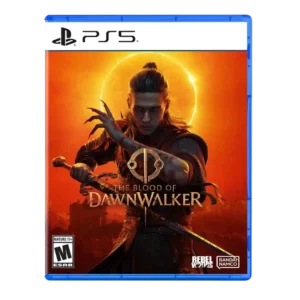
Compare Atomfall vs The Blood of Dawnwalker

Atomfall

Atomfall

Overall score 3.6 / 5

Based on 34 scored reviews

vs
The Blood of Dawnwalker

The Blood of Dawnwalker

Overall score 4.0 / 5

Based on 78 scored reviews

How we score

Scorata scores summarize analyzed review evidence on a 1–5 scale; they are not laboratory measurements or a simple average of customer star ratings. Feature scores summarize the reviews covering that feature. The overall score averages feature scores within each review, then combines review averages. When both expert and customer evidence are available, those two groups receive equal weight. Products can have different review coverage, so small score gaps do not establish a winner.

Recommendations prioritize important features for the category, with a score of at least 3.5, a gap of at least 0.25 points and at least two supporting reviews per product. Features with widely varying scores or broad connectivity contexts are excluded from recommendations. These safeguards do not establish statistical significance.

Quick verdict

What each product is best for

The review evidence points to a tradeoff: performance optimization and art direction versus AI behavior and sound design. Choose according to which strengths matter more to you; the overall score alone does not settle that choice.

Choose Atomfall for performance optimization and art direction.

Choose The Blood of Dawnwalker for AI behavior and sound design.

Why these recommendations?

Atomfall

Where It Has the Edge

  • performance optimization is 4.5 vs 2.2. Performance optimization was generally strong across PC, PS5 Pro, and Steam Deck, though one preview noted some issues.
  • art direction is 5.0 vs 4.8. Art direction was praised for melding lush countryside, decay, color, and atmosphere into a distinctive look.

The Blood of Dawnwalker

Where It Has the Edge

  • AI behavior is 4.5 vs 2.5. Enemy behavior is generally capable and improved over earlier showings, with foes reacting intelligently enough to punish predictable...
  • sound design is 5.0 vs 3.3. Audio is a clear strength, with impactful combat sounds and haunting musical textures reinforcing the game’s dark-fantasy mood.
  • lore depth is 4.6 vs 3.3. Vale Sangora has rich folklore, character histories, hidden storylines, and regional vampire mythology. Optional exploration and side quests...
Atomfall 3.6 overall score
The Blood of Dawnwalker 4.0 overall score

Compare features

Scores are out of 5. Missing scores mean missing review evidence, not a missing feature.

Scored on both products

Other features

Haptic feedback integration
Atomfall
4.5

Haptic feedback evidence was limited but positive, with DualSense adaptive triggers improving weapon feel.

The Blood of Dawnwalker
1.0

DualSense implementation is notably barebones, with standard rumble and light-bar feedback but little use of the controller’s more distinctive features.

Accessibility options
Atomfall
4.5

Accessibility options were widely praised, especially customizable difficulty and comfort features, although one review criticized missing visual options for eye strain.

The Blood of Dawnwalker
2.0

Accessibility support is described as limited. Players who depend on a broad suite of assistive settings may find the available options insufficient.

World interactivity
Atomfall
2.2

World interactivity received a low score from one reviewer who felt NPCs and systems failed to react properly to player actions.

The Blood of Dawnwalker
4.5

The world reacts meaningfully through systems such as infamy, escalating patrols, prices, and other consequences. That responsiveness helps actions feel visible beyond individual quests.

Progression system
Atomfall
2.2

Progression system evidence was limited and negative, with one reviewer calling the overall progression very slim.

The Blood of Dawnwalker
4.4

Progression is rewarding when new perks and powers materially expand combat or traversal, and the day/night split encourages specialization. Some players dislike how skill learning also consumes scarce in-game time.

Learning curve
Atomfall
4.2

Learning curve evidence was positive, especially around the recommended Survivor setting feeling steep but satisfying.

The Blood of Dawnwalker
2.0

Directional combat and its overlapping systems can look complicated to learn, particularly without assistive indicators. Players willing to master timing and attack directions may find the payoff worthwhile.

Fast travel convenience
Atomfall
2.9

Fast travel convenience was polarizing, with many complaints about backtracking and no fast travel, while a few reviewers felt walking supported immersion.

The Blood of Dawnwalker
5.0

Fast travel is praised as an effective way to move between key locations and avoid unnecessary traversal. It helps the compact world stay manageable when time and objectives matter.

AI behavior
Atomfall
2.5

AI behavior was a major concern, with many complaints about dumb, inconsistent, or exploitable enemies, balanced by a few positive notes on warning behavior and faction reactions.

The Blood of Dawnwalker
4.5

Enemy behavior is generally capable and improved over earlier showings, with foes reacting intelligently enough to punish predictable play. It is one of the areas that appears to have benefited from late development polish.

Load times
Atomfall
4.0

Load times had limited positive evidence, with one review noting quick loading screens despite their frequency.

The Blood of Dawnwalker
2.0

Loading can run longer than expected on console, interrupting an otherwise fairly focused flow between exploration and combat.

Frame rate stability
Atomfall
5.0

Frame rate stability had limited but very positive evidence from a PS5 Pro review citing smooth 60 fps play.

The Blood of Dawnwalker
3.1

Frame-rate impressions vary by hardware and patch level. The 60 fps modes improve the experience, but console play can still show dips, stutter, or inconsistency, particularly in combat and busy areas.

Content variety
Atomfall
4.2

One review praised the map's variety of locations and dangers, supporting a positive but limited content-variety score.

The Blood of Dawnwalker
2.4

The day/night split and branching quests add meaningful variation, but repeated enemy encounters, camps, and familiar combat-heavy activities become a common complaint. Variety is strongest in narrative situations rather than routine open-world tasks.

Side character depth
Atomfall
3.3

Side character depth was mixed: several reviewers liked memorable NPCs, while others thought factions and personalities stayed too surface-level.

The Blood of Dawnwalker
4.9

Side characters are consistently multi-faceted and memorable, with personal histories and questlines that enrich the central story. Several supporting characters become major reasons to explore beyond the main objective.

Onboarding experience
Atomfall
3.0

Onboarding divided reviewers: one struggled through a poor first two hours, while another felt the opening quickly communicated the game's freedom.

The Blood of Dawnwalker
4.6

The prologue is widely praised for establishing Coen, the world, and the stakes, though a few previews found its earliest errands conventional. Its consequences quickly turn familiar tutorial tasks into something more distinctive.

Crafting system
Atomfall
3.4

Crafting was seen as straightforward and useful, especially for weapons and supplies, but several reviewers found it basic or underwhelming.

The Blood of Dawnwalker
2.0

Crafting sits among several resource systems that do not always feel purposeful enough to justify their presence. It can come across as open-world scaffolding rather than a core draw.

Core gameplay loop
Atomfall
2.0

Core gameplay loop evidence was negative where discussed directly, criticizing the basic cycle of roaming and avoiding hostiles when stealth was weak.

The Blood of Dawnwalker
3.4

The choice-driven day/night loop is compelling in concept and sometimes excellent in practice, but several finished-game impressions say repetition keeps its systems from fully cohering. Its appeal depends heavily on how much the player enjoys time management and quest prioritization.

Weapon balance
Atomfall
3.4

Weapon balance was mixed: some praised weapon variety or gun feel, while others disliked uninteresting weapons and scarcity tradeoffs.

The Blood of Dawnwalker
2.0

Weapon choice is narrow, with the sword dominating because alternatives such as clubs offer negligible damage or effects. Players looking for broad weapon-build variety may be disappointed.

Lore depth
Atomfall
3.3

Lore depth was mixed, with compelling mysteries and notes offset by underused premise and surface-level faction development.

The Blood of Dawnwalker
4.6

Vale Sangora has rich folklore, character histories, hidden storylines, and regional vampire mythology. Optional exploration and side quests often reveal the most interesting background material.

Immersion
Atomfall
4.0

Immersion was usually strong due to exploration, setting, and atmosphere, though a few systems and empty-world moments broke the illusion.

The Blood of Dawnwalker
5.0

The game can be highly immersive when choices, difficulty, and role-playing pressures make the player think from Coen’s perspective. Reactive situations make moral decisions feel tied to the world rather than abstract menu choices.

Dialogue quality
Atomfall
3.8

Dialogue was usually praised for wit, Britishisms, tone choices, and memorable conversations, despite a few complaints about dialogue presentation.

The Blood of Dawnwalker
4.8

Dialogue is consistently praised for strong writing, moral ambiguity, and meaningful choices. Conversations often carry real consequences rather than functioning as filler between combat encounters.

Difficulty balance
Atomfall
3.9

Difficulty balance was highly adjustable and often praised for modular settings, but default challenge spikes felt unfair or punishing to some reviewers.

The Blood of Dawnwalker
2.9

Difficulty is mixed: some praise a well-shaped curve and adjustable options, while others criticize spongey enemies and difficulty increases that mainly lengthen fights. Lower settings can make combat flow more enjoyably for players focused on story.

Grind level
Atomfall
2.8

Grind level had limited mixed evidence, with default difficulty feeling grindy to some players before customization helped.

The Blood of Dawnwalker
3.8

Progression generally avoids forcing long grinding sessions, though players can choose to spend time farming experience or abilities. The time system discourages excessive grinding by making many improvements compete with story priorities.

Narrative quality
Atomfall
3.7

Narrative quality split reviewers: many enjoyed the mystery, branching endings, and investigative structure, while others found the plot thin, vague, or underwhelming at the end.

The Blood of Dawnwalker
4.7

The story is the game’s most dependable strength, with a strong vampire premise, family stakes, branching outcomes, and morally complicated situations. The narrative often remains compelling even when combat or performance falters.

Originality
Atomfall
3.8

Originality was mixed-to-positive: reviewers liked the unusual British setting and fresh lead system, while several felt the mechanics borrowed too much.

The Blood of Dawnwalker
4.7

The narrative sandbox, time-as-resource structure, and human-by-day/vampire-by-night identity give the game a fresh hook. Familiar Witcher-like DNA remains visible, but the combined systems create a distinct role-playing structure.

Camera behavior
Atomfall
1.8

Camera behavior received one strongly negative score tied to fisheye-like movement and eye strain.

The Blood of Dawnwalker
2.7

Camera and lock-on behavior are a recurring frustration in combat, especially when switching targets or fighting groups. One preview noted substantial improvement, but finished-game impressions still report erratic targeting.

Combat system
Atomfall
3.1

Combat drew the widest split: some praised its desperate, weighty firefights and satisfying weapons, while many called melee clunky, bland, janky, or underdeveloped.

The Blood of Dawnwalker
3.9

Directional blocking and parrying can feel satisfying, deliberate, and powerful once learned, especially at night. Opinions split sharply because repetition, camera trouble, enemy sponginess, and limited variety can make later combat feel laborious.

Facial animations
Atomfall
2.0

Facial animations drew a negative review for rubbery, distorted faces during expression.

The Blood of Dawnwalker
2.8

Facial animation quality is inconsistent. Some characters are expressive, while others show uncanny or rough expressions that stand out against otherwise strong presentation.

Crash stability
Atomfall
3.5

Crash stability had limited mixed evidence, with one reviewer noting crashes tied mainly to recording software.

The Blood of Dawnwalker
2.8

Crash experiences vary significantly by platform and build. Some players report none or only one, while others encountered repeated hard crashes, including late-game incidents that forced replaying fights or scenes.

Horror tension
Atomfall
4.1

Horror tension was positively supported by unsettling facilities and an unnerving underground atmosphere.

The Blood of Dawnwalker
4.8

The vampire imagery and threat can be genuinely frightening, while the tragic side of vampirism gives the horror more than simple gore. The strongest moments use restraint and consequence to sustain tension.

Mission variety
Atomfall
2.7

Mission variety was a recurring weakness when leads devolved into similar errands or repetitive objective chains.

The Blood of Dawnwalker
2.0

Some recurring activities and open-world tasks become repetitive enough that players may prefer to skip them and focus on richer questlines.

Emotional impact
Atomfall
4.0

Emotional impact had limited positive evidence from decisions that could weigh on the player.

The Blood of Dawnwalker
4.6

Family stakes, difficult choices, and character-driven side stories give the game substantial emotional weight. Key quests can be genuinely moving while forcing painful decisions about who can be saved.

Enemy variety
Atomfall
2.9

Enemy variety was mixed: one review liked unique enemies, but others wanted more variety beyond humans and a few creatures.

The Blood of Dawnwalker
2.3

Enemy variety is one of the most repeated weaknesses. Familiar humans, beasts, and supernatural foes recur so often that patterns become easy to read and late-game fighting can feel stale.

Environmental detail
Atomfall
4.1

Environmental detail was often praised for dense spaces, crafted locations, landmarks, and striking scenery, with one review noting visual variety could grow stale.

The Blood of Dawnwalker
4.7

Gothic architecture, foliage, villages, ruins, and regional detail receive strong praise. Even within a relatively compact valley, the environments communicate a convincing medieval Carpathian identity.

Polish
Atomfall
2.7

Polish was mixed-to-negative overall, with repeated complaints about rough edges, design omissions, and undercooked systems despite one bug-free PC report.

The Blood of Dawnwalker
2.3

Technical and animation jank is widespread enough to be a recurring caveat. The game can feel polished in stretches, but its ambitious systems still show rough edges.

Graphics quality
Atomfall
4.4

Graphics quality was broadly positive, especially environments and countryside vistas, though some reviews noted rough character models.

The Blood of Dawnwalker
4.0

Vale Sangora can look striking, particularly at night, with strong lighting and detailed environments. Soft image quality, pop-in, flicker, and other console artifacts prevent the visuals from being uniformly impressive.

Movement feel
Atomfall
3.2

Movement feel had limited mixed evidence, with one reviewer finding heart-rate traversal restrictions occasionally annoying but not enjoyment-breaking.

The Blood of Dawnwalker
3.6

Movement is exciting when vampire powers enable fast, supernatural traversal, but climbing transitions, combat movement, and tight spaces can feel awkward or janky. The result is expressive mobility with noticeable rough edges.

Atmosphere
Atomfall
4.5

Atmosphere was a consistent strength, especially the eerie Interchange, folk horror, sci-fi mystery, and British post-apocalyptic mood.

The Blood of Dawnwalker
4.8

The game’s gothic medieval atmosphere is one of its clearest strengths, combining oppressive villages, vampire imagery, lighting, folklore, and music into a memorable sense of place.

Animation quality
Atomfall
2.8

Animation quality had limited evidence and was criticized through character model presentation that looked last-gen.

The Blood of Dawnwalker
3.1

Animation quality is uneven, pairing major improvements and sharp moments with lingering stiffness, awkward transitions, and rough character motion.

Art direction
Atomfall
5.0

Art direction was praised for melding lush countryside, decay, color, and atmosphere into a distinctive look.

The Blood of Dawnwalker
4.8

The visual style earns strong praise for its gothic, dark-fantasy identity. The art direction helps Vale Sangora feel distinctive even when technical presentation is inconsistent.

Skill tree depth
Atomfall
3.0

The skill tree was usually considered streamlined but shallow, with several reviewers calling perks boring, generic, hard to discover, or unnecessary.

The Blood of Dawnwalker
2.7

The three skill paths offer useful powers but mixed buildcraft depth. Specializing between swordplay, magic, and vampirism can be rewarding, yet the trees can also feel shallow or constrained.

Stealth mechanics
Atomfall
2.6

Stealth was repeatedly criticized as inconsistent, shallow, or unreliable, though a few reviewers found methodical sneaking viable on the right settings.

The Blood of Dawnwalker
2.8

Stealth is inconsistent: vampire movement can enable sneaking and infiltration, but conventional stealth systems can feel thin or effectively absent.

Sandbox freedom
Atomfall
4.5

Sandbox freedom was praised strongly for player agency, kill-anyone flexibility, faction choices, and nonlinear routes through the story.

The Blood of Dawnwalker
4.3

Players have substantial freedom to choose priorities, approach quests in different forms, ignore major objectives, or even challenge endgame threats early. That openness is central to the game’s role-playing identity.

Fun factor
Atomfall
4.2

Fun factor was broadly positive even in mixed reviews, with many reviewers saying they enjoyed the world, systems, or playthrough despite flaws.

The Blood of Dawnwalker
4.0

The game is broadly enjoyable when its story choices, vampire powers, exploration, and combat systems click. Repetition and technical friction can turn stretches of the experience into a chore for less patient players.

Exploration quality
Atomfall
4.4

Exploration was the clearest strength across reviews, with praise for curiosity-driven discovery, meaningful leads, and rewarding secrets.

The Blood of Dawnwalker
4.5

Exploration is rewarding when it reveals hidden quests, lore, ruins, gear, or routes opened by vampire powers. The compact world and supernatural traversal encourage curiosity without requiring constant time expenditure.

Upgrade system
Atomfall
4.0

Upgrade system evidence was limited but positive, with weapon improvement through crafting described as helpful.

The Blood of Dawnwalker
3.8

Upgrades can feel rewarding when they meaningfully strengthen abilities or legendary gear, but requiring specific manuals alongside skill points adds friction for some players.

Writing quality
Atomfall
4.5

Writing quality had limited but positive evidence, with one reviewer calling the writing very good.

The Blood of Dawnwalker
4.7

Writing is one of the strongest areas, combining moral ambiguity, layered characters, serious themes, and memorable questlines. It frequently carries the experience through weaker combat or technical stretches.

Loot system
Atomfall
2.2

Loot and inventory value were criticized when rewards felt like filler or items became burdens rather than meaningful discoveries.

The Blood of Dawnwalker
2.0

Some open-world rewards are criticized as forgettable equipment and crafting clutter. That weakens the incentive to spend limited in-game time clearing lower-value activities.

Bug frequency
Atomfall
2.2

Bug frequency was criticized in one review for game-breaking audio bugs and technical issues.

The Blood of Dawnwalker
2.3

Minor bugs are common enough to be noticeable, including clipping, disappearing bodies, visual glitches, and other rough edges. They rarely erase the game’s strengths, but they repeatedly weaken polish.

Pacing
Atomfall
3.3

Pacing opinions were mixed: some liked the short, focused runtime, while others complained about trudging, busywork, repetition, or inconsistent momentum.

The Blood of Dawnwalker
3.4

Pacing is uneven: the time system can keep decisions moving and maintain momentum, while slow-blooming progression and combat-heavy late sections can drag.

Comfort and build

Boss design
Atomfall
1.5

Boss design was criticized in one review for lacking meaningful boss fights beyond generic enemies.

The Blood of Dawnwalker
4.8

The bosses that stand out are praised as enjoyable, distinctive fights that demand use of Coen’s broader toolkit. The limited comments here are strongly positive.

Sound design
Atomfall
3.3

Sound design was mixed, with one complaint about off-putting audio and another positive note on environmental sound.

The Blood of Dawnwalker
5.0

Audio is a clear strength, with impactful combat sounds and haunting musical textures reinforcing the game’s dark-fantasy mood.

Level design
Atomfall
3.0

Level design was mixed: some linear interiors were interesting to explore, but others felt empty, shallow, or short on curated encounters.

The Blood of Dawnwalker
4.5

Vampire traversal hints at strong vertical level design, with teleportation, wall-walking, and alternate routes opening spaces in ways ordinary movement cannot.

Map and navigation design
Atomfall
3.2

Map and navigation design was divisive: organic clue-based navigation impressed some, but vague objectives and missing area maps frustrated others.

The Blood of Dawnwalker
4.5

Traversal abilities make navigation more interesting by changing how structures and routes work after dark. The day/night shift gives environmental navigation a role-playing purpose beyond simple map traversal.

Puzzle design
Atomfall
4.0

Puzzle evidence was limited but positive, focused on the Interchange and its light energy-routing puzzles that kept exploration engaged.

The Blood of Dawnwalker
5.0

Exploration-focused puzzle content earns strong praise when the game steps away from combat and lets environmental problem-solving take the lead.

Open-world design
Atomfall
3.6

Open-world design was praised when reviewers liked its compact less-is-more structure, but criticized when the world felt static or underbaked.

The Blood of Dawnwalker
4.3

The smaller, focused Vale Sangora is often preferred to a bloated map, with quests and locations tied closely to the central conflict. Repetitive camps and icon-driven activities occasionally pull it back toward conventional open-world design.

Mission design
Atomfall
3.9

Mission design was split between admiration for naturalistic quest feel and criticism that many leads still became point-to-point errands.

The Blood of Dawnwalker
4.5

The strongest missions tie personal stakes, exploration, and meaningful choices together rather than functioning as isolated errands. Even familiar objectives can gain weight from their consequences.

Quest design
Atomfall
4.0

The leads and quest structure were a standout for many reviewers because it encouraged investigation and choice, though others found some objectives basic or unclear.

The Blood of Dawnwalker
4.6

Quest design is a standout strength, especially when side stories intersect with the main conflict and choices alter later outcomes. The best quests are repeatedly placed among the game’s strongest RPG content.

User interface design
Atomfall
2.5

User interface design had limited negative evidence, with one reviewer saying full-screen menus broke immersion.

The Blood of Dawnwalker
2.0

The interface has practical usability problems on console, including moments when buttons fail to register in menus or shops.

World-building
Atomfall
4.7

World-building was one of the strongest attributes, especially the British quarantine-zone identity, folk horror, and distinctive alternate-history setting.

The Blood of Dawnwalker
4.6

Vale Sangora is praised for cohesive history, social tension, religion, folklore, and vampire rule. Its relatively small scale helps locations and conflicts feel connected rather than scattered.

Controls and connectivity

Protagonist appeal
Atomfall
2.0

Protagonist appeal was criticized by one reviewer who felt the amnesiac lead lacked personality traits.

The Blood of Dawnwalker
4.7

Coen is generally seen as a strong lead whose youth, family ties, and human-vampire conflict make him easy to invest in. His moral tension gives choices more personality than a blank-slate protagonist would.

Menu usability
Atomfall
2.7

Menu usability was criticized for small issues adding up and for leads or clues not being organized well.

The Blood of Dawnwalker
4.0

Inventory sorting is a welcome quality-of-life improvement and makes item management easier, even though other interface interactions can still be unreliable.

Controls responsiveness
Atomfall
2.9

Controls were praised for responsive shooting and trigger feel in a few places, but complaints about weightless melee and hit feedback kept the assessment mixed.

The Blood of Dawnwalker
2.0

Controller input can become unreliable in menus and shops, including moments where button presses stop registering. That makes otherwise simple interactions unnecessarily frustrating.

Voice acting
Atomfall
4.5

Voice acting was a consistent positive, especially regional accents and standout performances that made NPCs more memorable.

The Blood of Dawnwalker
4.9

Voice performances are one of the most consistently praised presentation elements, giving the cast personality and strengthening emotionally charged scenes.

Ownership and support

Platform-specific feature support
Atomfall
4.5

Platform-specific support was positive where mentioned, especially DualSense adaptive triggers and Steam Deck suitability.

The Blood of Dawnwalker
2.0

Console-specific presentation is limited by missing HDR support and visual quirks such as flicker and draw-distance problems. Platform features do not feel fully exploited.

Value for money
Atomfall
3.7

Value was mixed: Game Pass and quality hours helped, while full-price or short-runtime concerns lowered some scores.

The Blood of Dawnwalker
2.8

Value is disputed. Some see a rich story and focused open world as worth the asking price, while others consider the rough console build and repetitive combat a difficult sell at full price.

Replay value
Atomfall
4.6

Replay value was strong where reviewers wanted to revisit saves, chase endings, or see alternate routes and consequences.

The Blood of Dawnwalker
4.8

Branching choices, missed content, multiple endings, and the 30-day structure strongly encourage another run. New Game Plus is absent, limiting carryover even though a different second playthrough remains highly appealing.

Performance

Performance optimization
Atomfall
4.5

Performance optimization was generally strong across PC, PS5 Pro, and Steam Deck, though one preview noted some issues.

The Blood of Dawnwalker
2.2

Optimization is one of the largest technical concerns, especially on consoles. Patches and performance modes help, but soft visuals, frame dips, stutter, crashes, and other issues suggest the launch build needed more refinement.

Soundtrack quality
Atomfall
4.0

Soundtrack evidence was limited but positive, praising lean music that suited the quiet survival atmosphere.

The Blood of Dawnwalker
5.0

The score earns near-universal praise for heightening tension, exploration, and dramatic scenes. Its choral and folk-inflected sound is repeatedly singled out as a major presentation strength.

Evidence available for one product

Other features

Aiming precision
Atomfall
3.7

Aiming and shooting ranged from satisfying bows and headshots to criticism that some firearms lacked punch or precision.

The Blood of DawnwalkerNo score yet
Character roster
AtomfallNo score yet
The Blood of Dawnwalker
4.8

The cast is a major strength, with memorable allies and villains giving the wider story emotional and narrative weight. Side characters are repeatedly described as charming, layered, or worth following.

Choice impact
AtomfallNo score yet
The Blood of Dawnwalker
4.6

Choices meaningfully reshape quests, relationships, available characters, outcomes, and sometimes entire storylines. The game is unusually willing to let inaction, failure, or vampiric hunger produce lasting consequences.

Economy and resource balance
Atomfall
3.5

Resource balance and barter drew mixed-to-positive notes for scarcity and trade tension, offset by complaints about inventory limits and unrewarding combat loot.

The Blood of DawnwalkerNo score yet
Gameplay mechanics
Atomfall
3.7

Reviewers saw the core systems as streamlined and approachable, with survival-lite mechanics supporting exploration, though several felt the suite was shallow or only functional.

The Blood of DawnwalkerNo score yet
Handheld play suitability
Atomfall
4.5

Handheld play suitability had limited but positive evidence from Steam Deck testing.

The Blood of DawnwalkerNo score yet
HUD clarity
Atomfall
3.4

HUD clarity was mixed: one review praised the immersive minimal ammo check, while another wanted clearer ammo information when swapping weapons.

The Blood of DawnwalkerNo score yet
Innovation
Atomfall
4.2

Innovation evidence centered on the Lead system and accessibility options, which one review explicitly praised as innovative.

The Blood of DawnwalkerNo score yet
Platforming precision
Atomfall
2.0

One reviewer specifically criticized platforming as lacklustre, saying basic maneuvers could take multiple tries.

The Blood of DawnwalkerNo score yet
Romance quality
AtomfallNo score yet
The Blood of Dawnwalker
3.3

Romance lands unevenly. Some relationships feel shallow and underdeveloped, while others grow naturally from shared stakes rather than feeling bolted onto the main quest.

Tutorial quality
AtomfallNo score yet
The Blood of Dawnwalker
2.0

The game can fail to explain basic mechanics clearly, including important weapon-switching controls. That makes early learning more frustrating than necessary.

Visual effects quality
Atomfall
4.2

Visual effects evidence was limited but positive, with praise for striking interior lighting such as shafts of light through windows.

The Blood of DawnwalkerNo score yet

Ownership and support

Save system reliability
AtomfallNo score yet
The Blood of Dawnwalker
3.5

Frequent autosaves and manual saving usually limit the damage from technical problems, though at least one crash caused significant lost progress after a difficult boss.

Other Top Video Games to Consider

#1 Well Dweller
4.7

Best for fluid traversal, rewarding exploration, striking art, and forgiving quality-of-life features. Skip it if you want deep combat, radical genre innovation, or consistently demanding bosses.

Pros: difficulty balance, boss design

Cons: innovation, sandbox freedom

#2 Hades II

4.6

Good if you want fast, tactical roguelite combat with huge progression depth, striking art, and standout music. Skip it if repetition, resource micromanagement, or a less emotionally satisfying sequel story...

Pros: combat system, progression system

Cons: originality

#3 Valheim

4.5

Good if you want a beautiful, demanding survival sandbox built around exploration, building, progression, and memorable co-op. Skip it if long resource runs, harsh death recovery, and deliberate pacing sound...

Pros: town-building system, exploration quality

Cons: grind level, fast travel convenience

#4 Donkey Kong Bananza

4.5

Best for joyful destruction, dense exploration, and a charming DK-Pauline adventure. Skip it if camera quirks, frame-rate dips, easy bosses, or premium Switch 2 pricing are dealbreakers.

Pros: fun factor, world interactivity

Cons: frame rate stability, boss design