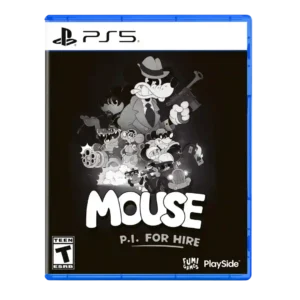
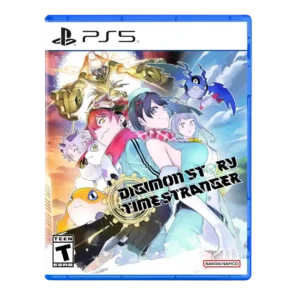
Compare Digimon Story Time Stranger vs Mouse: P.I. For Hire

Digimon Story Time Stranger

Digimon Story Time Stranger

Overall score 3.9 / 5

Based on 29 scored reviews

vs
Mouse: P.I. For Hire

Mouse: P.I. For Hire

Overall score 4.0 / 5

Based on 83 scored reviews

How we score

Scorata scores summarize analyzed review evidence on a 1–5 scale; they are not laboratory measurements or a simple average of customer star ratings. Feature scores summarize the reviews covering that feature. The overall score averages feature scores within each review, then combines review averages. When both expert and customer evidence are available, those two groups receive equal weight. Products can have different review coverage, so small score gaps do not establish a winner.

Recommendations prioritize important features for the category, with a score of at least 3.5, a gap of at least 0.25 points and at least two supporting reviews per product. Features with widely varying scores or broad connectivity contexts are excluded from recommendations. These safeguards do not establish statistical significance.

Quick verdict

What each product is best for

The review evidence points to a tradeoff: character development and difficulty balance versus protagonist appeal and dialogue quality. Choose according to which strengths matter more to you; the overall score alone does not settle that choice.

Choose Digimon Story Time Stranger for character development and difficulty balance.

Choose Mouse: P.I. For Hire for protagonist appeal and dialogue quality.

Why these recommendations?

Digimon Story Time Stranger

Where It Has the Edge

  • character development is 4.4 vs 3.3. Character development was praised for Digimon relationships, time-spanning growth, and meaningful arcs, with humans less consistently strong.
  • difficulty balance is 3.7 vs 2.9. Difficulty was context-dependent: bosses and higher modes could challenge players, while normal encounters were sometimes easy, repetitive, or...
  • visual effects quality is 4.8 vs 4.0. Visual effects were praised for colorful, gorgeous presentation and especially creative Outer Dungeon effects.

Mouse: P.I. For Hire

Where It Has the Edge

  • protagonist appeal is 4.5 vs 2.5. Jack Pepper is widely liked for his weary hard-boiled delivery, humor, and grounded personality. He gives the exaggerated...
  • dialogue quality is 4.2 vs 2.5. The noir monologues, period delivery, and playful cheese wordplay give conversations plenty of personality. Long exchanges and relentless...
  • content variety is 4.3 vs 3.2. The campaign mixes shootouts, exploration, platforming, clues, collectibles, side jobs, and small minigames across varied locations. Some optional...
Digimon Story Time Stranger 3.9 overall score
Mouse: P.I. For Hire 4.0 overall score

Compare features

Scores are out of 5. Missing scores mean missing review evidence, not a missing feature.

Scored on both products

Other features

Character roster
Digimon Story Time Stranger
4.8

The roster was a major strength, with reviewers praising the huge 450-plus Digimon count and the effort behind modeling and team variety.

Mouse: P.I. For Hire
2.0

The cast is broad and colorful, although one recurring visual complaint is that too many character models—especially background figures—look alike.

AI behavior
Digimon Story Time Stranger
4.0

Auto-battle AI was positively noted as capable of clearing straightforward fights, especially during grinding.

Mouse: P.I. For Hire
1.5

Enemy pathfinding can misbehave, particularly when flying enemies get stuck in corners. These lapses are occasional rather than a defining part of combat.

HUD clarity
Digimon Story Time Stranger
2.0

HUD clarity was criticized for frequent pop-ups, messages, and flashing information that made the screen feel crowded.

Mouse: P.I. For Hire
4.1

The compass, objective markers, and optional route guidance usually make goals easy to follow without cluttering the action. Dark gray prompts against the monochrome scenery can still be difficult to distinguish.

Dialogue quality
Digimon Story Time Stranger
2.5

Dialogue quality was one of the clearer weaknesses, with complaints about overexposition, lackluster choices, and repeated explanations.

Mouse: P.I. For Hire
4.2

The noir monologues, period delivery, and playful cheese wordplay give conversations plenty of personality. Long exchanges and relentless puns can slow the pace or wear thin.

Gameplay mechanics
Digimon Story Time Stranger
4.5

Reviewers liked the layered monster-building mechanics, especially flexible skills and personality systems, though the strongest praise focused on customization rather than novelty.

Mouse: P.I. For Hire
3.0

The shooter mechanics are accessible and satisfying, but the detective fantasy is divisive. Some enjoy the streamlined clue gathering, while many wish the clue board and deduction process required meaningful player input.

Character development
Digimon Story Time Stranger
4.4

Character development was praised for Digimon relationships, time-spanning growth, and meaningful arcs, with humans less consistently strong.

Mouse: P.I. For Hire
3.3

Jack and several supporting characters feel more grounded than their cartoon designs suggest, but a few important side characters could have used clearer motives and more development.

Innovation
Digimon Story Time Stranger
4.0

Innovation was framed as refinement rather than reinvention, with reviewers praising how existing Digimon systems were modernized.

Mouse: P.I. For Hire
2.9

The game does not reinvent first-person shooting or detective mechanics, and its combat structure is deliberately familiar. Its unusual fusion of rubber-hose animation, noir storytelling, and boomer-shooter action supplies most of the novelty.

Core gameplay loop
Digimon Story Time Stranger
4.7

The loop of collecting, training, evolving, and rebuilding teams was repeatedly described as addictive and rewarding, with only light fatigue or grind caveats.

Mouse: P.I. For Hire
3.6

Alternating between the hub, clue gathering, exploration, upgrades, and arena combat creates an easy-to-understand, often addictive rhythm. That loop loses some freshness late in the campaign for players sensitive to repetition.

Content variety
Digimon Story Time Stranger
3.2

Content variety was mixed: Outer Dungeons, side activities, and a card game added breadth, but the card game was often criticized as shallow.

Mouse: P.I. For Hire
4.3

The campaign mixes shootouts, exploration, platforming, clues, collectibles, side jobs, and small minigames across varied locations. Some optional activities feel more like checklists than essential diversions.

Accessibility options
Digimon Story Time Stranger
4.0

Accessibility was praised in the sense of smoother systems and difficulty options that help players engage without losing depth.

Mouse: P.I. For Hire
3.0

Control remapping, subtitles, aim assistance, sensitivity settings, and adjustable visual or audio filters offer useful flexibility. Key rebinding and broader accessibility support drew some criticism.

Family friendliness
Digimon Story Time Stranger
3.0

Family friendliness was limited by one reviewer’s concern that sudden alcohol-heavy scenes felt out of place for the game’s tone.

Mouse: P.I. For Hire
2.0

Despite its vintage-cartoon surface, the game features graphic slapstick deaths, adult themes, and language that may not suit younger children. It is better treated as an adult-oriented cartoon shooter.

Progression system
Digimon Story Time Stranger
4.5

Progression was one of the strongest areas, with Digivolution, Agent Rank, personality growth, and team-building repeatedly called gratifying, flexible, and deep.

Mouse: P.I. For Hire
3.7

Regular weapon unlocks and traversal abilities help keep the campaign fresh after a simple opening. Progression is straightforward, and several later abilities receive too little meaningful use.

Difficulty balance
Digimon Story Time Stranger
3.7

Difficulty was context-dependent: bosses and higher modes could challenge players, while normal encounters were sometimes easy, repetitive, or auto-battle friendly.

Mouse: P.I. For Hire
2.9

Multiple settings make the shooter approachable, but normal mode is often considered too easy and the challenge curve can be inconsistent. A few encounters spike unexpectedly while later bosses may feel less demanding.

Frame rate stability
Digimon Story Time Stranger
2.8

Frame rate stability was mixed to negative, with console 30 fps and occasional stutters/drops repeatedly mentioned.

Mouse: P.I. For Hire
3.5

PC, PS5, Steam Deck, and Xbox Ally X performance is usually smooth with appropriate settings. Switch 2 suffers the clearest problems, including frequent drops and uneven performance in larger areas.

Onboarding experience
Digimon Story Time Stranger
4.8

The game was repeatedly described as newcomer-friendly, with reviewers saying prior Digimon knowledge was not required.

Mouse: P.I. For Hire
4.0

Mechanics arrive methodically and build on one another, turning a deliberately simple opening into a broader movement-and-combat toolkit.

Upgrade system
Digimon Story Time Stranger
3.3

Cross Arts and upgrades added tactical options, but reviewers criticized limits such as only equipping one Cross Art at a time.

Mouse: P.I. For Hire
4.0

Weapon upgrades are simple, visually satisfying, and useful for unlocking alternate fire modes. The system works well but offers less depth than players seeking elaborate builds may expect.

Visual effects quality
Digimon Story Time Stranger
4.8

Visual effects were praised for colorful, gorgeous presentation and especially creative Outer Dungeon effects.

Mouse: P.I. For Hire
4.0

Weapon effects, enemy reactions, reloads, smoke, and slapstick death animations add tremendous personality to every fight. Heavy effects can contribute to occasional performance dips.

Enemy variety
Digimon Story Time Stranger
4.0

Enemy variety was praised for changing weaknesses and resistances enough to keep battles from feeling stale.

Mouse: P.I. For Hire
3.3

Opinions split sharply: some found a healthy mix of enemy roles and visual variants, while others saw too many reskinned or functionally similar foes. Repetition is most noticeable in the middle and later combat arenas.

Exploration quality
Digimon Story Time Stranger
3.0

Exploration earned praise for curiosity in the Digital World but criticism for shallow hubs, restrictive pathways, and limited discovery in some areas.

Mouse: P.I. For Hire
3.7

Hidden passages, secrets, blueprints, collectibles, and traversal upgrades make poking through levels rewarding. Missable items and the inability to revisit completed missions undermine completionist play.

Atmosphere
Digimon Story Time Stranger
5.0

Atmosphere was strongly praised in the reviews that addressed it, especially for the lively Digital World and overall aura.

Mouse: P.I. For Hire
4.4

Big-band jazz, shadowy streets, lively animation, and hard-boiled dialogue create a charming noir mood from the opening moments. The setting balances grim themes with playful cartoon energy.

Writing quality
Digimon Story Time Stranger
3.3

Writing quality was mixed: reviewers liked the heart and themes but called out sappy, repetitive, or awkward phrasing.

Mouse: P.I. For Hire
3.9

The script blends noir tropes, sincere themes, and an enormous supply of cheese puns with confident humor. Its wordplay delights many players but can feel heavy-handed, repetitive, or tonally clumsy to others.

Animation quality
Digimon Story Time Stranger
4.1

Animation quality was mostly praised for unique attacks and expressive Digimon, but one negative review criticized pop-in and jittery animation presentation.

Mouse: P.I. For Hire
4.6

The hand-drawn rubber-hose animation is one of the game's biggest triumphs, filling weapons, enemies, reloads, and scenery with expressive motion. A few repeated or abrupt animation cycles keep it from being flawless.

Polish
Digimon Story Time Stranger
4.3

Polish was praised in broad terms, especially compared with older entries, though this sat alongside recurring UI and pacing caveats.

Mouse: P.I. For Hire
4.7

The presentation and core systems feel carefully handcrafted and cohesive on most platforms. Small technical flaws, invisible barriers, and the troubled Switch 2 port prevent a uniformly polished result.

Emotional impact
Digimon Story Time Stranger
4.4

Emotional impact was strong in the best story moments, especially resolutions, bonds, and character beats that several reviewers said hit hard.

Mouse: P.I. For Hire
4.0

The quieter conversations and Jack's weary perspective give the story occasional emotional weight beyond its slapstick violence. These restrained moments resonated more than the broad comedy for some players.

Pacing
Digimon Story Time Stranger
2.8

Pacing was the most repeated caveat: many reviewers said the story starts slowly, drags in the middle, or takes time before its stronger payoffs.

Mouse: P.I. For Hire
3.2

The best stretches alternate explosive combat with hub conversations, exploration, and investigation at a lively rhythm. Dialogue pauses, longer late-game levels, and repeated combat can make the second half drag.

Environmental detail
Digimon Story Time Stranger
4.2

Environmental detail was praised in Digital World areas but criticized when Tokyo, dungeons, or shadow/detail handling felt bland.

Mouse: P.I. For Hire
4.6

Mouseburg is packed with tiny animations, background jokes, interactive props, and handcrafted scenery that reward close attention. The density of visual detail helps the city feel unusually alive.

Art direction
Digimon Story Time Stranger
4.3

Art direction was generally praised for anime style, strong Digimon designs, and appealing visual identity.

Mouse: P.I. For Hire
4.7

The monochrome 1930s cartoon-noir look gives the game an instantly recognizable identity and carries through nearly every visual detail. Even more skeptical players generally found the style striking, though a few considered it derivative.

Side character depth
Digimon Story Time Stranger
3.0

Side character depth was mixed: Digimon characters were praised for charm, while several human NPCs were called forgettable or thin.

Mouse: P.I. For Hire
2.7

The supporting ensemble often feels woven into the city rather than serving as simple quest dispensers. A few characters remain underdeveloped or actively irritating.

Fun factor
Digimon Story Time Stranger
4.5

Fun factor was consistently high, with many reviewers calling the experience fun, addictive, or a blast despite specific frustrations.

Mouse: P.I. For Hire
4.2

Most players found the game highly entertaining, thanks to its lively movement, creative weapons, visual gags, and distinctive world. Repetition and shallow side systems reduce the excitement for a smaller group.

Learning curve
Digimon Story Time Stranger
3.7

The learning curve was mostly manageable, though several reviewers noted many systems, stats, and personalities to absorb.

Mouse: P.I. For Hire
4.0

New weapons and movement abilities are introduced gradually, keeping the systems approachable without overwhelming newcomers. Experienced shooter players may find the early hours overly simple.

Graphics quality
Digimon Story Time Stranger
4.4

Graphics were widely praised as a major step up for the series, despite some weaker Tokyo environments or platform-specific performance limits.

Mouse: P.I. For Hire
4.7

The blend of 2D hand-drawn characters with 3D monochrome environments creates a consistently beautiful and technically distinctive presentation. The lack of color can occasionally reduce readability.

Movement feel
Digimon Story Time Stranger
4.0

Rideable Digimon were received as enjoyable traversal flavor, even if this was not a heavily discussed mechanic.

Mouse: P.I. For Hire
4.2

Dashing, double-jumping, wall-running, gliding, and tail grappling create fast, fluid traversal that many consider a standout strength. A few late abilities feel gimmicky or underused.

Narrative quality
Digimon Story Time Stranger
4.1

Narrative quality was generally positive, especially once the time-travel story builds momentum, but a few reviewers found parts uneven or generic.

Mouse: P.I. For Hire
3.9

The noir mystery is engaging, characterful, and packed with entertaining twists, but its clarity and depth vary. Some players found the plot boilerplate, vague early on, or less satisfying under close scrutiny.

Immersion
Digimon Story Time Stranger
4.5

Immersion was praised when world detail, music, characters, and presentation made reviewers want to return to the setting.

Mouse: P.I. For Hire
4.3

Detailed environments, expressive animation, strong audio, and a cohesive noir tone make Mouseburg feel like a living cartoon. Frame drops, invisible walls, and shallow investigation can briefly break the illusion.

Originality
Digimon Story Time Stranger
4.0

Originality was supported by one reviewer who felt the evolution and combat systems made the game feel distinct in the genre.

Mouse: P.I. For Hire
3.8

The visual and tonal combination makes the game feel fresh even when its shooter foundations borrow heavily from familiar classics. A few critics saw the style as pastiche rather than genuine originality.

Handheld play suitability
Digimon Story Time Stranger
4.3

Handheld play suitability was positive overall, with reviewers saying it played well on Steam Deck despite some drops.

Mouse: P.I. For Hire
4.1

Steam Deck and Xbox Ally X players generally report smooth, comfortable portable play. The Switch 2 handheld version is much harder to recommend because of frequent frame-rate drops.

Combat system
Digimon Story Time Stranger
4.2

Combat drew broad praise for its turn-based depth, weakness systems, and boss demands, although some reviewers found normal encounters or HP-heavy fights less exciting.

Mouse: P.I. For Hire
4.1

Fast movement, punchy weapons, environmental traps, and rapid weapon swapping make firefights energetic and satisfying. The action can become repetitive or generic during longer stretches, and a few players disliked its loose feel.

Controls and connectivity

Protagonist appeal
Digimon Story Time Stranger
2.5

The silent protagonist was a repeated drawback because it could make emotional scenes feel disconnected or flat.

Mouse: P.I. For Hire
4.5

Jack Pepper is widely liked for his weary hard-boiled delivery, humor, and grounded personality. He gives the exaggerated cartoon world a convincing center.

Age appropriateness
Digimon Story Time Stranger
3.5

Age appropriateness was mixed: reviewers noted a more mature focus and also felt some alcohol content was jarring.

Mouse: P.I. For Hire
2.0

The cartoon presentation can look inviting to younger players, but the frequent splattering violence and adult-leaning jokes make it a poor fit for some children.

Menu usability
Digimon Story Time Stranger
3.2

Menu usability was a major tradeoff, with streamlining praised but DigiFarm/evolution menu separation and training menuing often criticized.

Mouse: P.I. For Hire
2.0

Menus are straightforward on most platforms, but the Switch 2 version produced an odd scrolling bug that moved selections without controller input.

Controls responsiveness
Digimon Story Time Stranger
4.5

One review specifically praised instant menu response as part of a sharper combat and field flow.

Mouse: P.I. For Hire
3.4

Movement and standard controls generally feel smooth and responsive, especially on PC. Controller play can feel a little stiff or less natural for the game's rapid enemy patterns.

Voice acting
Digimon Story Time Stranger
4.0

Voice acting was mostly praised, particularly for emotional scenes and Digimon personality, though a few reviewers disliked execution or uneven English phrasing.

Mouse: P.I. For Hire
4.7

Troy Baker and the wider cast receive exceptional praise for balancing hard-boiled sincerity with cartoon comedy. A small minority found the lead performance too recognizable or less convincing.

Ownership and support

Platform-specific feature support
Digimon Story Time Stranger
4.5

Platform-specific support was praised on Steam Deck for 16:10 support and no black borders.

Mouse: P.I. For Hire
2.5

Linux and Steam Deck support is strong, while the Switch 2 version lacks gyro aiming and performs poorly. Some players also wished for fuller DualSense haptic feedback.

Replay value
Digimon Story Time Stranger
4.0

Replay value was supported by the length and optional Field Guide/evolution goals, with one reviewer saying the game stayed substantial without overstaying.

Mouse: P.I. For Hire
2.5

Secrets, collectibles, multiple difficulties, and an enjoyable campaign encourage another run. The lack of New Game Plus, mission replay, and easy level revisits is a repeated frustration.

Value for money
Digimon Story Time Stranger
3.9

Value for money was generally positive for Digimon and monster-taming fans, though the $70 price and sale advice made it somewhat conditional.

Mouse: P.I. For Hire
4.5

At roughly $29.99, the campaign, presentation, and optional content are widely considered strong value. The pricier physical Switch 2 edition is less appealing given that version's technical problems.

Comfort and build

Level design
Digimon Story Time Stranger
2.3

Level design was a recurring weak point, with multiple reviewers calling dungeons linear, basic, repetitive, or hallway-like despite stronger worlds around them.

Mouse: P.I. For Hire
3.6

Many stages combine readable routes, vertical movement, secrets, shortcuts, and memorable themed spaces. Other areas fall back on linear corridors, repeated arena scripts, or restrictive invisible barriers.

Quest design
Digimon Story Time Stranger
2.9

Quest design split reviewers, with optionality and occasional stronger quests helping, but many side quests were still described as routine or unexciting.

Mouse: P.I. For Hire
4.0

Side jobs fit naturally into Mouseburg and rarely feel tedious, but they are usually small collection tasks rather than substantial stories or challenges.

User interface design
Digimon Story Time Stranger
4.0

UI design was polarized: some reviewers called it clean and easy, while another strongly criticized clutter and constant pop-ups.

Mouse: P.I. For Hire
5.0

The clean interface keeps objectives and navigation visible without crowding the screen. Its animated elements support the cartoon style while remaining functional.

Mission design
Digimon Story Time Stranger
2.9

Mission design was mixed to negative: side missions often felt basic or fetch-like, though some reviewers liked their world flavor and progression rewards.

Mouse: P.I. For Hire
3.8

The three intertwined cases provide memorable locations and a steady sense of forward movement. Some missions feel overly convenient or leave little room for substantial side stories.

Sound design
Digimon Story Time Stranger
4.0

Sound design received positive notes for memorable effects and environmental detail, with one small caveat around missing ride sounds.

Mouse: P.I. For Hire
4.8

Weapons, impacts, movement effects, and cartoon flourishes are crisp and well matched to the visuals. One persistent flying-enemy buzz was the main audio-specific flaw noted.

Boss design
Digimon Story Time Stranger
3.9

Boss design drew both strong praise for mechanics and strategy and criticism for long, tanky fights or occasional trial-and-error.

Mouse: P.I. For Hire
4.4

Bosses are often imaginative, visually memorable, and more mechanically varied than ordinary encounters. Their challenge is uneven, with some later fights easier or more restrictive than expected.

Map and navigation design
Digimon Story Time Stranger
4.5

Navigation drew praise in one review for clearly structured areas, appropriate fast travel, and easy map overlay access.

Mouse: P.I. For Hire
4.1

The compass, objective tracker, detective duster, and overworld map usually keep progress clear without removing exploration. Monochrome prompts and occasional missing directional cues can still cause confusion.

World-building
Digimon Story Time Stranger
4.9

World-building was one of the strongest consensus positives, with the Digital World repeatedly described as alive, lived-in, and full of Digimon society.

Mouse: P.I. For Hire
4.7

Mouseburg feels lived-in through its factions, newspapers, politics, character histories, and distinctive districts. The hub hints at a larger city that some players wanted to explore more deeply.

Performance

Soundtrack quality
Digimon Story Time Stranger
4.1

Soundtrack quality was divided but leaned positive, with several reviewers loving the score while others found it less memorable or generic.

Mouse: P.I. For Hire
4.7

The original jazz and big-band score is a near-universal highlight, shifting naturally between smoky noir and energetic combat. It reinforces the period atmosphere without overpowering the action.

Performance optimization
Digimon Story Time Stranger
3.8

Performance impressions were platform-dependent, ranging from smooth PC/PS5 experiences to wonky performance or adequate-but-imperfect Steam Deck play.

Mouse: P.I. For Hire
4.2

PC, PS5, Linux, Steam Deck, and Xbox Ally X versions are generally well optimized and smooth. Switch 2 is the major exception, with frustrating frame drops and other technical problems.

Evidence available for one product

Other features

Aiming precision
Digimon Story Time StrangerNo score yet
Mouse: P.I. For Hire
2.0

Gun handling is functional, but several players found the aim slightly loose or imprecise compared with tighter traditional shooters. That softer feel may be more noticeable with a controller.

Bug frequency
Digimon Story Time StrangerNo score yet
Mouse: P.I. For Hire
4.2

PC, PlayStation, and handheld-PC experiences were often clean, but isolated achievement glitches, stuck enemies, and launch bugs appeared. Some reported problems were patched quickly.

Camera behavior
Digimon Story Time Stranger
3.0

Camera behavior drew mild criticism for wonky placement and fixed perspectives that limited appreciation of environments.

Mouse: P.I. For HireNo score yet
Checkpoint system
Digimon Story Time StrangerNo score yet
Mouse: P.I. For Hire
4.8

Frequent, well-placed save points keep deaths from forcing long repeats. The generous checkpointing is convenient, though habitual savers may find it excessive.

Crash stability
Digimon Story Time StrangerNo score yet
Mouse: P.I. For Hire
2.8

Most PC and Steam Deck sessions were stable, but isolated hard crashes and a mid-mission Switch 2 crash were reported. Stability appears substantially better on stronger platforms than on the Switch 2 port.

Driving mechanics
Digimon Story Time StrangerNo score yet
Mouse: P.I. For Hire
3.0

The small overworld drive between missions adds scale and works as a charming visual transition. Some players saw it as atmospheric padding rather than meaningful gameplay.

Endgame content
Digimon Story Time Stranger
4.0

Endgame content received positive mention through tougher Outer Dungeons that tested late-game parties.

Mouse: P.I. For HireNo score yet
Faithfulness to franchise
Digimon Story Time Stranger
4.7

Faithfulness to franchise was very strong, with reviewers calling it a love letter, fan-focused, and a strong realization of Digimon’s appeal.

Mouse: P.I. For HireNo score yet
Fast travel convenience
Digimon Story Time Stranger
2.0

Fast travel was specifically criticized as awkward and cumbersome compared with modern RPG expectations.

Mouse: P.I. For HireNo score yet
Grind level
Digimon Story Time Stranger
3.4

Grind level was mixed: automation and field attacks reduce friction, but leveling, complex systems, and late Digivolution still require grinding.

Mouse: P.I. For HireNo score yet
Load times
Digimon Story Time StrangerNo score yet
Mouse: P.I. For Hire
3.3

Transitions are generally brief on PC, but the Switch 2 version can suffer noticeably long loading screens alongside its other performance problems.

Lore depth
Digimon Story Time StrangerNo score yet
Mouse: P.I. For Hire
5.0

Newspapers, faction histories, political tensions, and character backstories give Mouseburg more substance than its cartoon premise initially suggests.

Monetization fairness
Digimon Story Time Stranger
3.0

Monetization fairness was mixed: no real-money microtransactions helped, but DLC-locked quests and grind dungeons raised concerns.

Mouse: P.I. For HireNo score yet
Platforming precision
Digimon Story Time StrangerNo score yet
Mouse: P.I. For Hire
4.0

First-person platforming feels sharper and more forgiving than expected, with quick respawns reducing frustration after missed jumps.

Skill tree depth
Digimon Story Time Stranger
4.3

Agent skill trees were well received as useful, understandable systems that add meaningful progression and personality-based bonuses.

Mouse: P.I. For HireNo score yet
Tutorial quality
Digimon Story Time Stranger
2.5

Tutorial coverage was criticized by one reviewer for glossing over some early systems.

Mouse: P.I. For HireNo score yet
Vehicle roster
Digimon Story Time Stranger
4.0

Rideable Digimon variety got a positive mention, including amusing mount options that made traversal more fun.

Mouse: P.I. For HireNo score yet
Weapon balance
Digimon Story Time StrangerNo score yet
Mouse: P.I. For Hire
3.1

The arsenal is varied and encourages switching, but balance is uneven: a few guns dominate while some late unlocks feel weak, cumbersome, or overly situational. Alternate-fire modes add useful experimentation.

World interactivity
Digimon Story Time StrangerNo score yet
Mouse: P.I. For Hire
4.1

Kickable barrels, falling anvils, traps, destructible props, and elemental hazards turn arenas into playful combat tools. Invisible walls and decorative doors that cannot be entered limit that sense of freedom.

Ownership and support

DLC value
Digimon Story Time Stranger
2.8

DLC value was viewed cautiously because extra dungeons and paywalled content were unnecessary or uncomfortable despite not blocking core progress.

Mouse: P.I. For HireNo score yet

Comfort and build

Puzzle design
Digimon Story Time StrangerNo score yet
Mouse: P.I. For Hire
3.6

Tail-based lockpicking is clever and initially enjoyable, while the baseball card game offers a light diversion. Both can become repetitive, trivial, or unfair depending on progression.

Other Top Video Games to Consider

#1 Well Dweller
4.7

Best for fluid traversal, rewarding exploration, striking art, and forgiving quality-of-life features. Skip it if you want deep combat, radical genre innovation, or consistently demanding bosses.

Pros: difficulty balance, boss design

Cons: innovation, sandbox freedom

#2 Hades II
4.5

Best for superb combat, inventive builds, and richly voiced characters. Skip it if repeated runs, resource gathering, or visually busy battles outweigh the appeal of steady progress.

Pros: overall quality, combat system

Cons: pacing, grind level

#3 Valheim
4.5

Good if you want a beautiful, demanding survival sandbox built around exploration, building, progression, and memorable co-op. Skip it if long resource runs, harsh death recovery, and deliberate pacing sound...

Pros: town-building system, exploration quality

Cons: grind level, fast travel convenience

#4 Grand Theft Auto VI
4.5

Leonida is a breathtakingly alive crime sandbox with memorable protagonists, spectacular heists, and extraordinary detail. The tradeoff is a 30 fps ceiling, occasional control awkwardness, and some progression friction.

Pros: immersion, graphics quality

Cons: grind level, controls responsiveness