Compare Shinobi: Art of Vengeance vs The Alighieri Circle: Dante’s Bloodline

Shinobi: Art of Vengeance

Shinobi: Art of Vengeance

Overall score 4.4 / 5

Based on 30 scored reviews

vs
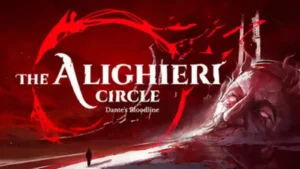
The Alighieri Circle: Dante’s Bloodline

The Alighieri Circle: Dante’s Bloodline

Overall score 3.5 / 5

Based on 18 scored reviews

How we score

Scorata scores summarize analyzed review evidence on a 1–5 scale; they are not laboratory measurements or a simple average of customer star ratings. Feature scores summarize the reviews covering that feature. The overall score averages feature scores within each review, then combines review averages. When both expert and customer evidence are available, those two groups receive equal weight. Products can have different review coverage, so small score gaps do not establish a winner.

Recommendations prioritize important features for the category, with a score of at least 3.5, a gap of at least 0.25 points and at least two supporting reviews per product. Features with widely varying scores or broad connectivity contexts are excluded from recommendations. These safeguards do not establish statistical significance.

Quick verdict

What each product is best for

The review evidence points to a tradeoff: core gameplay loop and content variety versus writing quality. Choose according to which strengths matter more to you; the overall score alone does not settle that choice.

Choose Shinobi: Art of Vengeance for core gameplay loop and content variety.

Choose The Alighieri Circle: Dante’s Bloodline for writing quality.

Why these recommendations?

Shinobi: Art of Vengeance

Where It Has the Edge

  • core gameplay loop is 4.7 vs 2.1. The core loop is widely liked as fast, stylish 2D action with strong combat and traversal, with a...
  • content variety is 4.5 vs 2.4. Content variety is strong across stage themes, optional challenges, enemy encounters, bonus levels, and replay modes, though some...
  • exploration quality is 4.1 vs 2.7. Exploration is divisive: many enjoy secrets, replayable routes, and rewards, while others find backtracking or Metroidvania-lite detours less...

The Alighieri Circle: Dante’s Bloodline

Where It Has the Edge

  • writing quality is 4.3 vs 2.8. The writing can deliver family history with a strong cadence and clear thematic focus, but some lines are...
Shinobi: Art of Vengeance 4.4 overall score
The Alighieri Circle: Dante’s Bloodline 3.5 overall score

Compare features

Scores are out of 5. Missing scores mean missing review evidence, not a missing feature.

Scored on both products

Other features

Checkpoint system
Shinobi: Art of Vengeance
5.0

The checkpoint system is praised as a quality-of-life improvement because it reduces frustration around difficult optional challenges.

The Alighieri Circle: Dante’s Bloodline
1.3

Sparse automatic checkpoints can make long puzzles costly to abandon or fail. Repeating already completed collection work is a particular frustration.

Gameplay mechanics
Shinobi: Art of Vengeance
4.4

Gameplay mechanics are praised for depth and power fantasy, though one reviewer argues an execution mechanic lacks meaningful challenge pressure.

The Alighieri Circle: Dante’s Bloodline
1.0

The mechanical side can feel underdeveloped beside the presentation, with one critique arguing that the game struggles to turn its premise into satisfying play.

Visual effects quality
Shinobi: Art of Vengeance
4.8

Visual effects are praised for stylish Ninjutsu, cinematic flourishes, audiovisual impact, and bold combat feedback.

The Alighieri Circle: Dante’s Bloodline
2.0

Fast camera movement can produce distracting blur, and disabling motion blur does not fully remove the effect. That visual artifact makes motion look less clean than the still presentation.

Core gameplay loop
Shinobi: Art of Vengeance
4.7

The core loop is widely liked as fast, stylish 2D action with strong combat and traversal, with a few reviewers calling it great despite structural complaints.

The Alighieri Circle: Dante’s Bloodline
2.1

The walk-explore-puzzle structure works best when observation and ritual mechanics connect directly. Repeated returns to the manor, forced portal interactions, and long stretches of passive movement make the loop feel thin for some players.

Content variety
Shinobi: Art of Vengeance
4.5

Content variety is strong across stage themes, optional challenges, enemy encounters, bonus levels, and replay modes, though some side segments are less loved.

The Alighieri Circle: Dante’s Bloodline
2.4

Repeated routes, reused assets, and similar-looking Dive areas make the small campaign feel more repetitive than its length suggests. The visual identity is strong, but environmental variety is a recurring weakness.

Dialogue quality
Shinobi: Art of Vengeance
2.5

Dialogue quality is uneven: one review criticizes a dull character, and another finds paused dialogue barks jarring despite fun narrative moments.

The Alighieri Circle: Dante’s Bloodline
4.5

Character exchanges are lively enough to make the cast more engaging, with Gabriele’s conversations singled out as genuinely entertaining.

Emotional impact
Shinobi: Art of Vengeance
2.5

Emotional impact is limited in the review evidence, with one reviewer wishing for a stronger moment of emotional weight.

The Alighieri Circle: Dante’s Bloodline
4.0

The psychological framing and family-trauma premise can linger after play, giving the short walking-sim structure more staying power than its mechanical scope suggests.

Exploration quality
Shinobi: Art of Vengeance
4.1

Exploration is divisive: many enjoy secrets, replayable routes, and rewards, while others find backtracking or Metroidvania-lite detours less compelling.

The Alighieri Circle: Dante’s Bloodline
2.7

The villa is often more satisfying to investigate than the Dive, but limited interaction, unchanged revisits, and repetitive routes reduce the reward for thorough exploration.

Writing quality
Shinobi: Art of Vengeance
2.8

Writing quality is mixed-to-weak, with reviewers describing the script as fine, tropey, or not especially nuanced.

The Alighieri Circle: Dante’s Bloodline
4.3

The writing can deliver family history with a strong cadence and clear thematic focus, but some lines are criticized as on-the-nose or melodramatic.

Pacing
Shinobi: Art of Vengeance
3.6

Pacing is mixed: several reviewers like the length and steady tool rollout, while others say long stages, revisit loops, or samey rhythm weaken momentum.

The Alighieri Circle: Dante’s Bloodline
2.3

Backtracking and slow traversal can drag, while the later story may move too quickly once events become more interesting. The result can feel uneven despite the short overall runtime.

Frame rate stability
Shinobi: Art of Vengeance
2.9

Frame rate stability is mixed, especially on Switch, where reviewers note dips or painful frame-rate issues despite otherwise strong presentation.

The Alighieri Circle: Dante’s Bloodline
1.8

Rapid camera movement can produce stutter on PC, while PS5 Pro performance is reported to suffer severe drops, tearing, and staggered motion in some scenes.

Immersion
Shinobi: Art of Vengeance
4.0

Immersion is supported by strong presentation and visual depth, though one reviewer says the game remained enjoyable without strongly resonating.

The Alighieri Circle: Dante’s Bloodline
5.0

The personalized depiction of Hell and cohesive visual treatment can make the journey feel strongly immersive, especially when the environment reflects Gabriele’s inner state.

Difficulty balance
Shinobi: Art of Vengeance
4.1

Difficulty is generally viewed as fair and satisfying, but opinions split on spikes, projectile-heavy sections, undertuned enemies, and some hard optional challenges.

The Alighieri Circle: Dante’s Bloodline
3.1

The puzzles often feel rewarding once their logic clicks, but the lack of hints can push some challenges from thoughtful into opaque. Different accounts range from approachable and self-explanatory to frustratingly unclear.

Fun factor
Shinobi: Art of Vengeance
4.8

Fun factor is high, with many reviewers calling the combat, challenge rooms, and overall ninja fantasy enjoyable or easy to recommend.

The Alighieri Circle: Dante’s Bloodline
3.9

Despite its brevity and rough edges, the game is often described as enjoyable while it lasts. Puzzle fans and walking-sim players are most likely to appreciate the experience.

Faithfulness to franchise
Shinobi: Art of Vengeance
4.7

Reviewers broadly describe the revival as faithful to Shinobi’s legacy while modernizing it with new structure, combat depth, and visual presentation.

The Alighieri Circle: Dante’s Bloodline
3.9

The Dante inspiration is interpreted rather than reproduced, and that split drives very different reactions. Some praise the poetic, psychological use of the source material, while another critique sees the game as straying too far from Dante.

Character development
Shinobi: Art of Vengeance
3.3

Character development is limited overall, with one reviewer liking a supporting character but another calling broader character depth minimal.

The Alighieri Circle: Dante’s Bloodline
2.5

Character depth is sharply divided: one account finds surprising depth for a short game, while several others feel Gabriele and his family are too underdeveloped to carry the premise’s emotional weight.

Lore depth
Shinobi: Art of Vengeance
4.0

Lore depth gets mild praise where the reviewer appreciates Shinobi’s blend of cultural mythological elements.

The Alighieri Circle: Dante’s Bloodline
4.5

Optional letters and notes make the Alighieri family history more interesting and give the short campaign extra context. Players who read them get a fuller sense of how the curse affected earlier generations.

Atmosphere
Shinobi: Art of Vengeance
4.5

Atmosphere is supported by presentation touches such as camera framing and mood-setting scenes that help the 2D spaces feel more dramatic.

The Alighieri Circle: Dante’s Bloodline
4.9

Foreboding spaces, eerie audio, and the contrast between the villa and the Dive create a consistently strong mood. This is one of the game’s most dependable strengths, even when the story or mechanics feel thinner.

Art direction
Shinobi: Art of Vengeance
5.0

The hand-drawn art direction receives near-universal praise for its style, cohesion, painterly look, and strong franchise fit.

The Alighieri Circle: Dante’s Bloodline
4.6

The game’s strongest visual ideas come from its red-and-white infernal imagery, dramatic lighting, and richly styled villa. Most praise the look, though one take finds the interpretation of Hell visually impressive yet conceptually generic.

Originality
Shinobi: Art of Vengeance
4.5

Originality is praised where reviewers call the revival fresh for the series rather than a simple nostalgic retread.

The Alighieri Circle: Dante’s Bloodline
4.2

The psychological reinterpretation of Dante and the visual concept of the Dive give the game a distinctive identity. That ambition is clear, though one account feels the surrounding walking-sim structure remains surprisingly ordinary.

Narrative quality
Shinobi: Art of Vengeance
3.3

Narrative quality is the most mixed creative element: some call it one of the franchise’s better stories, while many describe it as simple, thin, or tonally inconsistent.

The Alighieri Circle: Dante’s Bloodline
3.1

The central idea of inherited duty and a personalized Hell is widely considered intriguing, but reactions to the execution vary sharply. Some find the story captivating or increasingly engaging, while others call it thin, flat, or underdeveloped.

Graphics quality
Shinobi: Art of Vengeance
5.0

Graphics quality is a major strength, with reviewers repeatedly calling the game gorgeous, beautiful, and visually impressive.

The Alighieri Circle: Dante’s Bloodline
4.8

The mansion, infernal spaces, textures, and modeling are repeatedly praised as striking and unusually polished for a small production. Visual fidelity is a major selling point even when performance falters.

Side character depth
Shinobi: Art of Vengeance
2.5

Side character depth is weak in the evidence focused on Ankou, whom one reviewer calls dull despite liking the broader visual design.

The Alighieri Circle: Dante’s Bloodline
2.7

Supporting characters divide opinion sharply. One account finds surprising depth in the short runtime, while others feel Gabriele’s family is too thinly developed to make the emotional stakes land.

Bug frequency
Shinobi: Art of Vengeance
2.0

Bug frequency is a concern in one review that reports a severe save-wipe issue, even though other technical impressions were cleaner.

The Alighieri Circle: Dante’s Bloodline
2.0

A progression-related house-state bug forced repeated reloads in one walkthrough, making the issue unusually disruptive despite limited broader bug discussion.

Environmental detail
Shinobi: Art of Vengeance
5.0

Environmental detail stands out in reviews that praise painterly backgrounds, large-scale set pieces, and richly detailed level backdrops.

The Alighieri Circle: Dante’s Bloodline
5.0

The villa and Dive are packed with carefully modeled surfaces, lighting, monuments, and small visual touches. Fine environmental craftsmanship is one of the clearest areas of praise.

Ownership and support

Value for money
Shinobi: Art of Vengeance
4.6

Value for money is positive overall, especially for combat-focused or completionist players, though one review frames value as more moderate for players skipping side content.

The Alighieri Circle: Dante’s Bloodline
2.5

The roughly two-to-five-hour runtime makes the $19.99 price harder to justify for players who expect substantial replay systems or a longer campaign.

Save system reliability
Shinobi: Art of Vengeance
3.3

Save reliability is split: one review praises frequent saves, while another reports the serious problem of a save being wiped twice.

The Alighieri Circle: Dante’s Bloodline
1.5

The lack of manual saves can drop players back at inconvenient checkpoints, turning interruptions into repeated dialogue and item collection.

Replay value
Shinobi: Art of Vengeance
4.1

Replay value is strong for completionists thanks to collectibles, secrets, stage revisits, Arcade Mode, Boss Rush, ranks, and unlockables, though not every reviewer loves revisiting.

The Alighieri Circle: Dante’s Bloodline
2.8

The family-sacrifice theme offers some reason to revisit the story, but the short, largely linear structure and lack of progression systems limit the pull of a second playthrough.

Performance

Performance optimization
Shinobi: Art of Vengeance
3.8

Performance optimization varies by platform and context, with PS5 impressions strong but Switch-oriented reviews noting optimization and frame-pacing caveats.

The Alighieri Circle: Dante’s Bloodline
1.9

Technical results vary by platform, from generally smooth play in one account to poor optimization, stutter, and severe PS5 Pro slowdowns in others.

Soundtrack quality
Shinobi: Art of Vengeance
4.4

The soundtrack is mostly praised as energetic, fitting, and memorable, though one review finds it weaker than the visuals and Genesis-era expectations.

The Alighieri Circle: Dante’s Bloodline
5.0

The score is used sparingly but effectively, with its atmospheric contribution singled out as a strength alongside the broader soundscape.

Controls and connectivity

Protagonist appeal
Shinobi: Art of Vengeance
4.5

Protagonist appeal is positive where Joe Musashi is described as a compelling, badass ninja fantasy rather than a talkative character.

The Alighieri Circle: Dante’s Bloodline
3.0

Gabriele is divisive: some find him likeable and grounded as an ordinary family man, while others struggle to connect with him or find his repeated concern for family grating.

Voice acting
Shinobi: Art of Vengeance
4.0

Voice acting receives mixed-to-positive reactions: some reviews praise the performances, while others call the English voices merely fine or jarring.

The Alighieri Circle: Dante’s Bloodline
3.5

Voice work is uneven across accounts. Some praise the authoritative guide and Gabriele’s performance, while others find certain deliveries unnatural or regard the acting as the weakest part of the audio.

Controls responsiveness
Shinobi: Art of Vengeance
4.7

Controls are usually described as smooth, tight, intuitive, and responsive, with a few caveats around moments where scripted control loss or platforming inputs feel awkward.

The Alighieri Circle: Dante’s Bloodline
5.0

Movement and interaction controls are described as responsive, with no notable input problems raised in the same account.

Comfort and build

World-building
Shinobi: Art of Vengeance
2.5

World-building is weak in the evidence that explicitly says not to expect captivating world building from the campy action story.

The Alighieri Circle: Dante’s Bloodline
3.8

The family history, Dive mythology, and environmental storytelling can create a compelling world, especially through notes and the two contrasting locations. Still, limited interactivity sometimes leaves that world feeling more decorative than lived-in.

Sound design
Shinobi: Art of Vengeance
3.5

Sound design is mixed: impact feedback and combat audio are praised, but one reviewer strongly disliked the harsh radio or speaker filter.

The Alighieri Circle: Dante’s Bloodline
4.8

Creaks, distant noises, ambient tones, and spatial voices strongly reinforce the game’s uneasy mood. The audio is frequently praised for creating tension without overwhelming the narrative.

Map and navigation design
Shinobi: Art of Vengeance
3.8

Map and navigation design is mixed: reviewers like map clarity and fast travel, but some cite confusing secret tracking or unclear pits.

The Alighieri Circle: Dante’s Bloodline
5.0

The map is detailed and clearly marks the player’s location, making the villa easy to navigate despite repeated backtracking.

Puzzle design
Shinobi: Art of Vengeance
4.0

Puzzle design receives a mild positive note for being logical and not slowing the action down.

The Alighieri Circle: Dante’s Bloodline
4.1

Puzzles are the game’s most consistently praised mechanical element, with strong environmental logic and satisfying solutions. A few trials are criticized as vague, overlong, or too dependent on unguided trial and error.

Evidence available for one product

Other features

Accessibility options
Shinobi: Art of Vengeance
4.2

Accessibility options are praised for adjustable difficulty, assist settings, and sliders that make the challenge more approachable without fully flattening it.

The Alighieri Circle: Dante’s BloodlineNo score yet
Animation quality
Shinobi: Art of Vengeance
4.9

Animation quality is a standout, especially Joe’s motion, hand-drawn character work, and the way combat and traversal read in motion.

The Alighieri Circle: Dante’s BloodlineNo score yet
Camera behavior
Shinobi: Art of Vengeance
5.0

Camera behavior is praised in one review for intelligently changing framing to support mood, traversal, and visual depth.

The Alighieri Circle: Dante’s BloodlineNo score yet
Collectibles
Shinobi: Art of VengeanceNo score yet
The Alighieri Circle: Dante’s Bloodline
4.3

Diary pages and letters add useful family history and are enjoyable to seek out for players interested in the lore. They give the otherwise sparse exploration more narrative texture.

Combat system
Shinobi: Art of Vengeance
4.9

Combat is the most consistently praised attribute, with reviewers calling it fluid, deep, expressive, satisfying, and central to the game’s appeal.

The Alighieri Circle: Dante’s BloodlineNo score yet
Content completeness
Shinobi: Art of VengeanceNo score yet
The Alighieri Circle: Dante’s Bloodline
2.1

Several accounts feel the game stops before fully exploring its ideas, with too few trials or puzzles for the concept’s scope. The finished material is often liked, but the package can feel abbreviated.

Crash stability
Shinobi: Art of Vengeance
5.0

Crash stability is strong in the PS5 review that reports no crashes, soft-locks, or freezes over a long playthrough.

The Alighieri Circle: Dante’s BloodlineNo score yet
Cutscene skippability
Shinobi: Art of VengeanceNo score yet
The Alighieri Circle: Dante’s Bloodline
1.8

Unskippable dialogue and cutscenes become frustrating when checkpoints force sections to be replayed. The inconvenience is especially noticeable on repeated attempts.

Endgame content
Shinobi: Art of Vengeance
4.1

Endgame content is generally seen as useful for replay through Arcade Mode, Boss Rush, superbosses, and ranking challenges, though one reviewer sees arcade mode as padding.

The Alighieri Circle: Dante’s BloodlineNo score yet
Enemy variety
Shinobi: Art of Vengeance
4.7

Enemy variety is a strength, with reviewers praising the range of ninjas, soldiers, monsters, bosses, and specialized foes that shape encounters.

The Alighieri Circle: Dante’s BloodlineNo score yet
Fast travel convenience
Shinobi: Art of Vengeance
4.8

Fast travel is repeatedly praised for making revisits, secret hunting, and post-completion cleanup smoother rather than tedious.

The Alighieri Circle: Dante’s BloodlineNo score yet
Flying mechanics
Shinobi: Art of Vengeance
3.0

Flying mechanics are mildly criticized in the glider’s case, with the reviewer saying it slows down otherwise snappy traversal.

The Alighieri Circle: Dante’s BloodlineNo score yet
Game length
Shinobi: Art of VengeanceNo score yet
The Alighieri Circle: Dante’s Bloodline
2.3

Most completion estimates land around a few hours, and several accounts consider that too short for how late the story starts to gain momentum. The compact runtime works better for players who value a single-session experience.

Horror tension
Shinobi: Art of VengeanceNo score yet
The Alighieri Circle: Dante’s Bloodline
3.6

The psychological dread works better than conventional horror for some players, especially through sound and atmosphere. Others find the lack of danger, enemies, or sustained scares leaves the tension too mild.

HUD clarity
Shinobi: Art of Vengeance
3.0

HUD clarity receives a mixed score because flashy combat effects can make the player lose track of the action.

The Alighieri Circle: Dante’s BloodlineNo score yet
Innovation
Shinobi: Art of Vengeance
4.8

Innovation is praised where reviewers say the game evolves Shinobi meaningfully instead of merely repeating the past.

The Alighieri Circle: Dante’s BloodlineNo score yet
Learning curve
Shinobi: Art of Vengeance
4.5

The learning curve is favorable because reviewers describe the combat as simple to engage with while still rewarding mastery.

The Alighieri Circle: Dante’s BloodlineNo score yet
Load times
Shinobi: Art of Vengeance
4.5

Load times receive a positive note from one Switch reviewer who says they did not take too long.

The Alighieri Circle: Dante’s BloodlineNo score yet
Mission variety
Shinobi: Art of Vengeance
4.5

Mission variety is supported by praise for fresh objectives and distinct environments across the stages.

The Alighieri Circle: Dante’s BloodlineNo score yet
Movement feel
Shinobi: Art of Vengeance
4.8

Movement feel is heavily praised as fast, fluid, snappy, and fun, though one Switch review notes combat can feel slower than traversal.

The Alighieri Circle: Dante’s BloodlineNo score yet
Onboarding experience
Shinobi: Art of Vengeance
4.5

Onboarding is praised for easing the player into each move rather than overwhelming them with the full combat kit at once.

The Alighieri Circle: Dante’s BloodlineNo score yet
Platforming precision
Shinobi: Art of Vengeance
4.0

Platforming is often praised as tight, precise, and rewarding, though several reviewers flag optional challenge rooms or late-game traversal as frustrating or inconsistent.

The Alighieri Circle: Dante’s BloodlineNo score yet
Polish
Shinobi: Art of Vengeance
4.8

Polish is praised where reviewers highlight the game as well put together and visually refined.

The Alighieri Circle: Dante’s BloodlineNo score yet
Progression system
Shinobi: Art of Vengeance
4.6

Progression is praised for steadily adding moves, abilities, upgrades, and customization that keep combat and traversal evolving.

The Alighieri Circle: Dante’s BloodlineNo score yet
Tutorial quality
Shinobi: Art of Vengeance
4.5

Tutorial quality is positive where one reviewer says the early tutorials made combat options easy to understand and apply.

The Alighieri Circle: Dante’s BloodlineNo score yet
Upgrade system
Shinobi: Art of Vengeance
4.5

The upgrade system is praised for meaningful amulets, combat additions, and flexible build choices that alter playstyle.

The Alighieri Circle: Dante’s BloodlineNo score yet
World interactivity
Shinobi: Art of VengeanceNo score yet
The Alighieri Circle: Dante’s Bloodline
2.8

Lore notes add meaningful context, but the environments can feel too static because there are relatively few objects to examine or manipulate.

Comfort and build

Boss design
Shinobi: Art of Vengeance
4.4

Boss design earns many positive notes for memorable, exciting encounters, though a few reviewers find some bosses too easy, clunky, or mechanically weaker than regular fights.

The Alighieri Circle: Dante’s BloodlineNo score yet
Level design
Shinobi: Art of Vengeance
4.1

Level design is usually praised for scale, variety, secrets, and challenge structure, but some reviewers criticize flow, pacing, or underused combat spaces.

The Alighieri Circle: Dante’s BloodlineNo score yet
Mission design
Shinobi: Art of Vengeance
4.5

Mission design is praised through comments about well-crafted stages that mix platforming, combat, puzzles, and optional routes.

The Alighieri Circle: Dante’s BloodlineNo score yet
QTE design
Shinobi: Art of VengeanceNo score yet
The Alighieri Circle: Dante’s Bloodline
1.8

The recurring portal input sequence is seen as shallow friction rather than meaningful gameplay. One account calls it unnecessary, while another says the rhythm break adds little and disrupts immersion.

User interface design
Shinobi: Art of Vengeance
5.0

User interface design receives praise for being clean and easy to navigate.

The Alighieri Circle: Dante’s BloodlineNo score yet

Ownership and support

Localization support
Shinobi: Art of VengeanceNo score yet
The Alighieri Circle: Dante’s Bloodline
4.5

English and Italian voice options are available, and the Italian track is praised as the more authentic fit for the setting and story tone.

Controls and connectivity

Menu usability
Shinobi: Art of Vengeance
5.0

Menu usability is praised through the clean, easy-to-navigate interface that removes friction around fast travel and play.

The Alighieri Circle: Dante’s BloodlineNo score yet

Other Top Video Games to Consider

#1 Hades II
4.6

Good if you want fast, tactical roguelite combat with huge progression depth, striking art, and standout music. Skip it if repetition, resource micromanagement, or a less emotionally satisfying sequel story...

Pros: skill tree depth, dialogue quality

Cons: emotional impact, economy and resource balance

#2 Valheim
4.5

Good if you want a beautiful, demanding survival sandbox built around exploration, building, progression, and memorable co-op. Skip it if long resource runs, harsh death recovery, and deliberate pacing sound...

Pros: core gameplay loop, movement feel

Cons: economy and resource balance, map and navigation design

#3 Donkey Kong Bananza
4.5

Best for joyful destruction, dense exploration, and a charming DK-Pauline adventure. Skip it if camera quirks, frame-rate dips, easy bosses, or premium Switch 2 pricing are dealbreakers.

Pros: gameplay mechanics, world interactivity

Cons: economy and resource balance, enemy variety

#4 It Takes Two
4.5

Best for joyful, inventive co-op with a partner, especially on couch. Skip it if divorce themes, uneven story tone, or Switch visual compromises would distract you.

Pros: core gameplay loop, movement feel

Cons: character development, dialogue quality